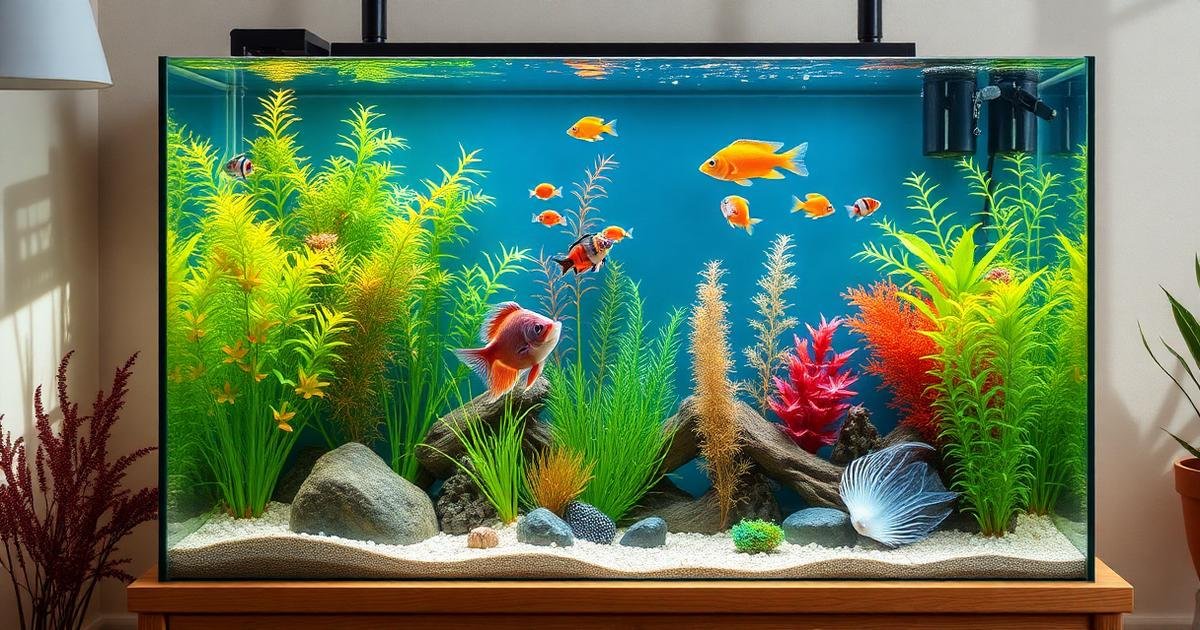
Choosing the the best option for your tank comes down to matching light intensity, substrate type, and your experience level. The very best plants are those that thrive in your specific setup without constant maintenance—Java Fern, Anubias, and Cryptocoryne are top picks for beginners, while stem plants like Rotala and Hygrophila reward experienced aquarists with rapid growth and stunning aquascapes. You don't need a green thumb or expensive equipment to grow a lush underwater garden—you just need the right plants for your conditions.
Best aquarium plants: The best aquarium plants are Java Fern and Anubias for low-light, low-tech tanks; Cryptocoryne and Amazon Sword for mid-light planted tanks; and Rotala rotundifolia or Dwarf Hairgrass for high-light CO₂-injected setups. Choose based on your light source, whether you use CO₂, and how much trimming yo
Whether you're fighting algae, dealing with melting leaves, or simply want a beautiful tank, the plants on this list have been proven reliable in home aquarium-heater/">aquarium-filter/">aquariums for decades. We'll walk you through exactly which species work for every light level, tank size, and maintenance schedule so you can make a confident choice.
Quick Answer: What Are the best aquarium plants for Beginners and Experts?
The the right choice are Java Fern and Anubias for low-light, low tech tanks; Cryptocoryne and Amazon Sword for mid light planted tanks; and Rotala rotundifolia or Dwarf Hairgrass for high light CO₂-injected setups. Choose based on your light source, whether you use CO₂, and how much trimming you're willing to do. For most beginners, starting with Java Fern, Anubias, and a Cryptocoryne species gives you three different growth habits with near zero failure rate. Experienced aquarists should focus on Rotala and Dwarf Hairgrass for showstopping aquascapes.
For a complete guide on this topic, see the Aquarium Setup Guide.
What to Look for When Choosing Aquarium Plants
Before buying any plant, check your tank's light intensity. Low light plants like Anubias need only 20–40 lumens per liter, while high light stem plants need 60+ lumens per liter. The wrong light means melted leaves and wasted money. You can measure your light with a simple lux meter app on your phone—aim for 2,000–4,000 lux for low light plants and 6,000–10,000 lux for high light species.
Your substrate matters just as much. Root feeders like Amazon Sword need nutrient rich soil or root tabs. Column feeders like Java Fern absorb nutrients from the water column and can grow on driftwood or rock. Match the plant to your substrate to avoid frustration. If you have plain gravel, stick with column feeders or add root tabs every 2–3 months.
Finally, consider your maintenance schedule. Slow growers like Anubias need trimming every 2–3 months. Fast growers like Water Wisteria need trimming every 1–2 weeks. Be honest about how much time you can dedicate. If you travel frequently or have a busy schedule, stick with low maintenance species.
Pro Tip: Start with 3–4 species from different growth categories (foreground, midground, background). This creates depth and ensures at least some plants thrive even if conditions aren't perfect. You can always swap out underperformers later.
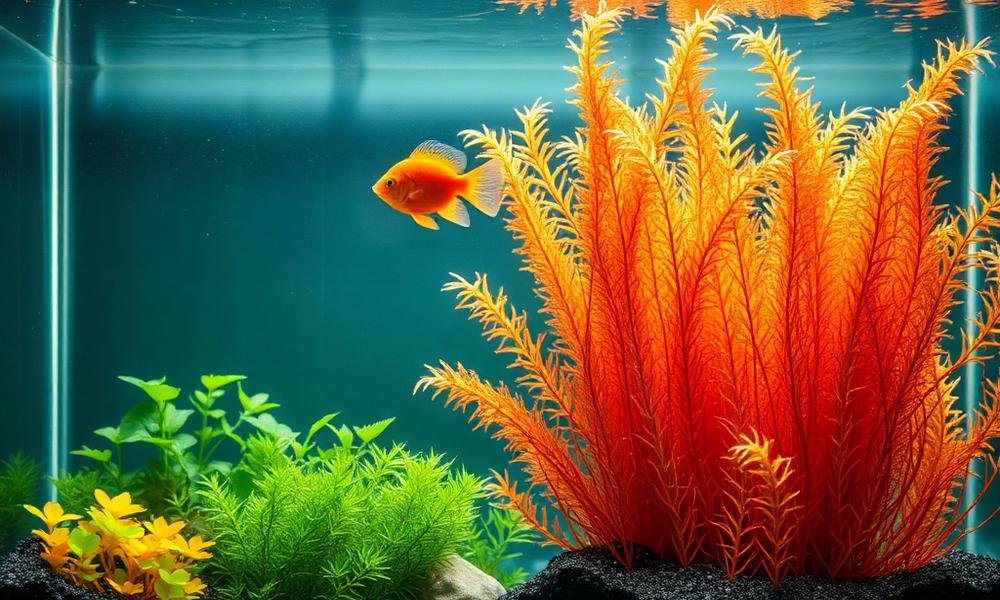
best aquarium plants for Low-Light, Low Tech Tanks
If you have a standard LED hood with no CO₂ injection, these plants will survive and even thrive. They require minimal care and tolerate a wide range of water parameters. You can grow a beautiful planted tank without spending hundreds on lighting or CO₂ gear.
Java Fern (Microsorum pteropus)
Java Fern is the gold standard for low tech tanks. It grows attached to wood or rock—never bury the rhizome or it rots. It tolerates pH from 6.0 to 8.0 and temperatures from 68°F to 82°F. New plantlets form on leaf tips; just remove and attach them elsewhere. Within 3–4 months, a single Java Fern can produce 10–15 baby plants.
Anubias barteri
Anubias is nearly indestructible. Its thick leaves resist algae and fish nibbling. Like Java Fern, it must have its rhizome above the substrate. Growth is slow—expect 1–2 new leaves per month—but it stays beautiful for years with almost zero effort. The broad leaves also provide excellent resting spots for bettas and other surface dwelling fish.
Cryptocoryne wendtii
Cryptocoryne species are root feeders that do well in low to moderate light. They may "melt" when first added—this is normal. Leave the roots in place and new leaves will emerge within 2–3 weeks. They spread via runners and fill midground areas nicely. The brown and green color variants add natural contrast without needing high light.
Pro Tip: If your Cryptocoryne melts, don't remove it. The roots are alive. Trim dead leaves, maintain stable water conditions, and new growth will appear in 2–4 weeks. This melt-and recover cycle is completely normal and happens with almost every new Cryptocoryne planting.
best aquarium plants for Medium to High Light Tanks
Once you upgrade to a quality LED fixture and consider CO₂, these plants reward you with lush, rapid growth and vibrant colors. You'll need to invest more time in trimming and nutrient dosing, but the results are spectacular.
Amazon Sword (Echinodorus bleheri)
Amazon Sword is a classic background plant that grows 12–18 inches tall. It's a heavy root feeder—use root tabs every 2–3 months. Under medium light, it produces broad green leaves. Under high light with CO₂, growth accelerates and leaves become more vibrant. It's an excellent choice for filling the back corners of larger tanks (30 gallons and up).
Rotala rotundifolia
Rotala is a stem plant that turns pinkish red under high light. It grows fast—trim weekly to encourage bushy growth. Without CO₂, it stays green and grows slower. With CO₂, it becomes a showstopper. Plant stems 1–2 inches apart for a dense look. The contrast between green tops and pink undersides creates stunning depth in any aquascape.
Dwarf Hairgrass (Eleocharis parvula)
This is the go to carpeting plant for high tech tanks. It needs high light and CO₂ to spread properly. Plant small clumps 1–2 inches apart, and within 6–8 weeks you'll have a lush green carpet. Without CO₂, it grows tall and leggy rather than carpeting. If you want a carpet without CO₂, consider Dwarf Sagittaria instead—it grows taller but still covers the foreground.
Ready to transform your tank with the the best option?
Browse Aquarium Options →
Comparison Table: best aquarium plants at a Glance
| Plant Name | Light Need | CO₂ Needed? | Growth Rate | Best For |
|---|---|---|---|---|
| Java Fern | Beginners, low tech tanks | |||
| Anubias barteri | Very slow | Low light tanks, fish safe leaves | ||
| Cryptocoryne wendtii | Low–Moderate | Midground, low tech tanks | ||
| Amazon Sword | Background, root feeders | |||
| Rotala rotundifolia | High-tech, colorful aquascapes | |||
| Dwarf Hairgrass | Carpeting, high tech tanks |
How to Plant and Maintain Aquarium Plants for Success
Planting technique determines whether your plants thrive or die. For rhizome plants like Java Fern and Anubias, use super glue gel or thread to attach them to wood or rock. Never bury the rhizome—it must stay exposed to water flow. A single drop of cyanoacrylate glue holds them in place permanently.
For stem plants like Rotala and Water Wisteria, remove the bottom 1–2 inches of leaves and insert the bare stem into the substrate. Plant in groups of 3–5 stems for visual impact. Trim them by cutting between nodes—the top half replants easily. This constant trimming and replanting is how you achieve that dense, bushy look.
Root feeders like Amazon Sword and Cryptocoryne need their roots buried fully. Use tweezers to plant them 1–2 inches deep. Add root tabs every 2–3 months for sustained growth. According to the AVMA pet owner resources, stable water parameters (temperature, pH, ammonia) are critical for plant health just as they are for fish. Sudden parameter swings cause melting and stunted growth in even the hardiest species.
Common Mistakes and How to Avoid Them
| Burying rhizome | Yellowing, rotting plant | Unearth rhizome, attach to hardscape |
| Too little light | Leggy growth, melting leaves | Upgrade light or choose low light plants |
| No root tabs for root feeders | Stunted growth, pale leaves | Add root tabs every 2–3 months |
| Overcrowding stems | Lower leaves die off | Space stems 1–2 inches apart |
Pro Tip: Quarantine new plants for 2–3 weeks in a separate container. This prevents introducing snails, algae, or pests into your main tank. A simple dip in a 1:20 bleach solution for 90 seconds kills most pests without harming the plants.
best aquarium plants for Specific Tank Types
Different setups demand different plants. Here's what works best for the most common aquarium styles. Matching your plants to your tank's purpose saves you money and frustration.
For Betta Tanks
Betta fish need plants with broad leaves for resting near the surface. Anubias and Java Fern are perfect—their sturdy leaves support betta weight. Add floating plants like Amazon Frogbit to diffuse light and provide cover. Avoid sharp leaved plants that could tear delicate fins. Bettas also appreciate densely planted corners where they can retreat and feel secure.
For Shrimp Tanks
Shrimp love moss. Java Moss and Christmas Moss provide biofilm for grazing and hiding spots for baby shrimp. Dwarf Hairgrass carpets give shrimp safe foraging areas. Keep plants low maintenance since shrimp are sensitive to CO₂ fluctuations. A moss wall on the back glass creates an incredible grazing surface while looking natural.
For Community Tanks
Mix background stems like Water Wisteria with midground Cryptocoryne and foreground Dwarf Sagittaria. This creates hiding spots for fry and reduces aggression. Fast growing stem plants also help control algae by absorbing excess nutrients. The ASPCA behavior resources note that enrichment through planted environments reduces stress in all aquarium species. A well planted community tank sees fewer territorial disputes and healthier fish overall.
How to Prevent and Treat Common Plant Problems
Even with the a strong pick, problems can arise. Recognizing symptoms early prevents plant loss and keeps your tank looking pristine. Most issues stem from three root causes: light imbalance, nutrient deficiency, or poor water quality.
Yellowing Leaves
Yellow leaves usually mean a nutrient deficiency—most commonly iron or nitrogen. Add a liquid fertilizer containing both. If only new leaves are yellow, check your light intensity. If old leaves yellow first, it's likely a nitrogen shortage. Test your water to confirm before adding supplements.
Algae on Leaves
Algae thrives when light and nutrients are unbalanced. Reduce light to 6–8 hours daily, add fast growing stem plants to absorb excess nutrients, and manually remove visible algae. Introducing algae eating fish like Siamese algae eaters also helps. A consistent weekly water change of 20–research suggests 30% prevents nutrient buildup that fuels algae growth.
Melting or Rotting Plants
Sudden melting often indicates parameter shock or buried rhizomes. Check that all rhizome plants are above substrate. For Cryptocoryne melting, wait 2–4 weeks for recovery. If rot persists, remove the affected plant and check for root rot or bacterial infection. Quarantine new additions to prevent introducing disease.
Pro Tip: Keep a simple aquarium journal. Note when you add plants, change water, or adjust lighting. Within 4–6 weeks, you'll see clear patterns linking your actions to plant health. This data is invaluable for troubleshooting.
Frequently Asked Questions
Do I need CO₂ for the a reliable option?
No. Many excellent plants like Java Fern, Anubias, and Cryptocoryne grow well without CO₂. CO₂ is only necessary for demanding carpeting plants or vibrant red stem plants. Start without CO₂ and upgrade only if you want faster, denser growth. Most hobbyists are happy with low tech setups for years.
How many aquarium plants should I start with?
Start with 5–7 individual plants or clumps for a 20-gallon tank. This provides visual impact without overcrowding. You can always add more as you gain experience. Overplanting from the start makes maintenance harder and increases the risk of nutrient deficiencies.
What's the easiest aquarium plant that won't die?
Java Fern is the most forgiving plant—it survives low light, no CO₂, and even fish that nibble leaves. As long as you don't bury the rhizome, it's nearly impossible to kill. Anubias is a close second and offers broader leaves for visual variety.
Can I keep aquarium plants with gravel instead of soil?
Yes, if you choose column feeders like Java Fern, Anubias, and Java Moss. For root feeders like Amazon Sword, use root tabs pushed into the gravel. Plain gravel lacks nutrients, so supplementing is essential. Root tabs release nutrients slowly over 2–3 months.
Why are my aquarium plants turning yellow?
Yellow leaves usually mean a nutrient deficiency—most commonly iron or nitrogen. Add a liquid fertilizer containing both. If only new leaves are yellow, check your light intensity. If old leaves yellow first, it's likely a nitrogen shortage. Test your water to confirm before adding supplements.
How do I prevent algae on aquarium plants?
Algae thrives when light and nutrients are unbalanced. Reduce light to 6–8 hours daily, add fast growing stem plants to absorb excess nutrients, and manually remove visible algae. Introducing algae eating fish like Siamese algae eaters also helps. Consistent water changes of 20–research suggests 30% weekly prevent nutrient buildup.
Can I grow aquarium plants in a fishbowl without a filter?
Yes, but only low-light, low nutrient plants like Java Fern and Anubias. Without filtration, water quality degrades quickly. Change research suggests 50% of the water twice weekly and keep light to 4–6 hours daily. Avoid root feeders in unfiltered bowls since they need stable nutrient levels.
How often should I fertilize aquarium plants?
For low tech tanks without CO₂, dose liquid fertilizer once weekly. For high tech tanks with CO₂, dose daily at half the recommended amount. Root feeders need root tabs every 2–3 months regardless of liquid dosing. Always follow the manufacturer's instructions and adjust based on plant response.