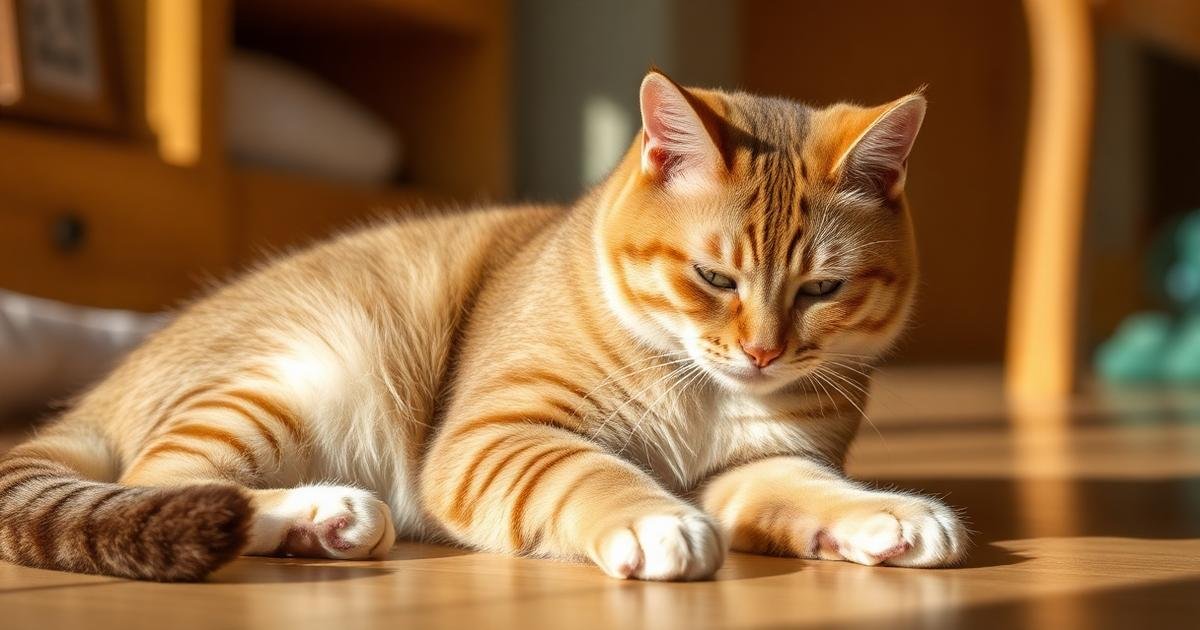
Have you ever wondered why your cat rhythmically pushes its paws into you, a blanket, or a soft surface? This instinctive behavior, known as kneading, is a holdover from kittenhood. The primary reason your cat kneads is a sign of contentment and comfort, rooted in the survival instinct to stimulate milk flow from its mother. Understanding this action helps you strengthen the bond with your cat and respond appropriately to their needs.
Why does my cat knead: Kneading is a natural, instinctive behavior that starts in kittenhood to stimulate milk flow from the mother. In adult cats, it is a clear sign of comfort, contentment, and bonding. Your cat is essentially marking you with scent glands in its paws and expressing that it feels safe and relaxed in you
Quick Answer: What Does It Mean When a Cat Kneads?
Kneading is a natural, instinctive behavior that starts in kittenhood to stimulate milk flow from the mother. In adult cats, it is a clear sign of comfort, contentment, and bonding. Your cat is essentially marking you with scent glands in its paws and expressing that it feels safe and relaxed in your presence. Let the behavior continue unless claws cause discomfort—then use a thick blanket as a buffer.
For a complete guide on this topic, see the Cat Behavior Guide.
Is Kneading a Sign of Affection or Something Else?
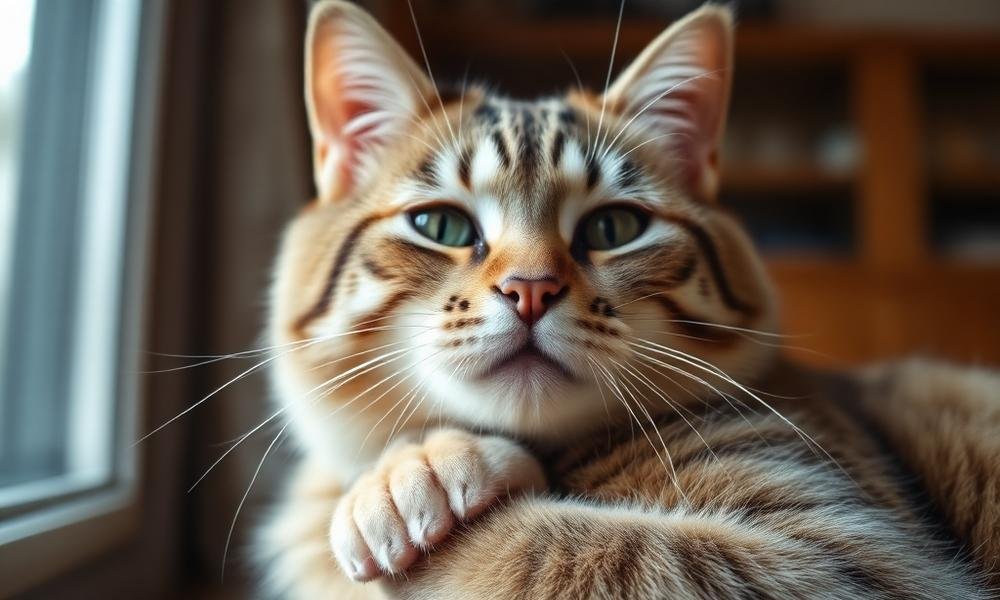
Kneading is overwhelmingly a positive behavior. Most feline behaviorists agree it is a direct expression of comfort and security. When your cat kneads you, it is often accompanied by purring and a relaxed, half closed eye expression, indicating pure contentment.
However, kneading can also serve other purposes. Cats have scent glands in their paw pads, so each kneading session deposits their unique scent onto you or the surface. This is a form of territorial marking, but in a loving context—they are claiming you as part of their safe space.
In rare cases, a cat might knead when anxious or seeking comfort during a stressful event, like a visit to the vet. But for the vast majority of house cats, kneading is a happy, bonding ritual.
Pro Tip: If your cat kneads with its claws extended, place a thick, soft blanket between your lap and its paws. This protects your skin while allowing the cat to continue its comforting ritual undisturbed.
Why Do Cats Knead on Soft Blankets and Toys?
Soft textures mimic the feeling of a mother cat's belly. Kittens knead the mother's abdomen to stimulate milk letdown, and the soft, warm fur becomes associated with food, warmth, and safety. Adult cats carry this association forward.
When your cat kneads a plush blanket, a fuzzy toy, or even a pile of laundry, it is self-soothing. The repetitive motion releases endorphins, creating a state of deep relaxation. This is why many cats will knead before settling down for a long nap.
Why Kneading Before Sleep Is Common
This behavior is often part of a pre sleep ritual. In the wild, cats would trample down grass or leaves to create a comfortable, safe nest. Domestic cats retain this instinct, so kneading a soft bed or your lap is their way of "making the bed" before sleeping.
Does the Kneading Motion Serve a Biological Purpose in Adult Cats?
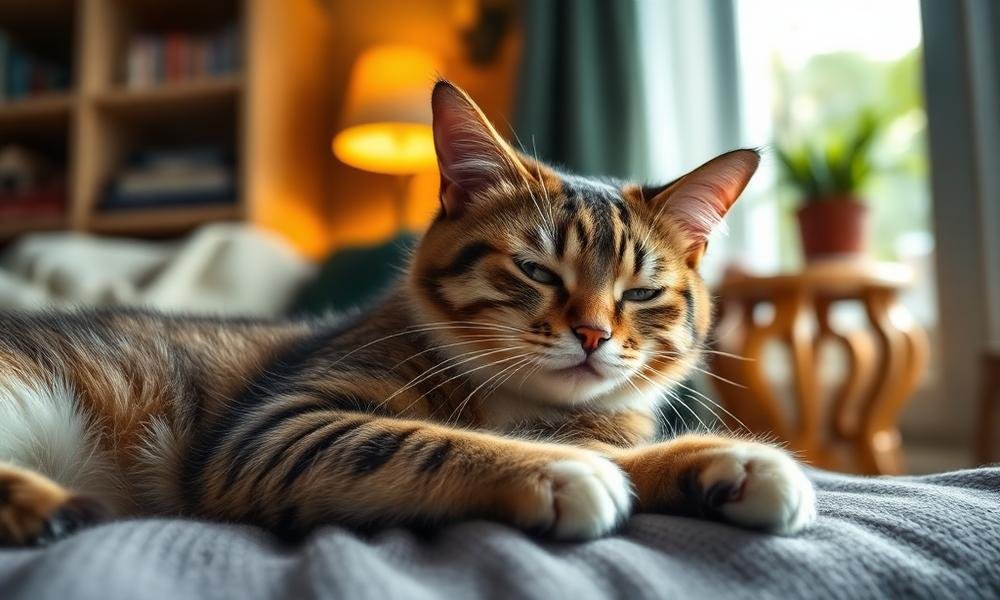
Beyond comfort, the rhythmic pressing of paws helps stretch a cat's muscles and tendons after a period of rest. This is especially true for cats waking from a nap—kneading acts like a gentle warm up for their shoulders and forelimbs. Veterinarians note that this movement improves circulation in the paws and prepares the cat for activity.
Also, the scent glands in a cat's paw pads release pheromones during kneading. These chemical signals communicate a sense of safety and familiarity to the cat itself. By kneading a favorite spot, your cat reinforces that the area is secure and non-threatening, which reduces stress levels over time.
Pro Tip: Observe which surfaces your cat kneads most often. If they consistently choose a specific blanket or pillow, keep that item in a consistent location. This routine helps your cat feel more secure in your home environment.
How Can I Tell If My Cat's Kneading Is a Problem?
Kneading is generally harmless, but excessive or compulsive kneading can sometimes indicate an underlying issue. If your cat kneads for hours on end, to the exclusion of other activities like eating or playing, it might be a sign of stress or anxiety.
Watch for accompanying signs. If kneading is paired with excessive drooling, destructive scratching, or vocalization, consult your veterinarian. The ASPCA notes that repetitive behaviors can sometimes stem from medical discomfort, such as arthritis or dental pain.
Another concern is when kneading becomes aggressive. If your cat bites or scratches you during kneading, it may be overstimulated. In this case, gently stop the interaction and provide a toy or blanket as an alternative outlet.
Pro Tip: Trim your cat's front claws regularly to minimize any discomfort from kneading. Use proper cat nail clippers and cut only the clear tip to avoid the quick. This makes the experience more pleasant for both of you.
Does Kneading Mean My Cat Was Weaned Too Early?
This is a common myth. While some kittens weaned too early may develop stronger oral or kneading fixations, the vast majority of cats—regardless of weaning age—knead. It is a normal, instinctive behavior seen in both hand raised and mother raised cats.
Research from the American Veterinary Medical Association (AVMA) indicates that kneading is a universal feline behavior, not a sign of developmental trauma. Even wild felids like lions and tigers have been observed kneading soft surfaces.
The behavior is simply hardwired into their DNA. If your cat kneads, it is not a cause for concern about its early life experiences. It is a sign of a well-adjusted, content cat expressing its natural instincts.
How Should I Respond When My Cat Kneads?
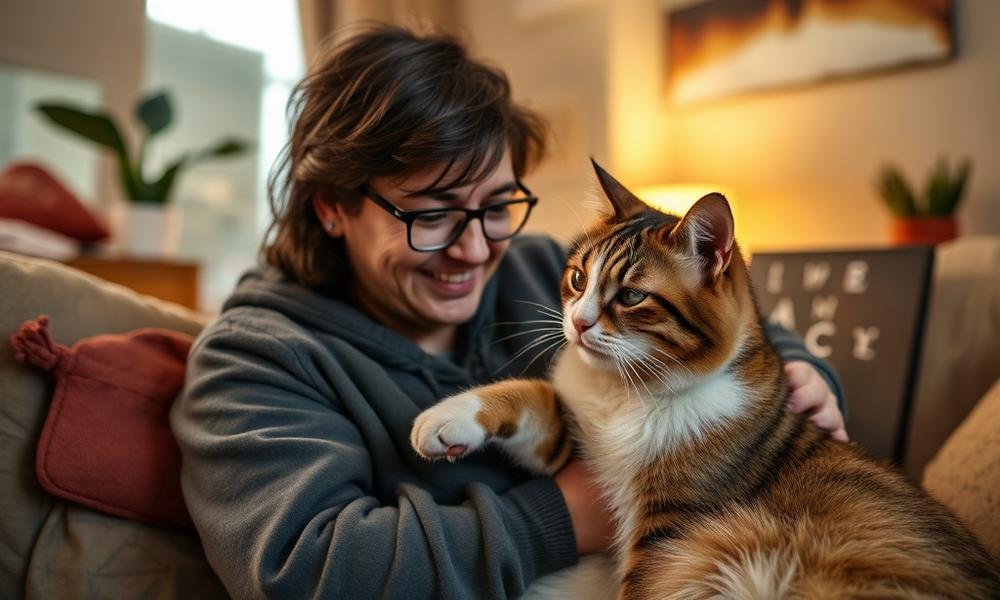
The best response is to let the cat enjoy the moment. Do not punish or abruptly stop the behavior, as this can cause stress and damage your bond. Instead, use it as an opportunity for bonding.
You can gently pet your cat while it kneads, speak in a soft voice, and offer treats afterward to reinforce the positive association. If the claws are uncomfortable, use the blanket trick mentioned earlier.
When to Gently Stop the Behavior
If your cat becomes overstimulated and starts biting or scratching, calmly stand up and walk away. Do not yell or scold. Redirect the cat to a suitable alternative, like a scratch pad or a soft toy. Consistency will teach the cat that gentle kneading is welcome, but rough behavior ends the interaction.
Pro Tip: Create a designated "kneading station" with a soft, thick blanket on your sofa. Encourage your cat to use it by placing treats on it. Over time, your cat will associate that specific spot with the kneading ritual.
Can Kneading Behavior Change as My Cat Ages?
Yes, kneading frequency and intensity often shift with age. Senior cats may knead less frequently due to arthritis or joint stiffness, which makes the motion uncomfortable. If your older cat suddenly stops kneading, it could indicate pain or mobility issues that warrant a veterinary check-up.
Conversely, some senior cats increase kneading as a self soothing mechanism to cope with age related anxiety or cognitive decline. The repetitive motion provides comfort during times of confusion or disorientation. Monitor your cat's overall behavior and consult your vet if you notice dramatic changes in kneading patterns within a 2–4 week period.
Pro Tip: Provide senior cats with heated or orthopedic beds. The warmth and extra cushioning can encourage gentle kneading without aggravating sore joints, keeping the behavior comfortable well into their golden years.
Why Do Some Cats Knead on Hard Surfaces Like Tile or Wood Floors?
Kneading on hard surfaces is less common but still normal. Cats may do this to stretch their paws and claws after waking, similar to a morning stretch routine. The firm surface provides resistance that helps flex the muscles in their legs and shoulders.
In some cases, kneading on tile or wood may be a cooling behavior. During warmer months, a cat might press its paws against a cool floor to regulate body temperature while still performing the comforting motion. If your cat kneads hard surfaces frequently, make sure they have access to soft alternatives like a plush bed or blanket to satisfy their comfort needs.
Pro Tip: Place a soft mat or small rug in areas where your cat frequently kneads hard floors. This gives them a choice between surfaces and protects their paw pads from excessive wear over time.
Keep your cat happy and comfortable with the best gear for their instincts.
Browse Cat Products →
Frequently Asked Questions
Why does my cat knead and then bite me?
This is often a sign of overstimulation. The cat is enjoying the kneading, but the physical contact becomes too intense. The bite is a gentle warning to stop. Watch for tail twitching or ear flattening as early signs.
Can kneading be a sign of pain in cats?
Rarely, but yes. If a cat suddenly starts kneading excessively or in a different manner than usual, it could be self soothing due to pain. Arthritis, dental issues, or internal discomfort can trigger this behavior. Consult your vet if the behavior changes suddenly.
Why do cats drool when they knead?
Drooling during kneading is a sign of extreme contentment and relaxation. The cat is so deeply in a state of bliss that its autonomic nervous system triggers salivation. It is a positive sign, not a medical concern in most cases.
Do all cats knead?
Most cats knead, but not all. Some cats stop the behavior as they age, while others never start. Lack of kneading is not a sign of unhappiness or a poor bond. It simply means the cat does not feel the need to express itself this way.
Why does my cat knead on my stomach?
Your stomach is soft, warm, and close to your center of gravity. It mimics the comfort of a mother cat's belly. Your cat is likely seeking the most secure, comforting spot on your body to perform this vulnerable, relaxing behavior.
Is kneading the same as "making biscuits"?
Yes, "making biscuits" is a popular, affectionate term for kneading. The motion resembles a baker kneading dough. The two terms are used interchangeably by cat owners and behaviorists alike.
Can I train my cat to stop kneading?
You should not try to stop the behavior entirely, as it is natural and comforting. Instead, train your cat to knead on a specific blanket or towel. Use positive reinforcement—treats and praise—when the cat uses the designated item.
Why does my cat knead before drinking water?
Some cats knead the floor or the water bowl area before drinking. This may be a remnant of the instinct to clear debris from a water source in the wild. It can also be a sign of excitement or anticipation of a satisfying drink.
Owners who compare options based on daily routine fit, tolerance, and observable outcomes usually make better decisions than those who rely on label claims alone.
That broader view matters because a good product choice should support the full pattern of daily care. A calmer, more dependable routine is often the strongest sign that the choice is working.
It also helps to judge whether the choice continues to work once the novelty of a change wears off. If results hold steady and the routine stays manageable, that is more meaningful than a strong first impression.
When owners stay practical, they are more likely to notice whether the current choice is truly helping. A useful product should remain dependable during ordinary weeks, not only when conditions are ideal.
For trusted guidance on feline health and nutrition, the ASPCA provides expert cat care resources reviewed by veterinary professionals. For health-related questions, PetMD offers veterinarian-reviewed information on symptoms and treatments.
Check out our complete overview of why does my cat headbutt me for more information.
Learn more in our detailed guide on why does my cat follow me everywhere.
Learn more in our detailed guide on why does my cat meow at night.