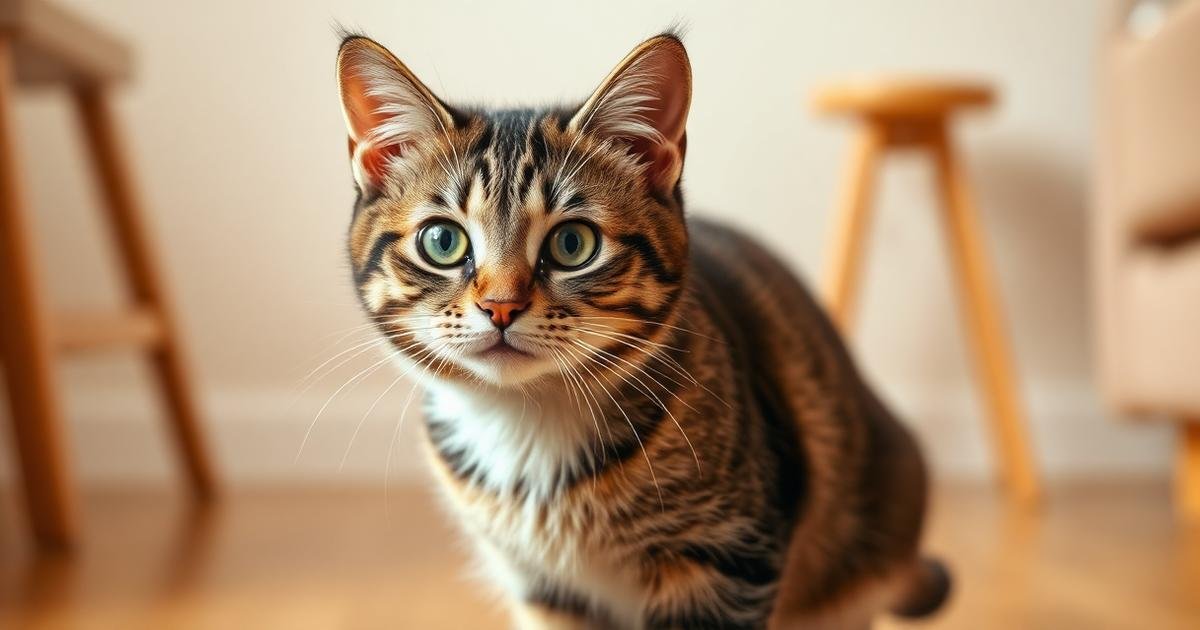
Understanding why does my cat follow me everywhere is something every pet owner benefits from knowing early on. So your cat is your little shadow—you're not imagining it, and trust me, you're not alone. This is one of the top questions I get from cat owners, and the answer's pretty simple: your cat follows you because you're their go to for security, food, and that special bond. Despite that whole "cats are aloof" stereotype, most house cats actually form deep attachments to their people. Trailing behind you? That's just their way of showing trust and curiosity.
the right choice: Your cat follows you everywhere primarily because they see you as a source of safety, food, and social connection. This behavior is rooted in their natural instincts: you provide routine meals, warmth, and protection. In multi cat households, cats often shadow their preferred human for the same reas
Quick Answer: why does my cat follow me everywhere?
Your cat follows you everywhere primarily because they see you as a source of safety, food, and social connection. This behavior is rooted in their natural instincts: you provide routine meals, warmth, and protection. In multi cat households, cats often shadow their preferred human for the same reasons they'd stick close to a trusted feline companion. If your cat is also vocalizing or rubbing against your legs, they're likely seeking attention or food. This is normal bonded behavior, not a sign of separation anxiety unless it's accompanied by destructive or distressed actions.
For a complete guide on this topic, see the Cat Behavior Guide.
Is It Normal for a Cat to Follow You Everywhere?
Yes, this behavior is completely normal for domestic cats. Veterinarians and animal behaviorists at the American Society for the Prevention of Cruelty to Animals (ASPCA) note that cats form strong social bonds with their owners, and following you is a sign of that attachment. It's especially common in cats that were hand raised or adopted as kittens.
However, context matters. A cat that follows you occasionally is displaying affection. A cat that follows you constantly—into every room, even the bathroom—may be expressing a deeper need for reassurance or stimulation. The key is to observe whether the behavior is relaxed or anxious.
Pro Tip: If your cat follows you but also shows relaxed body language—slow blinks, a raised tail, soft purring—they're simply enjoying your company. If their ears are flat or they're yowling, they may be stressed or unwell.
What Are the Main Reasons why does my cat follow me everywhere?
There are several distinct reasons the best option, and understanding them helps you respond appropriately. The most common drivers include bonding, food anticipation, curiosity, routine, and health related needs.
Bonding and Social Attachment
Cats are more social than popular culture suggests. Research published in the journal Current Biology shows that cats display secure attachment styles toward their owners, similar to dogs and human infants. When your cat follows you, they're reinforcing that bond. This is especially true if you're the primary caregiver who feeds, plays with, and grooms them.
Food Anticipation
Cats are creatures of habit. If you feed them at set times, they learn your daily patterns and will follow you to remind you—or to check if food is coming. This is one of the most practical reasons the right choice, and it's easy to test: if your cat shadows you most heavily around mealtimes, food is likely the motivator.
Curiosity and Routine Monitoring
Cats are territorial animals. They monitor their environment for changes, and you are the most dynamic element in their territory. Following you allows them to stay informed about what you're doing, whether you're safe, and whether anything interesting is happening. This is particularly common in single cat households where you are their primary source of environmental enrichment.
Pro Tip: To reduce food driven following, use an automatic feeder for at least one meal per day. This breaks the direct association between you and food delivery, which can help your cat become more independent within 1–2 weeks.
When Should I Be Concerned About My Cat Following Me?
While most following is normal, there are times it signals a problem. If your cat's following behavior is new, excessive, or paired with other symptoms, consult your veterinarian. Sudden clinginess can indicate pain, illness, or cognitive decline in older cats.
Watch for these red flags: following accompanied by excessive vocalization (yowling or howling), loss of appetite, hiding, aggression when you leave, or destructive behavior like scratching doors. These may indicate separation anxiety, hyperthyroidism, or urinary tract infections—all of which require professional diagnosis.
According to the American Veterinary Medical Association (AVMA), sudden changes in social behavior are among the top reasons cats are brought to the vet. If your cat has always been independent and now follows you constantly, schedule a checkup within 1–2 weeks.
Separation Anxiety vs. Normal Bonding
The practical side of why does my cat follow me everywhere comes down to small daily decisions that add up over weeks.
True separation anxiety in cats is rare but real. It differs from normal following in that your cat becomes distressed when you're out of sight, not just when they're near you. Signs include inappropriate elimination, excessive grooming, and refusing to eat when you're gone. If you suspect separation anxiety, work with a veterinary behaviorist to develop a desensitization plan over 4–6 weeks.
Help your cat feel more secure and independent with the right tools—from interactive feeders to calming aids.
Browse Cat Products →
How Can I Tell If My Cat Follows Me for Attention or Food?
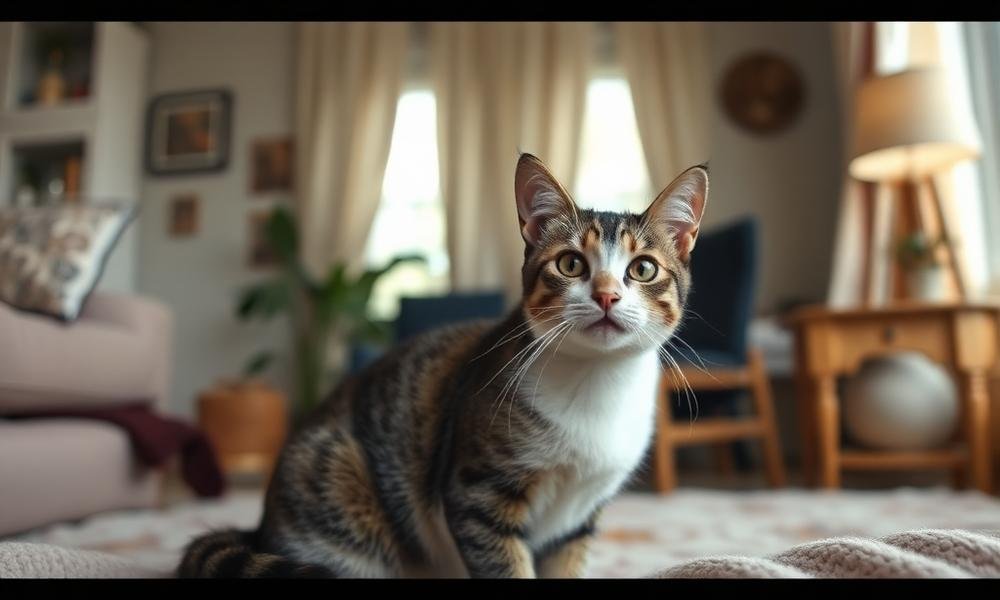
Distinguishing between attention seeking and food seeking behavior is straightforward with a simple test. If your cat follows you to the kitchen but loses interest once you sit on the couch, food is likely the motivator. If they follow you to the bathroom or bedroom and curl up nearby, they're seeking your company.
Another clue is vocalization. Cats use specific meows for different requests. A short, high pitched meow often means "feed me," while a longer, softer meow paired with rubbing indicates affection. Pay attention to your cat's specific sounds—you'll learn to differentiate them within a few days.
Pro Tip: Try this: sit down in a room away from the kitchen. If your cat follows you and settles down for a nap or purrs, they want companionship. If they immediately lead you back to the food bowl, they're hungry.
Does My Cat Follow Me Because They're Bored?
Boredom is a common but often overlooked reason why does my cat follow me everywhere. Indoor cats, especially those without environmental enrichment, may shadow you simply because you're the most interesting thing in their environment. This is more common in younger cats and breeds like Siamese or Bengals that are naturally high-energy.
To address boredom related following, provide at least 30 minutes of interactive play daily using wand toys that mimic prey. Rotate toys every 3–4 days to maintain novelty. Cat trees, window perches, and puzzle feeders also reduce clinginess by giving your cat independent sources of stimulation.
If you increase enrichment and your cat still follows you constantly, the cause is likely bonding rather than boredom. Both are healthy, but understanding the difference helps you meet your cat's needs.
Frequently Asked Questions
Why does my cat follow me to the bathroom?
Cats follow you to the bathroom because it's a small, enclosed space where you're stationary and vulnerable. In the wild, cats guard each other during elimination. Your cat may be returning the favor or simply seeking your undivided attention in a quiet room.
Why does my cat follow me but not my spouse?
Cats often bond more strongly with the person who feeds them, plays with them, or provides the most consistent routine. If your cat follows you instead of your spouse, you're likely their primary caregiver or the person who interacts with them most positively.
Why does my cat follow me and meow?
Following paired with meowing usually means your cat wants something specific—food, water, a clean litter box, or playtime. If the meowing is persistent, check their basic needs first. If those are met, they may be greeting you or expressing mild excitement.
the best option all of a sudden?
A sudden increase in following behavior can indicate a change in your cat's health, routine, or environment. Common triggers include a new pet, moving homes, changes in your work schedule, or medical issues like hyperthyroidism. If the behavior lasts more than 1–2 weeks, consult your vet.
Why does my cat follow me and rub against my legs?
This is a classic bonding behavior. Cats have scent glands on their cheeks, chin, and tail. Rubbing against your legs deposits their scent on you, marking you as part of their territory and social group. It's a sign of affection and ownership.
Why does my cat follow me but not let me pet them?
Some cats want proximity but not physical contact. This can stem from past trauma, overstimulation, or simply a preference for parallel play. Respect their boundaries—sit quietly nearby and let them approach you for pets on their terms.
When owners focus specifically on why does my cat follow me everywhere, they tend to see more consistent results over time.
Why does my cat follow me when I'm sad or sick?
Cats are highly attuned to changes in your behavior, scent, and routine. When you're sick or upset, your cat may follow you to monitor your condition or offer comfort. This is a sign of a strong emotional bond and is supported by studies showing cats respond to human emotional cues.
Why does my cat follow me and then bite me gently?
Gentle biting or "love bites" are a form of social grooming or overstimulation. If your cat follows you, then nibbles your hand or ankle, they may be trying to initiate play or signal that they've had enough petting. Stop interacting immediately and redirect to a toy.
Owners who compare options based on daily routine fit, tolerance, and observable outcomes usually make better decisions than those who rely on label claims alone.
That broader view matters because a good product choice should support the full pattern of daily care. A calmer, more dependable routine is often the strongest sign that the choice is working.
It also helps to judge whether the choice continues to work once the novelty of a change wears off. If results hold steady and the routine stays manageable, that is more meaningful than a strong first impression.
When owners stay practical, they are more likely to notice whether the current choice is truly helping. A useful product should remain dependable during ordinary weeks, not only when conditions are ideal.
That is why the best choice is usually the one that supports the whole routine: comfort, consistency, and a setup that is realistically maintainable long term.
Another useful check is whether the choice continues to feel appropriate after several weeks of normal daily use. Long term fit usually looks steady rather than dramatic, with fewer friction points and clearer consistency.
Owners also benefit from checking choices against real household constraints like daily schedule, budget, pet tolerance, and overall convenience. A product that works only in perfect conditions is weaker than one that stays dependable in daily life.
In practice, the strongest choices are often the easiest to live with. They support the pet's condition clearly while making the owner more confident that the routine is sustainable and sensible over time.
For trusted guidance on feline health and nutrition, the ASPCA provides expert cat care resources reviewed by veterinary professionals. For health related questions,
For broader reference and guidance, petmd.com provides useful context on pet health and care decisions.
Check out our complete overview of why does my cat headbutt me for more information.
Learn more in our detailed guide on why does my cat stare at me.
Check out our complete overview of why does my cat knead for more information.