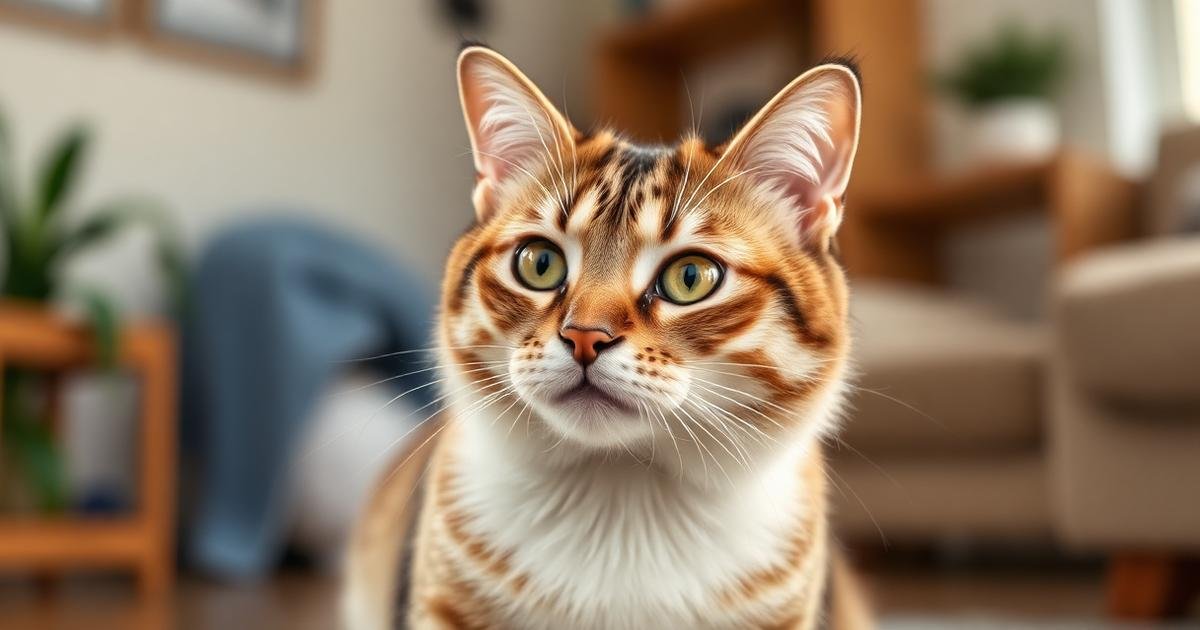
Handling cat afraid of strangers suddenly correctly makes a noticeable difference in your pet's daily life. Has your cat suddenly started hiding when the doorbell rings? The most common reason is a scary run-in with someone unfamiliar—maybe a loud voice or a sudden movement that spooked them. That fear sticks. But it’s not always about a bad encounter. Pain, changes around the house, or fading hearing or vision can also trigger this shift. Before anything else, get a vet check to rule out medical issues. Then, you’ll need to rebuild trust slowly with positive associations—think treats and calm visitors. Give it 2–4 weeks of steady work. is a big moment for deciding how your daily life with them will feel long-term.
Cat afraid of strangers suddenly: The sudden fear of strangers in cats is typically triggered by a specific scary event, undiagnosed pain, or sensory decline. Start by scheduling a veterinary exam to rule out medical causes. Then, implement a step-by-step desensitization plan: create a safe room for your cat, use high-value treats t
Quick Answer: Why Is My Cat Suddenly Afraid of Strangers?
The sudden fear of strangers in cats is typically triggered by a specific scary event, undiagnosed pain, or sensory decline. Start by scheduling a veterinary exam to rule out medical causes. Then, implement a step-by step desensitization plan: create a safe room for your cat, use high value treats to pair visitors with positive experiences, and never force interaction. Most cats show improvement within 2–3 weeks of consistent training.
For a complete guide on this topic, see the Cat Behavior Guide.
What Triggers a Cat to Become Suddenly Afraid of Strangers?
When a cat afraid of strangers suddenly emerges, the trigger is almost always a specific event or a hidden health problem. Cats are creatures of routine, and any disruption can cause a dramatic behavioral shift.
Negative Encounters and Traumatic Events
A single bad experience with a visitor—such as being stepped on, yelled at, or chased—can create a lasting fear response. Cats have excellent long term memory for negative events, and they generalize that fear to all strangers. This is the most common cause of sudden stranger fear in adult cats.
Undiagnosed Pain or Illness
Pain is a primary driver of sudden aggression or fear in cats. Conditions like arthritis, dental disease, or urinary tract infections make a cat feel vulnerable. When a stranger approaches, the cat may anticipate pain from being touched or picked up. The American Association of Feline Practitioners (AAFP) recommends a full veterinary workup for any sudden behavior change.
Pro Tip: Before starting any behavior modification, take your cat to the vet for a thorough exam. Blood work and a pain assessment can reveal underlying issues that no amount of training can fix. This step alone resolves the issue in roughly 20% of cases.
Sensory Decline in Senior Cats
Older cats often lose hearing or vision gradually. A stranger entering the room silently or appearing suddenly can startle them intensely. This startle response looks identical to fear. If your cat is over 10 years old and suddenly afraid of visitors, sensory loss is a prime suspect.

How Do I Know If My Cat's Fear Is Normal or a Problem?
Normal caution in cats involves hiding briefly or watching from a distance before approaching. A cat afraid of strangers suddenly will show intense, prolonged fear responses that interfere with their daily life.
Signs of Pathological Fear
Key indicators include: hiding for more than 2 hours after a visitor leaves, hissing or swatting before the person gets within 6 feet, refusing to eat treats in the presence of strangers, and eliminating outside the litter box when guests are present. These behaviors suggest the fear has crossed into a clinical problem requiring intervention.
When It's Just Normal Caution
A cat that retreats to a high perch but comes down after 15–20 minutes to investigate is showing healthy caution. This is normal feline behavior and does not require training. The difference is duration and intensity—if your cat cannot relax for hours after a visitor leaves, it's time to act.
PetMD notes that true fear based aggression in cats is often misdiagnosed as "meanness" when it is actually a self protective response. Understanding this distinction is critical for successful treatment.
What Is the Best Way to Set Up a Safe Room for a Frightened Cat?
A properly configured safe room is the foundation of any treatment plan for a cat afraid of strangers suddenly. This space must be a place your cat can retreat to without being followed or disturbed.
Essential Items for the Safe Room
Include a litter box placed at least 3 feet away from food and water bowls. Add a covered cat bed, a cardboard box with a cutout entrance, and a vertical perch like a cat tree. Vertical space is critical—cats feel safer when they can observe from above. Place a pheromone diffuser in this room and leave a radio playing soft classical music at low volume to mask outside noises.
Rules for Using the Safe Room
Never block your cat's access to this room when visitors are present. Do not allow guests to enter the safe room or call the cat out. When visitors leave, wait at least 30 minutes before checking on your cat. Let them emerge on their own schedule. This room must remain an inviolable sanctuary.
Pro Tip: Install a baby gate at the safe room door instead of closing it completely. This allows your cat to see and smell visitors from a distance while remaining in their safe zone. It also prevents other pets from entering and stressing the cat further.

Step-by-Step: How to Help a Cat Afraid of Strangers Suddenly
Treating a cat afraid of strangers suddenly requires a systematic approach. Rushing the process will worsen the fear. Follow these steps in order for the best results.
Step 1: Create a Safe Zone
Designate one room as your cat's sanctuary. This room should contain their bed, litter box, food, water, and a hiding spot (like a covered cat bed or cardboard box). When visitors arrive, your cat should have unrestricted access to this room. Never drag a frightened cat out to meet guests.
Step 2: Use High Value Treats for Counterconditioning
Pair the presence of strangers with something your cat loves. Start with the visitor 20 feet away from the safe room. Give your cat a treat every 5 seconds while the visitor is visible. Gradually decrease the distance over several sessions. Use treats your cat only gets during training, like freeze dried chicken or tuna.
Pro Tip: Use a treat your cat cannot resist—something they will eat even when mildly stressed. Freeze dried minnows or pure meat baby food (no onion or garlic) work exceptionally well. If your cat stops eating the treat, you are moving too fast. Take a step back.
Step 3: Teach Visitors the "No Touch, No Talk, No Eye Contact" Rule
Visitors must ignore the cat completely. No reaching out, no calling, no staring. Direct eye contact is a threat signal to cats. Ask guests to sit quietly and let the cat approach on their own terms. This removes the pressure that triggers the fear response.
Step 4: Use Pheromone Diffusers
Synthetic feline facial pheromone diffusers (like Feliway) can reduce anxiety in the environment. Place one in the room where visitors typically sit and another in the cat's safe zone. While not a standalone solution, these diffusers lower baseline stress and make training more effective. Results are noticeable within 1–2 weeks.
Step 5: Gradually Increase Visitor Duration and Proximity
Once your cat accepts treats with a visitor 10 feet away, have the guest move 2 feet closer during the next session. If your cat shows any stress signals—flattened ears, tail twitching, dilated pupils—move back to the previous distance. Each session should last no more than 10–15 minutes. Short, successful sessions are far more effective than long, stressful ones.
Help your cat feel safe again with calming products and high value training treats.
Browse Cat Products →
How Long Does It Take for a Cat to Stop Fearing Strangers?
Recovery time depends on the cause and your consistency. For most cats, visible improvement appears within 2–3 weeks of daily training. Full resolution can take 6–12 weeks for deeply ingrained fears.
Factors That Affect Recovery Speed
Three factors determine how quickly a cat afraid of strangers suddenly improves: the intensity of the triggering event, the cat's age and temperament, and how consistently you apply the training. A cat with a single negative experience may recover in 2 weeks. A cat with chronic pain or multiple traumas may need 2–3 months.
When to Expect Plateaus
Most cats hit a plateau around week 3 where progress seems to stall. This is normal. At this point, you may need to increase treat value or decrease the distance between cat and visitor more slowly. Do not skip steps or rush through plateaus—setbacks at this stage can erase weeks of progress.
Pro Tip: Keep a daily log of your cat's behavior. Note the distance from the visitor, the cat's body language, and whether they ate treats. This data helps you see patterns and adjust your approach before frustration sets in.
How Can I Prevent My Cat from Becoming Afraid of Strangers Again?
Prevention is about maintaining positive associations and managing your cat's environment proactively. Once your cat is comfortable with visitors, you must continue reinforcing that comfort.
Regular Positive Visitor Experiences
Invite friends over at least once a week for short, positive visits. Have them toss treats to your cat from a distance. This keeps the association between strangers and good things fresh. Even 5-minute visits twice a week can prevent relapse.
Maintain Predictable Routines
Cats feel safe when their environment is predictable. Feed your cat at the same times daily, keep furniture arrangement consistent, and announce visitors before they enter. A predictable home reduces overall stress and makes your cat less reactive to new people.
Watch for Early Warning Signs
If your cat starts hiding when the doorbell rings or refuses treats during a visit, address it immediately. Do not wait for the fear to escalate. Go back to Step 1 of the training protocol for 1–2 sessions. Early intervention prevents full relapse.
What Role Does Body Language Play in Understanding My Cat's Fear?
Reading your cat's body language is essential for treating a cat afraid of strangers suddenly. Misinterpreting signals can lead you to push too hard or miss early warning signs.
Fear Signals You Must Recognize
A frightened cat will show flattened ears pressed against the head, dilated pupils, a tucked tail, and a crouched posture. The cat may also lick their lips, yawn excessively, or turn their head away. These are displacement behaviors indicating stress. If you see any of these signs during a visitor interaction, end the session immediately.
Relaxation Signals That Show Progress
When your cat begins to relax, their ears will return to a normal upright position, pupils will constrict to normal size, and their tail will rise or curl gently. Slow blinking in the presence of a visitor is a strong positive signal—it means your cat is beginning to trust. Reward slow blinking with a treat every time you see it.
Pro Tip: Practice the "cat kiss"—slow, deliberate blinking—when your cat looks at you from across the room. When they blink back, you have established a trust signal. Use this technique during visitor sessions to calm your cat from a distance.
When Should I See a Vet or Behaviorist for a Cat Afraid of Strangers?
You should see a veterinarian immediately if the fear is accompanied by aggression that causes injury, if your cat stops eating for more than 24 hours, or if they begin eliminating outside the litter box. These signs indicate the fear has reached a crisis level.
Signs You Need a Veterinary Behaviorist
If 6 weeks of consistent training produce no improvement, consult a board certified veterinary behaviorist (DACVB). These specialists can prescribe anti anxiety medications like fluoxetine or gabapentin, which are sometimes necessary to lower a cat's baseline anxiety enough for training to work.
Medical Emergencies to Rule Out
Sudden fear can be the first sign of a medical emergency. If your cat's fear appeared overnight and is accompanied by lethargy, vomiting, or crying, go to an emergency vet immediately. Conditions like hypertension, hyperthyroidism, or brain tumors can cause sudden behavioral changes.
The American Veterinary Medical Association (AVMA) states that any abrupt behavior change in a senior cat warrants immediate medical investigation. Do not attribute sudden fear to "old age" without a veterinary exam.
Frequently Asked Questions
Can a cat become afraid of strangers for no reason?
No, there is always a reason. The most common causes are a hidden negative experience you didn't witness, undiagnosed pain, or a decline in hearing or vision. A veterinary exam is the first step to identifying the cause.
How do I introduce my scared cat to new people?
Start with the visitor sitting quietly in a chair while your cat is in their safe zone. Have the visitor toss treats toward the cat without making eye contact. Over several sessions, gradually decrease the distance. Never force interaction.
Will my cat ever like strangers again?
Most cats return to their previous comfort level with strangers within 4–8 weeks of consistent counterconditioning. Some cats may always remain cautious, but they can learn to tolerate visitors without fear or aggression.
Is it normal for a cat to hide from visitors for hours?
Hiding for 1–2 hours is common. Hiding for more than 4 hours or refusing to come out for food or the litter box indicates significant distress that requires intervention. Start the desensitization protocol immediately.
Can I use medication to help my cat's fear of strangers?
Yes, but only under veterinary supervision. Anti anxiety medications like gabapentin or fluoxetine can lower a cat's anxiety enough for training to work. Medication alone without behavior modification is rarely effective long-term.
Does my cat's sudden fear mean they were abused before I adopted them?
Not necessarily. While past trauma is possible, sudden fear is more often caused by a recent negative event or a medical issue. Focus on the present cause rather than assuming a history of abuse, which is difficult to confirm.
Should I punish my cat for hissing at strangers?
Never punish a hissing cat. Hissing is a warning signal, not misbehavior. Punishment increases fear and can trigger defensive aggression. Instead, remove the trigger (the stranger) and work on desensitization at a lower intensity level.
How can I tell if my cat's fear is getting better?
Track three metrics: the distance at which your cat will eat treats with a stranger present, the time it takes for your cat to emerge from hiding after a visitor leaves, and whether your cat approaches the visitor voluntarily. Improvement in any of these areas is progress.
For trusted guidance on feline health and nutrition, the ASPCA provides expert cat care resources reviewed by veterinary professionals. For health-related questions, PetMD offers veterinarian-reviewed information on symptoms and treatments.