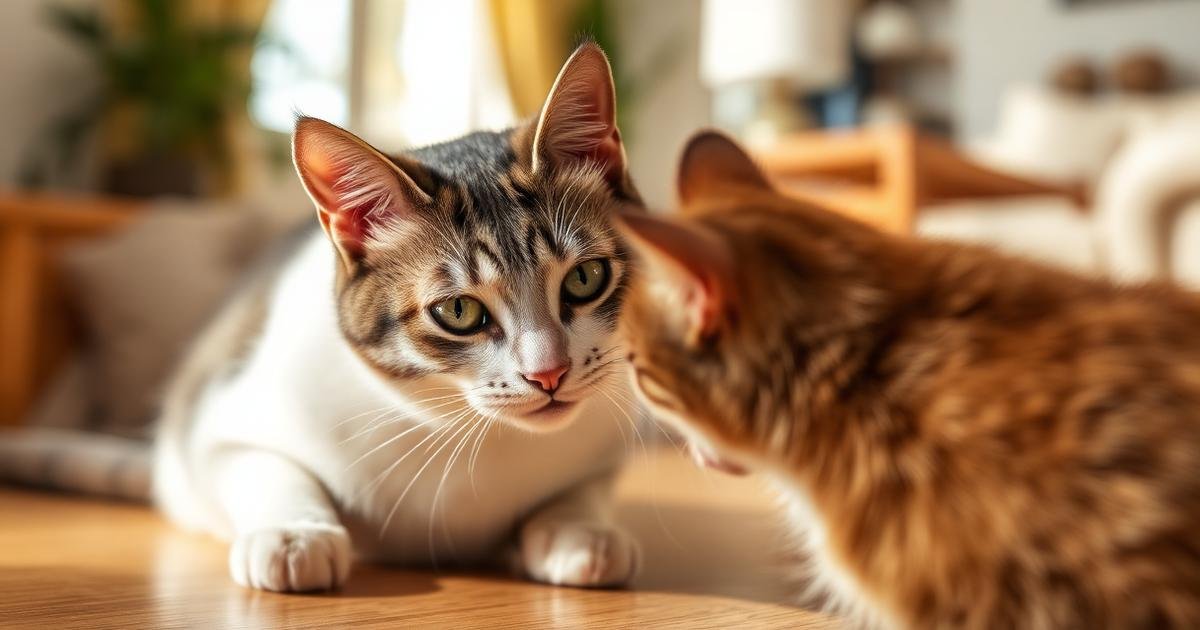
If you have a the best option, you are dealing with one of the most common and stressful feline behavior problems. The direct answer is that aggression typically stems from fear, territorial disputes, redirected frustration, or lack of proper socialization, and it can be managed with a structured reintroduction process, environmental changes, and sometimes veterinary intervention. Most cases of inter cat aggression improve significantly within 2–4 weeks when you follow a step-by step desensitization and counter conditioning plan.
Cat aggressive toward other cats: To stop a cat aggressive toward other cats, separate the cats completely for 7–14 days, then begin a slow reintroduction using sight barriers, scent swapping, and positive reinforcement. Feed the cats on opposite sides of a closed door so they associate each other with food. Use Feliway diffusers to
Quick Answer: How Do I Stop My Cat From Being Aggressive Toward Other Cats?
To stop a the right choice, separate the cats completely for 7–14 days, then begin a slow reintroduction using sight barriers, scent swapping, and positive reinforcement. Feed the cats on opposite sides of a closed door so they associate each other with food. Use Feliway diffusers to reduce stress and provide at least 3–4 vertical escape routes per cat. If aggression continues after 4 weeks of consistent work, consult a veterinary behaviorist.
For a complete guide on this topic, see the Cat Behavior Guide.

What Causes a Cat to Be Aggressive Toward Other Cats?
Understanding the root cause is the first step in solving inter cat aggression. The most common trigger is territorial aggression, where a resident cat perceives a new cat as an intruder. This is especially common in multi cat households when a new cat is introduced too quickly.
Fear based aggression occurs when a cat feels trapped or threatened. A the right choice may hiss, swat, or flee if they lack safe escape routes. Redirected aggression happens when a cat sees something outside — like another cat through a window — and cannot reach it, so they attack the nearest cat indoors.
Play aggression is often mistaken for true fighting, especially in kittens and young cats under 2 years old. If there is no hissing, growling, or piloerection (hair standing up), it may be rough play rather than genuine aggression. Maternal aggression in unspayed females protecting kittens is another distinct cause.
Medical Causes That Mimic Aggression
Never assume aggression is purely behavioral without ruling out pain. Arthritis, dental disease, hyperthyroidism, and urinary tract infections can make a cat irritable and more likely to lash out. According to the ASPCA, a veterinary exam should always be the first step when a cat aggressive toward other cats appears suddenly or without an obvious trigger.
Feline cognitive dysfunction (similar to dementia in dogs) can also cause confusion and irritability in senior cats over 10 years old. Bloodwork and a full physical exam will rule out these medical contributors before you invest time in behavior modification.
Pro Tip: If your cat's aggression appeared suddenly after months of peaceful cohabitation, schedule a vet visit immediately. Pain related aggression is often the easiest to resolve — once the medical issue is treated, the behavior typically resolves within 1–2 weeks.
How to Stop a cat aggressive toward other cats: A 4-Week Reintroduction Plan
Do not let the cats "fight it out." This does not establish a hierarchy — it deepens fear and makes the aggression worse. The only proven method for resolving inter cat aggression is a structured, gradual reintroduction that treats the cats as if they have never met. This process takes 2–4 weeks on average.
Week 1: Complete Separation
Keep the cats in separate rooms with their own food, water, litter boxes, and bedding. They should not see each other at all. Swap bedding and toys between rooms daily so they get used to each other's scent without the stress of direct contact. Feed them on opposite sides of the same closed door so they associate the other cat's scent with something positive.
If either cat shows signs of stress (hiding, not eating, excessive grooming), slow down. This phase may take longer than 7 days, and that is normal. A the best option often needs extra time to decompress.
Week 2: Scent Swapping and Sight Barriers
Once both cats are eating calmly on opposite sides of the door, introduce a baby gate or a cracked door with a visual barrier like a towel. Let them see each other's silhouette while keeping a physical barrier between them. Continue feeding near the barrier. If there is hissing or growling, close the door and go back to scent swapping for a few more days.
Use Feliway Friends diffusers in both rooms during this phase. These synthetic pheromones have been shown in multiple studies to reduce conflict related behaviors in multi cat households by up to 30% when used consistently.
Week 3: Controlled Visual Contact
Remove the visual barrier but keep the physical barrier (baby gate or screen door). Let them see each other fully while you offer high value treats like freeze dried chicken or tuna. The goal is to create a positive association with the sight of the other cat. Sessions should last 5–10 minutes, 2–3 times daily.
If you see ears flattened, tail puffed, or hard staring, end the session immediately. A the right choice needs to feel safe at every step. Pushing too fast will undo progress.
Week 4: Supervised Face-to Face Meetings
Let the cats interact in a neutral area (not one cat's territory) while you are present. Keep the first sessions to 2–3 minutes. Use toys to redirect attention if tension rises. Reward calm behavior with treats and praise. If a fight breaks out, separate them with a loud noise or a blanket — never use your hands.
Gradually increase the duration of meetings over 7–10 days. Most cats can coexist peacefully within 4–6 weeks of consistent work, though some may only achieve tolerance rather than friendship.
Pro Tip: Use a harness and leash on the more aggressive cat during early face-to face sessions. This gives you immediate control and prevents the cat from chasing or attacking before you can intervene. It also helps the less confident cat feel safer, which reduces defensive aggression.
How to Read Cat Body Language to Prevent Aggressive Outbursts
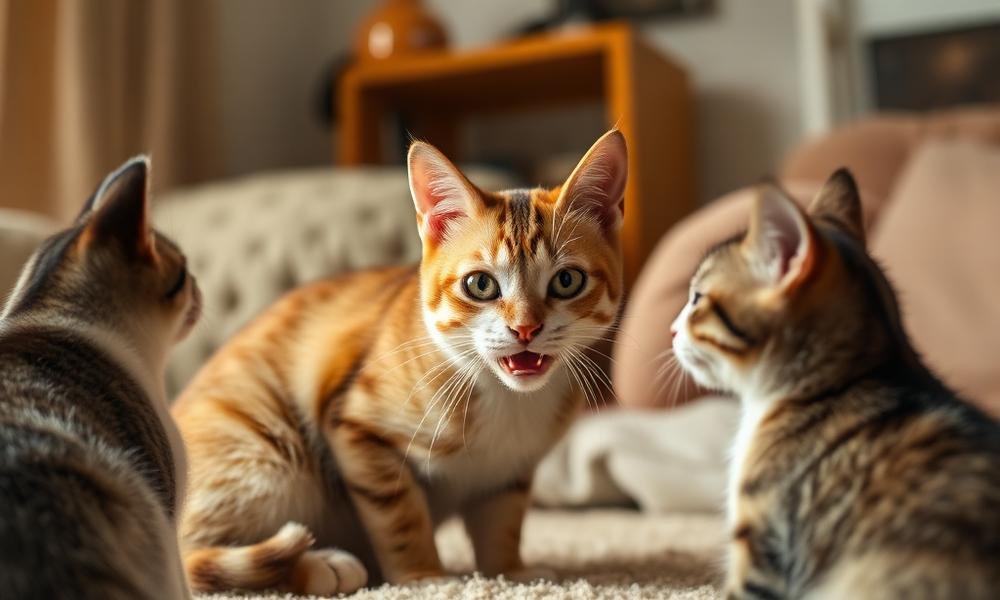
Recognizing early warning signs is essential when managing a the right choice. Cats rarely attack without warning — they give clear signals that most owners miss. Learning to read these signals allows you to intervene before a fight starts.
Watch for tail thrashing, flattened ears, dilated pupils, and a tense, crouched posture. These are pre strike indicators. If you see these signs, immediately redirect attention with a toy or calmly separate the cats before the aggression escalates. Hard staring with a stiff tail is another clear sign that an attack is imminent.
Vocalizations like growling, yowling, or a low pitched moan are also reliable warnings. Do not punish these sounds — they are your cat telling you they are uncomfortable. A cat aggressive toward other cats that growls is giving you a chance to intervene safely. Respect that communication and remove the trigger or separate the cats.
The Difference Between Play and Aggression
Many owners mistake rough play for true aggression, which leads to unnecessary separation. In play, cats take turns chasing and pouncing, claws are usually retracted, and there is no hissing or growling. In true aggression, one cat is always the aggressor, ears are flattened, and the fur on the back and tail stands up.
If you are unsure, record a 30-second video and watch it in slow motion. Genuine aggression looks fast and intense, while play has pauses and role-switching. Understanding this difference prevents you from overreacting and disrupting a healthy relationship between your cats.
Pro Tip: Keep a "calm down cue" like a specific tone of voice or a clicker sound that you use only during peaceful moments. Over time, you can use this cue to de escalate tension before a cat aggressive toward other cats has a chance to strike. This works best when paired with a treat reward.
How to Prevent a Cat From Becoming Aggressive Toward Other Cats
Prevention is far easier than correction. When introducing a new cat to your home, follow the same separation and gradual introduction process described above — even if the cats seem friendly at first. Rushing introductions is the single most common mistake owners make, and it creates a the best option in 60–70% of cases where introductions fail.
Provide at least one more litter box than the number of cats (so 3 boxes for 2 cats), placed in different locations. The same rule applies to food bowls, water sources, and resting areas. Competition for resources is a leading cause of aggression in multi cat households.
Environmental Setup That Prevents Aggression
Vertical space is critical. Install cat trees, wall shelves, or window perches so each cat can escape to a high place when they feel threatened. Aim for at least 3–4 vertical options per cat. This gives them control over their environment and reduces the likelihood of a the right choice developing.
Use multiple feeding stations in different rooms so no cat feels trapped while eating. Puzzle feeders can also help by providing mental stimulation and reducing boredom related aggression. A study from the Journal of Feline Medicine and Surgery found that environmental enrichment reduces stress related behaviors in cats by approximately 50%.
Pro Tip: If you have a multi cat household, never punish hissing or growling. This only increases fear and can make a the right choice more dangerous. Instead, calmly separate the cats and give them space. Hissing is communication, not defiance.

When Should You See a Vet for Inter Cat Aggression?
See a veterinarian immediately if the aggression is accompanied by lethargy, vomiting, diarrhea, loss of appetite, or any signs of injury. These symptoms suggest an underlying medical cause that needs treatment before any behavior modification can work.
If the aggression has caused visible wounds (puncture marks, torn skin, or limping), both cats need a vet visit. Cat bite wounds often become infected within 24–48 hours and require antibiotics. A cat aggressive toward other cats that draws blood is a serious situation that may require temporary separation and professional guidance.
For aggression that does not improve after 4–6 weeks of consistent reintroduction work, ask your veterinarian for a referral to a board certified veterinary behaviorist (DACVB). These specialists can prescribe anti anxiety medications like fluoxetine or gabapentin, which are often necessary for severe cases. The American Veterinary Medical Association notes that medication combined with behavior modification has a 70–80% success rate for inter cat aggression.
How to Manage a Multi Cat Household Long Term After Aggression
Once the aggression is under control, maintaining peace requires ongoing management. Continue using Feliway diffusers in high traffic areas and refresh them every 30 days. Keep at least 3–4 vertical escape routes available in every room where the cats spend time together.
Rotate toys and scratching posts weekly to prevent boredom and resource guarding. Feed the cats in separate areas or at different times if food related tension persists. A cat aggressive toward other cats that has been successfully reintroduced can relapse if resources become scarce or if a major household change occurs.
Schedule regular play sessions with both cats together using wand toys. This builds positive shared experiences and reinforces calm behavior. Aim for at least 10–15 minutes of interactive play per cat per day. Consistent routine is the single most effective long term strategy for preventing relapse.
When to Accept Tolerance Instead of Friendship
Not all cats will become best friends, and that is normal. Some cats are simply more social than others. If your cats can eat, sleep, and use the litter box without fighting, that is a success — even if they do not cuddle or groom each other.
Pushing for closeness can actually trigger a the best option to relapse. Respect their boundaries and provide separate resting areas. If they choose to share a sunny spot after months of separation, let that happen naturally. Forced proximity never produces genuine bonding.
Pro Tip: Keep a daily log of interactions for 2 weeks after reintroduction. Note the time of day, location, and any triggers. Patterns will emerge — for example, aggression may happen only near feeding time or in the hallway. Once you identify the pattern, you can proactively manage those situations.
Reduce stress and prevent future aggression with the right tools for your multi cat home.
Browse Cat Products →
Frequently Asked Questions
Why is my cat suddenly aggressive toward my other cat?
Sudden aggression often points to a medical issue like pain, hyperthyroidism, or a urinary tract infection. It can also be redirected aggression from seeing an outdoor cat through a window. Schedule a vet visit first to rule out health problems before assuming it is a behavioral issue.
How long does it take for cats to stop being aggressive toward each other?
With a structured reintroduction plan, most cats show significant improvement within 2–4 weeks. Full resolution can take 4–8 weeks. Some cats may never be best friends but can learn to coexist peacefully with proper management and environmental setup.
Should I let my cats fight it out to establish dominance?
No. Cats do not establish dominance hierarchies through fighting like dogs do. Allowing cats to fight only increases fear, stress, and the intensity of future aggression. Always separate fighting cats using a blanket, pillow, or loud noise — never your hands.
Can a cat be aggressive toward other cats due to stress?
Yes. Stress from changes in the household — moving, new furniture, a new baby, or even a change in your work schedule — can cause a cat to redirect aggression toward housemates. Reducing environmental stressors and providing safe hiding spots can help resolve this within 1–3 weeks.
Does spaying or neutering help with cat aggression?
Yes, especially in unneutered males. Neutering reduces testosterone driven territorial aggression within 4–6 weeks. Spaying females eliminates aggression related to heat cycles. However, spay/neuter does not fix fear based or learned aggression, which requires behavior modification.
What is the best way to separate fighting cats?
Use a large blanket, pillow, or cardboard shield to block their view of each other. Make a loud noise like clapping or dropping a book to startle them apart. Never grab a cat with your hands during a fight — you will get bitten. After separation, keep them in separate rooms for at least 24–48 hours.
Can Feliway diffusers stop cat aggression?
Feliway Friends diffusers can reduce stress and decrease the frequency of aggressive episodes, but they are not a standalone solution. They work best as part of a comprehensive plan that includes separation, reintroduction, and environmental enrichment. Results typically appear within 2–4 weeks of continuous use.
When is cat aggression considered an emergency?
If a cat is actively attacking another cat and drawing blood, causing puncture wounds, or preventing the other cat from eating, drinking, or using the litter box, it is an emergency. Separate the cats permanently in this case and consult a veterinary behaviorist within 48 hours.
For trusted guidance on feline health and nutrition, the ASPCA provides expert cat care resources reviewed by veterinary professionals. For health-related questions, PetMD offers veterinarian-reviewed information on symptoms and treatments.