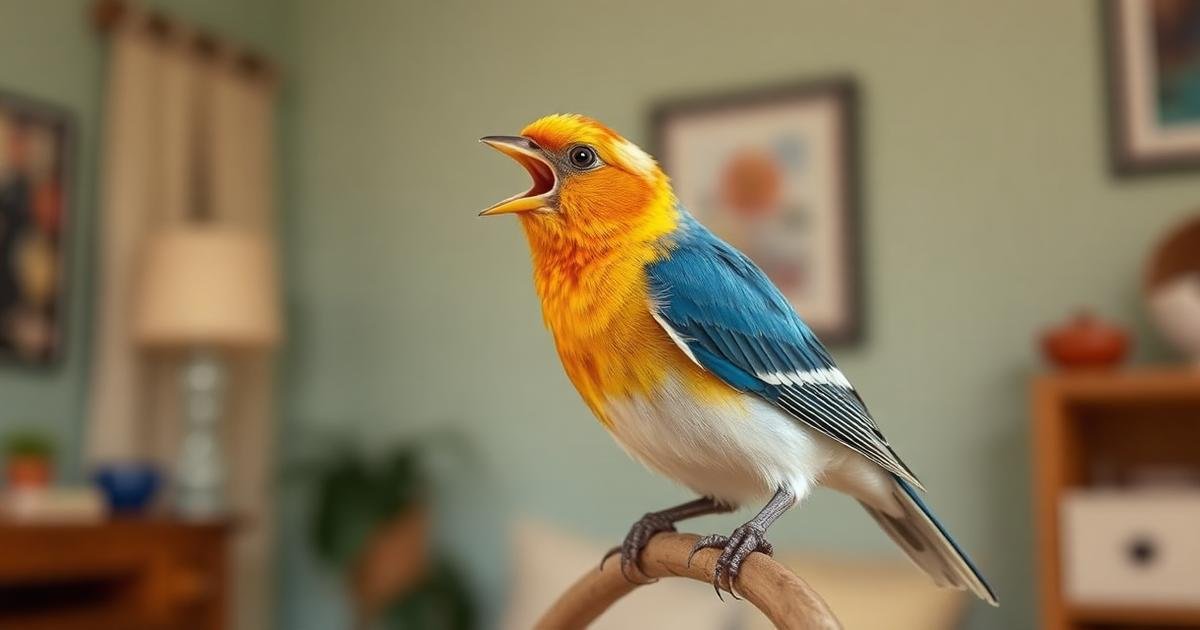
If you're asking yourself "why does my bird scream all the time," the short answer is that screaming is a natural form of communication for birds, but when it becomes constant, it usually signals an unmet need—like boredom, loneliness, fear, or a disrupted routine. Your bird isn't trying to be difficult; it's telling you something is wrong. In most cases, excessive screaming can be reduced within 2–4 weeks by addressing the root cause rather than punishing the behavior.
Why does my bird scream all the time: Your bird screams constantly because it's trying to communicate an unmet need—most commonly boredom, loneliness, lack of stimulation, or a disrupted daily routine. Birds are social creatures who use vocalizations to signal distress or demand attention. The solution isn't punishment; it's identifying
Quick Answer: Why does my bird scream all the time?
Your bird screams constantly because it's trying to communicate an unmet need—most commonly boredom, loneliness, lack of stimulation, or a disrupted daily routine. Birds are social creatures who use vocalizations to signal distress or demand attention. The solution isn't punishment; it's identifying and fixing the underlying cause, which typically resolves within 2–4 weeks with consistent daily effort.
For a complete guide on this topic, see the Pet Bird Care Guide.
This why does my bird scream all the time decision works best when the owner compares daily fit, tolerance, and practical consistency together.
Is screaming normal bird behavior, or is something wrong?
Birds are naturally vocal animals. In the wild, they scream to locate flock members, warn of predators, and defend territory. Your pet bird retains these instincts. Short, periodic screaming—especially at dawn and dusk—is completely normal and should last no more than 5–10 seconds at a time.
The problem starts when screaming becomes your bird's primary behavior throughout the day. According to the ASPCA behavior resources, excessive vocalization in parrots and other companion birds often indicates an environmental or emotional issue rather than a medical one. If your bird screams for more than 15–20 minutes at a stretch, multiple times daily, something needs attention.
That said, always rule out physical causes first. Pain, illness, or injury can trigger constant screaming. If the behavior started suddenly with no environmental change, schedule a vet visit. The AVMA pet owner resources recommend a full checkup for any abrupt behavioral shift, including blood work to rule out infections or heavy metal toxicity.
Pro Tip: Keep a log for 3 days. Note the time, duration, and what was happening before each screaming episode. Patterns will reveal whether the cause is boredom, attention-seeking, or something else entirely.
What are the most common reasons for constant bird screaming?
Understanding why does my bird scream all the time starts with recognizing the five most frequent triggers. Nearly all cases fall into one of these categories, and many birds have multiple triggers working together.
Boredom and lack of enrichment
Birds are intelligent animals that need mental stimulation. A bird stuck in a bare cage with the same three toys for months will scream out of sheer boredom. Studies indicate that parrots in enriched environments show 60–research suggests 70% fewer stress behaviors, including screaming, within just 2–3 weeks of enrichment changes.
Rotate toys weekly, never all at once—keep 2–3 familiar favorites while introducing 1–2 new items. Offer foraging opportunities: hide treats in paper cups, cardboard tubes, or puzzle toys. At least 2–3 hours of out-of cage time daily is ideal for most medium to large parrots, with smaller birds needing 1–2 hours of supervised freedom.
Loneliness and social isolation
Birds are flock animals. If you're away at work all day and your bird is alone, it will scream to try and locate its "flock"—you. This is especially common in single bird households. The screaming often intensifies when you're in another room or just out of sight, because your bird can hear you but can't see you.
Consider leaving a radio or TV on at low volume tuned to talk shows or classical music. Some birds benefit from a companion bird, but that's a major commitment requiring separate cages, gradual introductions over 2–4 weeks, and potential rehoming if they don't get along. At minimum, ensure you're spending 1–2 hours of focused one-on one time with your bird daily, with undivided attention.
Attention seeking behavior
Here's the tricky part: if you rush to your bird every time it screams, you've accidentally trained it that screaming works. Birds learn fast. Even negative attention—yelling, covering the cage, or stomping over—reinforces the behavior because the bird got a reaction. Your bird would rather have angry attention than no attention at all.
The key is to reward quiet behavior instead. When your bird is calm, offer a treat or gentle praise within 2–3 seconds. When it screams, wait for 3–5 seconds of silence before responding. This takes patience but works within 1–2 weeks if you're consistent every single time, with no exceptions.
Fear or environmental stress
Loud noises, new pets, construction outside, or even a moved cage can trigger fear based screaming. Birds have excellent hearing and notice changes you might not—a new shadow from a tree branch, a different smelling cleaning product, or a neighbor's dog barking two houses away. A scared bird screams to alert the flock—in this case, you.
Identify the stressor if possible. Move the cage to a quieter area, away from windows facing busy streets or where predators like cats can stare. Use a cage cover at night to create security and block out sudden lights. The PetMD condition guides note that chronic stress can also suppress a bird's immune system, so addressing fear is both behavioral and medical.
Hormonal changes
During breeding season—typically spring and fall—hormones can make birds more vocal, territorial, and irritable. This is temporary but can last 4–8 weeks. Limit trigger foods like warm, soft, high fat items such as cooked pasta, eggs, or warm oatmeal. Reduce petting below the neck, which can stimulate hormonal behavior and egg laying urges.
Pro Tip: If your bird only screams when you're on the phone or watching TV, it's likely jealous of your attention being elsewhere. Try including your bird in the activity—talk to it during calls or let it watch TV with you from a perch on your shoulder.
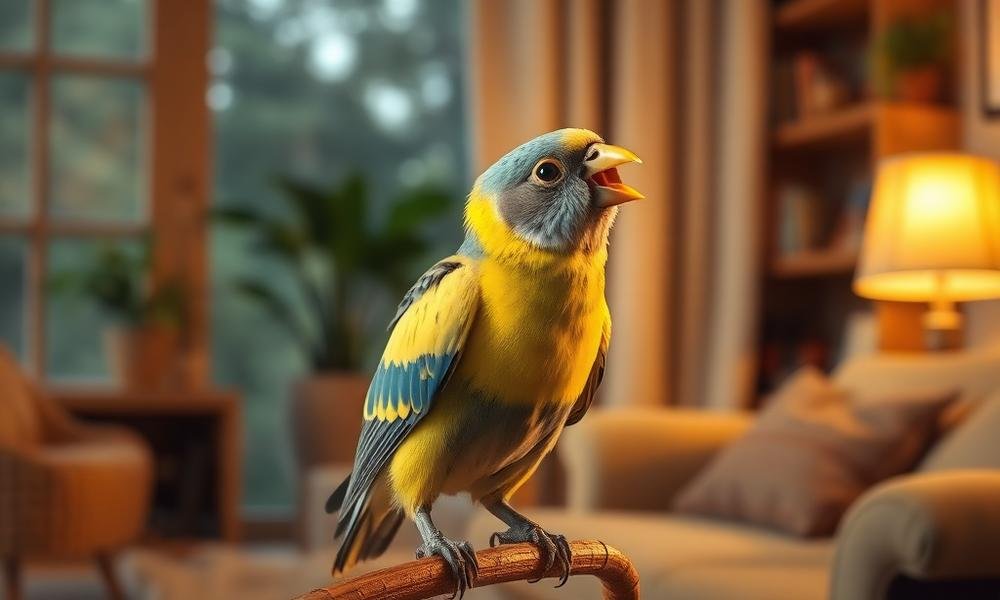
How does your daily routine affect your bird's screaming?
Your bird thrives on predictability. Irregular routines—different wake up times, inconsistent feeding schedules, or unpredictable out-of cage time—can trigger anxiety that manifests as screaming. Birds are creatures of habit who feel secure when they know what comes next.
Establish a consistent daily schedule. Wake your bird at the same time each morning, cover the cage at the same time each night, and feed meals at set intervals. Even weekend sleep ins can confuse your bird and trigger morning screaming. Within 1–2 weeks of a consistent routine, many birds show 40–research suggests 50% less anxiety related vocalization.
Your departure and return routines matter too. If you make a big fuss when leaving, your bird learns to associate your departure with stress. Instead, leave calmly without prolonged goodbyes. When you return, wait 2–3 minutes before greeting your bird so it learns that your comings and goings are no big deal.
Pro Tip: Record your bird's screaming times on a calendar for 7 days. You'll likely see a clear pattern—screaming peaks at the same times each day. Adjust your routine to address those specific moments with enrichment or attention.
What should you do when your bird starts screaming?
When your bird starts screaming, your first instinct might be to yell back or cover the cage. Don't. Both responses can make the behavior worse and damage your bond. Instead, use this step-by step approach every single time.
Step 1: Check the basics. Is the food bowl empty? Is the water fresh? Is the bird too hot or cold? Sometimes the solution is as simple as refilling a bowl or adjusting room temperature by 2–3 degrees. Check within 30 seconds—don't let your bird scream for minutes while you investigate.
Step 2: Assess the environment. Is there a loud noise outside? A new person in the room? A cat staring at the cage? Remove or address the trigger if possible. If you can't remove it—like construction noise—move the bird to a quieter room or turn on white noise at low volume.
Step 3: Offer positive redirection. Hand your bird a toy, start a training session, or offer a favorite treat the moment there's a 2–3 second pause in screaming. This shifts the bird's focus from screaming to a constructive activity. It also teaches that quiet behavior gets rewards, while screaming gets ignored.
Step 4: Ignore the scream, reward the silence. If the screaming continues after checks and redirection, leave the room for 30–60 seconds. Return only when the bird is quiet for at least 3–5 seconds. Repeat consistently every single time. Within 1–2 weeks, your bird will learn that screaming makes you leave, not come.
For persistent cases, consult an avian behaviorist. The AKC behavior guides (applicable to birds through similar positive reinforcement principles) emphasize that consistency is the single most important factor in modifying any animal's behavior—even one slip up can set you back days.
| Screaming Pattern | Likely Cause | What to Try First |
|---|---|---|
| Constant all day | Boredom or loneliness | Add foraging toys, increase out-of cage time to 2–3 hours |
| Only when you leave the room | Separation anxiety | Leave radio on, practice short 1–2 minute departures |
| At specific times (dawn/dusk) | Natural flock calling | Cover cage partially, create a consistent routine |
| Sudden onset with no trigger | Pain, illness, or fear | Vet checkup within 48 hours, then environmental audit |
| During phone calls or TV | Jealousy or attention-seeking | Include bird in activity, reward quiet behavior with treats |
| After you've been gone all day | Reunion excitement or frustration | Greet calmly, wait 2–3 minutes before interacting |

How long does it take to stop a bird from screaming constantly?
The timeline depends on the cause and your consistency. For simple boredom or attention-seeking, you'll see noticeable improvement within 1–2 weeks of daily effort. For deeper issues like fear, hormonal changes, or long standing habits, expect 3–6 weeks of consistent work before screaming drops by research suggests 50% or more.
Birds that have been screaming for months or years have deeply ingrained habits. These take longer to break—think 6–10 weeks of daily training. The good news is that birds are adaptable and learn quickly when rewards are consistent. Even chronic screamers can learn quieter behaviors within 8 weeks if you stick with it.
Track progress weekly with a simple tally of screaming episodes per day. If you see no improvement after 4 weeks of consistent effort, revisit the possibility of a medical issue or consult an avian behavior specialist. Some birds may also benefit from calming products like pheromone diffusers or vet prescribed supplements, but these should never replace behavioral fixes—they're support tools, not solutions.
Pro Tip: Record a 2-minute video of your bird's screaming behavior and show it to your avian vet. They can often spot subtle signs of illness or stress—like feather fluffing, tail bobbing, or eye pinning—that you might miss in the moment.
What should you never do when your bird screams?
Mistakes can set you back weeks or even months. Avoid these common errors at all costs, no matter how frustrated you feel.
Never yell back. Your bird interprets yelling as you joining the screaming. It reinforces the behavior and increases the bird's stress level. You're essentially teaching it that screaming is a group activity, and now you have two screamers instead of one.
Never cover the cage as punishment. Covering the cage should be a signal for sleep—12–14 hours of uninterrupted darkness—not a disciplinary action. Using it as punishment creates negative associations with the cover and can cause nighttime fear, night frights, and more screaming after dark.
Never spray water or use physical force. This damages trust and can cause lasting fear based aggression. Birds remember negative experiences for years. One bad incident—a spray bottle blast or a swat—can undo months of positive training and make your bird afraid of your hands.
Never give in after ignoring. If you ignore screaming for 10 minutes but then give attention, you've taught your bird that screaming for 10 minutes works. Consistency is everything. If you start ignoring, you must follow through every single time, even if it takes 20 minutes of screaming before 3 seconds of silence.
How can you bird proof your home to reduce screaming triggers?
Your home environment directly impacts your bird's vocalization. A bird in a stressful or understimulating environment will scream more, regardless of your training efforts. Bird proofing isn't just about safety—it's about creating a calm, engaging space that meets your bird's needs.
Start with cage placement. Position the cage against a wall in a high traffic area where your bird can see family activities, but not directly in front of a window where outside movement (cars, people, predators) can trigger alarm calls. One side of the cage should be against a wall for security. Avoid placing the cage in the kitchen where fumes from non stick cookware can be lethal.
Create a "safe zone" in a quiet room where your bird can retreat when overwhelmed. This could be a separate cage or a play stand in a bedroom. When noise levels spike—vacuuming, parties, thunderstorms—move your bird to this safe zone with a favorite toy and a partial cage cover for comfort.
Manage light cycles carefully. Birds need 10–12 hours of darkness for proper rest. Use blackout curtains or a cage cover to ensure complete darkness. Even a nightlight or streetlight filtering through curtains can disrupt sleep and trigger dawn screaming. A well rested bird screams 30–research suggests 40% less than a sleep deprived one.
Pro Tip: Place a mirror near your bird's cage—but not inside it. Some birds become aggressive toward their reflection. A small mirror outside the cage lets your bird see movement in the room without the stress of a perceived rival.
Ready to quiet the chaos? Find enrichment toys, foraging puzzles, and calming aids that actually work.
Browse Bird Care Options →
Frequently Asked Questions
Why does my bird scream all the time even when nothing seems wrong?
Birds often scream because they're bored, lonely, or seeking attention—even if everything looks fine to you. A bird with plenty of food and a clean cage can still be understimulated. Try adding foraging toys, increasing out-of cage time to 2–3 hours daily, and rewarding quiet behavior for 1–2 weeks before assuming there's no cause. If nothing changes, schedule a vet checkup to rule out hidden illness.
Can screaming be a sign of illness in birds?
Yes, sudden or constant screaming can indicate pain, illness, or injury. If the behavior appeared abruptly with no environmental change, schedule a vet visit within 48 hours. Birds instinctively hide illness, so persistent screaming may be one of the few signs something is wrong physically. Common medical causes include respiratory infections, heavy metal toxicity, and egg binding in females.
Will getting another bird stop the screaming?
Sometimes, but not always. A companion bird can reduce loneliness related screaming, but it can also double the noise if both birds are screamers. Introducing a second bird is a major commitment that requires quarantine for 30–45 days, gradual introductions over 2–4 weeks, and potential rehoming if they don't get along. Only consider this after you've exhausted other solutions.
How do I tell the difference between normal flock calling and problem screaming?
Normal flock calling is short—typically 5–10 seconds—and happens at predictable times like dawn, dusk, or when you enter or leave the room. Problem screaming is prolonged (15+ minutes), happens frequently throughout the day, and doesn't stop when you respond appropriately. Normal calls sound conversational; problem screaming sounds urgent, repetitive, and stressed.
What's the fastest way to stop a screaming bird in the moment?
The fastest safe method is positive redirection: offer a favorite toy, start a training session, or give a treat for even 2–3 seconds of silence. Never yell, cover, or spray. If redirection doesn't work within 30 seconds, leave the room for 30–60 seconds and return only when the bird is quiet for at least 3–5 seconds. Repeat consistently every time.
Do certain bird species scream more than others?
Yes. Cockatoos, macaws, and conures are known for being more vocal and prone to screaming habits. African greys and Amazons are also prone to screaming if understimulated. Budgies and cockatiels are generally quieter but can develop screaming habits too, especially if lonely. Research your species' typical vocalization level before bringing a bird home, and choose a species that matches your tolerance for noise.
How many hours of sleep does a bird need to prevent screaming?
Most companion birds need 10–12 hours of uninterrupted, complete darkness each night. Sleep deprivation is a common but overlooked cause of screaming. Birds that get less than 10 hours of darkness are more irritable, hormonal, and vocal. Use a cage cover and blackout curtains to ensure total darkness, and maintain a consistent bedtime and wake up time every day, including weekends.
Can diet affect my bird's screaming behavior?
Yes, diet plays a significant role. High sugar treats, excessive seed mixes, and fatty foods can cause energy spikes and hormonal surges that increase vocalization. A balanced diet of 60–research suggests 70% high quality pellets, 20–research suggests 30% fresh vegetables, and research suggests 10% fruits and treats supports stable energy levels and reduces hormonal screaming. Avoid warm, soft, high fat foods during breeding seasons.
Learn more in our detailed guide on what is the best pet bird for a beginner.