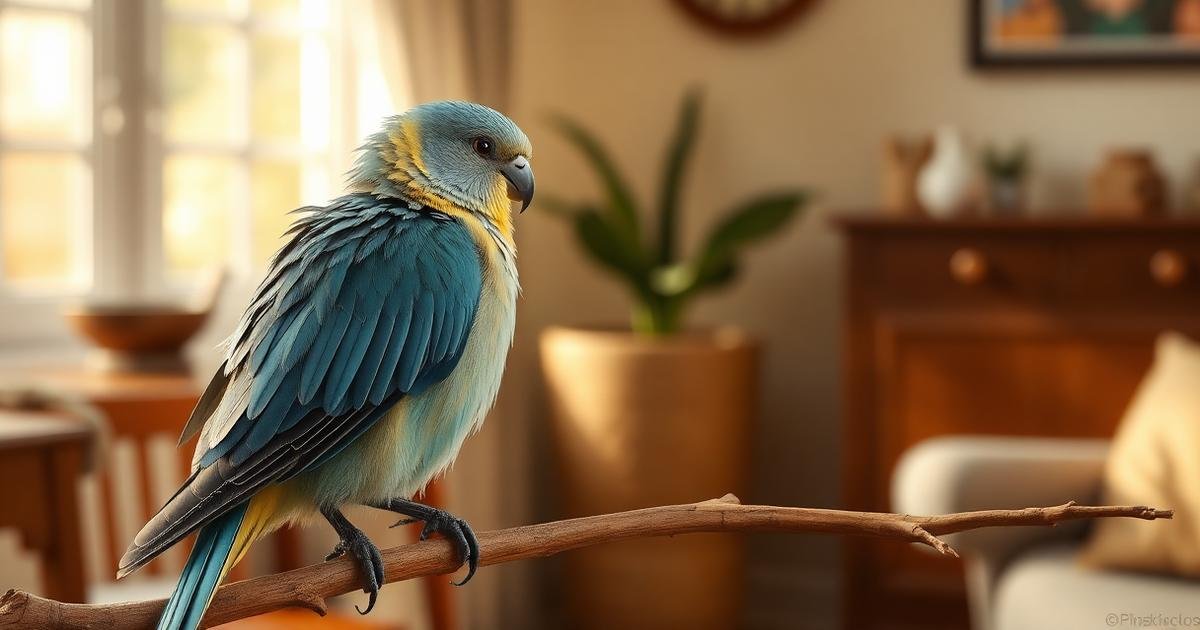
Building trust with a bird requires patience, consistency, and understanding of avian body language. If you're wondering the best option, the answer starts with respecting their boundaries and moving at their pace — not yours. Within 2-4 weeks of daily, gentle interaction, most birds will begin to show signs of trust, such as accepting treats from your hand or leaning toward you. This process is not about dominance; it's about building a positive association between your presence and safety.
How do I get my bird to trust me: To earn your bird's trust, start by sitting quietly near their cage for 10-15 minutes daily, speaking softly and offering favorite treats through the bars. Never force interaction — let your bird approach you first. Within 2-3 weeks of consistent, gentle sessions, most birds will step onto your hand
Quick Answer: how do I get my bird to trust me?
To earn your bird's trust, start by sitting quietly near their cage for 10-15 minutes daily, speaking softly and offering favorite treats through the bars. Never force interaction — let your bird approach you first. Within 2-3 weeks of consistent, gentle sessions, most birds will step onto your hand willingly. The key is patience: move at your bird's pace, not your own.
For a complete guide on this topic, see the Pet Bird Care Guide.
Why won't my bird trust me yet?
Birds are prey animals, and their survival instincts make them naturally cautious. When you reach into their cage too quickly or make sudden movements, their brain registers you as a potential predator. This isn't stubbornness — it's biology.
Common trust breaking mistakes include grabbing at your bird, forcing them onto your hand, or moving furniture around their cage without warning. Even something as simple as wearing bright colors or strong perfume can trigger fear in sensitive species like parakeets or cockatiels. Your bird's past experiences also play a huge role.
According to the ASPCA's behavior resources, trust issues often stem from the bird's history. A rescue bird may have been mishandled, while a hand fed baby might simply need time to adjust to your specific voice and scent. Understanding this helps you avoid taking fearful behavior personally.
Pro Tip: If your bird freezes or flattens its feathers when you approach, stop immediately. That's a fear response — pushing through it will set your progress back by weeks. Back up and try again from a greater distance.
What's the first step to building trust with my bird?
Start with what experts call "neutral presence." Sit next to your bird's cage at eye level for 10-15 minutes, 2-3 times daily. Don't stare directly at them — birds interpret direct eye contact as a threat. Instead, look at them with soft, blinking eyes or look slightly to the side. This simple adjustment can dramatically reduce your bird's anxiety.
Read a book aloud, hum softly, or simply talk in a calm, low voice. Your goal in week one is simply to show your bird that your presence doesn't mean danger. The AKC's training principles apply here too: positive association is everything. Your bird needs to learn that you bring good things, not harm.
During these sessions, offer a high value treat through the cage bars. Millet spray for small birds, a single almond slice for larger parrots, or a small piece of apple works well. Let your bird take the treat without trying to touch them. This builds a powerful link between your hand and something delicious.
Consistency is critical here. Missing even 2-3 days can reset your progress by a week. Set a daily alarm and stick to your sessions like a non negotiable appointment. Your bird will learn to anticipate your visits with positive excitement rather than fear.
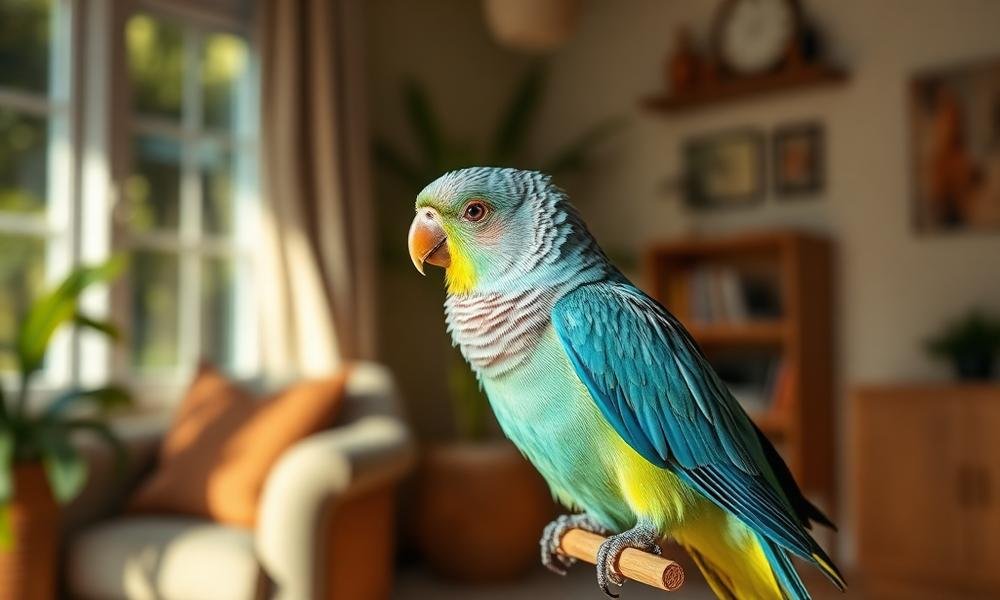
How do I know when my bird is ready for hand training?
Your bird will give you clear signals when they're ready to progress. Watch for these trust indicators: your bird eats calmly while you're nearby, leans toward you, fluffs up its feathers (a relaxed posture), or makes soft, content sounds like grinding its beak. These are all green lights to move forward.
Once your bird eagerly takes treats from your fingers through the bars, you can open the cage door and offer treats from the doorway. Keep your hand still and low — never above your bird's head, as this mimics a predator's strike position. A hand below the beak feels safe; a hand above feels threatening.
| Bird's Behavior | What It Means | Your Next Step |
|---|---|---|
| Bites or lunges | Fear or territorial aggression | Back up, slow down, return to neutral presence for 1-2 weeks |
| Ignores treats | Not comfortable enough yet | Try different treats, sit farther away, speak softer |
| Takes treat but retreats | Building confidence | Keep sessions short, celebrate small wins |
| Steps onto hand willingly | Trust established | Start short out-of cage sessions in a safe room |
Pro Tip: Use a consistent phrase like "step up" every time you offer your hand. Birds learn verbal cues quickly — within 1-2 weeks, your bird will associate those words with a safe, rewarding action. Choose one phrase and never change it.
What environment helps a bird feel safe enough to trust?
Your bird's cage placement matters more than most owners realize. Place the cage against a wall rather than in the center of a room. Birds feel vulnerable when they have no escape route, and a wall provides security. Never put the cage in a high traffic area like a hallway or kitchen.
Cover the back and sides of the cage with a towel or cage cover to create a "safe zone." This simple change reduces visual stress by about research suggests 50% for most birds. Your bird needs one corner where they can retreat and feel completely hidden from view.
Temperature and noise levels also affect trust-building. Keep the room between 65-80°F (18-27°C) and avoid loud music, vacuuming, or shouting near the cage. Birds have hearing up to 4 times more sensitive than humans — what sounds normal to you can be terrifying to them.
Provide at least 2-3 perches at different heights inside the cage. Birds feel safest when they can choose their elevation. A bird perched high feels more secure and confident, making them more receptive to trust exercises. The AVMA's pet owner resources emphasize that environmental enrichment directly impacts behavioral outcomes.
Pro Tip: Play soft classical music or nature sounds at low volume during trust sessions. Many birds find this calming and it masks sudden household noises that might startle them. Within a week, your bird may associate this music with safety.
How do I use target training to build trust faster?
Target training is one of the most effective trust building techniques for birds. You'll need a "target stick" — a chopstick or wooden skewer with a colored tip. The goal is to teach your bird that touching the target with their beak earns a treat. This creates a positive, low pressure interaction.
Hold the target stick 2-3 inches from your bird's beak through the cage bars. The moment your bird looks at or touches the target, say "yes!" and offer a treat. Repeat this 5-10 times per session. Within 3-5 days, your bird will eagerly touch the target on command.
Once your bird reliably touches the target, you can use it to guide them toward your hand. Place the target near your hand, then gradually move it so your bird must step onto your hand to reach the target. This indirect approach feels much safer than direct hand pressure.
Target training works especially well for nervous birds because it gives them control. They choose to participate, and each success builds confidence. Birds trained with target methods typically trust their owners 2-3 weeks faster than birds trained with traditional handling alone.
Ready to create the perfect trust building environment for your bird?
Browse Bird Care Options →
How long does it take for a bird to fully trust you?
Most birds show basic trust — taking treats and stepping up — within 2-4 weeks of daily training. But full, deep trust where your bird actively seeks your company and cuddles can take 3-6 months or longer. Rescued birds with trauma may need 6-12 months of consistent work before they feel completely safe.
Species matters too. Budgies and cockatiels often trust faster, sometimes within 1-2 weeks. Larger parrots like African greys or macaws are more cautious and may need 2-3 months before they feel safe stepping onto your hand. The PetMD condition guides note that hormonal cycles can also temporarily affect trust — don't take it personally when your bird seems distant during breeding season.
Age plays a role as well. Hand fed babies under 6 months old typically trust humans within days. Adult birds who've never been handled may take significantly longer. The key is consistency — missing even 2-3 days can set you back a week. Your bird is always watching and learning from your behavior.
Set realistic expectations from day one. If you expect a fully bonded bird in 2 weeks, you'll feel frustrated and may rush the process. If you expect 3-6 months of steady progress, every small step forward will feel like a victory. Patience isn't just a virtue here — it's the actual mechanism that builds trust.
What if my bird bites me while I'm trying to build trust?
A bite doesn't mean your bird hates you. It means your bird felt threatened or surprised. Never yell, jerk your hand away, or punish your bird for biting — this confirms their fear and teaches them that biting works to make you go away. Your reaction determines whether the biting escalates or stops.
Instead, remain completely still. A still hand is boring and non-threatening. Once your bird releases, calmly end the session and try again the next day. Most bites happen because you moved too fast, your hand was too high, or your bird was protecting its cage territory. Identify the trigger and adjust.
If biting is frequent, step back to the previous stage of trust-building. Go back to offering treats through the bars for 3-5 days before trying hand training again. The AVMA's pet owner resources recommend consulting an avian veterinarian if biting persists, as pain or illness can cause aggression. A bird in pain cannot trust.
Distinguish between different types of bites. A quick, hard bite means fear. A gentle nibble or "beaking" is exploratory — your bird is testing your texture. A slow, deliberate bite with growling sounds is territorial aggression. Each requires a different response, so learn to read the difference.
Pro Tip: Keep a "trust journal" — note what time of day your bird is most receptive, what treats they prefer, and what triggered any setbacks. Patterns emerge within 1-2 weeks that will guide your exact approach. This data is more valuable than generic advice.
Frequently Asked Questions
the right choice if it was abused?
Start by sitting 6-8 feet away from the cage, speaking softly, and never making eye contact. Use the tiniest movements possible. Offer treats through the bars without looking at your bird. Progress may take 6-12 months — celebrate each small step like eating in your presence. Consistency is everything with traumatized birds.
a strong pick enough to step up?
After your bird takes treats from your hand at the cage door, place your hand flat and still just below their chest. Use the verbal cue "step up" and gently press against their lower belly. Most birds will step up instinctively to maintain balance. Reward immediately with a treat and repeat 3-5 times per session.
a reliable option when it's scared of hands?
Hand phobia is common in rescue birds. Start by offering treats using chopsticks or a wooden spoon held in your hand. Gradually shorten the tool over 2-3 weeks until your bird accepts treats from your bare fingers. Never rush this process — your hand must become a neutral, then positive, object in your bird's mind.
the best option after I accidentally scared it?
Give your bird 24-48 hours of quiet time with no interaction attempts. Then return to the very first stage — sitting nearby without looking at or reaching for them. Rebuild slowly, offering extra-high value treats. Trust can be rebuilt in 1-2 weeks if you're patient. One scare doesn't erase all progress.
a good choice if it's a baby?
Baby birds under 6 months old learn trust quickly. Handle them gently for 5-10 minutes, 3-4 times daily. Offer warm formula or soft foods from your hand. Babies typically bond within 1-2 weeks, but overhandling can cause stress — watch for sleepy or avoidant signals. Let the baby set the pace.
the right choice when it only likes one person?
Birds often bond strongest with one person. Have the preferred person sit nearby while you offer treats. Gradually increase your interaction time while the preferred person slowly withdraws. This "bridge training" usually works within 3-4 weeks for most species. Never force the bird away from their preferred person.
a strong pick if it's over 5 years old?
Older birds with established habits need extra patience. Start with neutral presence sessions doubled to 20-30 minutes. Use the highest value treats you can find — pine nuts, sunflower seeds, or fresh berries. Expect progress to take 2-3 times longer than with a young bird. Older birds can still bond deeply; it just takes more time.
a reliable option if it won't eat treats in front of me?
This is common with extremely nervous birds. Start by placing a treat in the cage and leaving the room. Over 5-7 days, gradually stay in the room longer each time before leaving. Eventually, your bird will eat while you watch. Then progress to offering treats through the bars. Each tiny step forward is real progress.
Learn more in our detailed guide on how to care for a pet bird.
Check out our complete overview of how to socialize a pet bird for more information.