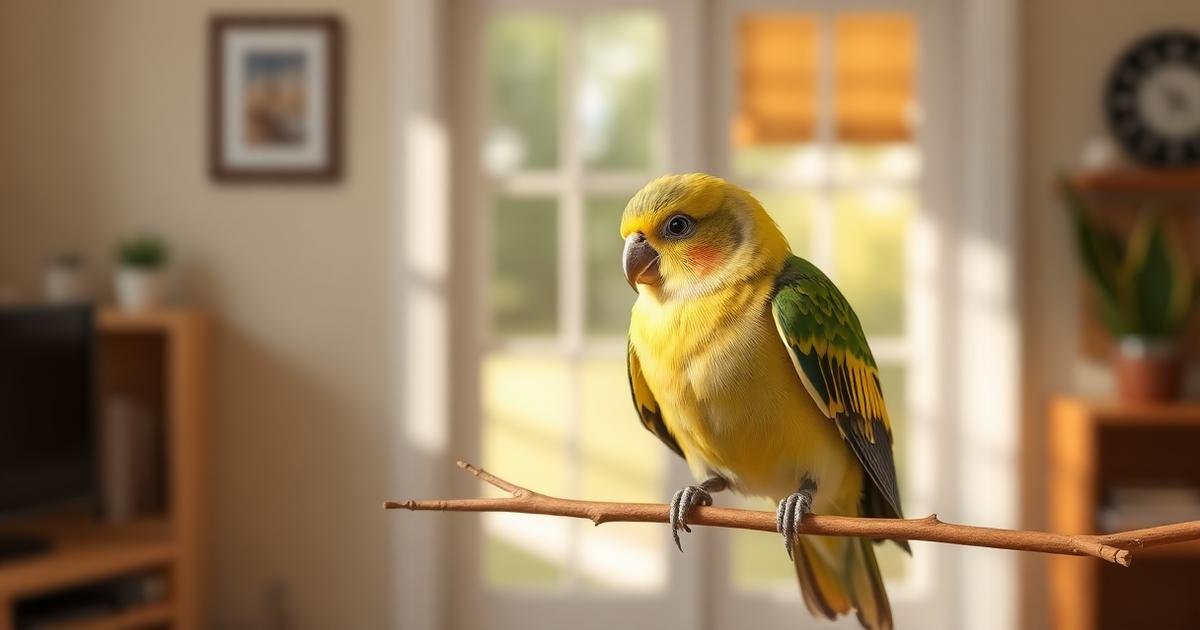
If you're asking "what is the best pet bird for a beginner", the direct answer is the budgie (parakeet). Budgies are small, social, relatively quiet, and easy to care for — making them the ideal starter bird for first time owners. They bond well with humans, learn to talk with patience, and require less specialized care than larger parrots. With proper care, a budgie can be your companion for 5–10 years, and the initial investment is under $250.
What is the best pet bird for a beginner: The best pet bird for a beginner is the budgie (parakeet). Budgies are affordable, hardy, and require a cage of at least 18x18x18 inches. They thrive on daily interaction of 30–60 minutes and a balanced diet of pellets, vegetables, and seeds. Expect a lifespan of 5–10 years with proper care. For a q
Quick Answer: What Is the Best Pet Bird for a Beginner?
The best pet bird for a beginner is the budgie (parakeet). Budgies are affordable, hardy, and require a cage of at least 18x18x18 inches. They thrive on daily interaction of 30–60 minutes and a balanced diet of pellets, vegetables, and seeds. Expect a lifespan of 5–10 years with proper care. For a quieter option, consider a canary or finch — but budgies offer the best balance of personality and manageability.
For a complete guide on this topic, see the Pet Bird Care Guide.
Why Budgies Are the Top Choice for Beginners
Budgies (Melopsittacus undulatus) are the most popular pet bird worldwide for good reason. They're small enough to fit in most homes, yet big enough to have distinct personalities. You can expect a budgie to learn 20–30 words with consistent training over 6–12 months.
Their care requirements are straightforward. A budgie needs a cage at least 18x18x18 inches, with bar spacing no wider than ½ inch to prevent escape or injury. The
Budgies are also one of the most affordable birds. Initial setup costs range from $100–$250, with monthly food and supply costs around $20–$40. Compare that to a cockatoo, which can cost $1,000–$3,000 upfront and $100+ monthly.
Pro Tip: Start with a single budgie first. Two birds may bond with each other and ignore you. A single bird bonds more strongly to its human owner and is easier to train.
What to Look for When Choosing a Beginner Bird
Before buying any bird, evaluate your lifestyle. Birds are social creatures that need daily interaction — at least 30–60 minutes of out-of cage time. If you work 12-hour shifts, a low maintenance bird like a finch or canary may suit you better than a budgie.
Consider noise tolerance. Budgies chirp and chatter at 60–70 decibels — similar to normal conversation. Cockatiels whistle at 70–80 decibels. Avoid lovebirds or conures if you live in an apartment; they can reach 90–100 decibels, which is as loud as a lawnmower.
Lifespan matters more than you think. Budgies live 5–10 years, cockatiels 15–20 years, and larger parrots 30–80 years. A macaw can outlive you. The
Key Buying Criteria for Beginner Birds
- Temperament: Look for birds that are naturally calm and handleable. Budgies, cockatiels, and canaries are known for gentle dispositions.
- Diet simplicity: Avoid birds requiring specialized diets. Budgies eat pellets, vegetables, and seeds — all readily available.
- Noise level: Choose birds under 70 decibels for apartment living. Budgies and finches are quietest.
- Health hardiness: Budgies and cockatiels are resilient. Avoid fragile species like parrotlets for your first bird.
Top 5 Best Pet Birds for Beginners Compared
Here's a comparison table of the most recommended beginner birds. Use this to match your lifestyle with the right species.
| Bird Species | Noise Level | Lifespan | Cost (Setup + Monthly) | Best For |
|---|---|---|---|---|
| Budgie (Parakeet) | Low (60–70 dB) | 5–10 years | $100–$250 / $20–$40 | First time owners, apartments |
| Cockatiel | Moderate (70–80 dB) | 15–20 years | $150–$400 / $30–$50 | Owners wanting a talkative bird |
| Canary | Low (50–60 dB) | 10–15 years | $80–$200 / $15–$30 | Quiet households, limited time |
| Finch | Very Low (40–50 dB) | 5–10 years | $50–$150 / $10–$20 | Low-maintenance, multiple birds |
| Lovebird | High (80–90 dB) | 10–15 years | $100–$300 / $25–$45 | Experienced beginners, large cages |
Budgies and cockatiels are the most interactive. Canaries and finches are better for observation — they don't typically bond with humans. Lovebirds are beautiful but loud and nippy, making them a step up in difficulty.
What About Costs and Setup for a Beginner Bird?
Your initial investment determines your bird's quality of life. A cage should be at least 18x18x18 inches for a budgie, but bigger is always better. Stainless steel bowls cost $10–$20 each and last forever — avoid plastic, which harbors bacteria.
Perches are critical. Use natural wood perches of varying diameters (½–1 inch) to exercise your bird's feet. Sandpaper perches damage feet and should never be used. The
Monthly costs break down to: pellets ($10–$15), vegetables ($5–$10), seeds ($5), and toy rotation ($10–$20). Budget for an annual vet visit ($50–$100) for a wellness check. Birds hide illness well, so annual exams catch problems early.
Pro Tip: Buy the largest cage you can afford and fit in your home. A cage that's too small causes feather plucking and aggression. For a budgie, aim for 24x18x24 inches minimum.
Ready to set up your first bird cage? We've curated the essentials for beginner bird owners.
Browse Bird Care Options →
How to Choose Between a Hand Fed vs. Parent Raised Bird
Hand fed birds are tamer and bond faster. Breeders hand feed chicks from 2–3 weeks old, which makes them comfortable with human handling. Expect to pay $50–$100 more for a hand fed budgie compared to a parent raised one.
Parent raised birds are less expensive but require more patience. You'll need to spend 15–30 minutes daily for 2–4 weeks just to earn their trust. They may never be as cuddly as hand fed birds, but they are often healthier since they weren't separated from parents early.
For a beginner, a hand fed bird is strongly recommended. The extra cost is worth the reduced stress for both you and the bird. Ask the breeder for videos of the bird being handled before you buy.
Common Beginner Bird Mistakes to Avoid
The biggest mistake is buying a cage that's too small. A tiny cage leads to obesity, feather plucking, and aggression. Your bird needs room to stretch its wings fully — at least 2–3 wing spans in width.
Another mistake is feeding an all seed diet. Seeds are high in fat and low in nutrients. A pellet based diet (70–research suggests 80% pellets, 20–research suggests 30% vegetables and seeds) is recommended by avian veterinarians. Expect your bird to live 2–3 years longer on a proper diet.
Ignoring socialization is equally harmful. Birds need 30–60 minutes of out-of cage time daily. Without it, they become depressed and develop behavioral issues. Set a daily routine — birds thrive on consistency.
Pro Tip: Place the cage in a busy room like the living room, not a quiet corner. Birds are flock animals and need to feel part of the family. A lonely bird is a sick bird.
How to Bird Proof Your Home for a Beginner Bird
Birds are curious and can get into trouble fast. Before bringing your new pet home, bird proof every room it will access. Close windows and doors — an open window can mean a lost bird in seconds. Cover mirrors and windows with curtains or decals, as birds may fly into them at full speed.
Eliminate toxic household items. Non stick cookware (Teflon) releases fumes deadly to birds within minutes. Candles, air fresheners, and aerosol sprays are also dangerous. The
Remove toxic plants like lilies, philodendrons, and ivy. Keep electrical cords out of reach — birds love to chew them. Set up a designated play area with safe toys and perches. This preparation takes 2–3 hours but prevents emergencies.
How to Build Trust With Your Beginner Bird in the First 30 Days
Your first week is about observation, not interaction. Place the cage in a busy room and let your bird adjust for 3–5 days. Talk softly near the cage without reaching in. Let your bird watch you go about your day — this builds familiarity.
After day 5, start offering treats through the bars. Millet spray is irresistible to most birds. Hold it still for 5–10 minutes daily until your bird eats from your hand. This usually takes 3–7 days. Never chase or grab your bird — that destroys trust.
By weeks 2–3, begin step up training. Place your finger gently against the bird's lower chest and say "step up." Most hand fed birds learn this within 1–2 sessions. Parent raised birds may need 2–4 weeks. Be patient — rushing causes setbacks.
Pro Tip: Train in 5–10 minute sessions, twice daily. Birds have short attention spans. End each session with a treat and praise, so your bird associates training with positive experiences.
For broader reference and guidance, akc.org provides useful context on pet health and care decisions.
For broader reference and guidance, petmd.com provides useful context on pet health and care decisions.
Owners who compare options based on daily routine fit, tolerance, and observable outcomes usually make better decisions than those who rely on label claims alone.
That broader view matters because a good product choice should support the full pattern of daily care. A calmer, more dependable routine is often the strongest sign that the choice is working.
It also helps to judge whether the choice continues to work once the novelty of a change wears off. If results hold steady and the routine stays manageable, that is more meaningful than a strong first impression.
Frequently Asked Questions
What is the best pet bird for a beginner who lives in an apartment?
The budgie is best for apartments due to its low noise level (60–70 dB). Canaries and finches are even quieter at 40–60 dB. Avoid lovebirds and conures, which can reach 90–100 dB and disturb neighbors.
What is the best pet bird for a beginner who wants a talking bird?
The budgie is the best talker among small birds, capable of learning 20–30 words. Cockatiels can learn 10–15 words but whistle better. Larger parrots like African greys learn 100+ words but require advanced care and live 40–60 years.
What is the best pet bird for a beginner with limited time?
Canaries and finches are best for busy owners. They require only 10–15 minutes daily for feeding and cage cleaning. They don't need out-of cage time or social interaction like budgies do, making them ideal for people who work long hours.
What is the best pet bird for a beginner with children?
The budgie is safest for children due to its small size and gentle beak. Cockatiels are also good but slightly larger. Supervise all interactions — birds are fragile and can be injured by rough handling. Teach children to be calm and gentle.
What is the best pet bird for a beginner on a tight budget?
Finches are the cheapest option at $50–$150 setup and $10–$20 monthly. Budgies are slightly more at $100–$250 setup. Both are affordable compared to cockatiels ($150–$400) or larger parrots. Avoid skimping on cage size, which is non-negotiable.
What is the best pet bird for a beginner who wants a cuddly bird?
Hand fed budgies and cockatiels are the most cuddly beginner birds. They enjoy sitting on shoulders and being petted. Lovebirds are affectionate but nippy. Avoid canaries and finches — they prefer not to be handled at all.
Can a beginner bird live alone, or does it need a companion?
A single budgie or cockatiel can thrive alone if you provide 30–60 minutes of daily interaction. If you can't commit that time, get two birds of the same species. Finches and canaries should always be kept in pairs or groups.
How do I find a reputable bird breeder for a beginner bird?
Look for breeders who let you visit and see the parent birds. Ask about hand feeding practices and health guarantees. Avoid pet stores that can't provide history. Check online reviews and ask local avian veterinarians for recommendations.
Check out our complete overview of how to care for a pet bird for more information.