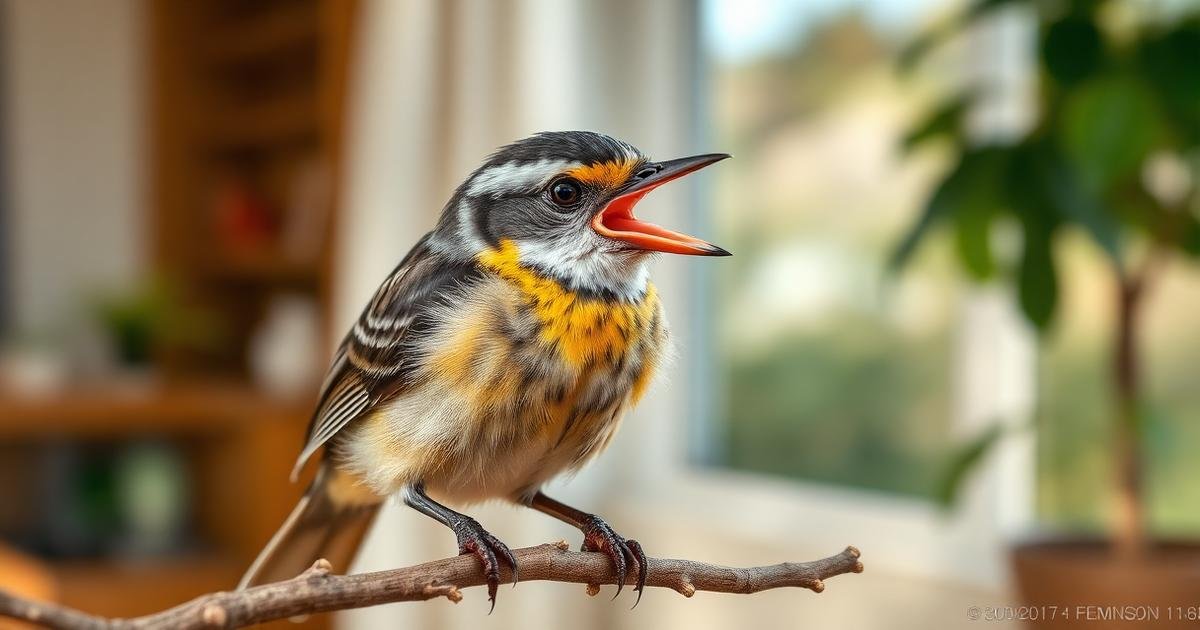
That sharp bite from your feathered friend stings — both physically and emotionally. You're not alone in wondering "bird biting owner why" happens, and the answer isn't that your bird hates you. Birds bite owners due to fear, territorial aggression, hormonal changes, redirected frustration, or learned behavior — not malice. Understanding the specific trigger behind each bite is the only way to stop it.
Bird biting owner why: Your bird bites you because it feels threatened, protective of its space, hormonally driven, or because biting has accidentally been rewarded. The five most common root causes are: fear and lack of trust, territorial cage aggression, hormonal surges during breeding season, redirected aggression from
Quick Answer: Bird Biting Owner — Why Does It Happen?
Your bird bites you because it feels threatened, protective of its space, hormonally driven, or because biting has accidentally been rewarded. The five most common root causes are: fear and lack of trust, territorial cage aggression, hormonal surges during breeding season, redirected aggression from frustration, and learned attention seeking behavior. The fix starts with identifying which trigger applies to your specific situation, not with punishing the bird. Keep a bite journal for 1 week, then match your observations to the decision tree below for a targeted solution within 2–3 weeks.
For a complete guide on this topic, see the Pet Bird Care Guide.
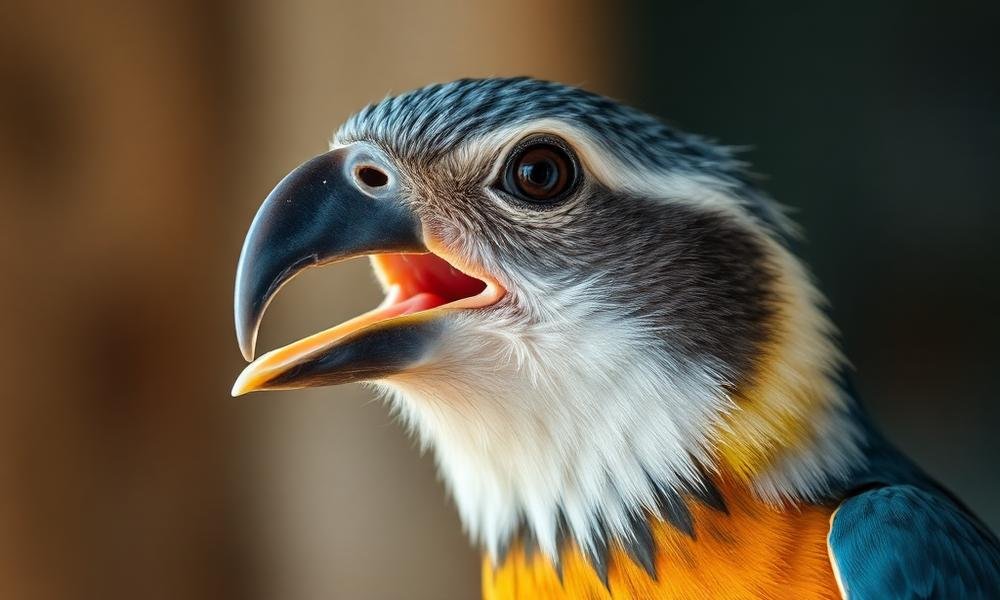
Why Your Bird Bites You
It feels personal when a bird you care for bites you. But in every case, the bite is communication — not spite. Here are the five specific reasons your bird is biting.
Fear and Lack of Trust
Most bird biting owner why questions trace back to fear. A bird that wasn't hand fed or properly socialized as a baby sees hands as threats. Sudden movements, reaching into the cage, or approaching from above trigger a defensive bite. This is the bird's way of saying "back off" because it doesn't feel safe yet. Building trust through hand feeding treats through the cage bars for 2 weeks can dramatically reduce this type of biting.
Territorial Cage Aggression
Many birds view their cage as an impenetrable fortress. When you reach inside, you're invading their territory. This is especially common in species like cockatiels, conures, and African greys. The bite isn't personal — it's about protecting their sleeping, eating, and nesting space. The solution is to train step up behavior outside the cage first, never reaching in from above.
Hormonal Aggression
During breeding season, hormones flood your bird's system. Mature birds — typically over 1–2 years old — can become irritable, possessive, and bitey. They may see you as a rival or an unwanted intruder. This phase is temporary but intense, lasting 4–8 weeks depending on the species and season. Reducing daylight hours to 10–12 and removing nesting materials can shorten this window significantly.
Redirected Aggression
Your bird may be frustrated by something else entirely — another pet in the room, a loud noise outside, or a toy it can't reach. Unable to attack the real source, it bites you instead. This is common in high energy species like caiques and sun conures that need constant stimulation. Removing the trigger and giving your bird a quiet, covered space for 30 minutes usually resolves the immediate behavior.
Learned Attention-Seeking
If your bird bites and you react — shouting, pulling away, or even giving a stern "no" — you've just rewarded the behavior. Birds are smart. They learn fast that a quick nip gets your full attention. This is the most fixable cause, but it requires consistent behavior change from you. Ignore the bite completely, turn your back for 10 seconds, then offer a toy. Expect improvement within 1–2 weeks.
Pro Tip: Keep a bite journal for 1 week. Note the time of day, what you were doing, and what happened right before the bite. Patterns will emerge — and those patterns tell you exactly which root cause you're dealing with.
Root Cause Decision Tree
Match your bird's specific biting pattern to find the fastest fix:
| What you observe | Likely root cause | First fix to try |
|---|---|---|
| Bites only when you reach into the cage | Territorial aggression | Step up training outside the cage first; never reach in from above |
| Bites during spring or summer months only | Hormonal aggression | Reduce daylight hours to 10–12; remove nesting materials |
| Bites when you approach but then leans in for head scratches | Fear / lack of trust | Hand feed treats through cage bars for 2 weeks before attempting touch |
| Bites after loud noises or other pets enter the room | Redirected aggression | Remove the trigger; give a quiet, covered space for 30 minutes |
| Bites and then watches you for a reaction | Attention-seeking | Ignore completely — turn your back for 10 seconds, then offer a toy |
| Bites only when you touch a specific body part (wings, feet, tail) | Pain or discomfort | Schedule a vet visit to rule out injury or illness |
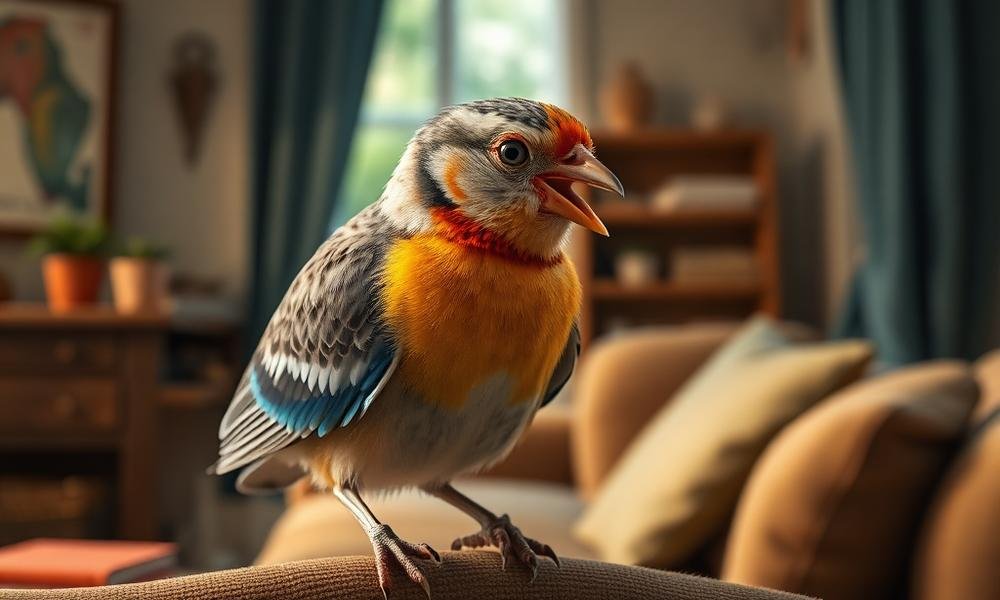
When This Is NOT Just Behavior
Sometimes, the answer to bird biting owner why has nothing to do with training. Sudden biting in a bird that was previously friendly is a red flag for underlying health issues. According to the
Watch for these specific vet trigger signs:
- Biting only when you touch one specific spot (wing, foot, or vent area)
- Limping, fluffed feathers, or reduced appetite alongside the biting
- Sudden onset of aggression in a bird over 7 years old (common for arthritis)
- Biting paired with excessive scratching or feather plucking
If any of these apply, schedule an avian vet visit before attempting any behavior modification. Painful birds bite — and no training will fix pain. The
Pro Tip: Weigh your bird weekly on a kitchen scale. A sudden weight drop of research suggests 10% or more is often the first sign of illness — appearing weeks before behavioral changes like biting.
Enrichment Protocol to Reduce Biting
A bored bird is a bitey bird. Birds are intelligent animals that need daily physical and mental stimulation. Without it, frustration builds — and you become the target. Follow this protocol for at least 3–4 weeks to see measurable improvement.
- Out-of cage time: Provide at least 2–3 hours of supervised out-of cage time daily. Birds need flight, climbing, and exploration to burn nervous energy.
- Foraging opportunities: Hide food in shreddable toys, paper cups, or puzzle boxes. Birds spend 4–6 hours daily foraging in the wild — mimicking this reduces frustration biting significantly.
- Chew and shred outlets: Offer fresh branches (untreated apple, willow, or eucalyptus), pine cones, and cardboard. Chewing is a natural stress reliever for birds.
- Training sessions: Spend 10–15 minutes daily on target training or trick training. This builds trust, gives mental stimulation, and teaches your bird that interacting with you is rewarding — not scary.
- Environmental rotation: Rotate toys and perches every 5–7 days. Novelty prevents boredom, which is a direct cause of the bird biting owner why pattern.
Pro Tip: A 15-minute morning training session before you leave for work dramatically reduces biting behavior throughout the day. Birds that get mental stimulation early are calmer and more predictable.
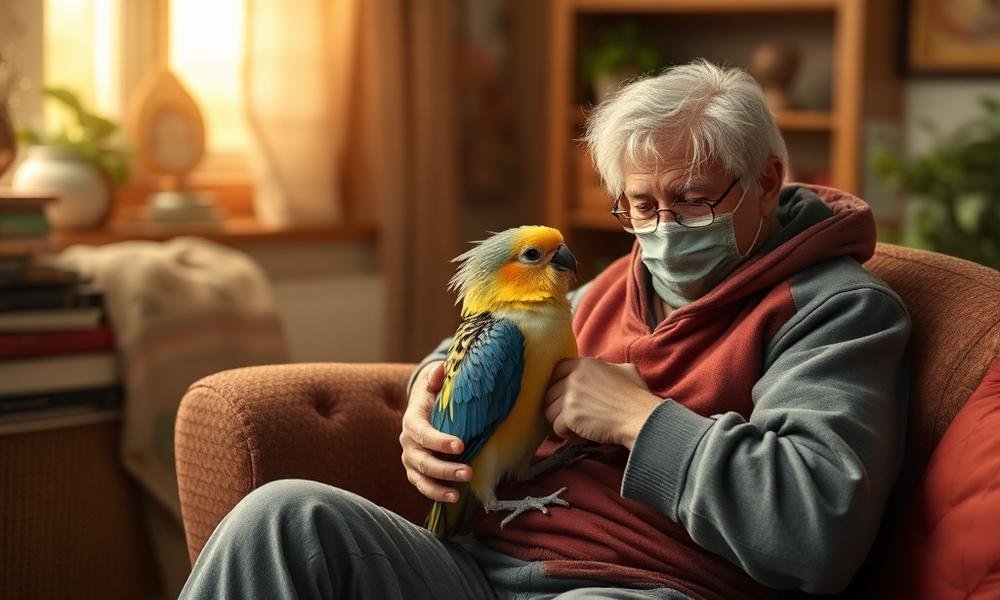
The Role of Species and Age in Biting
Not all birds bite for the same reasons, and your bird's species and age play a huge role. A young cockatiel biting is usually about fear or exploration, while a mature African grey biting is often about boredom or hormonal changes. Understanding these differences helps you tailor your approach.
Species Specific Biting Triggers
Small birds like budgies and lovebirds often bite out of fear — they're prey animals and startle easily. Medium sized birds like conures and cockatiels bite more from territorial aggression and attention-seeking. Large parrots like macaws and African greys bite most often due to boredom, hormonal surges, or learned behavior. According to the
Age Related Biting Patterns
Baby birds (under 6 months) bite to explore their world — it's how they test textures and objects. Juvenile birds (6–18 months) bite more during the "terrible twos" phase as they test boundaries. Adult birds (2+ years) bite from established habits or hormonal drives. Senior birds (7+ years) may bite due to arthritis pain or vision loss. Adjust your training approach based on your bird's life stage for the fastest results.
Pro Tip: If you have a baby bird under 6 months, focus on gentle handling and hand feeding treats to prevent biting from becoming a learned habit. This early window is critical — habits formed now last a lifetime.
Product Buying Criteria for Bite Reduction Tools
Once you've identified the root cause and started the enrichment protocol, certain products can support your training. But never rely on products alone — they are tools, not solutions.
When choosing products to reduce biting, look for these features:
- Foraging toys: Choose ones with adjustable difficulty levels. Start easy (tissue paper covering a treat) and progress to complex puzzles over 2–3 weeks.
- Chew safe wood and leather: Avoid treated or painted materials. Safe options include balsa, pine, mahogany, and vegetable tanned leather strips.
- Perch variety: Natural wood perches of different diameters (1–2 inches) reduce foot fatigue and frustration that can lead to biting.
- Target sticks: A simple chopstick or wooden skewer works. The goal is to teach your bird to touch the stick instead of your finger — this reduces bite incidents during step up training.
- Calming supplements: Only use under avian vet guidance. Chamomile and lavender (in safe, bird specific forms) can help during hormonal seasons.
Stop the biting cycle with the right enrichment tools for your bird's species and personality.
Browse Bird Care Options →
Troubleshooting Matrix
Use this table when you're stuck on a specific bird biting owner why pattern and need a targeted fix:
| Behavior pattern | Likely cause | What to do |
|---|---|---|
| Bites only when you ask it to step up | Fear of hands or past trauma | Switch to a perch or target stick for step-up; hand feed treats for 2 weeks before attempting finger step up again |
| Bites during head scratching sessions | Overstimulation or pinfeather sensitivity | Stop immediately; wait 30 seconds, then offer a different scratch spot. Limit sessions to 2–3 minutes |
| Bites when you leave the room | Separation anxiety or flock calling | Practice short departures (30 seconds to 2 minutes); reward calm behavior. Increase duration by 30 seconds daily |
| Bites only in the early morning | Hunger or sleep deprivation | Ensure 10–12 hours of uninterrupted dark sleep. Feed a small breakfast within 15 minutes of uncovering the cage |
| Bites during playtime on a playstand | Territoriality over the play area | Move the playstand to a neutral location; rotate toys weekly to prevent possessiveness |
| Bites and then immediately preens your hair or skin | Affection misinterpreted as aggression | This is often a gentle "testing" bite. Say "gentle" in a calm voice and offer a toy to redirect. Expect improvement within 2–3 weeks |
| Bites strangers but not you | Fear of unfamiliar people | Have guests offer high value treats from a distance. Never force interaction. Progress may take 4–8 weeks |
For broader reference and guidance, akc.org provides useful context on pet health and care decisions.
For broader reference and guidance, petmd.com provides useful context on pet health and care decisions.
Frequently Asked Questions
My bird only bites me at night — why?
Night biting usually means your bird is startled awake or feels unsafe in the dark. Ensure 10–12 hours of complete darkness with no ambient light. A small nightlight (red or blue, not white) can reduce startle bites within 1–2 weeks.
Will this stop on its own as my bird gets older?
No — biting is a learned behavior that reinforces itself. Without intervention, it often gets worse as the bird matures. Hormonal biting may decrease after breeding season, but fear based or attention seeking biting requires active training to resolve.
Is this a sign of separation anxiety?
Yes, if your bird bites only when you're about to leave or immediately after you return. Birds are flock animals and can develop separation anxiety. Practice short departures, leave a radio on low, and provide foraging toys. Improvement typically takes 3–6 weeks of consistent training.
How long until I see improvement?
With consistent daily training and enrichment, you should see a research suggests 50% reduction in biting within 2–3 weeks. Full resolution of the bird biting owner why pattern typically takes 6–12 weeks, depending on the root cause and how long the behavior has been established.
Should I punish or ignore the behavior?
Never punish a bird — it destroys trust and increases fear based biting. Ignoring attention seeking bites is effective, but only if you also redirect to a desired behavior (like stepping onto a perch). For fear or territorial bites, remove yourself calmly without eye contact.
My bird only bites when I wear a specific color — why?
Birds see color vividly and may associate a certain shade with a past negative experience. Red and orange can trigger aggression in some species because they resemble ripening fruit (a resource to defend). Avoid that color for 2–3 weeks, then reintroduce it slowly with positive reinforcement.
Can a bird's diet affect biting behavior?
Absolutely. A diet high in sugar, seeds, or fatty foods can cause energy spikes and irritability in birds. Switch to a balanced diet of pellets, fresh vegetables, and limited fruit. You'll often see a calmer, less bitey bird within 2–3 weeks of dietary improvement.
Should I use gloves to handle a biting bird?
Only as a last resort for safety, and never long-term. Gloves increase fear because they look and smell unfamiliar. Instead, use a perch or target stick for step up training. If you must use gloves, pair them with high value treats to build positive associations over 1–2 weeks.
For more on this topic, see our guide to best bird cage covers.
For more on this topic, see our guide to best bird perches.
For more on this topic, see our guide to why does my bird scream all the time.