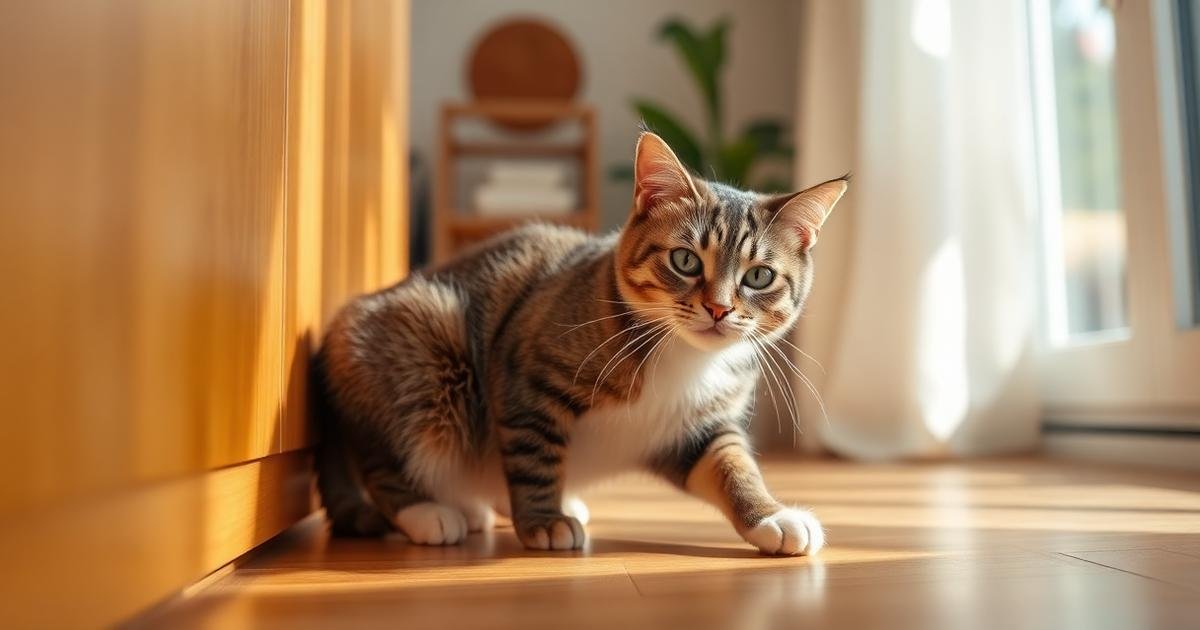
Understanding why cat scratching furniture constantly is something every pet owner benefits from knowing early on. If your cat is scratching furniture constantly, the direct cause is that scratching is a deeply ingrained instinct for marking territory, maintaining claw health, and stretching muscles—not an act of spite or destruction. Cats have scent glands in their paws, and every scratch deposits both a visual mark and their unique pheromones, signaling ownership to other animals. The constant behavior often points to an unmet need for appropriate scratching outlets, stress, or a preference for the texture of your sofa over a standard scratching post. Understanding this core motivation is the first step to redirecting the behavior effectively.
the right choice: Your cat scratches furniture constantly to mark territory with scent glands in their paws, to shed the outer sheath of their claws, and to stretch their back and shoulder muscles. This is normal, instinctive behavior, not misbehavior. To stop it, you must provide a preferred scratching surface (like
Quick Answer: Why Does My Cat Scratch the Couch Every Single Day?
Your cat scratches furniture constantly to mark territory with scent glands in their paws, to shed the outer sheath of their claws, and to stretch their back and shoulder muscles. This is normal, instinctive behavior, not misbehavior. To stop it, you must provide a preferred scratching surface (like sisal or cardboard) in a high traffic area, use pheromone diffusers to reduce stress, and make the furniture less appealing with double sided tape or furniture covers.
For a complete guide on this topic, see the Cat Behavior Guide.

What Drives the Constant Scratching Instinct?
Cats scratch for three primary biological reasons, and understanding them helps you address why cat scratching furniture constantly occurs. First, scratching removes the dead outer layer of their claws, keeping them sharp and healthy. Second, it allows cats to stretch their entire body, from paw pads to shoulder blades, after resting. Third, and most critically, scratching deposits both a visual mark and a scent mark from interdigital glands, communicating to other cats that this territory is claimed.
When a cat chooses your sofa over a scratching post, it’s usually because the texture, stability, or location of the furniture better meets these needs. Upholstered furniture often provides a satisfying resistance that mimics tree bark, and its placement in central, high traffic areas makes it an ideal territory marking spot. A scratching post tucked away in a corner rarely competes with the living room couch.
Pro Tip: Watch your cat’s body language while they scratch. If they scratch immediately after waking up, it’s likely a stretch. If they scratch after you return home or after seeing another cat outside, it’s primarily a territorial mark. Tailor your solution to the specific trigger.
Stress and anxiety can dramatically increase scratching frequency. A study published in the Journal of Feline Medicine and Surgery found that cats in multi cat households or those experiencing environmental changes scratched significantly more. If your cat is scratching with unusual intensity or frequency, consider recent changes like a new pet, moving furniture, or a change in your schedule. Addressing the underlying stress is often more effective than any deterrent.
How Can I Stop My Cat From Scratching the Furniture Immediately?
Provide a Superior Scratching Alternative
You cannot stop the instinct to scratch, but you can redirect it to an appropriate surface. The key is making the alternative more appealing than your furniture. Most cats prefer vertical scratching posts that are tall enough for a full stretch (at least 32 inches) and stable enough not to wobble. Wobbly posts are often rejected because they feel unsafe.
For many homes, the right why cat scratching furniture constantly choice is the one that stays reliable under ordinary daily conditions.
Texture matters enormously. Experiment with different materials: sisal rope, corrugated cardboard, carpet, and wood. Place the new scratching post directly in front of the damaged furniture spot initially. After 1–2 weeks of consistent use, you can gradually move the post a few inches per day to a more convenient location. Reward your cat with treats and praise every time they use the post.
A well matched the best option option should support the pet clearly without making the routine harder to maintain.
Use Tactical Deterrents on the Furniture
While you train the new habit, make the furniture less attractive. Double sided sticky tape (like Sticky Paws) is highly effective because cats dislike the sticky texture on their paws. Apply it to the corners and edges of your sofa where your cat typically scratches. Alternatively, use furniture covers made of materials cats dislike, such as ultrasuede or plastic carpet runners placed upside down (nub side up).
Motion activated air spray deterrents, such as the SSSCAT, can be placed near the furniture. When your cat approaches and triggers the sensor, it releases a harmless burst of compressed air. Within 2–3 weeks, most cats learn to avoid the area entirely. Never use punishment like yelling or spraying water, as this increases stress and can worsen the scratching behavior.
Trim your cat’s claws every 2–3 weeks. Shorter claws cause less damage and reduce the urge to scratch for maintenance. If your cat tolerates it, consider soft vinyl nail caps (like Soft Paws). These glue on caps cover the claw tips and prevent damage for 4–6 weeks. They do not interfere with claw extension or retraction and are a humane, temporary solution while you establish better habits.
Protect your furniture while solving the root cause. Find top rated scratching posts, nail trimmers, and deterrents.
Browse Cat Products →
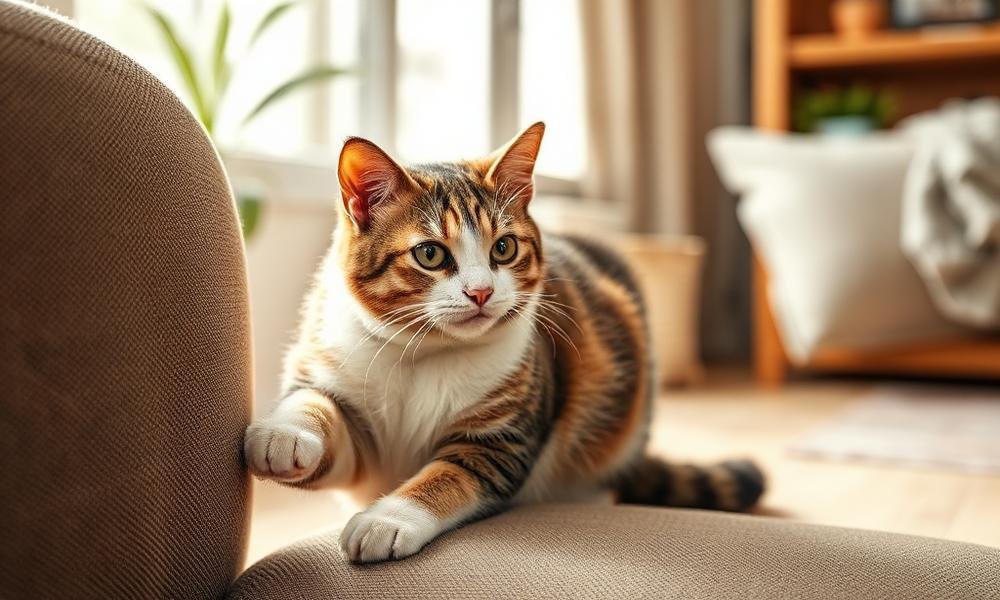
What Scratching Post Materials and Designs Do Cats Prefer?
The practical side of why cat scratching furniture constantly comes down to small daily decisions that add up over weeks.
Cats are not random in their preferences. Research from the American Association of Feline Practitioners indicates that 70–research suggests 80% of cats prefer sisal rope or corrugated cardboard over carpet or wood. The rough texture of sisal provides the ideal resistance for shedding claw sheaths, while cardboard offers a satisfying, shreddable surface that mimics bark.
Height and stability are non-negotiable. A post should be tall enough for your cat to fully extend their body vertically while scratching. For most adult cats, this means at least 32 inches tall. Floor to ceiling cat trees provide excellent stability and allow for vertical climbing, which many cats prefer. Horizontal scratchers (cardboard or sisal mats) work well for cats that scratch low surfaces like carpet or the bottom of your sofa.
Pro Tip: Place multiple scratchers throughout your home, not just one. Cats mark territory in various rooms. A good rule is one scratcher per cat plus one extra. Place them near sleeping areas and in high traffic zones where your cat likes to be.
Catnip or silvervine can be sprinkled on new scratching posts to increase initial interest. Rub the post vigorously with your hands to transfer your scent, which can also encourage use. Some cats respond better to toys dangling from the top of the post, turning scratching into a playful activity. Observe your cat’s natural scratching style—vertical, horizontal, or angled—and choose a post that matches that preference.
For a deeper dive into understanding your cat’s unique personality and habits, see our Cat Behavior Guide for tailored advice.
How Can I Reduce Stress to Stop Constant Scratching?
Since stress is a major amplifier of scratching behavior, creating a calm environment is essential. Start by ensuring your cat has adequate environmental enrichment. A bored or anxious cat is far more likely to scratch furniture constantly. Provide at least 15–20 minutes of interactive play daily using wand toys that mimic prey movements. This satisfies their hunting drive and reduces pent up energy.
Use synthetic feline pheromone diffusers like Feliway. These release a synthetic version of the facial pheromone cats use to mark safe territory. Plug one into the room where the furniture scratching occurs. Studies indicate that pheromone therapy can reduce scratching on furniture by up to 70 in some cats within 4 weeks. It is not a standalone solution but works well alongside other behavioral modifications.
Create vertical space with cat trees, shelves, or window perches. Cats feel safer when they can observe their territory from an elevated position. In multi cat households, make sure each cat has their own resources—food bowls, water fountains, litter boxes, and scratching posts—to reduce competition. The general rule is one resource per cat plus one extra. This simple change often dramatically reduces stress related scratching.
Pro Tip: If you have multiple cats, watch for signs of inter cat tension, like hissing or blocking access to resources. Scratching near doorways or windows can be a sign of outdoor cat stress. Block visual access to outside cats with window film or privacy screens.
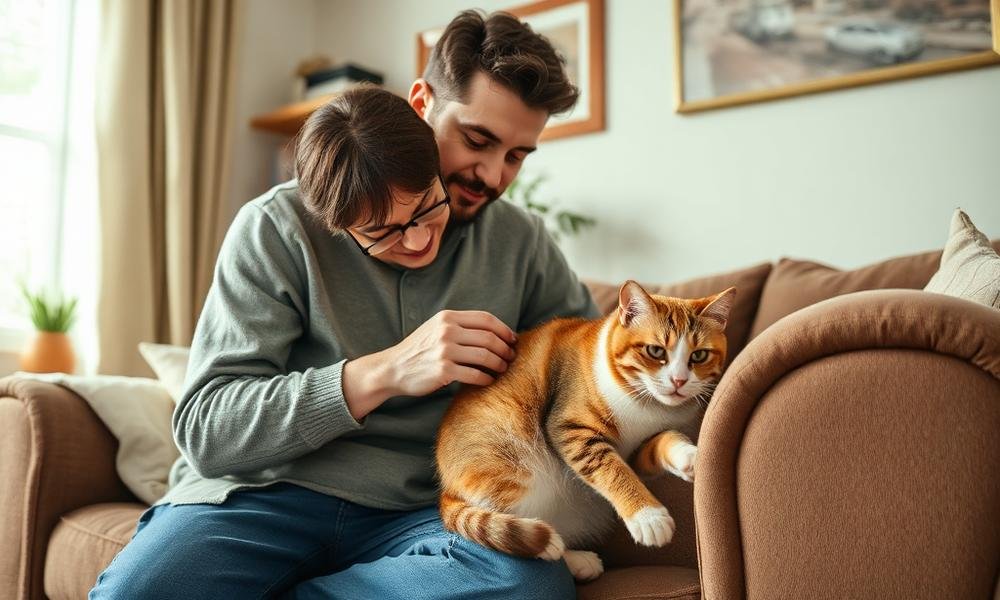
What Are the Best Furniture Protectors for Cats?
Furniture protectors are essential when you need immediate damage control while training your cat. Clear vinyl sofa covers are highly effective because they are smooth and unappealing for scratching. They also protect against fur and spills. Look for covers with elastic edges that fit snugly over your couch cushions and armrests.
Furniture scratch guards made from thick, clear adhesive film are another excellent option. These are applied directly to the corners and sides of your sofa where your cat scratches most. They are nearly invisible and create a slick surface that cats cannot grip. Replace them every 3–4 weeks as they lose their stickiness. Some brands offer double sided versions that add an extra deterrent layer.
For a more permanent solution, consider replacing the fabric on your sofa with a cat resistant material like microfiber or leather. Microfiber is tightly woven and difficult for claws to penetrate. Leather, while more expensive, is smooth and less satisfying for scratching. However, some cats still scratch leather, so test your cat’s reaction before committing to a new sofa.
Place scratching posts directly in front of the protected furniture areas. This creates an immediate alternative that is more accessible than the protected surface. Over 3–4 weeks, gradually move the posts to your desired locations. The combination of physical protection and positive redirection is the most effective strategy for stopping constant scratching.
How Do I Train My Cat to Use a Scratching Post Instead of Furniture?
Training your cat to use a scratching post requires patience and positive reinforcement. Start by placing the post directly next to the furniture your cat currently scratches. This makes the post the most convenient option. Gently guide your cat’s paws down the post in a scratching motion, then immediately reward them with a high value treat.
Use play to associate the post with positive experiences. Dangle a wand toy near the post and let your cat pounce on it while touching the post. Every time your cat interacts with the post, even accidentally, give them a treat and verbal praise. Within 1–2 weeks, your cat will begin to choose the post over the furniture.
Never force your cat to scratch the post or hold their paws on it. This creates negative associations and can make the problem worse. Instead, make the post irresistible by sprinkling catnip on it daily for the first week. Some cats respond better to silvervine, which is more potent than catnip for about research suggests 50% of cats.
When owners focus specifically on why cat scratching furniture constantly, they tend to see more consistent results over time.
If your cat ignores the post after 2 weeks, try a different material or orientation. Some cats prefer horizontal cardboard scratchers over vertical sisal posts. Others prefer angled scratchers that combine both positions. The key is to match your cat’s natural scratching style. Once they consistently use the post for at least 2 weeks, you can begin moving it to a more convenient location, just a few inches each day.
When Should I See a Veterinarian About Scratching?
While scratching is normal, a sudden, dramatic increase in frequency or intensity warrants a veterinary checkup. Medical issues such as allergies, skin infections, or arthritis can cause a cat to scratch more. If your cat is scratching furniture constantly but also over-grooming, has bald patches, or seems to scratch their own body more than usual, a vet visit is necessary.
Arthritis can make scratching painful, causing a cat to seek out softer surfaces like upholstery instead of a firm sisal post. A veterinarian can assess joint health and recommend pain management or joint supplements. Similarly, if your cat is scratching furniture and also urinating outside the litter box, this combination strongly suggests a medical problem or severe stress that requires professional intervention.
Your vet can also rule out parasitic infections like fleas or mites, which cause intense itching and drive scratching behavior. Treating the underlying medical condition often resolves the furniture scratching without any behavioral training needed. Never assume behavioral modification alone will fix a problem that has a medical root cause.
Frequently Asked Questions
Why does my cat scratch the couch when I walk into the room?
Your cat is likely greeting you and marking you with their scent. Scratching when you enter reinforces that you are part of their territory. It is a positive, social behavior, not a demand for attention. Redirect them to a nearby scratching post and reward them for using it.
Does declawing stop furniture scratching?
Declawing is an amputation of the last bone of each toe and is considered inhumane by the AVMA and ASPCA. It does not stop the instinct to scratch, and many declawed cats develop behavioral issues like biting or litter box aversion. Never consider declawing as a solution for scratching.
Will spraying my cat with water stop the scratching?
No. Spraying with water increases fear and stress, which can actually increase scratching frequency. It also damages your bond with your cat. Positive reinforcement and environmental modification are far more effective and humane approaches.
How long does it take to stop a cat from scratching furniture?
With consistent application of deterrents and appealing alternatives, most cats show significant improvement within 2–4 weeks. Full resolution of the habit can take 6–8 weeks. Patience and consistency are critical—never give up after a few days.
What is the best material for a scratching post?
Sisal rope is the most preferred material by the majority of cats. It provides the ideal texture and resistance for shedding claw sheaths. Corrugated cardboard is the second most popular choice, especially for cats that prefer horizontal scratching.
Can a scratching post be too tall?
No. Cats prefer posts tall enough for a full vertical stretch. A post that is too short does not allow them to fully extend their body, making furniture more appealing. Aim for at least 32 inches for adult cats.
Why does my cat scratch furniture after using the litter box?
This is a territorial behavior. Your cat is combining scent marking from scratching with the scent from their waste, reinforcing their ownership of the area. Place a scratching post near the litter box to provide an acceptable outlet.
Is it normal for a kitten to scratch furniture constantly?
Yes. Kittens scratch to explore their environment, stretch growing muscles, and learn claw control. This is the perfect time to establish good scratching habits. Provide multiple scratching surfaces and reward every use. The habit you reinforce now will last a lifetime.
For trusted guidance on feline health and nutrition, the ASPCA provides expert cat care resources reviewed by veterinary professionals. For health related questions,
For broader reference and guidance, petmd.com provides useful context on pet health and care decisions.
Check out our complete overview of why cat attacking feet suddenly for more information.