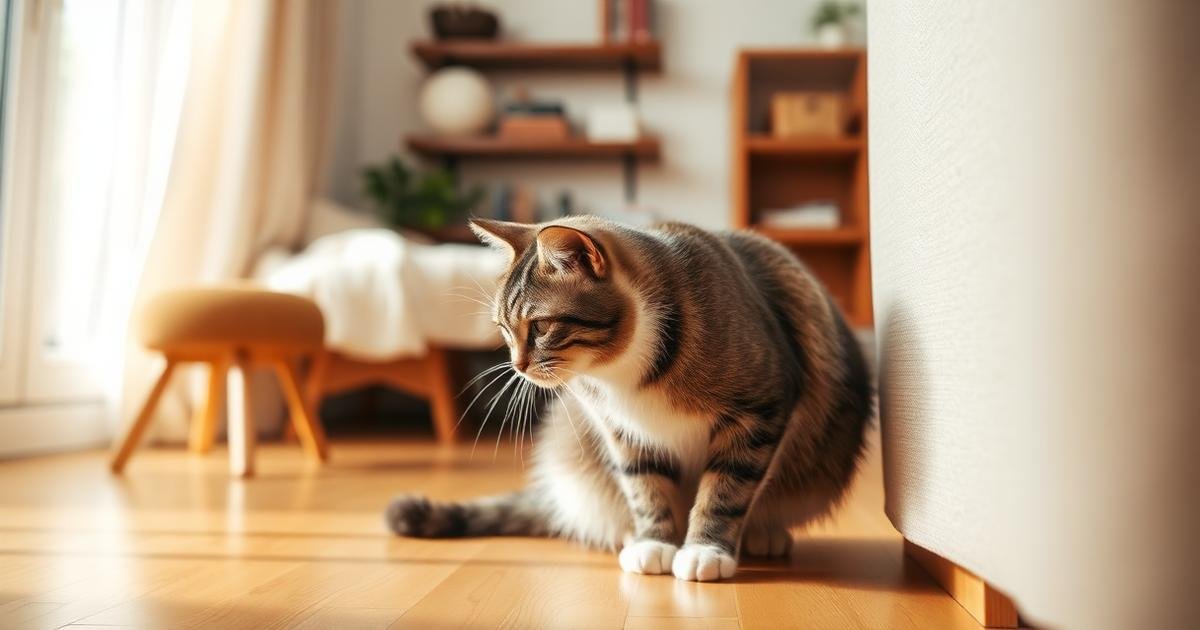
Scratching is an instinctive feline behavior, but it doesn't have to destroy your sofa. To stop cat scratching furniture, you must provide appealing alternatives, use strategic deterrents, and understand why your cat scratches in the first place. This guide on how to stop cat scratching furniture explains the root causes and gives you a clear, actionable plan to protect your home while keeping your cat happy. You can break the furniture scratching habit within 3–4 weeks using a combination of proper scratching posts, temporary deterrents, and positive reinforcement techniques.
How to stop cat scratching furniture: Immediately cover the scratched area with a smooth, temporary material like double-sided tape or a plastic couch protector. Place a tall, sturdy sisal scratching post directly in front of the covered spot for at least 2–3 weeks. Redirect your cat to the post with treats and play every time you catch
Quick Answer: What is the fastest way to stop a cat from scratching furniture?
Immediately cover the scratched area with a smooth, temporary material like double sided tape or a plastic couch protector. Place a tall, sturdy sisal scratching post directly in front of the covered spot for at least 2–3 weeks. Redirect your cat to the post with treats and play every time you catch them approaching the furniture.
For a complete guide on this topic, see the Cat Behavior Guide.

Why Do Cats Scratch Furniture in the First Place?
Understanding the motivation behind the behavior is the first step in learning how to stop cat scratching furniture effectively. Cats scratch for several distinct reasons, not out of spite.
Marking Territory: Cats have scent glands in their paws. Scratching deposits both a visual mark and their unique scent, claiming the area as safe and familiar. This is a deep, instinctual need, especially in multi cat households.
Maintaining Claw Health: Scratching removes the dead outer sheath of the claw, revealing a sharp new layer underneath. Without appropriate scratching surfaces, your cat will use whatever is available, like your sofa or curtains, to perform this necessary grooming task.
Stretching and Exercise: A full body scratch allows a cat to stretch their spine, shoulders, and legs. This is often done after a nap. Providing a vertical post allows them to perform this healthy stretch without damaging your belongings.
Pro Tip: Observe which furniture your cat targets most. If they scratch the arm of the sofa after sleeping, place a scratching post right next to that exact spot. Matching the location to the behavior increases success rates dramatically within the first week.
What Are the Best Scratching Alternatives to Offer My Cat?
You cannot simply tell a cat to stop scratching. You must provide a better option. The right scratching post is the single most effective tool in your strategy to stop cat scratching furniture.
Choose the Right Material and Orientation
Cats have strong preferences. Most prefer sisal rope or corrugated cardboard over carpet, as carpet feels similar to furniture. Offer both a horizontal scratcher (like a cardboard mat) and a vertical post. The post must be tall enough for your cat to fully stretch—at least 32 inches for an adult cat.
Placement is Everything
Put the scratching post in a high traffic area where your cat already spends time, not in a corner. If your cat scratches the couch, place the post directly in front of the couch for the first 2 weeks. Once they consistently use it, you can slowly move it a few inches each day to a more convenient spot.
The ASPCA recommends having at least one scratching post per cat, plus one extra. In a two cat home, this means three posts placed in different rooms your cats frequent.
For more on creating a cat friendly environment, see our guide on Cat Behavior Guide.

How Do I Use Deterrents Without Scaring My Cat?
Deterrents are a temporary training tool, not a permanent solution. They make the furniture less appealing while you build the habit of using the scratching post. The goal is how to stop cat scratching furniture through redirection, not punishment.
Physical Deterrents (Highly Effective)
Double sided tape is the most effective deterrent. Cats dislike the sticky texture on their paws. Apply strips of tape to the exact spots your cat scratches. Remove the tape after 2–3 weeks once the habit is broken. Plastic couch protectors with a smooth, bumpy surface work similarly.
Scent Deterrents (Use with Caution)
Citrus scents are generally unpleasant to cats. Use a commercial cat safe spray with citrus or a diluted mix of essential oils (never apply directly to the cat). Test on an inconspicuous area of the fabric first. Avoid sprays with strong chemical smells, which can be harmful or cause your cat to avoid the room entirely.
Pro Tip: Never use punishment like yelling or spraying water. This creates fear and anxiety, which can worsen scratching as your cat tries to mark their territory more intensely. Positive reinforcement is always faster and more effective for long term behavior change.
How Do I Trim My Cat's Nails to Reduce Damage?
Regular nail trimming is a powerful tool in your plan to stop cat scratching furniture. Shorter nails cause less damage and are less likely to snag on fabric, reducing your cat's need to scratch to free them.
The Safe Trimming Technique
Use cat specific nail clippers or small animal guillotine clippers. Gently press your cat's paw to extend the claw. You will see the pink "quick"—cut only the clear tip, avoiding the quick. If you cut the quick, it bleeds and is painful. Have styptic powder or cornstarch ready just in case.
Start by trimming one or two nails per session, paired with a high value treat. Gradually increase the number as your cat becomes comfortable. Aim to trim all claws every 2–4 weeks.
Veterinarians at PetMD note that a cat's claws grow continuously, much like human fingernails, making regular maintenance essential for both health and furniture protection.

What About Soft Paws or Nail Caps?
Soft vinyl nail caps are a humane, temporary solution for how to stop cat scratching furniture. They are glued over your cat's trimmed claws and prevent the nail from causing damage. They last 4–6 weeks before falling off as the nail grows.
Apply them after a nail trim. Make sure the cap is the correct size—too small is uncomfortable, too large falls off. Most cats tolerate them well, but introduce them gradually with treats. They are not suitable for outdoor cats, as they remove the cat's primary defense mechanism.
Pro Tip: Combine nail caps with a new scratching post for the first month. The caps give you a damage free window to build the scratching post habit. Once your cat consistently uses the post, you may not need the caps anymore.
How Can I Use Environmental Enrichment to Reduce Scratching?
Boredom and stress are major triggers for destructive scratching. Environmental enrichment addresses the root cause by keeping your cat mentally and physically engaged, which naturally reduces the urge to scratch furniture.
Provide Vertical Territory
Cats feel secure when they can observe their surroundings from high perches. Install wall shelves, cat trees, or window perches in rooms where scratching occurs. A cat with ample vertical space is less likely to scratch furniture out of stress or territory insecurity. Aim for at least one elevated resting spot per cat in every main living area.
Rotate Toys and Play Daily
Interactive play sessions of 15–20 minutes, twice daily, drain your cat's energy and satisfy their hunting instincts. Use wand toys that mimic prey movement—birds, mice, or insects. Rotate toys every 3–4 days to maintain novelty. Puzzle feeders that dispense kibble during play also reduce boredom driven scratching behaviors within 1–2 weeks.
Create Scratching Zones
Designate specific areas in your home as "scratching zones." Place a sisal post, a cardboard scratcher, and a catnip filled toy in each zone. When your cat scratches furniture, pick them up and place them directly in the nearest scratching zone. Reward them with a treat when they use it. This positive association builds a reliable alternative habit.
How Do I Address Scratching in Multi Cat Households?
Scratching escalates in homes with multiple cats due to territorial competition. To stop cat scratching furniture when you have more than one cat, you must provide enough resources and reduce inter cat tension.
Provide Sufficient Scratching Surfaces
Follow the "one per cat plus one" rule: a three cat home needs at least four scratching posts. Place them in different rooms and at different heights. Vertical posts, horizontal cardboard scratchers, and angled ramps cater to different preferences. This prevents competition and ensures each cat has a designated outlet.
Reduce Resource Competition
Separate food bowls, water stations, and litter boxes by at least 3 feet to reduce tension. Use Feliway or other synthetic feline pheromone diffusers in rooms where scratching is frequent. Studies suggest pheromone diffusers can reduce stress related scratching by up to 30% within 4 weeks when combined with proper enrichment.
Monitor for Bullying
If one cat blocks another from using a scratching post, the blocked cat may resort to furniture. Watch for hissing, blocking, or staring at posts. Add more posts in low traffic areas where the subordinate cat feels safe. Consulting a veterinary behaviorist may be necessary if aggression persists beyond 4–6 weeks.
Protect your furniture and satisfy your cat's instincts with our top rated scratching posts and deterrents.
Browse Cat Products →
Frequently Asked Questions
Will declawing stop my cat from scratching furniture?
Declawing is an amputation of the last bone of each toe and is considered inhumane by the AVMA and most veterinary associations. It causes chronic pain and can lead to litter box avoidance and biting. It should never be considered as a solution.
How long does it take to train a cat to stop scratching furniture?
With consistent redirection and proper deterrents, most cats begin using a scratching post within 1–2 weeks. Full habit change typically takes 3–4 weeks. Older cats with long standing habits may require 6–8 weeks of patience.
What if my cat ignores the scratching post completely?
Try a different material (cardboard vs. sisal) or orientation (horizontal vs. vertical). Rub catnip on the post or attach a dangling toy to make it more appealing. Sometimes placing the post in a different room or moving it slightly changes your cat's interest.
Is spraying my cat with water effective for stopping scratching?
No. Spraying with water creates fear and anxiety, damaging your bond with your cat. It teaches your cat to scratch when you are not looking, not to stop scratching. Positive redirection is far more effective and humane.
Can I use citrus peels to deter my cat from furniture?
Yes, citrus scents are generally unpleasant to cats. Place orange or lemon peels near the scratched area. However, this is a weak deterrent. Double sided tape or a commercial spray is much more reliable for stopping the behavior.
My cat only scratches at night. What should I do?
Provide a tall scratching post near your bedroom door. Engage your cat in a vigorous play session for 15–20 minutes before bed to tire them out. A tired cat is less likely to scratch furniture at night.
Does catnip really work to attract cats to scratching posts?
Catnip works for about 50–70% of cats. Sprinkle dried catnip on the scratching post daily for the first week. For cats that don't respond to catnip, try silver vine or valerian root, which appeal to a wider range of felines.
Should I buy a cardboard scratcher or a sisal post?
Offer both. Many cats prefer cardboard for horizontal scratching and sisal for vertical scratching. Cardboard is inexpensive and disposable. A quality sisal post lasts years. Providing both options covers your cat's full scratching needs.
How many scratching posts do I need for two cats?
Follow the "one per cat plus one" rule: three posts minimum. Place them in different rooms your cats frequent. This prevents territorial competition and ensures each cat has access to a preferred scratching surface at all times.
Can stress cause my cat to scratch furniture more?
Yes. Stress from moves, new pets, or changes in routine can increase scratching frequency. Address the stressor with pheromone diffusers, increased play, and maintaining a consistent schedule. Scratching typically decreases within 2–3 weeks after stress reduction.
For trusted guidance on feline health and nutrition, the ASPCA provides expert cat care resources reviewed by veterinary professionals. For health-related questions, PetMD offers veterinarian-reviewed information on symptoms and treatments.