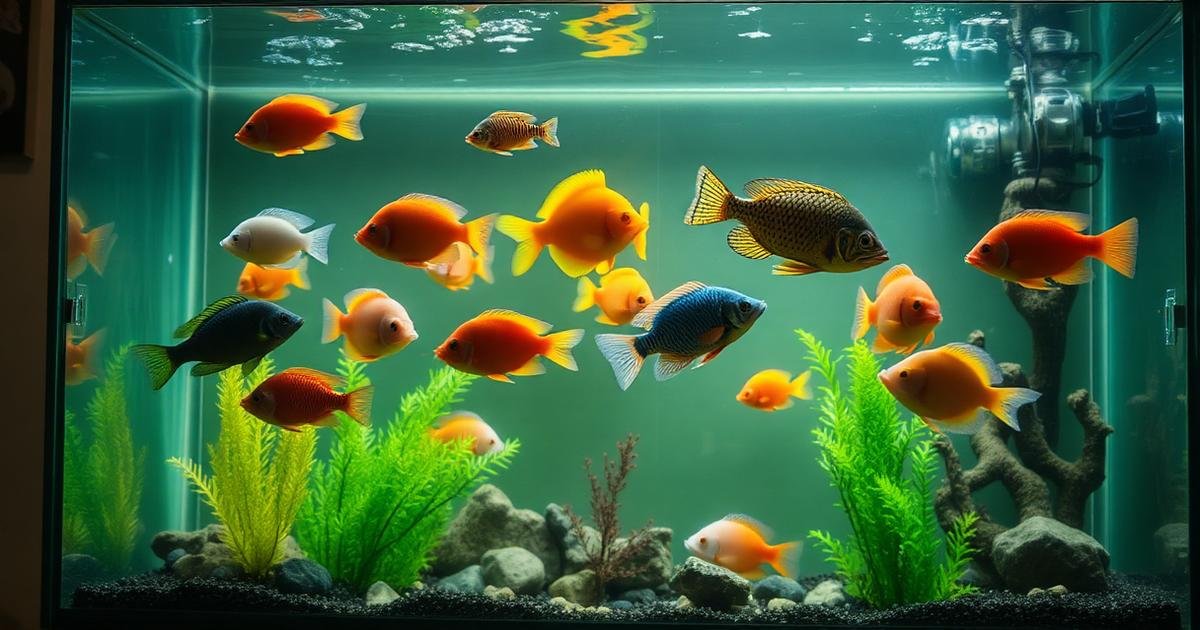
Choosing the right tank mates is the difference between a peaceful community aquarium and an underwater warzone. What fish can live together depends on matching temperament, water parameters, and adult size. The golden rule: peaceful, similarly sized fish with compatible water needs can share a tank. Get this wrong, and you'll deal with constant stress, disease, or dead fish within days.
What fish can live together: Start with peaceful community fish like neon tetras, harlequin rasboras, corydoras catfish, and guppies in a 20-gallon tank or larger. Always match fish that thrive in the same temperature range (74-80°F) and pH level (6.5-7.5). Avoid mixing aggressive species with timid ones, and never combine fish
Quick Answer: What fish can live together peacefully?
Start with peaceful community fish like neon tetras, harlequin rasboras, corydoras catfish, and guppies in a 20-gallon tank or larger. Always match fish that thrive in the same temperature range (74-80°F) and pH level (6.5-7.5). Avoid mixing aggressive species with timid ones, and never combine fish with drastically different adult sizes.
For a complete beginner friendly setup, see the Aquarium Setup Guide.
This what fish can live together decision works best when the owner compares daily fit, tolerance, and practical consistency together.
What determines whether fish can live together?
Three factors decide compatibility: temperament, water parameters, and adult size. Ignore any one of these, and you risk stress, disease, or death in your tank. Beginners often focus only on looks, which is the fastest route to disaster.
Temperament is the biggest variable. Aggressive fish like cichlids or bettas will attack peaceful community fish. Always research whether a species is known as a "fin nipper" or "territorial." The
Water parameters must overlap. A fish that needs soft, acidic water (pH 6.0-6.5) cannot live with one requiring hard, alkaline water (pH 7.6-8.0). Temperature is equally critical — tropical fish need 74-80°F, while goldfish need 65-72°F. A 2-degree difference might seem small, but it causes chronic stress that weakens immune systems over 2-3 weeks.
Adult size matters because fish grow. A 2-inch neon tetra and a 12-inch oscar may seem fine as juveniles, but the oscar will eventually eat the tetra. Always check the maximum adult size before adding any fish to your community. Many fish sold as 1-inch babies reach 6-12 inches within 6-12 months.
Pro Tip: Use aqadvisor.com or similar stocking calculators to check compatibility before buying. Enter your tank size, filter type, and desired fish — it will warn you about aggression and overstocking issues. This free tool has saved countless beginners from costly mistakes.
Why community fish are the safest starting point
Community fish are species bred for generations to tolerate tank mates. Tetras, rasboras, danios, corydoras, and peaceful gouramis are the classic choices. The American Veterinary Medical Association (
These fish naturally school or shoal, which reduces stress. A group of 6 neon tetras will stay together and ignore other species. A single tetra, however, becomes stressed and more likely to be picked on. Schooling fish need groups of at least 6 — ideally 8-10 — to feel secure and display natural behavior.
Bottom dwellers like corydoras catfish are equally social. They need groups of 4-6 of the same species. A single corydoras will hide constantly and may stop eating within 1-2 weeks. Always research social requirements before buying any fish.
Which fish should never live together?
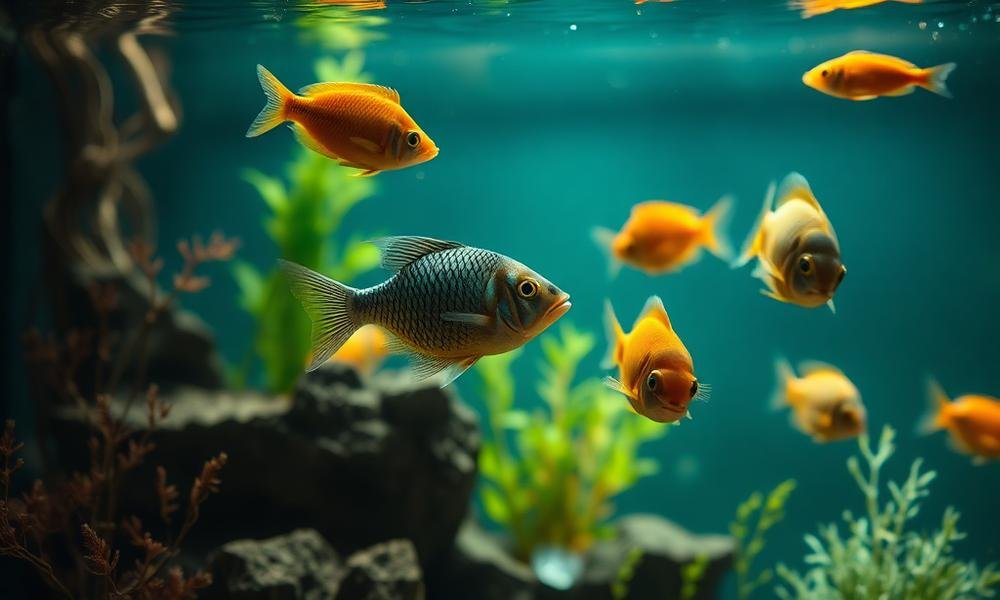
Some combinations are disasters waiting to happen. Avoid mixing aggressive cichlids with small tetras. Never put a betta with guppies — bettas see flowing fins as a threat. Goldfish and tropical fish cannot share a tank due to temperature differences. These mismatches cause visible stress within 24 hours.
Oscars, jack dempseys, and red devils are large cichlids that view any tank mate as food. They belong in species only tanks. Similarly, African cichlids are too aggressive for peaceful community setups. Even "semi-aggressive" species like tiger barbs can terrorize a peaceful tank if kept in small groups.
Shrimp and small fish are a risky mix. Most fish will eat cherry shrimp or amano shrimp. If you want shrimp, choose a species only shrimp tank or add them only with very small, peaceful fish like micro rasboras. Even then, expect some losses — shrimp are natural prey for most fish.
The "fin nipper" problem
Some fish are notorious fin nippers: tiger barbs, serpae tetras, and dwarf gouramis (sometimes). They target long finned fish like angelfish or bettas. Even if they don't kill the fish, constant nipping causes stress, fin rot, and secondary infections within 2-4 weeks.
The
Pro Tip: Tiger barbs can work in a community if kept in a group of 8 or more. They focus their aggression within their own species when properly schooled. Always quarantine new fish for 2-3 weeks before adding them to your main tank. This prevents introducing diseases that can wipe out your entire setup.
The temperature mismatch trap
This is one of the most common beginner mistakes. Goldfish, white cloud mountain minnows, and weather loaches need cold water (65-72°F). Tropical fish need warm water (74-80°F). Keeping them together means one group is always stressed. Stressed fish develop ich, fin rot, and other diseases within 1-2 weeks.
Similarly, some tropical fish have different temperature preferences. Discus need 82-86°F, while most tetras prefer 74-78°F. Always check the temperature range for every species you plan to keep. A 4-degree difference is enough to cause problems over time.
How to build a harmonious community tank
Start with a 20-gallon tank minimum. Smaller tanks have less water volume, which means less room for error. Aggression increases in cramped spaces because fish cannot establish territories. A 10-gallon tank limits you to 2-3 small species at most.
Choose a centerpiece fish (like a honey gourami or pearl gourami), then add dither fish (tetras, rasboras) and bottom dwellers (corydoras, kuhli loaches). This three layer approach mimics natural habitats and reduces competition for space. Each fish occupies a different vertical zone in the tank.
Add fish in the right order. Bottom dwellers first — they're shy and need time to settle. Then mid level fish. Then top level fish last. This gradual introduction reduces territorial disputes. Wait 2-3 weeks between adding new groups to let the biological filter adjust to the increased bioload.
A sample 29-gallon community stocking
Here's a proven combination that works for most beginners:
- 8 neon tetras (top/mid level)
- 6 harlequin rasboras (mid level)
- 6 panda corydoras (bottom level)
- 1 honey gourami (centerpiece)
- 2 nerite snails (clean up crew)
This stocking works because all fish are peaceful, stay under 3 inches, and share the same water preferences: pH 6.5-7.2, temperature 76-78°F. Total bioload is manageable for a standard hang-on back filter rated for 30-40 gallons.
A sample 55-gallon community stocking
For larger tanks, you have more options. Here's a proven 55-gallon combination:
- 12 cardinal tetras (top/mid level)
- 8 rummy nose tetras (mid level)
- 8 bronze corydoras (bottom level)
- 2 pearl gouramis (centerpiece)
- 4 otocinclus catfish (algae crew)
- 3 nerite snails (clean up crew)
This stocking provides visual variety while maintaining harmony. All species share similar water parameters (pH 6.5-7.0, temperature 76-78°F). The larger group sizes reduce stress and encourage natural schooling behavior.
Ready to build your dream community tank? Start with the right equipment.
Browse Aquarium Options →
What about aggressive fish — can any live together?
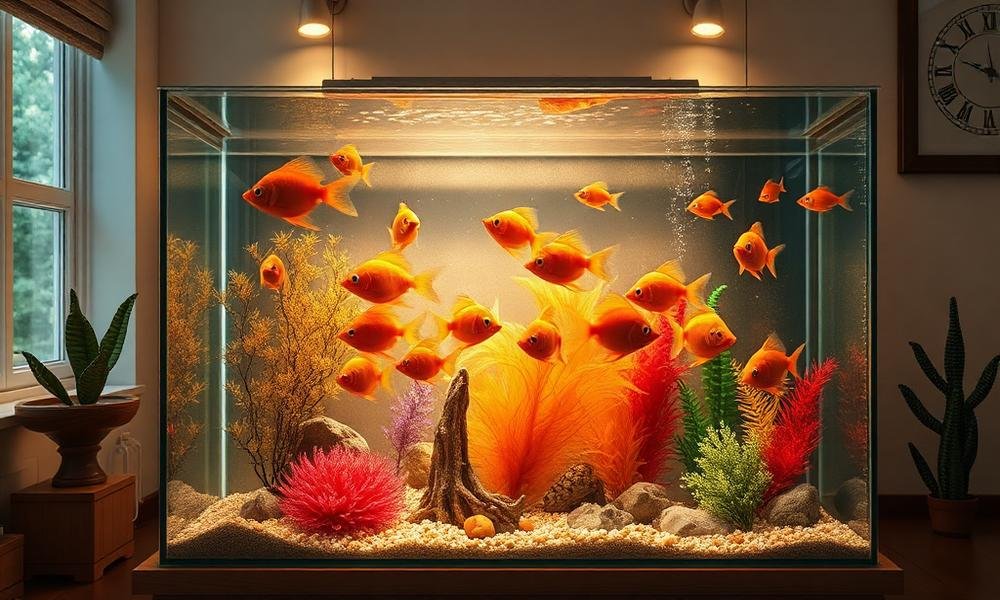
Yes, but only with careful planning. Aggressive fish can live together if they are similarly sized and have enough space. For example, a group of African cichlids in a 55-gallon tank can work if you overstock slightly to spread aggression. This dilutes the bullying so no single fish becomes the target.
The key is "dithering" — adding enough fish that no single fish becomes the target. For African cichlids, aim for 12-15 fish in a 55-gallon tank. Provide multiple hiding spots using rocks and caves to break line of sight. Stack rocks to create caves, overhangs, and visual barriers that allow subordinate fish to escape.
Never mix different types of aggressive fish. A flowerhorn and a green terror will fight to the death. Stick to one species or one genus when dealing with aggressive fish. Even within the same genus, individual personalities vary — some fish are simply more aggressive than others.
The species only tank option
Some fish simply cannot live with anything else. Bettas, goldfish (with each other yes, but not with tropicals), and large predatory fish like snakeheads belong in species only tanks. This is not a failure — it's responsible fishkeeping. Many experienced aquarists maintain species only tanks for their favorite fish.
The
Pro Tip: If you're set on keeping aggressive fish, consider a 75-gallon tank minimum. Larger tanks have more stable water chemistry and provide more escape routes for subordinate fish. Always have a backup plan (a spare tank) for removing bullies. A 10-gallon hospital tank works well for quarantining aggressive individuals.
How to introduce new fish without causing conflict
Proper introduction is just as important as choosing the right species. A rushed introduction can trigger aggression even among peaceful fish. Follow these steps to minimize stress and territorial disputes.
First, quarantine all new fish for 2-3 weeks in a separate tank. This prevents introducing diseases like ich, velvet, or columnaris. It also gives new fish time to recover from transport stress. Sick or stressed fish are more likely to be attacked by established tank mates.
Second, rearrange decorations before adding new fish. Move rocks, driftwood, and plants around. This disrupts established territories and gives new fish a chance to explore without being chased. Fish will need to re establish territories, which reduces aggression toward newcomers.
Third, add new fish during the evening when lights are dim. Turn off the tank light for 2-4 hours after introduction. Dim lighting reduces stress and aggression. Acclimate new fish slowly — float the bag for 15-20 minutes, then add small amounts of tank water every 5-10 minutes over 30-45 minutes.
Pro Tip: Use a drip acclimation method for sensitive fish like discus, rams, or shrimp. Set up a siphon from your main tank to the quarantine container, adjusting the flow to 2-4 drops per second. This slowly equalizes water parameters over 45-60 minutes, preventing osmotic shock.
Troubleshooting common compatibility issues
Even with careful planning, problems arise. Here's a quick troubleshooting matrix for common issues:
| Problem | Likely Cause | Solution |
|---|---|---|
| Fin nipping | Too few of the nipping species, or long finned tank mates | Increase school size to 8+; remove long finned fish; add more hiding spots |
| Hiding all day | Bullying from a dominant fish | Check for aggression; add more hiding spots; separate the bully for 1-2 weeks |
| Fish disappearing | Predatory tank mate ate them | Remove the predator; check adult sizes before buying; add larger tank mates |
| Constant chasing | Territorial behavior or mating | Add more plants/rocks to break line of sight; increase tank size; remove the aggressor |
| Loss of appetite | Stress from bullying or poor water quality | Test water parameters; check for aggression; quarantine the stressed fish |
If you see clamped fins, rapid breathing, or loss of appetite, your fish are stressed. Stress weakens immune systems and leads to disease within 1-2 weeks. Quarantine any sick fish immediately in a separate tank. Treat the main tank only if all inhabitants show symptoms.
Veterinarians generally recommend a 10-gallon hospital tank for treating sick fish. Never medicate your main tank unless you're treating all inhabitants for the same condition. Medications can kill beneficial bacteria in your filter, causing ammonia spikes that kill your fish faster than the disease.
For broader reference and guidance, akc.org provides useful context on pet health and care decisions.
For broader reference and guidance, petmd.com provides useful context on pet health and care decisions.
Frequently Asked Questions
Can betta fish live with other fish?
Male bettas cannot live with other male bettas or fish with flowing fins (like guppies). Female bettas can sometimes live in a sorority of 4-6, but only in a heavily planted 20-gallon tank. Peaceful community fish like neon tetras or corydoras may work with a betta if the tank is large enough and the betta has hiding spots. Always have a backup plan — some bettas are simply too aggressive for community life.
Can goldfish live with tropical fish?
No. Goldfish need temperatures between 65-72°F, while tropical fish need 74-80°F. Goldfish also produce more waste than tropicals, requiring stronger filtration. They can live with other cold water fish like white cloud mountain minnows or weather loaches. A 30-gallon tank is the minimum for a single goldfish with cold water tank mates.
What fish can live together in a 10-gallon tank?
A 10-gallon tank is very limited. Your best bet is a single betta with 2-3 small snails, or 6 neon tetras with 2-3 cherry shrimp. Avoid adding bottom dwellers like corydoras — they need a 20-gallon minimum. Overstocking a 10-gallon tank causes ammonia spikes and stress within 1-2 weeks. Stick to 2-3 small species at most.
Can angelfish live with neon tetras?
Adult angelfish will eat neon tetras — they're natural prey in the wild. Dwarf angelfish (like altums) are slightly safer but still risky. If you want both, choose a 55-gallon tank with heavy planting and add the tetras first so they establish territory. Expect some losses, especially as the angelfish grow. Larger tetras like black skirts or serpae tetras are safer choices.
What fish can live together with cichlids?
Only other cichlids of similar size and temperament. African cichlids (mbuna) can live with other mbuna if you overstock slightly to spread aggression. South American cichlids (like rams) are more peaceful and can live with tetras and corydoras. Never mix African and South American cichlids — they have different water needs. African cichlids need hard, alkaline water (pH 7.6-8.0), while South Americans need soft, acidic water (pH 6.0-6.8).
Can shrimp live with any fish?
Most fish will eat shrimp, especially small cherry shrimp. Amano shrimp are safer because they're larger and more active. Otocinclus catfish and nerite snails are the safest tank mates for shrimp. If you want a shrimp colony, set up a species only tank of at least 5 gallons. Add plenty of moss and plants for baby shrimp to hide in.
How many fish can I put in a 20-gallon tank?
A 20-gallon tank can safely hold 10-12 small fish (under 3 inches adult size). Follow the "1 inch of fish per gallon" rule as a rough guide, but adjust based on fish activity level and waste production. A school of 8 neon tetras, 6 pygmy corydoras, and 1 honey gourami works well. Avoid overstocking — it causes ammonia spikes, aggression, and disease.
Can I mix different types of tetras?
Yes, different tetra species can live together as long as they share similar water parameters and temperament. Neon tetras, cardinal tetras, black neon tetras, and rummy nose tetras all coexist peacefully. Keep each species in groups of at least 6 to prevent inter species aggression. Mixing species adds visual variety without compatibility issues.