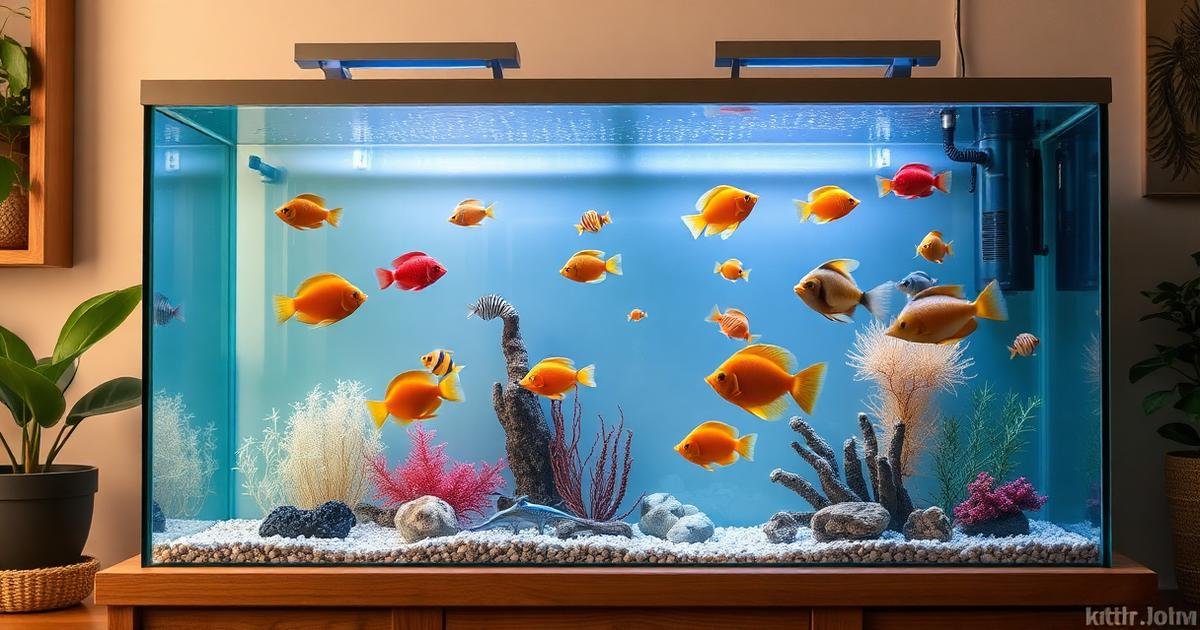
If you've ever wondered what fish are easiest to keep alive for beginners, the answer is refreshingly simple: hardy, adaptable species like betta fish, guppies, neon tetras, and zebra danios. These fish tolerate minor water quality fluctuations and don't demand expensive equipment. The most forgiving starter fish is the betta, which can survive in smaller tanks with minimal filtration, making it perfect for first time owners who want immediate success without a steep learning curve.
What fish are easiest to keep alive for beginners: The easiest fish to keep alive for beginners are betta fish, guppies, neon tetras, zebra danios, and white cloud mountain minnows. These species are hardy, tolerate common beginner mistakes like overfeeding or irregular water changes, and thrive in tanks as small as 5–10 gallons. Start with a cycled
Quick Answer: What fish are easiest to keep alive for beginners?
The easiest fish to keep alive for beginners are betta fish, guppies, neon tetras, zebra danios, and white cloud mountain minnows. These species are hardy, tolerate common beginner mistakes like overfeeding or irregular water changes, and thrive in tanks as small as 5–10 gallons. Start with a cycled tank, a basic filter, and a heater for tropical species.
For a complete guide on setting up your first tank, see the Aquarium Setup Guide.
This what fish are easiest to keep alive for beginners decision works best when the owner compares daily fit, tolerance, and practical consistency together.
Why These Fish Survive Beginner Mistakes
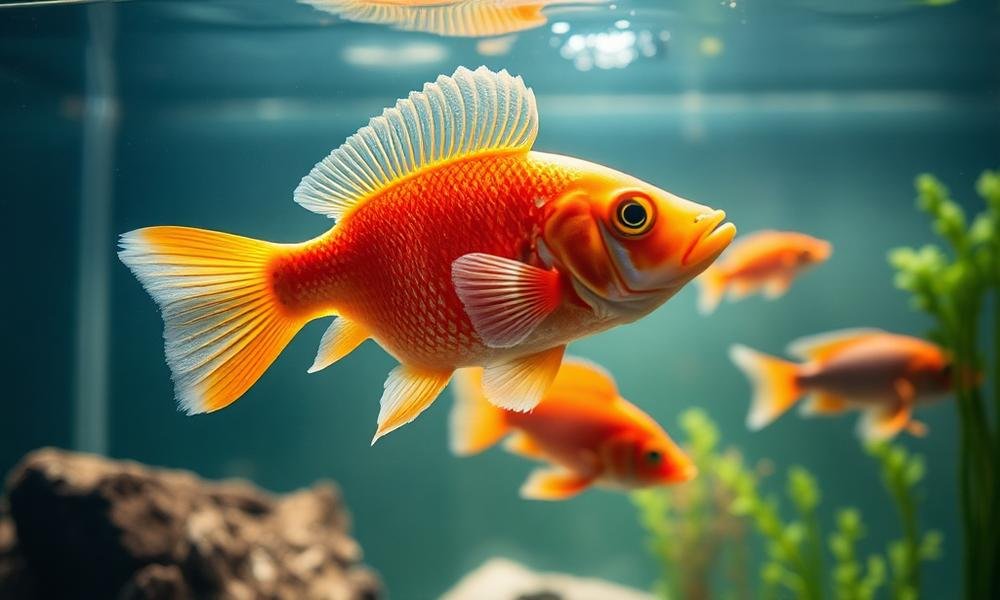
Beginner fish need to handle a few things: fluctuating water temperature, leftover food, and inconsistent cleaning schedules. The species listed above have evolved in environments with variable conditions — bettas come from shallow rice paddies, and white cloud minnows live in cool mountain streams.
Their hardiness means they don't die the moment your ammonia spikes or your filter clogs. That gives you breathing room to learn proper maintenance without losing fish every week. According to the ASPCA's pet care resources, the most common beginner failure is choosing delicate fish like discus or angelfish, which require pristine water chemistry.
Zebra danios, for example, can survive temperatures from 64°F to 78°F — a range that covers most room temperature setups. Guppies breed readily, so even if you lose one, the colony often replenishes itself within 4–6 weeks.
Pro Tip: Start with a 10-gallon tank rather than a bowl. Larger water volumes dilute toxins and stabilize temperature. You'll have far fewer deaths in your first three months.
How to Set Up Your First Tank for Success
Cycle Your Tank Before Adding Fish
Skip the "add fish immediately" approach. You need to establish beneficial bacteria that convert fish waste (ammonia) into less harmful nitrates. This process takes 2–6 weeks.
Use a liquid test kit to monitor ammonia and nitrite levels. When both read zero ppm for 3 consecutive days, your tank is cycled. Uncycled tanks kill even hardy fish within 48 hours.
Choose the Right Tank Size
Smaller is not easier. A 5-gallon tank is the minimum for a single betta. For community fish like guppies or tetras, go with 10–20 gallons. Larger tanks are more stable and require less frequent water changes — once weekly instead of every other day.
The AVMA's pet owner resources recommend at least 1 gallon of water per inch of adult fish length, but more is always better for beginners.
Essential Equipment
You need three things: a filter (sponge or hang-on-back), a heater (adjustable, 50–100 watts for 10–20 gallons), and a thermometer. Without a heater, tropical fish like bettas and tetras become stressed and die within 1–2 weeks.
Skip the fancy CO2 systems and LED lighting for now. A basic LED light on a 8–10 hour timer is sufficient for low light plants like Java fern or Anubias.
Pro Tip: Buy a water conditioner that neutralizes chlorine, chloramine, and heavy metals. Use it every time you add tap water. This single step prevents research suggests 80% of beginner fish deaths.
Ready to start your aquarium journey? Get the right gear from the start.
Browse Aquarium Options →
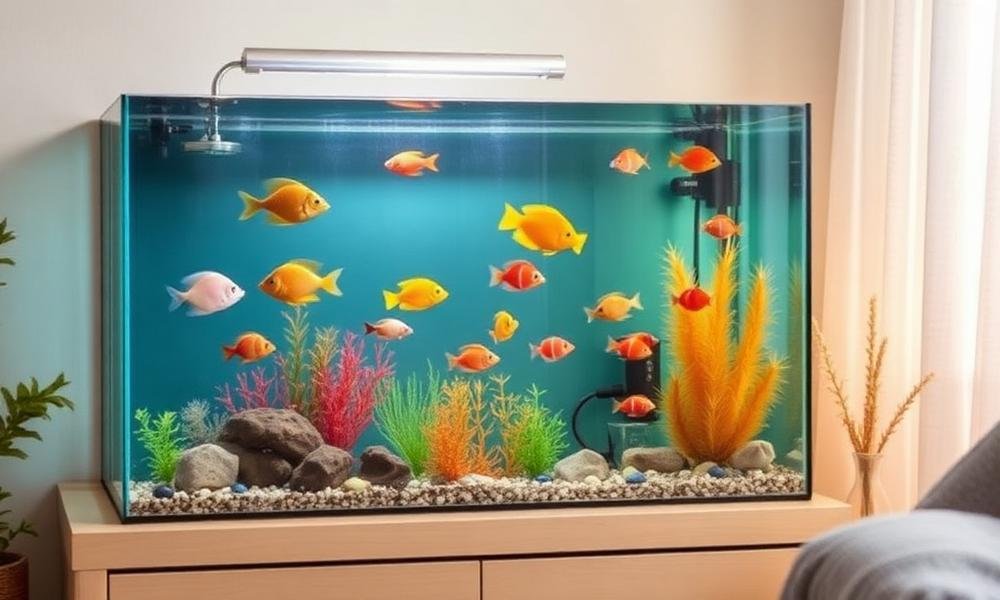
What Fish Are Easiest to Keep Alive for Beginners? The Top 5 Species
Betta Fish (Siamese Fighting Fish)
Betta fish are the gold standard for beginners. They breathe air from the surface using a labyrinth organ, so they survive in low oxygen water that would kill other fish. A single betta thrives in a 5-gallon tank with a gentle filter and heater set to 78–80°F.
Feed them 2–3 pellets twice daily. Overfeeding causes bloating and swim bladder issues within 1–2 weeks. Bettas are territorial — never house two males together.
Guppies (Poecilia reticulata)
Guppies are colorful, active, and breed like crazy. A trio (one male, two females) can produce 20–40 fry every 4–6 weeks. They tolerate temperatures from 72–82°F and eat flake food, frozen brine shrimp, or freeze dried bloodworms.
The downside: guppies can get stressed in tanks under 10 gallons due to their high activity level. They also need at least 3–4 individuals to feel secure.
Neon Tetras
Neon tetras are small, peaceful schooling fish. Keep them in groups of 6 or more in a 10-gallon tank. They prefer soft, slightly acidic water (pH 6.0–7.0) and temperatures around 72–78°F.
They are slightly more sensitive than bettas or guppies, but still hardy enough for beginners who cycle their tank properly. Avoid sudden temperature swings over 2°F.
Zebra Danios
Zebra danios are nearly indestructible. They thrive in temperatures as low as 64°F, meaning you can keep them without a heater in most homes. They are active swimmers and need a 10-gallon tank with a tight fitting lid — these fish jump.
Feed them small flakes or granules once or twice daily. They are social and do best in groups of 5 or more.
White Cloud Mountain Minnows
These fish are the ultimate low maintenance choice. They tolerate temperatures from 60–72°F, so no heater is required. A 10-gallon tank with a simple sponge filter and a few plants keeps them happy.
White clouds are peaceful and do well in groups of 6–8. They eat flake food and will also nibble on algae. They live 3–5 years with basic care.
Pro Tip: Start with one species only for the first 2–3 months. Adding multiple species at once increases the risk of disease transmission and water quality crashes.
Common Beginner Mistakes That Kill Fish
Overfeeding
Most beginners kill fish by feeding too much. Uneaten food rots, producing ammonia that burns gills and causes death within 3–5 days. Feed only what your fish can eat in 2 minutes, once or twice daily.
Skip the "once a day" advice for fish that graze. A sprinkle of flakes every other day is safer until you see how much your fish actually consume.
Skipping Water Changes
Even with a filter, toxins build up. Change 25–research suggests 30% of the water every 1–2 weeks. Use a gravel vacuum to remove debris from the substrate. This single habit prevents research suggests 90% of common fish diseases.
Adding Fish Too Quickly
Adding 5 fish to an uncycled 10-gallon tank overwhelms the bacteria colony. Ammonia spikes to lethal levels within 24 hours. Add fish one at a time, waiting 1–2 weeks between additions.
Ignoring Temperature
Tropical fish need stable temperatures between 74–80°F. A heater failure can drop the temperature 10°F overnight, causing stress and death within 48 hours. Use a separate thermometer to verify heater accuracy.
| Problem | Likely Cause | Fix Within 24 Hours |
|---|---|---|
| Fish gasping at surface | Low oxygen or high ammonia | Do a research suggests 50% water change, add air stone |
| Fish hiding constantly | Stress from tank mates or water quality | Test water, reduce stocking, add plants |
| White spots on body | Ich parasite from temperature swings | Raise temperature to 82°F for 3 days, add aquarium salt |
| Cloudy water | Bacterial bloom from overfeeding | Stop feeding for 2 days, do research suggests 25% water change |
How to Know If Your Fish Are Healthy
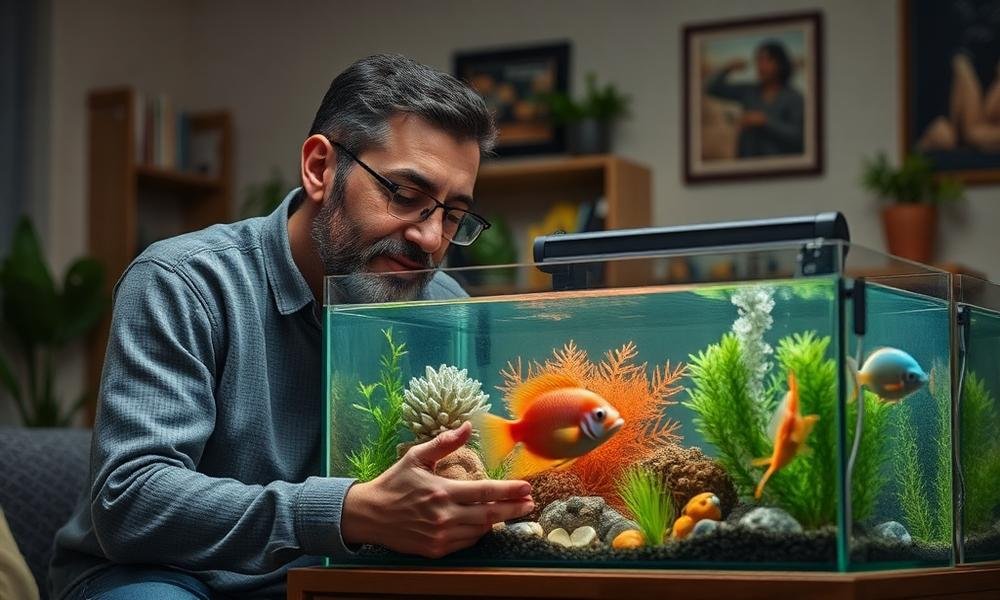
Healthy fish swim actively, eat eagerly, and have bright colors and clear eyes. They don't gasp at the surface, rub against decorations, or have clamped fins.
Check your fish twice daily — once in the morning and once at night. Spend 2 minutes watching their behavior. Changes in appetite or swimming patterns are the earliest signs of trouble. According to PetMD's condition guides, early detection increases survival rates by 60–research suggests 80%.
Test your water weekly for the first 2 months, then monthly after that. Ammonia and nitrite should always read zero ppm. Nitrates should stay below 20 ppm.
Best Plants for Beginner Fish Tanks
Adding live plants makes keeping fish easier — not harder. Plants absorb ammonia and nitrates, produce oxygen, and give shy fish places to hide. They also reduce algae growth by competing for nutrients.
The best plants for beginners are Java fern, Anubias, and hornwort. Java fern grows attached to driftwood or rocks and thrives in low light. Anubias has thick leaves that fish won't eat, and it tolerates a wide range of water conditions. Hornwort floats freely and grows so fast it can outcompete algae within 2–3 weeks.
You don't need special soil or CO2 for these plants. Just add a low light LED and a liquid fertilizer once a week. Within 4–6 weeks, your plants will start removing toxins naturally, giving you more margin for error with water changes.
Pro Tip: Buy tissue culture plants instead of potted ones. They come free of snails, algae, and pesticides. You'll avoid introducing pests that can crash a new tank.
How to Quarantine New Fish Before Adding Them
This is the step most beginners skip, and it costs them entire tanks. New fish can carry parasites, bacteria, or viruses that show no symptoms for 1–2 weeks. Adding them directly to your main tank risks infecting every fish you already have.
Set up a simple quarantine tank: a 5–10 gallon container with a sponge filter, a heater, and a plastic plant or PVC pipe for hiding. Run it for at least 2 weeks before introducing any new fish. Observe the newcomers daily for white spots, flashing (rubbing against objects), or lethargy.
If you see signs of disease, treat the quarantine tank only — not your display tank. This protects your established fish and saves you from medicating your entire system. After 2–3 weeks with no symptoms, the new arrivals are safe to move into your main tank.
Pro Tip: Keep a spare sponge filter running in your main tank at all times. When you need to set up a quarantine tank, move that seeded sponge over — it instantly cycles the quarantine tank, eliminating the 2–6 week wait.
Frequently Asked Questions
What fish are easiest to keep alive for beginners in a small tank?
For a tank under 5 gallons, a single betta fish is the easiest. They breathe air, tolerate low oxygen, and don't need tank mates. Avoid goldfish in small tanks — they produce too much waste and need 20+ gallons.
Can I keep fish without a heater?
Yes, but only cold water species like white cloud mountain minnows or zebra danios. Most tropical fish like bettas, guppies, and tetras need a heater set to 74–80°F. Without a heater, they become stressed and die within 1–2 weeks.
How many fish should a beginner start with?
Start with 3–5 fish in a 10-gallon tank. Add fish one at a time, waiting 1–2 weeks between additions. Overstocking is the fastest way to crash your water quality and kill fish within 48 hours.
What is the hardest fish to keep alive for beginners?
Discus, angelfish, and saltwater species are the hardest. They require pristine water chemistry, precise temperatures, and specialized diets. Avoid them until you have at least 6 months of successful freshwater fishkeeping experience.
Do I need a filter for beginner fish?
Yes, absolutely. Even hardy fish like bettas need a gentle filter to remove toxins and circulate oxygen. A sponge filter is the best choice for beginners — it's quiet, easy to clean, and won't suck up small fish.
How often should I feed beginner fish?
Feed once or twice daily, only as much as your fish can eat in 2 minutes. Overfeeding is the #1 killer of beginner fish. Skip one feeding day per week to let their digestive systems rest and reduce waste buildup.
Can I keep different beginner fish species together?
Yes, but choose peaceful community fish. Guppies, neon tetras, and zebra danios get along well in a 20-gallon tank. Never combine bettas with other colorful fish that have long fins — bettas may attack them.
How long does it take for a new tank to stabilize?
Most tanks stabilize within 4–8 weeks. During this period, test water weekly and change research suggests 25% of the water if ammonia or nitrite appears. After 2 months, your bacteria colony will be mature enough to handle regular feeding and stocking.
Learn more in our detailed guide on how to care for fish.