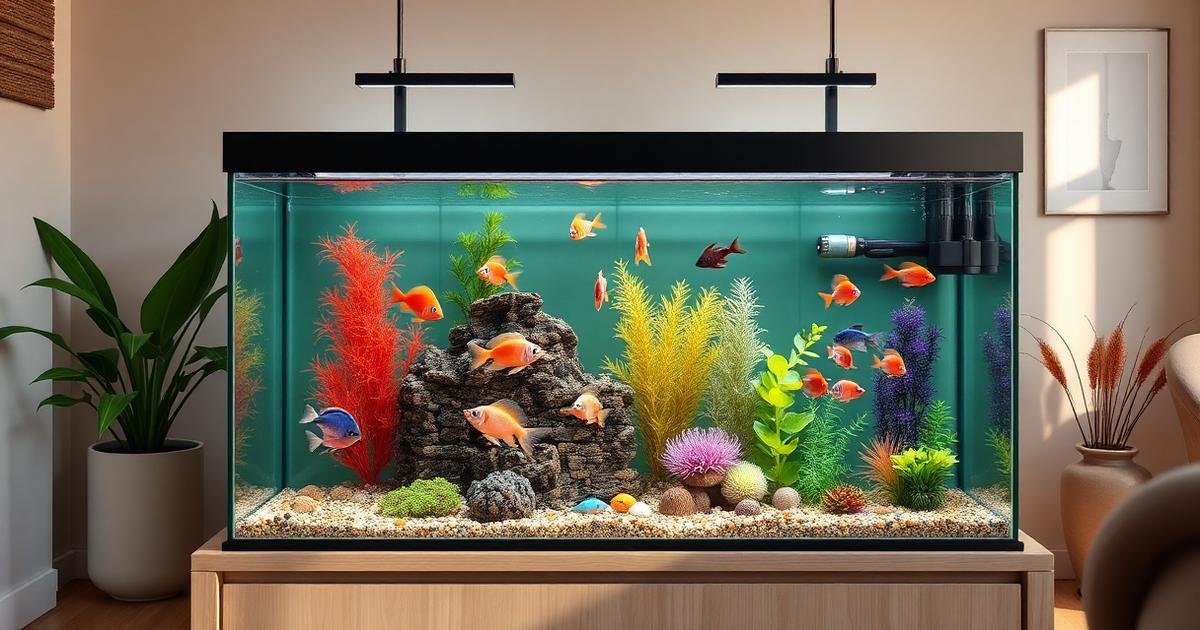
Starting your aquarium journey is exciting, but choosing the wrong tank can turn that excitement into frustration fast. The best fish tanks for beginners are those that balance ease of maintenance, stability, and room for error — typically a 20-gallon or larger rectangular glass tank with a reliable filtration system. A larger water volume is more forgiving of water quality fluctuations, making it the single most important factor for a beginner's success.
Best fish tanks for beginners: The best fish tank for a beginner is a standard rectangular glass aquarium between 20 and 40 gallons. This size provides stable water chemistry, enough space for a community of hardy fish like danios or platies, and is easy to clean. Avoid bowls, nano tanks, and kits with underpowered filters. For m
Quick Answer: What is the best fish tank for a beginner?
The best fish tank for a beginner is a standard rectangular glass aquarium between 20 and 40 gallons. This size provides stable water chemistry, enough space for a community of hardy fish like danios or platies, and is easy to clean. Avoid bowls, nano tanks, and kits with underpowered filters. For most beginners, the Top Fin Essentials 20 or Aqueon LED 29 offer the best balance of cost, quality, and ease of use.
For a complete guide on setting up your first tank, see the Aquarium Setup Guide.
Why Tank Size Matters More Than Anything Else for Beginners
The biggest mistake new fish keepers make is buying a tank that is too small. A 5-gallon or 10-gallon tank might seem manageable, but it is actually much harder to keep stable. In a small volume of water, ammonia spikes happen faster, temperature swings are more dramatic, and your fish have no buffer zone.
A 20-gallon tank is the sweet spot. It holds enough water to dilute waste products between water changes, giving you a few days of grace if you miss a cleaning. The American Veterinary Medical Association (AVMA) recommends at least 20 gallons for a beginner's community tank, as it allows for proper filtration and stable water parameters (source: AVMA Aquarium Care).
Larger tanks also give your fish room to swim and establish territories. This reduces stress and aggression, which are common reasons beginner fish die. If you have the space and budget, a 40-gallon breeder tank is even better — it is wider and shallower, providing more surface area for gas exchange and easier access for cleaning.
Pro Tip: Never trust the "gallon per inch of fish" rule. It ignores fish activity levels and bioload. A 3-inch goldfish needs at least 20 gallons — not 3. Always research your specific fish's adult size and space requirements.
Glass vs. Acrylic: Which Material Should a Beginner Choose?
For a beginner, glass is almost always the better choice. Glass tanks are scratch-resistant, cheaper, and do not yellow over time. They are also heavier, but that weight adds stability. Acrylic tanks are lighter and clearer, but they scratch easily — even from a standard algae scraper — and those scratches are permanent.
Glass tanks also hold their value better and are less likely to bow under water pressure. The only downside is that glass is more brittle, so you must ensure the tank is on a perfectly level stand. A slight wobble can stress the silicone seams over time.
If you plan to move your tank frequently or need a custom shape (like a hexagon or bowfront), acrylic might be worth considering. But for a first tank, stick with standard rectangular glass. It is the most forgiving and easiest to maintain.
What to Look for in a Beginner Aquarium Kit
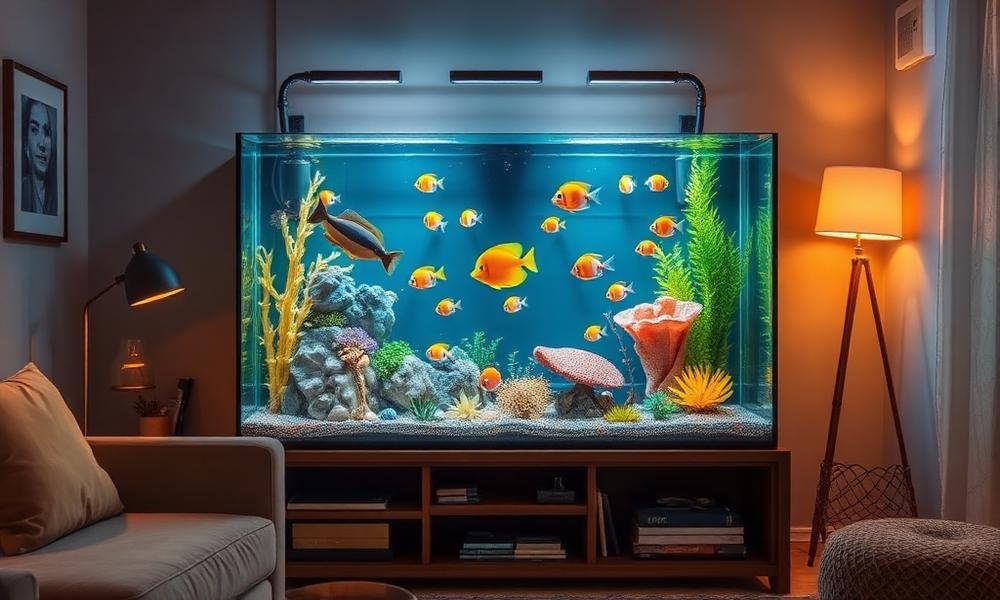
Most beginners start with a kit, which includes the tank, filter, heater, and lighting. This can save you money and simplify the buying process. But not all kits are created equal. The best fish tanks for beginners come with a filtration system that is rated for at least 2–3 times the tank's volume per hour.
Filtration: The Heart of Your Tank
Look for a kit with a hang-on-back (HOB) filter or a canister filter. HOB filters are easy to maintain and great for tanks up to 40 gallons. Canister filters are more powerful and better for larger tanks, but they require more setup. Avoid kits with under gravel filters or cartridge based systems that require frequent, expensive replacements.
Heater and Temperature Control
A reliable heater is non negotiable for tropical fish. The kit should include a fully submersible heater with a wattage of 3–5 watts per gallon. For a 20-gallon tank, that means a 75–100 watt heater. Look for a heater with an adjustable thermostat and an automatic shutoff to prevent overheating.
Lighting: More Than Just Aesthetics
For a beginner, standard LED lighting is sufficient. It supports low light plants like java fern and anubias, which help absorb nitrates. Avoid kits with fluorescent lights — they produce more heat, use more electricity, and need replacement bulbs. LED lights last for years and are energy-efficient.
Pro Tip: Before you buy a kit, check the included filter's flow rate. Many budget kits include undersized filters. You can always upgrade the filter later, but starting with a properly sized one saves you money and frustration.
How to Cycle Your Tank Properly (The Step Beginners Skip)
Cycling is the process of establishing beneficial bacteria in your filter that convert toxic ammonia into nitrite and then into less harmful nitrate. Without a cycled tank, fish produce waste that quickly poisons them. This process takes 4–6 weeks and is the most critical step in setting up your first aquarium.
Start by filling your tank with dechlorinated water and running the filter and heater for 24 hours. Then introduce an ammonia source — either a pinch of fish food every other day or a few drops of pure liquid ammonia. Test the water every 3–4 days using a liquid test kit like the API Master Test Kit. You will see ammonia rise, then nitrite appear, and eventually nitrate show up. When both ammonia and nitrite read 0 ppm for 3 consecutive days, your tank is cycled and safe for fish.
Many beginners skip this step because it feels like waiting. But adding fish to an uncycled tank causes "new tank syndrome," where fish die within days from ammonia poisoning. According to PetMD, cycling is the number one mistake new owners make (source: PetMD Cycling Guide). Do not rush it — your patience will be rewarded with healthy, active fish.
Pro Tip: Use a liquid test kit, not test strips. Strips are less accurate and expire faster. The API Freshwater Master Test Kit costs about $35 and gives you hundreds of tests. It pays for itself the first time you avoid a fish loss.
Top 5 Best Fish Tanks for Beginners: Comparison and Reviews
These are the tanks that consistently perform well for new fish keepers. We have selected them based on size, build quality, included components, and value for money. Each recommendation prioritizes stability and ease of use over flashy features.
| Model | Size | Material | Filter Type | Best For |
|---|---|---|---|---|
| Fluval Flex 15 | 15 gallons | Glass | Internal (3-stage) | Desk or small space |
| Marineland Portrait | 5 gallons | Glass | Internal (2-stage) | Single betta or shrimp |
| Top Fin Essentials 20 | 20 gallons | Glass | HOB (cartridge) | Budget friendly community tank |
| Aqueon LED 29 | 29 gallons | Glass | HOB (Biowheel) | Larger community with live plants |
| Seapora 40 Breeder | 40 gallons | Glass | Sold separately | Serious beginner wanting long term tank |
Fluval Flex 15
The Fluval Flex 15 is an excellent choice if you are limited on space. Its curved front glass provides a panoramic view, and the 3-stage internal filter is quiet and effective. However, 15 gallons is still on the smaller side, so you must be diligent with water changes — expect to do a research suggests 25% water change every 5–7 days. It is best for a small community of nano fish like neon tetras or cherry barbs.
Marineland Portrait
This 5-gallon tank is really only suitable for a single betta or a shrimp colony. The included LED lighting is good for low light plants, and the internal filter is adjustable. But do not be tempted to add more fish — 5 gallons is not enough for any community. The primary keyword best fish tanks for beginners rarely includes tanks this small, but it works for a very specific, low bioload setup.
Top Fin Essentials 20
This is the most affordable 20-gallon kit on the market. It includes a heater, HOB filter, and LED light. The filter uses cartridges, which you will need to replace every 3–4 weeks. For the price, it is a solid starter kit. The main drawback is the filter — it is not as powerful as some, so you may want to upgrade it after a few months. For the money, it is one of the best fish tanks for beginners on a tight budget.
Aqueon LED 29
The 29-gallon Aqueon is a step up in size and quality. The Biowheel filter provides excellent biological filtration, and the included LED light is bright enough for most beginner plants. This tank is tall, so cleaning the bottom can be a bit challenging without a long reaching gravel vacuum. It is ideal for a community of medium sized fish like angelfish or gouramis.
Seapora 40 Breeder
This is the tank you buy if you want to do it right the first time. At 40 gallons, it is extremely stable and forgiving. The breeder style tank is wider and shallower, making it easy to clean and great for fish that prefer horizontal swimming space. It does not come with a filter or heater, but that allows you to choose high quality components. This is the long term choice among the best fish tanks for beginners who plan to stick with the hobby.
Pro Tip: Whatever tank you choose, budget an extra $50–100 for a better filter and a reliable heater. The components in budget kits are often the first thing to fail. A good filter lasts years; a bad one can crash your cycle in days.
How to Set Up Your First Tank for Success
Setting up a tank is not just about filling it with water and adding fish. You must cycle the tank first, which establishes the beneficial bacteria that convert toxic ammonia into less harmful nitrates. This process takes 4–6 weeks.
Start by placing the tank on a level, sturdy stand. Fill it with dechlorinated water, install the filter and heater, and let it run for 24 hours. Then add a source of ammonia — either fish food or pure liquid ammonia — to start the cycle. Test the water every 3–4 days with a liquid test kit. You will see ammonia spike, then nitrite, then nitrate. Once both ammonia and nitrite read zero for 3 consecutive days, your tank is cycled.
Only then should you add fish. Start with 2–3 hardy fish like zebra danios or platies. Wait 2 weeks before adding more. This slow approach prevents overloading your new filter and gives the bacteria time to adjust to the increased bioload. For a more detailed walkthrough, check the Aquarium Setup Guide.
Common Beginner Mistakes and How to Avoid Them
Every new fish keeper makes mistakes. The key is knowing which ones are most common so you can avoid them. The top three mistakes are overfeeding, adding too many fish too quickly, and skipping water changes.
Overfeeding is the most frequent error. Uneaten food rots and produces ammonia, spiking your water parameters. Feed your fish only what they can eat in 2 minutes, once or twice a day. If you see food sinking to the bottom, you are feeding too much. A 24-hour fast once a week is actually beneficial for most fish — it helps their digestive systems reset.
Adding too many fish at once overwhelms your filter's bacteria colony. The bacteria need time to multiply to handle the increased waste. Add no more than 2–3 fish per week. This slow stocking approach is far safer and leads to fewer losses. The ASPCA recommends adding fish gradually to prevent biological overload (source: ASPCA Pet Care).
Skipping water changes is a silent killer. Even with a good filter, toxins build up over time. A research suggests 25% water change every 7–10 days removes nitrates and restores minerals. Mark it on your calendar — it is as important as feeding.
Frequently Asked Questions
What size tank is best for a complete beginner?
A 20-gallon rectangular glass tank is the best size for a beginner. It provides enough water volume to buffer water quality mistakes, fits on most standard stands, and offers enough room for a small community of 6–8 hardy fish. Anything smaller is harder to maintain.
Can I start with a 5-gallon tank?
You can, but it is not recommended. A 5-gallon tank is very unstable — ammonia spikes happen quickly, and temperature swings are extreme. It is only suitable for a single betta or a few shrimp. For any community of fish, you need at least 20 gallons.
Should I buy a kit or separate components?
For a first tank, a kit is usually the better choice. It saves you money and simplifies the buying process. Just be sure to check the included filter and heater quality. If the kit has a cheap filter, plan to upgrade it within the first 3 months.
How often should I clean a beginner fish tank?
You should perform a research suggests 25% water change every 7–10 days for a 20-gallon tank. Use a gravel vacuum to remove debris from the substrate. Also, clean the filter media every 3–4 weeks by rinsing it in dechlorinated water — never tap water, which kills beneficial bacteria.
What fish are best for a beginner's tank?
Hardy, peaceful community fish are best. Zebra danios, platies, neon tetras, and corydoras catfish are all excellent choices. They tolerate a range of water parameters and are not aggressive. Avoid goldfish — they need much more space and produce a lot of waste.
Do I need a heater for a beginner's fish tank?
Yes, if you are keeping tropical fish. Most popular beginner fish (danios, tetras, platies) require water temperatures between 74°F and 80°F. A 100-watt heater is sufficient for a 20-gallon tank. Only cold water fish like goldfish or white cloud mountain minnows can live without a heater.
How long does it take to cycle a new tank?
Cycling a new tank typically takes 4–6 weeks. The process depends on water temperature, ammonia source, and filter efficiency. Using liquid ammonia or fish food speeds it up. Adding bottled bacteria can reduce the time to 2–3 weeks, but test your water to be sure.
Can I use tap water in my fish tank?
You can, but you must treat it first. Tap water contains chlorine and chloramine, which are toxic to fish. Use a dechlorinator like Seachem Prime to neutralize these chemicals. Let the treated water sit for 15 minutes before adding it to the tank.
Ready to start your aquarium journey? Find the perfect tank for your space and budget.
Browse Aquarium Options →