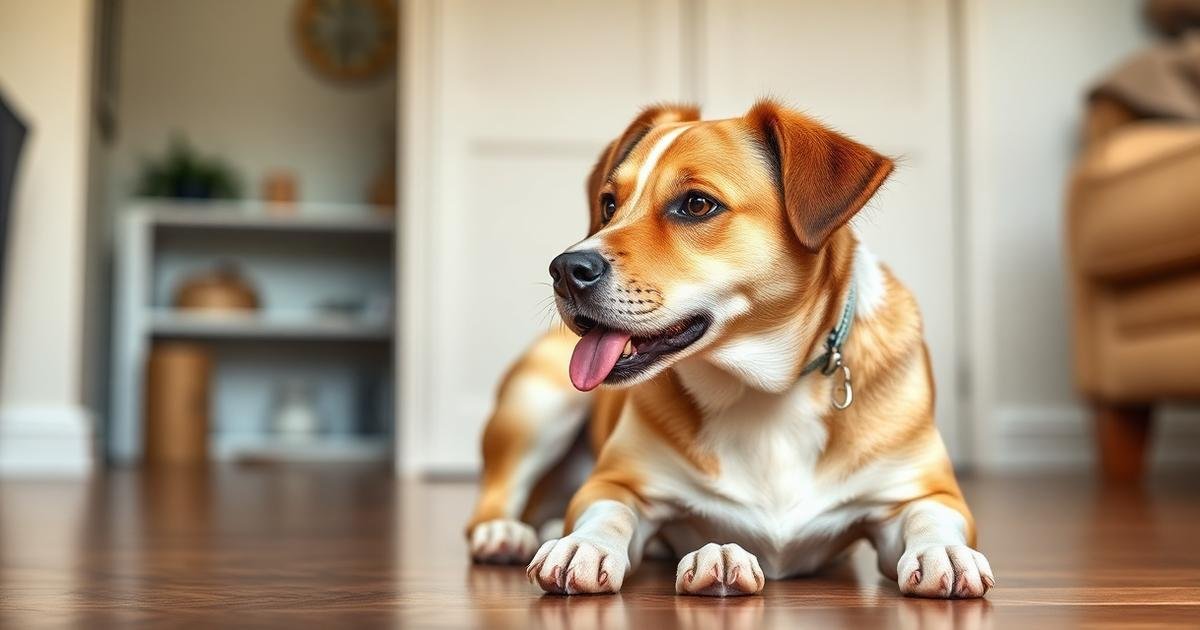
Handling dog diarrhea seizures-causes-and-treatment/">causes and treatment correctly makes a noticeable difference in your pet's daily life. Dog diarrhea happens to the best of us. It can come from sneaking table scraps, a sudden switch in food, stress from the new puppy in the house, or even a hidden health issue. When you're figuring out what's going on, start by playing detective. Then, give your dog's gut a break with a 24-hour fast, followed by a simple bland diet like boiled chicken and rice. Watch closely for signs of dehydration—check their gums and skin elasticity. Most pups bounce back within 48 hours with this kind of home care. But if the diarrhea sticks around or you see blood, don't wait. Get to the vet fast to avoid serious trouble like severe dehydration or organ damage.
Dog diarrhea causes and treatment: The fastest home treatment for uncomplicated dog diarrhea is a 12–24 hour fast (water only), followed by small, frequent meals of a bland diet like boiled chicken and white rice. Add 1–2 tablespoons of plain canned pumpkin per meal for soluble fiber. If diarrhea persists beyond 48 hours or includes
Quick Answer: What Is the Fastest Way to Treat Dog Diarrhea at Home?
The fastest home treatment for uncomplicated dog diarrhea is a 12–24 hour fast (water only), followed by small, frequent meals of a bland diet like boiled chicken and white rice. Add 1–2 tablespoons of plain canned pumpkin per meal for soluble fiber. If diarrhea persists beyond 48 hours or includes blood, vomiting, or lethargy, see a vet immediately.
For a complete guide on this topic, see the Ultimate Guide To Dog Health.
What Are the Most Common Causes of Dog Diarrhea?
Dietary indiscretion is the leading cause—dogs eating garbage, table scraps, or spoiled food. Sudden food changes, food allergies, or intolerance to ingredients like dairy or grains also trigger loose stools within 12–24 hours. Even a single high fat treat can overwhelm the pancreas and cause acute diarrhea in sensitive breeds.
For many homes, the right dog diarrhea causes and treatment choice is the one that stays reliable under ordinary daily conditions.
Infectious causes include bacterial infections (Salmonella, E. coli), viral infections (parvovirus, distemper), and intestinal parasites like giardia or roundworms. Stress from boarding, travel, or new environments can cause stress colitis, producing urgent, mucousy diarrhea. According to the AKC, any toxin ingestion or foreign body obstruction requires immediate veterinary attention, as these can cause life threatening complications within hours.
A well matched dog diarrhea causes and treatment option should support the pet clearly without making the routine harder to maintain.
Underlying conditions such as pancreatitis, inflammatory bowel disease, kidney or liver disease, and certain medications (especially antibiotics) can also cause chronic or acute diarrhea. Antibiotic associated diarrhea occurs because the medication disrupts normal gut flora, allowing harmful bacteria to overgrow—this often resolves with probiotics within 3–5 days. Endocrine disorders like hypothyroidism or Addison's disease may present with intermittent diarrhea as a primary symptom, making blood work essential for chronic cases.
Pro Tip: Keep a "diarrhea log" noting when it started, stool color/consistency, and any recent diet changes. This helps your vet diagnose the cause of dog diarrhea causes and treatment plan in under 5 minutes. Include details about access to trash, plants, or new treats.

How Can You Treat Dog Diarrhea at Home Safely?
Step 1: Withhold Food for 12–24 Hours
Withhold food but always provide fresh water. This gives the gastrointestinal tract time to rest and clear irritants. Puppies and small breeds should not fast more than 12 hours—consult your vet first, as they have lower glycogen reserves and risk hypoglycemia. For toy breeds like Chihuahuas or Yorkies, limit fasting to 8–10 hours maximum.
Step 2: Introduce a Bland Diet
After the fast, feed small portions (1/4 cup for small dogs, 1 cup for large dogs) of boiled boneless, skinless chicken breast mixed with plain white rice. Feed 3–4 small meals daily for 2–3 days. Add 1–2 tablespoons of plain canned pumpkin (not pie filling) for soluble fiber, which absorbs excess water in the colon and firms stool within 12–24 hours. Other bland options include boiled white fish (cod or haddock), plain cottage cheese (low-fat), or boiled sweet potato without skin.
Step 3: Rehydrate Carefully
Dehydration is the biggest risk. Offer unflavored Pedialyte or an electrolyte solution specifically for dogs (like VetOne Oral Hydration Solution) at a rate of 1–2 ml per pound of body weight every hour. Check skin tent elasticity—if it doesn't snap back, your dog needs veterinary fluids. Also check gum moisture: sticky or tacky gums indicate mild dehydration, while dry gums signal moderate to severe dehydration requiring IV fluids.
Pro Tip: Probiotics formulated for dogs (like FortiFlora or Proviable) can restore gut flora within 24–48 hours. Give one packet daily mixed into the bland diet for 5–7 days. For best results, refrigerate probiotics to maintain potency, and avoid giving them within 2 hours of antibiotics if your dog is on medication.
If diarrhea resolves within 48 hours, slowly transition back to your dog's regular food over 4–5 days by mixing increasing amounts of normal food with the bland diet. The PetMD guidelines recommend this gradual reintroduction to prevent relapse. Start with 25% regular food and 75% bland diet on day 1, then 50/50 on day 2, 75/25 on day 3, and full regular food by day 4–5. Monitor stool consistency throughout the transition period.
Support your dog's digestive health with vet approved solutions for fast relief.
Browse Dog Health Options →
When Should You See a Vet for Dog Diarrhea?
See a vet immediately if you observe: blood in stool (bright red or black/tarry), black or tarry stools indicating upper GI bleeding, repeated vomiting, lethargy, loss of appetite for over 24 hours, or if your dog is a puppy, senior, or has a pre existing condition. Puppies under 6 months old are especially vulnerable to dehydration and can deteriorate within 12–24 hours due to their small body size and higher metabolic rate.
If diarrhea persists for more than 48 hours despite home treatment, or if your dog shows signs of dehydration (sunken eyes, dry gums, excessive panting), professional intervention is necessary. The ASPCA notes that parvovirus in puppies can be fatal within 72 hours without treatment, making early intervention critical. Other red flags include a distended abdomen, signs of pain (whining, restlessness, or a hunched posture), and repeated unsuccessful attempts to defecate.
Veterinarians may prescribe metronidazole (an antibiotic/antiprotozoal) or tylosin for bacterial overgrowth, and may recommend diagnostic tests like fecal flotation, blood work, or abdominal X rays to rule out obstructions. For chronic cases, a hydrolyzed protein diet may be prescribed for food allergy trials lasting 8–12 weeks. In severe cases, hospitalization with IV fluids and injectable medications may be needed for 24–72 hours to stabilize the patient.
Pro Tip: Bring a fresh stool sample (less than 12 hours old) to your vet appointment. This single step can speed up diagnosis of parasites or bacterial infections by 24–48 hours. Collect the sample in a clean, sealable bag or a dedicated fecal collection container from your vet's office.
What Are the Best Home Remedies for Dog Diarrhea?
Plain canned pumpkin is the most effective home remedy—it contains soluble fiber that absorbs excess water in the colon. Feed 1–2 tablespoons per meal for medium dogs, adjusting based on size. Slippery elm bark powder, available at health food stores, can soothe irritated intestinal linings when mixed with water at a dose of 1/2 teaspoon per 10 pounds of body weight, given 2–3 times daily.
Plain yogurt with live active cultures provides probiotics, but only if your dog tolerates dairy—many dogs are lactose intolerant. Bone broth (unsalted, no onions or garlic) offers hydration and electrolytes while being gentle on the stomach. Freeze bone broth into ice cubes for dogs that refuse to drink, offering 1–2 cubes every 2–3 hours. Avoid home remedies like raw eggs, which carry salmonella risk, or kaolin pectin products not formulated for dogs.
For mild cases, a 24-hour rest period with only water and ice cubes often resolves the issue without additional interventions. If you choose to use over-the counter products, select only those labeled specifically for dogs, such as Pro Pectalin or Endosorb, which contain binding agents and probiotics in veterinary approved formulations.
How Can You Prevent Dog Diarrhea from Recurring?
Dietary Consistency and Probiotics
Feed a consistent, high quality diet appropriate for your dog's age and size. Avoid table scraps and sudden food changes—transition over 5–7 days. Add a daily probiotic supplement to maintain healthy gut flora, especially during stressful events like boarding or travel. For dogs with known sensitive stomachs, consider limited ingredient diets or gastrointestinal prescription foods containing prebiotic fibers like FOS (fructooligosaccharides).
Parasite Prevention and Vaccination
Maintain monthly heartworm prevention (which also controls intestinal parasites) and keep vaccinations current, especially for parvovirus and distemper. The AVMA recommends fecal exams 1–2 times yearly for adult dogs and 3–4 times for puppies. Even indoor dogs can contract parasites from soil brought in on shoes or from dog park visits, making year round prevention essential.
Environmental Management
Prevent access to garbage, compost, and toxic plants. Supervise outdoor activities to stop scavenging. For stress prone dogs, use calming aids like Adaptil pheromone collars or ThunderShirts during travel or boarding to reduce stress colitis episodes. Establish consistent feeding and walking schedules—irregular routines can trigger digestive upset in sensitive dogs. When traveling, bring your dog's regular food and water to avoid abrupt dietary changes.
What Color of Dog Poop Indicates a Serious Problem?
Black, tarry stool (melena) indicates digested blood from the upper GI tract—stomach ulcers or internal bleeding. Bright red blood (hematochezia) suggests lower colon or rectal bleeding. Yellow or gray stool may signal liver or pancreatic issues, while orange stool can indicate bile duct problems or food coloring from certain treats.
Green stool can mean your dog ate grass or has gallbladder problems. White or chalky stool may indicate bone meal overload or pancreatic insufficiency. Any abnormal color lasting more than 24 hours warrants a vet visit. Normal stool should be chocolate brown, log-shaped, and firm enough to hold its shape when picked up. Mucus covered stool, even if normal color, suggests colon inflammation and should be evaluated if persistent.
How Does Diet Affect Chronic Diarrhea in Dogs?
Chronic diarrhea—lasting 3 weeks or longer—often stems from food sensitivities or inflammatory bowel disease (IBD). Common triggers include beef, dairy, chicken, wheat, and soy. A veterinary supervised elimination diet using novel proteins (like venison, duck, or kangaroo) or hydrolyzed proteins can identify triggers over an 8–12 week period.
Fiber management is critical for chronic cases. Soluble fiber (pumpkin, psyllium husk) helps firm loose stool by absorbing water, while insoluble fiber (beet pulp, cellulose) adds bulk but can worsen diarrhea in some dogs. Your veterinarian may recommend specific fiber supplements like psyllium husk powder at 1/2 teaspoon per 10 pounds of body weight, mixed into food once daily. Fat restricted diets benefit dogs with pancreatic insufficiency or lymphangiectasia, as undigested fat draws water into the colon and perpetuates diarrhea.
Omega-3 fatty acids from fish oil supplements (at veterinary recommended doses of 20–30 mg per pound) can reduce intestinal inflammation in IBD cases. Always introduce any new supplement gradually over 5–7 days to monitor for adverse reactions.
Frequently Asked Questions
Can I give my dog Pepto Bismol for diarrhea?
No. Pepto Bismol contains bismuth subsalicylate, which is toxic to dogs and can cause ulceration or bleeding. Never give human anti diarrheal medications without veterinary approval. Use only dog specific products like Pro Pectalin or Endosorb, which contain safe binding agents and probiotics.
Is it safe to feed my dog scrambled eggs for diarrhea?
Yes, plain scrambled eggs (no butter, oil, milk, or seasoning) are a good bland diet option. Eggs provide easily digestible protein and help bind stool. Serve small portions—1 egg for small dogs, 2 for large breeds. Cook eggs thoroughly to eliminate salmonella risk and avoid adding any fats that could worsen diarrhea.
How long does dog diarrhea last with home treatment?
With proper home treatment (fasting followed by bland diet), most uncomplicated diarrhea resolves within 24–48 hours. If it persists beyond 48 hours or worsens, consult your vet immediately to rule out serious causes like parvovirus, pancreatitis, or intestinal obstruction. Puppies and seniors should see a vet after 24 hours of persistent symptoms.
Can stress cause diarrhea in dogs?
Yes, stress colitis from events like thunderstorms, boarding, or new environments can cause urgent, mucousy diarrhea. This typically resolves within 24–48 hours once the stressor is removed. Calming supplements containing L theanine or casein derived peptides, along with pheromone diffusers like Adaptil, can help prevent recurrence during known stressful events.
What human foods can I give my dog to stop diarrhea?
Plain canned pumpkin (1–2 tablespoons per meal), boiled white rice, plain cooked oatmeal, and plain yogurt (if your dog tolerates dairy) can help firm stool. Avoid any foods with spices, sugar, or artificial ingredients. Boiled sweet potato (without skin) is another safe option providing soluble fiber and potassium for electrolyte balance.
Should I give my dog water during diarrhea?
Absolutely. Dehydration is the primary risk with diarrhea. Provide fresh, clean water at all times. If your dog isn't drinking, offer ice cubes or use a syringe (without needle) to give small amounts of water every 15–30 minutes. Monitor urine output—if your dog hasn't urinated in 8–12 hours, seek veterinary care for IV fluids.
Can changing dog food cause diarrhea?
Yes, sudden food changes are a common cause. Always transition over 5–7 days by mixing increasing amounts of new food with the old. For sensitive stomachs, extend the transition to 10–14 days and choose limited ingredient or gastrointestinal formulas. Even within the same brand, switching between formulas can trigger digestive upset in sensitive dogs.
Is diarrhea a symptom of worms in dogs?
Yes, intestinal parasites like roundworms, hookworms, whipworms, and giardia frequently cause diarrhea. You may see worms in the stool or vomit—roundworms resemble spaghetti, while tapeworm segments look like rice grains. Annual fecal exams and monthly preventatives are essential for detection and prevention. Giardia, a protozoan parasite, requires specific fecal tests for accurate diagnosis.
What should I do if my puppy has diarrhea?
Puppies with diarrhea need immediate veterinary attention, especially if under 6 months old. They dehydrate faster than adult dogs and are at higher risk for parvovirus. Withhold food for 8–12 hours maximum (not 24 hours), offer small amounts of water frequently, and contact your vet for guidance. Bring a fresh stool sample to rule out parasites and viruses.
Can antibiotics cause diarrhea in dogs?
Yes, antibiotic associated diarrhea is common because antibiotics disrupt normal gut flora. This typically resolves within 3–5 days after finishing the medication. Giving probiotics 2 hours apart from the antibiotic dose can help maintain gut health. If diarrhea is severe or contains blood, contact your vet—they may need to change the antibiotic or prescribe additional treatment.
For authoritative reference on canine health and care standards, the American Kennel Club (AKC) provides breed-specific guidance trusted by veterinary professionals. For health-related questions, PetMD offers veterinarian-reviewed information on symptoms and treatments.