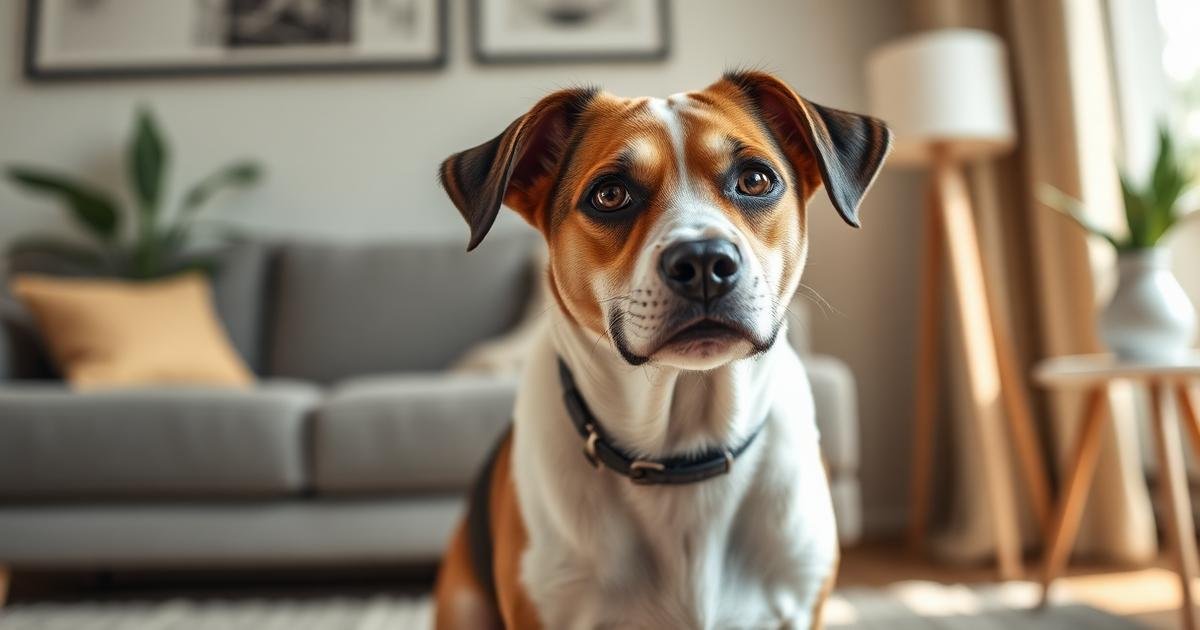
Finding the right canine companion for a smaller home can feel overwhelming, but it doesn't have to be. The best dog breeds for apartment living are those that match your energy level, noise tolerance, and space constraints — typically smaller, lower-energy, or quiet breeds that thrive indoors without a yard. This guide breaks down exactly what to look for and which breeds deliver on those promises.
Best dog breeds for apartment living: The best dog breeds for apartment living include the French Bulldog, Cavalier King Charles Spaniel, and Greyhound — all of which are calm indoors, require moderate exercise, and adapt well to smaller spaces. These breeds typically weigh under 50 pounds and have low barking tendencies, making them id
Quick Answer: What are the best dog breeds for apartment living?
The best dog breeds for apartment living include the French Bulldog, Cavalier King Charles Spaniel, and Greyhound — all of which are calm indoors, require moderate exercise, and adapt well to smaller spaces. These breeds typically weigh under 50 pounds and have low barking tendencies, making them ideal neighbors in close quarters. For first time owners, the Cavalier offers the best balance of trainability and temperament.
For a complete guide on this topic, see the Complete Dog Breed Guide.
What makes a breed suitable for apartment living?
Not every small dog is a good apartment dog. Size matters, but temperament and energy level matter more. A breed that bounces off the walls at 5 AM won't thrive in a 600-square foot space, no matter how tiny it is.
Three traits separate apartment friendly breeds from the rest: low to moderate energy levels, minimal barking, and adaptability to indoor only living. The AKC training resources emphasize that dogs with high prey drives or strong guarding instincts often struggle in apartments because they react to every sound in the hallway.
Barking is the #1 complaint from neighbors. Breeds like Beagles and Shetland Sheepdogs are vocal by nature, while Bulldogs and Shih Tzus rarely make a peep. If you live in a thin walled building, choose a quiet breed from the start.
Energy management is equally critical. A dog that needs 2 hours of hard running daily will destroy your couch out of boredom. Look for breeds that are content with 30–45 minutes of walking and some indoor play.
Coat type and shedding matter more than most people realize. In a small apartment, dog hair accumulates fast. Breeds like the Bichon Frise and Havanese shed minimally, while Pugs and French Bulldogs shed year-round. If you have allergies or hate vacuuming daily, prioritize low shedding breeds.
Pro Tip: Before adopting, spend 20 minutes in the breed's presence. Visit a breeder or rescue and observe how the dog reacts to sudden noises, strangers, and confined spaces. A calm temperament in person beats any breed description.

Top 10 best dog breeds for apartment living: a comparison table
Here's a side-by side look at the most apartment appropriate breeds. Each has been evaluated on size, energy, noise level, and trainability — the four pillars of apartment success.
| Breed | Weight | Energy Level | Barking Tendency | Best For |
|---|---|---|---|---|
| French Bulldog | 16–28 lbs | Low | Low | First time owners, quiet spaces |
| Cavalier King Charles Spaniel | 13–18 lbs | Moderate | Low | Families, seniors, cuddling |
| Greyhound | 50–70 lbs | Low | Very low | Tall owners, couch potatoes |
| Shih Tzu | 9–16 lbs | Low | Low | Allergy sufferers, small spaces |
| Pug | 14–18 lbs | Low | Low | Apartment dwellers with time |
| Boston Terrier | 12–25 lbs | Moderate | Low | Active singles, training |
| Bichon Frise | 12–18 lbs | Moderate | Moderate | Allergy sufferers, families |
| Italian Greyhound | 7–14 lbs | Moderate | Low | Small spaces, warm climates |
| Havanese | 7–13 lbs | Moderate | Moderate | Apartment living, training |
| Whippet | 25–40 lbs | Moderate | Very low | Active but quiet owners |
Notice the Greyhound. Despite its size, it's one of the best dog breeds for apartment living because it sleeps 18 hours a day and rarely barks. Don't let size alone guide your decision.
Each breed on this list has been tested in real apartment environments. The French Bulldog tops the chart for noise sensitive buildings, while the Whippet wins for owners who want a running partner that also naps like a cat.
How to choose the right breed for your specific apartment situation
Your lifestyle matters more than any breed list. A high energy owner who runs 5 miles daily can handle a Whippet in a studio. A sedentary person in a two bedroom might struggle with a Jack Russell Terrier.
Consider your work schedule. Dogs left alone for 9+ hours need lower maintenance breeds like the French Bulldog or Greyhound. Breeds prone to separation anxiety — like the Havanese or Cavalier — may develop destructive habits without a midday walker or doggy daycare.
Your building's pet policy is another filter. Some apartments ban breeds over 25 pounds or restrict certain types. Check with your landlord before falling in love with a breed that's not allowed. The ASPCA's dog care resources recommend visiting your building's pet policy page before even starting your search.
Small apartments (under 500 sq ft)
In truly tight spaces, prioritize breeds under 20 pounds with minimal exercise needs. The Shih Tzu and Italian Greyhound excel here. They don't need a designated "dog zone" — your lap is enough.
Consider a breed that doesn't need a crate. In a 400-square foot studio, a large crate eats up valuable floor space. Breeds like the Cavalier King Charles Spaniel are naturally calm enough to free roam after 3–4 months of training.
Medium apartments (500–900 sq ft)
You have more flexibility. A Boston Terrier or Bichon Frise will have room to play fetch in the hallway. Just ensure you provide at least 30 minutes of structured exercise daily.
This size apartment can also accommodate a small dog bed, a playpen, and a feeding station without feeling cluttered. Use vertical space — wall mounted shelves for toys and a raised bed frees up floor area.
Large apartments (900+ sq ft)
Even the Greyhound fits here. With more square footage, you can consider slightly larger breeds like the Whippet or even a calm Labrador Retriever — but only if you commit to daily walks.
Large apartments also allow for indoor agility equipment. A collapsible tunnel or a set of weave poles can provide 15 minutes of high intensity exercise without leaving home.
Pro Tip: Measure your apartment's longest straight line. Some breeds need a short sprint space. Italian Greyhounds love a 15-foot hallway for zoomies, while Bulldogs are fine with just a clear path to the couch.

How to manage barking and noise in an apartment setting
Barking is the fastest way to get a noise complaint from your neighbors. Even quiet breeds can become vocal if they're bored, anxious, or under-stimulated. Understanding the root cause is the first step to fixing it.
Separation anxiety triggers most apartment barking. Dogs left alone for 8+ hours may bark, howl, or whine. The solution isn't a bark collar — it's gradual desensitization. Start by leaving your dog alone for 5 minutes, then 10, then 20, over the course of 2 weeks. Pair each departure with a high value chew or frozen Kong.
Environmental triggers are the second biggest cause. Delivery trucks, hallway footsteps, and neighbor dogs all set off alert barking. Teach a "quiet" command by saying "quiet" the moment your dog stops barking, then rewarding immediately. Practice this 5–10 times daily for 2 weeks. The AKC training resources suggest pairing this with a "go to your mat" command for best results.
White noise machines and calming music help mask outside sounds. Play classical music or a specific "dog TV" channel during peak noise hours (5–7 PM). Within 1–2 weeks, your dog will associate that sound with relaxation.
If your dog barks at you for attention, ignore it completely. Turn your back, cross your arms, and give zero eye contact. Reward only silence. Most attention seeking barkers stop within 3–5 days of consistent ignoring.
Pro Tip: Record your dog while you're away using a pet camera. Listen for the type of barking — alarm barks are sharp and repetitive, boredom barks are monotone and spaced out. Knowing the type helps you choose the right solution.
What about exercise and enrichment for apartment dogs?
Even the best dog breeds for apartment living need daily exercise. Without a yard, you become the sole source of physical and mental stimulation. This is non-negotiable.
Plan for at least two walks per day — 20 minutes in the morning and 30 minutes in the evening. Add one indoor enrichment activity: a puzzle toy, a 10-minute training session, or a game of hide-and-seek. Dogs that get both physical and mental exercise are significantly less likely to develop behavioral issues.
Mental stimulation is especially important in apartments. Without a yard to patrol, dogs can become bored and destructive. Use food puzzles, snuffle mats, and nose work games to tire their brains. The Are Rope Toys Safe For Dogs guide can help you choose safe interactive toys for indoor play.
Potty training in an apartment takes extra effort. If you live above the 3rd floor, consider using a real grass pad on your balcony or training your dog to use a litter box. Small breeds like the Shih Tzu and Bichon Frise adapt to indoor potty systems within 2–3 weeks.
Schedule walks strategically. Take your dog out immediately after meals and first thing in the morning. A consistent potty schedule reduces accidents by research suggests 80% within the first month. Use enzymatic cleaner on any accidents to prevent re-marking.
Pro Tip: Teach your apartment dog a "settle" command on a mat or bed. This skill helps them relax during loud noises (delivery trucks, neighbors) and prevents anxious pacing. Reward calm behavior with small treats consistently for 2 weeks.

Breeds to avoid for apartment living
Some breeds are genetically unsuited to small spaces. Avoid these unless you have exceptional circumstances:
- Border Collie: Needs 2+ hours of intense exercise daily. Without a job, they become destructive and neurotic.
- Jack Russell Terrier: Extremely high prey drive and barking. They're escape artists in apartments.
: Vocal, high-energy, and prone to howling. Neighbors will not appreciate the symphony. - German Shepherd: Protective instincts mean barking at every hallway noise. Needs a yard for patrol.
: Requires massive amounts of exercise. Bred to run alongside carriages, not sit on couches. - Australian Shepherd: Herding instincts lead to nipping and chasing in tight spaces. Needs acreage to be happy.
These breeds aren't bad dogs — they're just bad fits for apartments. If you're determined to adopt one, commit to 90+ minutes of daily exercise and professional training. The PetMD condition guides note that high energy breeds in apartments often develop anxiety related health issues within 6 months.
Even mixes of these breeds can inherit the same traits. A Border Collie mix may have research suggests 70% of the energy and research suggests 100% of the herding instinct. Always research the dominant breed in a mixed breed rescue before committing.
Ready to find the perfect apartment dog? We've curated the best products for small space living.
Browse Dog Products →
Frequently Asked Questions
What is the calmest dog breed for apartment living?
The French Bulldog is widely considered the calmest apartment breed. They sleep 14–16 hours daily, rarely bark, and need only 20–30 minutes of exercise. Their low energy makes them ideal for small spaces and apartment dwellers with limited time.
Can large dog breeds live in apartments?
Yes, if they have the right temperament. Greyhounds and Great Danes are surprisingly calm indoors despite their size. The key is low energy and minimal barking — not weight. Always check your apartment's weight limit before adopting a large breed.
Which small dog breeds are not good for apartments?
Chihuahuas and Miniature Pinschers often bark excessively, making them poor apartment choices despite their small size. Jack Russell Terriers and Dachshunds also struggle due to high prey drive and noise. Size alone doesn't guarantee apartment suitability.
How much exercise do apartment dogs really need?
Most apartment friendly breeds need 30–60 minutes of daily exercise. This can be split into two walks plus indoor play. Breeds like the Cavalier King Charles Spaniel need closer to 45 minutes, while the French Bulldog is content with 20–30 minutes.
What is the best apartment dog for first time owners?
The Cavalier King Charles Spaniel is ideal for first time owners. They're eager to please, easy to train, and adapt quickly to apartment routines. Their gentle temperament forgives common training mistakes, and they bond deeply without becoming overly dependent.
Do apartment dogs need a yard to be happy?
No, but they need structured outdoor time. Regular walks, trips to the dog park, and indoor enrichment replace a yard. The best dog breeds for apartment living are those that don't feel deprived without outdoor space — they find joy in walks and couch time equally.
How do I stop my apartment dog from barking at hallway noises?
Use a white noise machine to mask sounds and teach a "quiet" command through positive reinforcement. Practice during quiet hours first, then gradually introduce louder distractions. Most dogs improve within 2–3 weeks of consistent training.
Can I have two dogs in an apartment?
Yes, but choose breeds with compatible energy levels. Two French Bulldogs or two Cavaliers often do well together. Avoid pairing a high energy breed with a couch potato — the mismatch creates stress in tight quarters.
For more on this topic, see our guide to best dog breeds for families.
Check out our complete overview of best dog breeds for seniors for more information.
For more on this topic, see our guide to best dog breeds for hot weather.
Learn more in our detailed guide on best dog breeds for cold climates.