
Finding the best dog breeds for seniors means prioritizing low-maintenance, affectionate companions that match your lifestyle and energy levels. The ideal senior friendly dog is calm, trainable, and requires minimal grooming or exercise — think of breeds like the Cavalier King Charles Spaniel, Bichon Frise, and French Bulldog. These breeds offer loyal companionship without overwhelming physical demands, making them perfect for older adults seeking a manageable yet loving pet.
Best dog breeds for seniors: The best dog breeds for seniors are small to medium-sized, low-energy, and affectionate breeds like the Cavalier King Charles Spaniel, Bichon Frise, French Bulldog, and Shih Tzu. These dogs require minimal exercise, are easy to train, and thrive on human companionship — perfect for older adults seek
Quick Answer: What are the best dog breeds for seniors?
The best dog breeds for seniors are small to medium-sized, low-energy, and affectionate breeds like the Cavalier King Charles Spaniel, Bichon Frise, French Bulldog, and Shih Tzu. These dogs require minimal exercise, are easy to train, and thrive on human companionship — perfect for older adults seeking a loyal, low maintenance pet.
For a complete guide on this topic, see the Complete Dog Breed Guide.

What to look for when choosing a dog as a senior
Your ideal companion should match your daily routine, not create extra stress. Start by evaluating your energy level — if you enjoy a 20-minute walk twice a day, a high energy Border Collie isn't a good fit. Instead, look for breeds that are content with short walks and indoor play.
Size matters too. Smaller breeds are easier to lift, groom, and manage in tight spaces. But don't overlook medium-sized, calm breeds like the Greyhound — they're surprisingly low energy indoors and make excellent couch companions.
Grooming requirements are another key factor. Long haired breeds like the Shih Tzu need daily brushing, while short coated breeds like the French Bulldog require only weekly attention. Choose based on your willingness to maintain their coat — or consider a low shedding breed if allergies are a concern.
Temperament is everything. Look for dogs that are naturally calm, patient, and eager to please. Breeds with a history of being lap dogs or therapy dogs often have the right disposition for seniors. Avoid breeds with strong guarding instincts or high prey drives.
Finally, consider health. Some breeds are prone to issues like hip dysplasia or breathing problems that may require extra care. Research breed specific health concerns before committing — your vet can provide guidance on what to expect.
Pro Tip: Always meet the dog in person before adopting. Spend at least 30 minutes interacting to gauge their energy and temperament. Rescue organizations often have adult dogs that are already house trained and calm — a perfect match for seniors.
Top 5 best dog breeds for seniors — a comparison
These five breeds consistently rank as the best dog breeds for seniors based on temperament, size, exercise needs, and health. Each offers unique benefits for older adults.
| Breed | Size | Exercise Needs | Grooming | Temperament | Health Concerns |
|---|---|---|---|---|---|
| Cavalier King Charles Spaniel | Small (13–18 lbs) | Low (30 min daily) | Moderate (weekly brushing) | Affectionate, gentle, eager to please | Heart murmurs, hip dysplasia |
| Bichon Frise | Small (12–18 lbs) | Low (20–30 min daily) | High (daily brushing, professional grooming) | Cheerful, playful, hypoallergenic | Allergies, bladder stones |
| French Bulldog | Small (16–28 lbs) | Very low (15–20 min daily) | Low (weekly brushing) | Calm, adaptable, affectionate | Brachycephalic breathing issues, spinal problems |
| Shih Tzu | Small (9–16 lbs) | Low (20 min daily) | High (daily brushing, professional grooming) | Friendly, outgoing, loyal | Eye problems, hip dysplasia |
| Greyhound | Large (60–70 lbs) | Low (30 min daily sprint + rest) | Very low (weekly brushing) | Gentle, quiet, couch potato | Bloat, dental issues |
The Cavalier King Charles Spaniel is often the top choice because of its gentle nature and moderate care needs. It's a true lap dog that thrives on affection and adapts well to apartment living. The Bichon Frise is ideal if you want a hypoallergenic companion, but be prepared for regular grooming appointments.
French Bulldogs are incredibly low energy and require minimal exercise — perfect for seniors with mobility issues. However, their flat faces can lead to breathing problems in hot weather. Shih Tzus are cheerful and adaptable, making them great for seniors who want a playful but manageable dog.
Don't overlook the Greyhound. Despite their size, retired racing Greyhounds are famously calm indoors and need only short walks. They're gentle, quiet, and bond deeply with their owners — just ensure you have space for their long legs.
Pro Tip: If you're adopting an adult dog, ask the rescue about their energy level and any known health issues. Many senior dogs in shelters are already house trained and have calm temperaments — a win win for both you and the dog.

Why smaller breeds are often the best dog breeds for seniors
Smaller breeds dominate the list of best dog breeds for seniors for practical reasons. They're easier to lift onto furniture, into cars, and during vet visits. A 15-pound dog is manageable for most seniors, while a 70-pound Labrador can become a safety risk if it pulls on the leash.
Small dogs also require less food, fewer supplies, and smaller living spaces. They're more portable — you can take them on errands or trips without hassle. Many small breeds are also naturally adapted to apartment living, which is common among seniors downsizing.
But size isn't everything. Some small breeds have high energy levels — like the Jack Russell Terrier — which can be exhausting for seniors. Always research the breed's temperament and exercise needs, not just their size.
The key is finding a breed that fits your specific lifestyle. If you live in a small apartment and have limited mobility, a French Bulldog or Shih Tzu is ideal. If you have a yard and enjoy short walks, a Cavalier or Bichon works well.
According to the AKC's training resources, smaller breeds are often easier to train because they're more food motivated and less stubborn than larger breeds. This makes them a practical choice for seniors who may not have the strength to handle a strong willed dog.
How to prepare your home for a senior friendly dog
Before bringing your new companion home, make a few adjustments to ensure safety and comfort. Remove tripping hazards like loose rugs and clutter — especially if you use a walker or cane. Set up a designated area with a comfortable bed, food and water bowls, and easy access to the yard.
Invest in non slip flooring or mats near feeding areas and doorways. This prevents slips for both you and your dog. Also consider baby gates to limit access to stairs or rooms where accidents could happen.
Stock up on essentials: a harness instead of a collar (easier on your back and safer for small dogs), a lightweight leash, and elevated food bowls to reduce strain on your dog's neck. Puzzle toys and treat dispensing balls provide mental stimulation without requiring physical exertion.
If you have mobility challenges, consider a dog ramp for furniture or car access. Many small breeds love to snuggle on the couch but may struggle to jump up. A ramp protects their joints and makes it easier for you to help them.
Pro Tip: Set up a routine within the first week. Dogs thrive on predictability — consistent feeding times, walks, and bedtime reduce anxiety and make training easier. Use a whiteboard or phone reminder to stay on track.
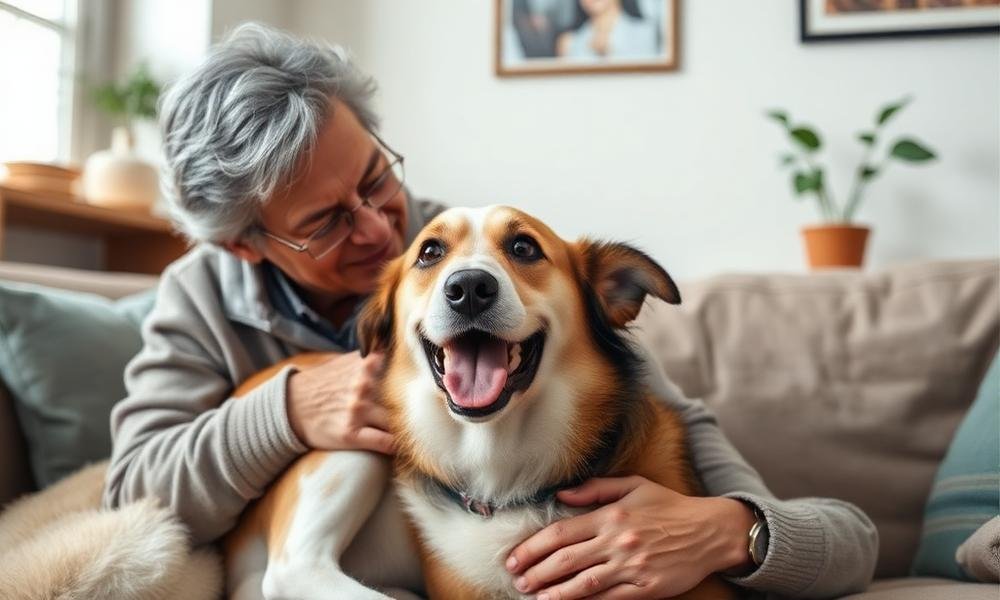
Health considerations for senior dog owners
Your health matters just as much as your dog's. Choose breeds with fewer health issues to minimize vet visits and care costs. The ASPCA's dog care resources recommend regular check ups for all dogs, but some breeds require more attention than others.
Brachycephalic breeds like French Bulldogs and Pugs are prone to breathing problems, especially in hot weather. If you live in a warm climate, consider a breed with a longer snout. Similarly, breeds like the Cavalier King Charles Spaniel are prone to heart murmurs — regular vet check ups are essential.
Consider your own physical limitations. If you have arthritis or back problems, avoid breeds that need frequent grooming or heavy lifting. A Bichon Frise requires professional grooming every 4–6 weeks, which adds to your monthly expenses. A Greyhound, despite its size, needs minimal grooming and is easier to handle once trained.
Finally, think about the long-term. Senior dogs (7+ years) may have pre existing health issues that require medication or special diets. Adopting an older dog can be rewarding, but be prepared for potential medical costs. Pet insurance is worth considering for peace of mind.
The AVMA's pet owner resources provide guidance on choosing a breed that matches your health and lifestyle. Always consult your veterinarian before making a final decision — they can recommend breeds based on your specific situation.
Training and socialization for senior owners
Training a new dog doesn't have to be overwhelming. Start with basic commands like sit, stay, and come using positive reinforcement — treats and praise work wonders. Short 5-minute sessions, 3–4 times a day, are more effective than one long session.
Socialization is crucial, even for small breeds. Expose your dog to different people, sounds, and environments gradually. This prevents fear based behaviors and makes vet visits, grooming, and walks more pleasant for both of you.
Consider enrolling in a local obedience class designed for seniors or small dogs. Many training centers offer discounted rates for seniors and focus on low impact training methods. Online resources like the PetMD condition guides also offer step-by step training tips.
If you have mobility issues, use a long handled treat scoop or a target stick for training. These tools allow you to reward your dog without bending or kneeling. Consistency is key — set a daily schedule and stick to it.
Pro Tip: Use a clicker for training — it's a simple, effective tool that requires no physical effort. Pair the click with a treat, and your dog will learn commands faster. You can find clicker training guides on the AKC website.
How to choose between a puppy and an adult dog as a senior
Puppies are adorable but demanding. They require house training, crate training, and constant supervision — which can be exhausting for seniors with limited energy or mobility. A puppy needs to go outside every 2–3 hours, even at night, which disrupts sleep and can be physically taxing.
Adult dogs, especially those aged 5 years and older, are often a better fit. They're typically past the destructive chewing phase, already house-trained, and have a settled temperament. Many adult dogs in shelters are calm, grateful, and ready to bond immediately — no sleepless nights or chewed furniture.
Consider a foster-to adopt arrangement if you're unsure. This lets you live with the dog for 2–4 weeks before making a final decision. You'll learn their true personality, energy level, and any quirks that might not show during a brief shelter visit.
If you do choose a puppy, opt for a breed known for being easy to train, like the Cavalier King Charles Spaniel. Enroll in a puppy kindergarten class within the first 8 weeks of bringing them home — early socialization sets the foundation for a well behaved adult dog.
Pro Tip: Many rescue organizations have "senior for senior" programs where older adults can adopt senior dogs at reduced fees. These dogs are often already vetted, vaccinated, and spayed/neutered — saving you time and money.
Financial considerations when owning a dog as a senior
Owning a dog comes with ongoing costs beyond the initial adoption fee. Budget for food, routine vet visits, vaccinations, flea and tick prevention, and grooming. A small breed like a Shih Tzu or Bichon Frise costs roughly $50–$80 per month for basic care, while grooming adds another $40–$60 every 4–6 weeks.
Emergency vet visits can be expensive — a single overnight stay for a blocked bladder or pancreatitis can cost $1,500–$3,000. Pet insurance is a smart investment for seniors on a fixed income. Plans cost $20–$50 per month for small breeds and cover 70–research suggests 90% of unexpected medical bills after a deductible.
Consider breed specific health risks when budgeting. French Bulldogs, for example, are prone to breathing surgeries that can cost $3,000–$6,000. Cavalier King Charles Spaniels often require heart medication costing $30–$60 per month. Research these costs before committing to a breed.
Many local animal shelters and non profits offer low cost vet clinics, vaccination drives, and pet food pantries for seniors. Ask your vet about senior discounts or payment plans — many are happy to accommodate loyal clients on fixed incomes.
Pro Tip: Set up a dedicated pet savings account and contribute $30–$50 per month. Within a year, you'll have a $400–$600 emergency fund for unexpected vet bills or boarding costs.
Find the perfect companion for your lifestyle — explore our curated dog products for seniors.
Browse Dog Products →
Frequently Asked Questions
What is the calmest dog breed for seniors?
The Cavalier King Charles Spaniel is widely considered the calmest breed for seniors. They're naturally gentle, affectionate, and content with short walks and lap time. Their even temperament makes them ideal for older adults seeking a low stress companion.
Are small dogs better for seniors than large dogs?
Generally, yes. Small dogs are easier to lift, groom, and manage, which reduces physical strain. They also require less food and space. However, some large breeds like Greyhounds are surprisingly calm and low-energy, making them suitable for seniors with adequate space.
What is the best low maintenance dog for seniors?
The French Bulldog is one of the lowest maintenance breeds for seniors. They require minimal exercise (15–20 minutes daily), have short coats that need little grooming, and are naturally calm. Their small size and affectionate nature make them perfect companions for apartment living.
Can seniors adopt older dogs instead of puppies?
Absolutely. Adopting an older dog (7+ years) is often ideal for seniors. These dogs are typically already house-trained, have calm temperaments, and require less training. Many shelters have senior dogs that are perfect for older adults seeking a low energy companion.
What dog breeds are best for seniors with allergies?
The Bichon Frise and Shih Tzu are excellent choices for seniors with allergies. Both breeds have hypoallergenic coats that produce less dander. However, they require regular grooming to prevent matting and maintain their coat's hypoallergenic properties.
How much exercise do senior friendly dogs need?
Most senior friendly breeds need 20–30 minutes of exercise daily, split into two short walks. Breeds like the French Bulldog need as little as 15 minutes, while Cavaliers enjoy 30-minute walks. Always adjust based on your dog's age, health, and energy level.
Which breed is best for a senior living in an apartment?
The French Bulldog is ideal for apartment living — they're quiet, low-energy, and don't bark excessively. Cavalier King Charles Spaniels and Shih Tzus also adapt well to small spaces. Avoid breeds with high prey drives or strong guarding instincts in apartment settings.
How much does it cost to care for a small dog as a senior?
Monthly costs for a small dog range from $80–$150, including food, routine vet care, grooming, and preventive medications. Pet insurance adds $20–$50 per month. Emergency vet visits can cost $1,500–$3,000, so budgeting for pet insurance or a dedicated savings account is wise.
For related guidance, see Are Rope Toys Safe For Dogs.
Check out our complete overview of best dog breeds for kids for more information.