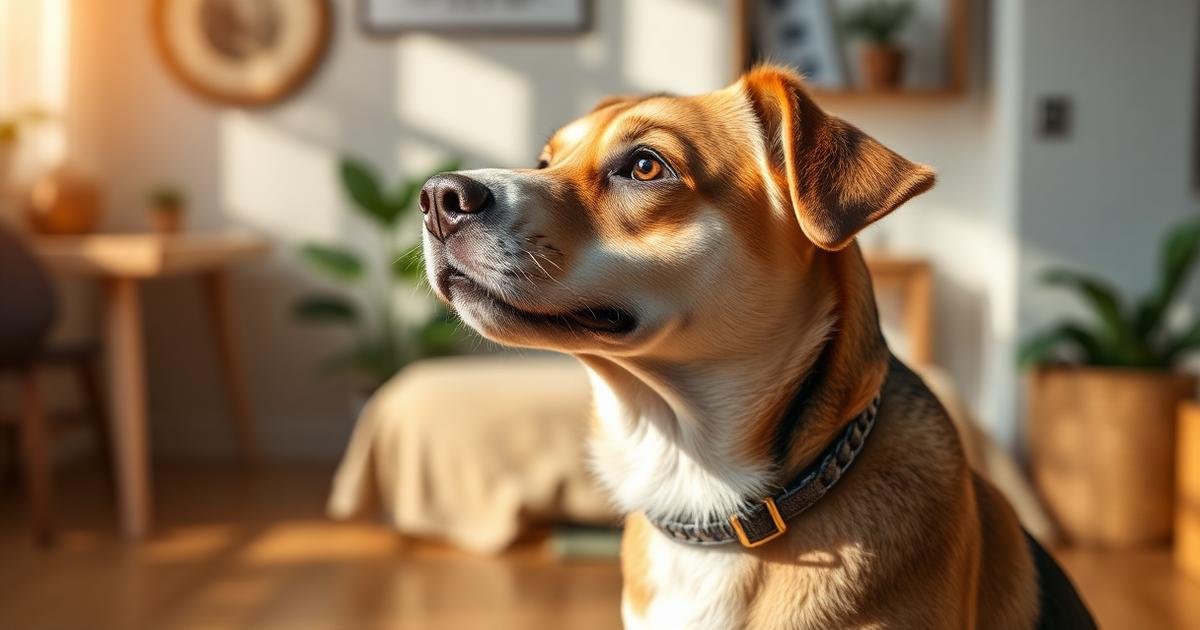
If you live in a hot climate, you need a dog that can handle the heat. The best dog breeds for hot weather are those with short muzzles, single coats, and lean body types that allow them to regulate their temperature efficiently. Breeds like the Chihuahua, Basenji, and Greyhound thrive in warm environments, while flat faced dogs like Bulldogs and Pugs struggle and are not recommended for hot regions.
Best dog breeds for hot weather: The best dog breeds for hot weather are small, short-coated, or hairless breeds with low body fat and efficient cooling systems. Top picks include the Chihuahua, Basenji, Greyhound, Italian Greyhound, and Chinese Crested. Avoid brachycephalic (flat-faced) breeds like Bulldogs, Pugs, and Boston Terri
Quick Answer: What Are the Best Dog Breeds for Hot Weather?
The best dog breeds for hot weather are small, short-coated, or hairless breeds with low body fat and efficient cooling systems. Top picks include the Chihuahua, Basenji, Greyhound, Italian Greyhound, and Chinese Crested. Avoid brachycephalic (flat-faced) breeds like Bulldogs, Pugs, and Boston Terriers, as they cannot pant effectively and are at high risk of heatstroke in temperatures above 85°F.
For a complete guide on this topic, see the Complete Dog Breed Guide.
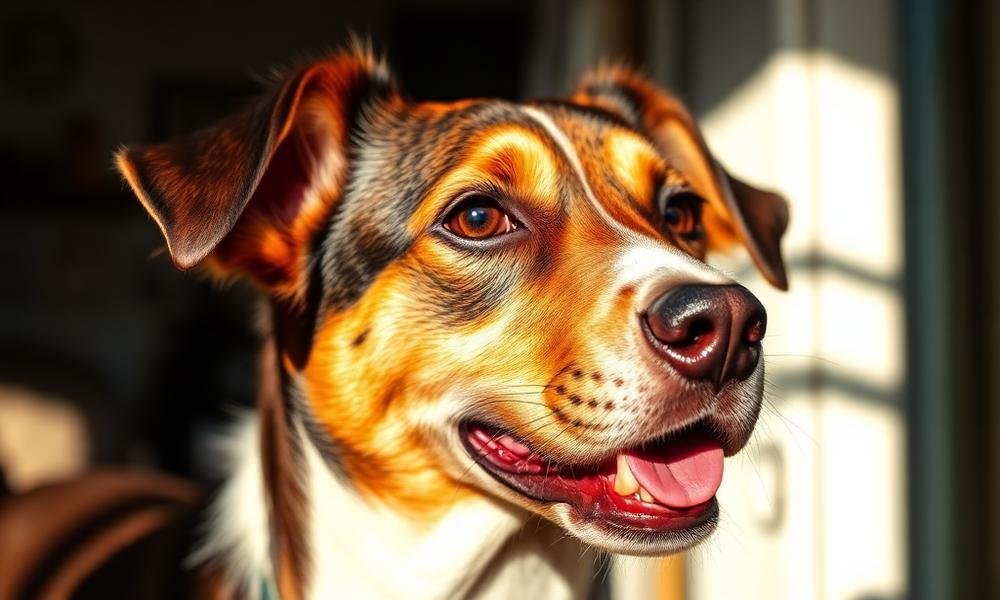
What Makes a Dog Breed Suitable for Hot Weather?
You need to look at a dog's physical traits to understand how it handles heat. A single layer coat, like that of a Greyhound or Basenji, allows heat to escape rather than trapping it against the skin. Double coated breeds like Huskies or Golden Retrievers have an undercoat that insulates, which works against them in hot climates.
Body size and shape also matter. Lean, athletic dogs with longer legs have a higher surface-area-to volume ratio, which helps them dissipate heat faster. According to the AKC, dogs with short snouts (brachycephalic breeds) are at a much higher risk of heatstroke because they cannot pant effectively — panting is a dog's primary cooling mechanism (AKC on brachycephalic breeds).
Darker coat colors absorb more heat from the sun. A white or light colored dog will stay cooler in direct sunlight than a black dog of the same breed and size. This is a real factor if you live in a place like Arizona or Texas where summer temperatures regularly exceed 100°F.
Pro Tip: Before choosing a breed, check your local climate's average summer highs. If temperatures regularly hit 95°F or higher, avoid double coated and brachycephalic breeds entirely. Stick to short-coated, lean dogs under 50 pounds.
How to Choose the Best Dog Breeds for Hot Weather: Your Buying Criteria
When you're evaluating which breed to bring home, use this checklist. These are the traits that make a breed genuinely heat-tolerant, not just "tough-looking."
Coat Type and Length
A single coat or no coat at all is ideal. Hairless breeds like the Chinese Crested or Xoloitzcuintli naturally stay cool. Short, smooth coats like those on a Whippet or Dalmatian also work well. Avoid dogs with thick undercoats — they shed heavily and overheat easily.
Snout Length
Longer snouts allow for efficient panting. Breeds with mesocephalic (medium) or dolichocephalic (long) skulls, like Collies or Greyhounds, cool themselves far better than brachycephalic breeds. The ASPCA notes that flat faced dogs have narrowed airways and can collapse from heat exhaustion in as little as 15 minutes of moderate exercise (ASPCA dog care).
Body Composition
Lean muscle and low body fat are key. Dogs with heavy fat deposits retain heat. Breeds like the Labrador Retriever can tolerate some heat, but they are prone to weight gain, which reduces their heat tolerance. Stick to naturally lean breeds that maintain a healthy weight without effort.
Activity Level and Exercise Needs
High energy breeds like Border Collies need intense daily exercise, which can be dangerous in hot weather. Lower energy breeds like the Greyhound or Italian Greyhound are content with shorter walks and indoor play, making them safer choices for hot climates. You need to match the breed's exercise needs to your ability to exercise them during cooler hours.
Pro Tip: Use the "5-minute rule" for exercise in hot weather — limit walks to 5 minutes for every 10°F above 85°F. A 95°F day means no more than 5 minutes of outdoor activity, then back inside to cool down.
Consider your lifestyle honestly. If you work from home and can walk your dog at dawn and dusk only, a low energy heat-tolerant breed is your best match. If you're an active runner who wants a jogging partner, look for a breed like the Vizsla or Weimaraner that has both heat tolerance and endurance.
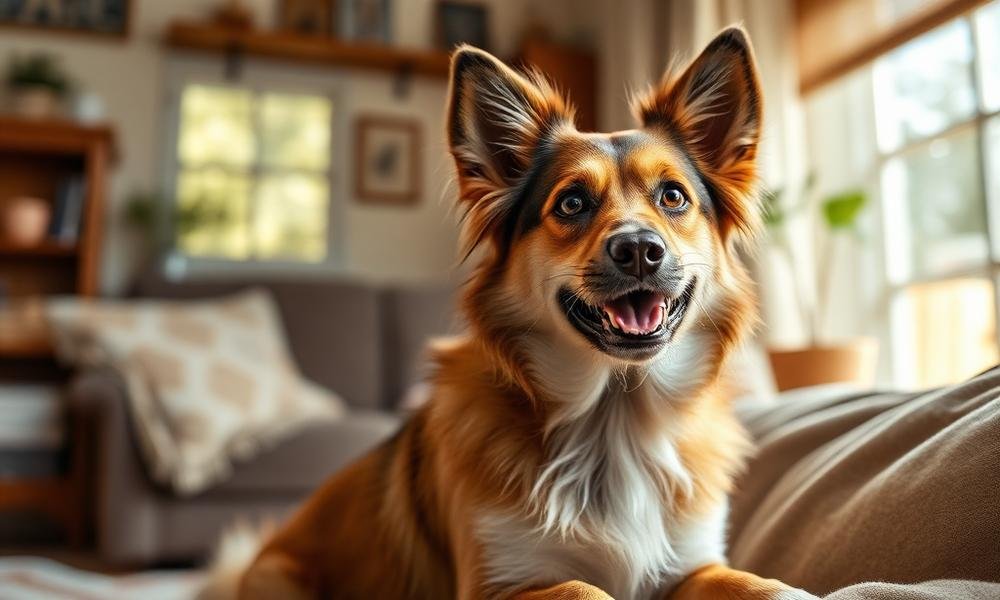
Top 5 Best Dog Breeds for Hot Weather: Comparison Table
| Breed | Coat Type | Weight Range | Exercise Needs | Heat Tolerance Rating |
|---|---|---|---|---|
| Chihuahua | Short or long single coat | 3–6 lbs | Low (20–30 min/day) | Excellent |
| Basenji | Short, fine single coat | 22–24 lbs | Moderate (30–45 min/day) | Excellent |
| Greyhound | Short, smooth single coat | 60–70 lbs | Moderate (30–45 min/day) | Excellent |
| Italian Greyhound | Short, fine single coat | 7–14 lbs | Low (20–30 min/day) | Excellent |
| Chinese Crested | Hairless or powderpuff | 8–12 lbs | Low (20–30 min/day) | Excellent |
The Greyhound is often overlooked because of its size, but its thin coat, lean body, and calm indoor temperament make it one of the best dog breeds for hot weather. Despite being a sprinter, Greyhounds are actually low energy dogs that sleep up to 18 hours a day. They need short bursts of exercise, not marathon runs.
The Basenji is another standout. It has a short, fine coat and a unique yodel like bark instead of a traditional bark. This breed originated in Central Africa, so it is genetically adapted to hot, arid climates. According to PetMD, Basenjis are one of the few breeds that groom themselves like cats, reducing the need for baths and grooming in hot weather (PetMD on Basenjis).
Pro Tip: If you want a medium sized dog that handles heat well, consider the Whippet. It's like a smaller Greyhound — 25–40 pounds, short coat, minimal body fat, and a calm demeanor. It's one of the most underrated heat tolerant breeds.
What Are the Best Heat Tolerant Medium-Sized Dog Breeds?
Medium sized dogs often get overlooked in hot weather discussions, but several handle heat exceptionally well. The Whippet, as mentioned, is a top contender at 25–40 pounds with a short single coat and lean build. It needs about 30–40 minutes of exercise daily, which you can easily schedule during cooler hours.
The Pharaoh Hound is another excellent choice. This breed originated in Malta and has a short, glossy coat that reflects heat. At 45–55 pounds, it has a lean, athletic body and a long snout for efficient panting. Pharaoh Hounds are also known for their low body fat percentage, which helps them stay cool in temperatures up to 95°F.
The Vizsla is a Hungarian breed with a short rust colored coat and a slender frame. It weighs 45–60 pounds and has a high energy level, but its thin coat and lean muscle make it surprisingly heat-tolerant. The key with Vizslas is to exercise them early in the morning and late in the evening, avoiding the midday sun entirely. According to the AKC, Vizslas are one of the few sporting breeds that can thrive in warm climates when managed properly (AKC training advice).
The Ibizan Hound is a rare breed that deserves more attention. At 45–55 pounds, it has a short coat, long legs, and a deer like build that maximizes surface area for cooling. This breed originated in the Balearic Islands off the coast of Spain, where summer temperatures regularly exceed 100°F. Ibizan Hounds are independent and athletic, but they settle well indoors and need only moderate exercise.
Pro Tip: For medium sized heat-tolerant breeds, always check the dog's individual body condition. A Vizsla or Whippet that is overweight by even 5 pounds will struggle in heat. Keep them lean and fit year round for the best heat tolerance.
Which Breeds Should You Avoid in Hot Weather?
You need to know the breeds that are dangerous in heat. These are not the best dog breeds for hot weather by any measure. Brachycephalic breeds are the highest risk. Bulldogs (English and French), Pugs, Boston Terriers, and Shih Tzus have compressed airways that make panting inefficient. A study from the University of Cambridge found that brachycephalic dogs are 2.research suggests 5% to suffer from heatstroke than dogs with normal snouts.
Double coated breeds also struggle. Huskies, Malamutes, Samoyeds, and Chow Chows have thick undercoats that trap heat. Even if you shave them (which you should not — it damages their coat's insulation and cooling properties), they still have a body type designed for cold, not heat. The AVMA recommends never shaving double coated breeds, as their coat actually helps regulate temperature in both hot and cold weather (AVMA summer pet safety).
Large, heavy breeds like Saint Bernards, Newfoundlands, and Bernese Mountain Dogs are also poor choices. Their large body mass retains heat, and their thick coats compound the problem. Even if they have short coats, like the Boxer or Doberman Pinscher, their high energy levels and muscle mass can cause them to overheat quickly during exercise.
Pro Tip: If you already own a brachycephalic or double coated dog, invest in cooling mats, elevated beds, and a kiddie pool for supervised water play. Never leave these breeds outside unsupervised when temperatures exceed 80°F.
How to Keep Your Dog Safe in Hot Weather
Even the best dog breeds for hot weather can overheat if you make mistakes. You must provide constant access to fresh, cool water. Change the water twice daily and add ice cubes on especially hot days. Dehydration can set in within hours, especially in active dogs.
Exercise during the coolest parts of the day — early morning before 7 AM or late evening after 8 PM. Pavement temperatures can be 40–60°F higher than the air temperature. If the air is 90°F, asphalt can reach 140°F and burn your dog's paw pads within seconds. Use the "7-second test": place the back of your hand on the pavement for 7 seconds. If it's too hot for your hand, it's too hot for your dog's paws.
Provide shade and ventilation. If your dog is outside, ensure there is a shaded area with airflow. Never leave a dog in a parked car — even with windows cracked, the interior can reach 120°F in 10 minutes. The ASPCA reports that hundreds of dogs die each year from heatstroke in parked cars, and it is illegal in 31 states.
Watch for signs of heatstroke: excessive panting, drooling, red gums, vomiting, diarrhea, weakness, or collapse. If you suspect heatstroke, move your dog to a cool area, apply cool (not cold) water to the paws and belly, and contact your veterinarian immediately. Do not use ice water — it can cause blood vessels to constrict, trapping heat inside the body.
How Do Hairless and Single Coated Breeds Compare in Hot Climates?
Hairless breeds like the Chinese Crested and Xoloitzcuintli have an obvious advantage in hot weather — no fur to trap heat. But they come with their own set of challenges. Hairless dogs are prone to sunburn, so you need to apply pet safe sunscreen to exposed skin when they're outdoors for more than 15 minutes. They also have sensitive skin that can dry out or develop acne in hot, humid conditions.
Single coated breeds like the Greyhound and Basenji have a different advantage. Their short fur provides some protection from the sun while still allowing heat to escape. Single coated dogs are less prone to sunburn than hairless breeds, but they still need shade and limited sun exposure during peak hours (10 AM to 4 PM).
Both types benefit from the same cooling strategies: access to shade, cool water, and limited exercise during the hottest parts of the day. The choice between hairless and single coated comes down to your willingness to manage sun protection. If you're diligent with sunscreen, a hairless breed works well. If you prefer a lower maintenance option, a single coated breed like the Whippet or Basenji is a better fit.
Pro Tip: For hairless breeds, use a pet specific sunscreen with an SPF of at least 30. Human sunscreen often contains zinc oxide or other ingredients that are toxic to dogs if ingested. Reapply every 2 hours if your dog is outdoors.
Find the perfect heat tolerant companion for your home — explore our top rated dog products and breed specific gear.
Browse Dog Products →
Frequently Asked Questions
What is the number one best dog breed for hot weather?
The Chihuahua is widely considered the top breed for hot weather. Its tiny size, short coat, and low body fat allow it to regulate temperature easily. It also has a moderate energy level that doesn't require extensive outdoor exercise in heat.
Can Huskies live in hot climates?
Huskies can survive in hot climates with careful management, but they are not recommended. Their double coat and high energy levels make them prone to overheating. If you live in a hot area, you must provide constant air conditioning, limited outdoor time, and early morning/late evening exercise.
Are mixed breed dogs better for hot weather than purebreds?
Not necessarily. A mixed breed's heat tolerance depends on its individual traits — coat type, snout length, and body composition. A mixed breed with a short coat and long snout will handle heat well, while one with a thick coat and flat face will struggle regardless of its lineage.
What is the best large dog breed for hot weather?
The Greyhound is the best large breed for hot weather. Despite its size (60–70 pounds), its short single coat, lean body, and low body fat make it highly heat-tolerant. It is also a calm, low energy indoor dog that needs only moderate exercise.
Do short haired dogs automatically handle heat better?
No. Short haired dogs with double coats, like the Labrador Retriever, still have an insulating undercoat that traps heat. The key is a single coat — not just short hair. Breeds like the Doberman Pinscher have short single coats and handle heat reasonably well, but their high muscle mass can cause overheating during intense exercise.
What is the best small dog breed for hot weather?
The Italian Greyhound is the best small breed for hot weather. At 7–14 pounds, it has a fine, short coat and minimal body fat. It is a low energy dog that thrives with indoor play and short walks, making it ideal for hot climates where outdoor activity is limited.
Can I shave my double coated dog in summer to keep it cool?
No, you should never shave a double coated dog. Their coat provides insulation against both heat and cold, and shaving it damages the natural cooling mechanism. Instead, brush them regularly to remove loose undercoat and provide access to shade and water.
How do I know if my dog is overheating during a walk?
Watch for excessive panting, drooling, red or pale gums, stumbling, or reluctance to continue walking. Stop immediately, find shade, offer water, and wet your dog's paws and belly with cool water. If symptoms don't improve within 5 minutes, seek veterinary care.
For related guidance, see Are Rope Toys Safe For Dogs.
For related guidance, see Best Cat Calming Products.
For more on this topic, see our guide to best dog breeds for seniors.