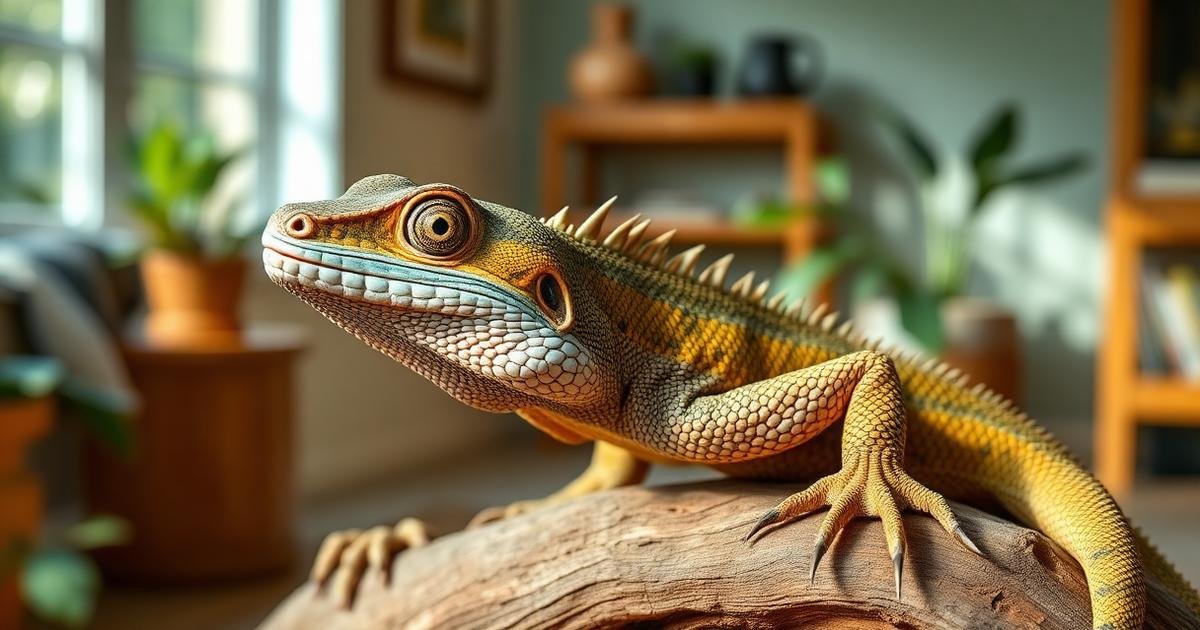
reptile-not-eating-food-reasons/">reptile-lethargic-causes-treatment/">Reptiles make fascinating, low maintenance pets, but their care is anything but simple. This ultimate guide to reptile care covers everything you need to know, from setting up the perfect enclosure to feeding, handling, and preventing common health issues. Whether you're a first time owner or looking to improve your setup, these practical steps will help your reptile thrive.
Ultimate guide to reptile care: The ultimate guide to reptile care starts with species-specific research, a properly sized enclosure with correct temperature and humidity gradients, UVB lighting, a balanced diet, and routine health monitoring. Success comes from mimicking your reptile's natural habitat as closely as possible.
Quick Answer: What is the ultimate guide to reptile care?
The ultimate guide to reptile care starts with species specific research, a properly sized enclosure with correct temperature and humidity gradients, UVB lighting, a balanced diet, and routine health monitoring. Success comes from mimicking your reptile's natural habitat as closely as possible.
For a complete guide on this topic, see the Reptile Care Guide.
What Do You Need to Know Before Getting a Reptile?
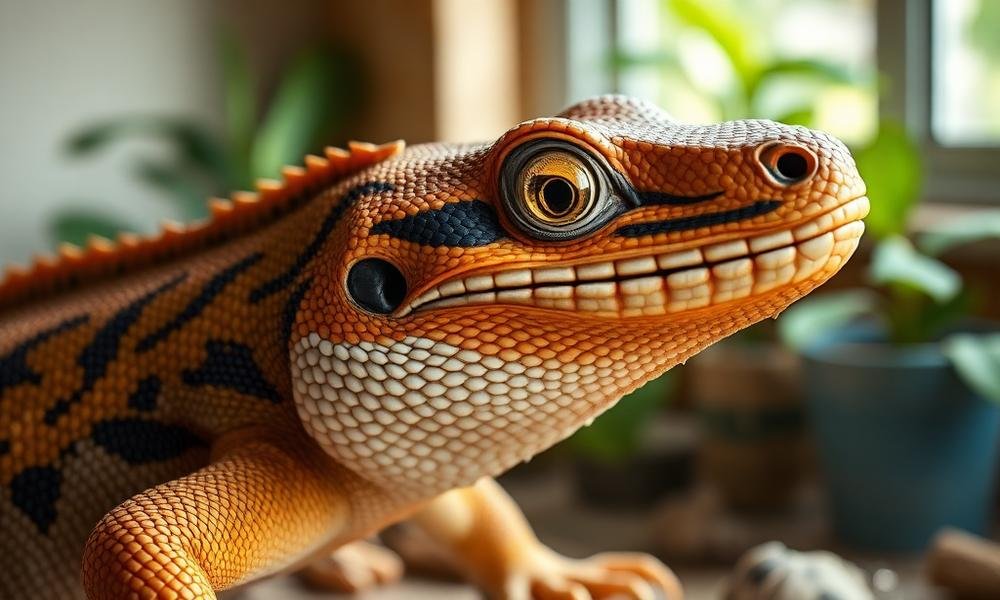
Reptiles are not starter pets. They live 10–30+ years depending on the species, and their care requirements are precise. You cannot treat a bearded dragon the same as a ball python or a leopard gecko.
This ultimate guide to reptile care decision works best when the owner compares daily fit, tolerance, and practical consistency together.
Before bringing one home, research your chosen species thoroughly. Check resources like the AVMA pet owner resources for species specific guidelines. You need to understand their lifespan, adult size, diet, temperature needs, and legal restrictions in your area.
For many homes, the right ultimate guide to reptile care choice is the one that stays reliable under ordinary daily conditions.
Startup costs range from $200–$1,000+ for a proper enclosure, lighting, heating, and décor. Monthly costs for food, electricity, and substrate add another $30–$100. Budget accordingly.
A well matched ultimate guide to reptile care option should support the pet clearly without making the routine harder to maintain.
Consider adopting from a rescue before buying from a breeder. Many reptiles end up in rescues because owners underestimated their needs. Rescues often provide the enclosure and equipment at a fraction of retail cost.
Most owners get better long term results when ultimate guide to reptile care is judged through routine use rather than a single product claim.
Pro Tip: Join a species specific forum or Facebook group before buying. Experienced owners can help you avoid costly mistakes and recommend reliable breeders or rescues.
How Do You Set Up the Perfect Reptile Enclosure?
The enclosure is your reptile's entire world. A 20-gallon tank works for a juvenile leopard gecko, but adults need at least 40 gallons. Ball pythons require 4'x2'x2' as adults. Bigger is almost always better.
The strongest ultimate guide to reptile care choice usually becomes clearer when comfort, consistency, and practical use are reviewed together.
You need a thermal gradient: a warm side (basking spot) and a cool side. Use a thermostat controlled heat source like a ceramic heat emitter or heat mat. Measure temperatures with a digital thermometer at both ends.
Humidity matters just as much. Tropical species like crested geckos need 60–research suggests 80% humidity. Desert species like bearded dragons need 30–research suggests 40%. Use a hygrometer to monitor and adjust with misting or a humidifier.
Substrate choice varies by species. Paper towels work for quarantine. Reptile carpet, coconut fiber, or bioactive soil mixes are better long-term. Avoid sand for burrowing species—it can cause impaction if ingested.
Lighting and UVB Requirements
UVB lighting is non negotiable for diurnal reptiles like bearded dragons, uromastyx, and many turtles. It allows them to synthesize vitamin D3 and absorb calcium. Without it, they develop metabolic bone disease (MBD).
Use a linear UVB bulb spanning at least half the enclosure. Replace it every 6–12 months even if it still lights up—UVB output degrades over time. Follow the manufacturer's distance guidelines (typically 6–12 inches from the basking spot).
Provide a 12-hour light/dark cycle. Use a timer for consistency. Nocturnal species like leopard geckos do not need UVB, but low level UVB can still benefit them.
Pro Tip: Place the UVB bulb on the same side as the heat lamp. Reptiles bask to absorb both heat and UVB. Never use a coil UVB bulb—they can cause eye damage and don't provide adequate coverage.
What Should You Feed Your Reptile?
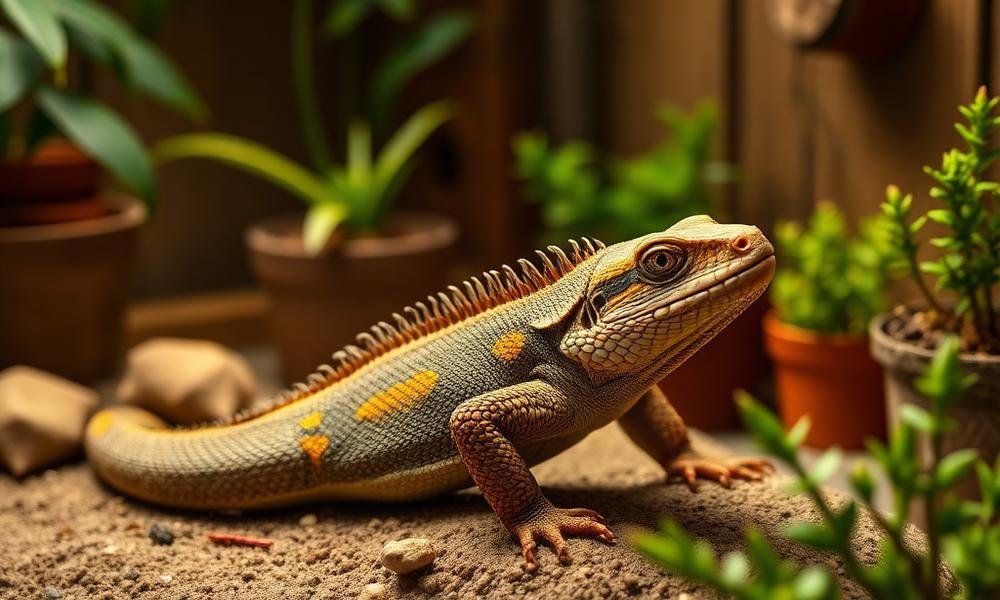
Diet varies wildly by species. Insectivores (leopard geckos, bearded dragons as juveniles) eat gut loaded crickets, dubia roaches, and mealworms. Herbivores (adult bearded dragons, uromastyx) need dark leafy greens, squash, and limited fruit. Carnivores (ball pythons, king snakes) eat frozen thawed rodents.
Gut loading feeder insects for 24–48 hours before feeding dramatically improves nutritional value. Dust insects with calcium powder (without D3 if using UVB) at every feeding for growing reptiles, and add a multivitamin once or twice weekly.
Feed juveniles daily and adults every 2–3 days for insectivores, or every 1–2 weeks for snakes. Adjust based on body condition—your reptile should have a rounded but not obese appearance.
Always provide fresh water in a shallow, tip proof dish. Change it daily. Some species like chameleons prefer dripping water or misting—they won't drink from a bowl.
Get your reptile setup right the first time with our curated starter kits and supplies.
Browse Reptile Options →
How Do You Handle and Bond With Your Reptile?
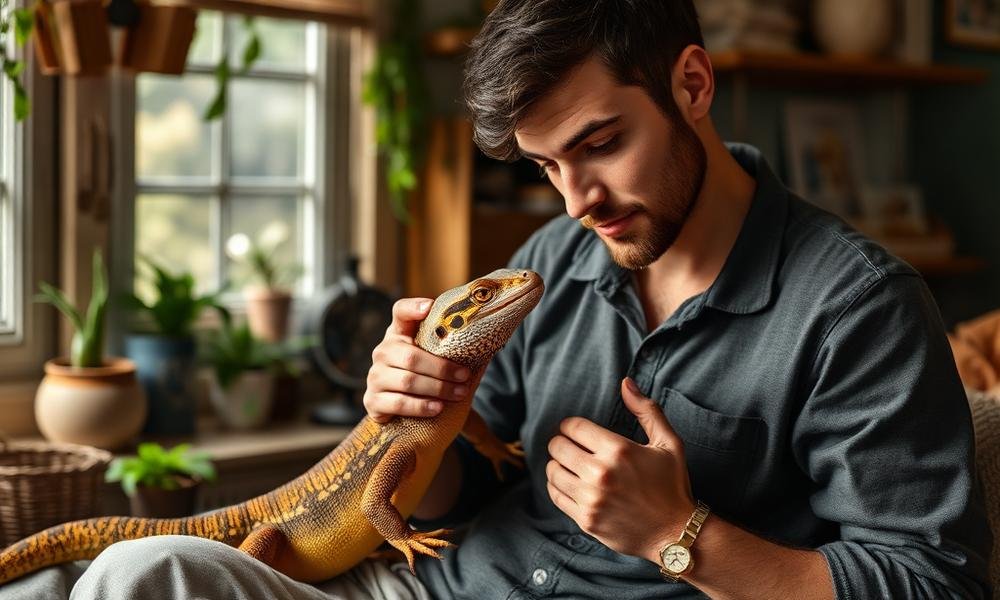
Reptiles are not dogs. They don't crave affection, but they can learn to tolerate handling. Start slow. Let your reptile settle into its new home for at least 1–2 weeks before attempting handling.
Always approach from the side, not above (that mimics a predator). Support the body fully—never grab the tail. Handle for 5–10 minutes at a time, gradually increasing duration. Watch for stress signals: hissing, tail rattling, puffing up, or trying to escape.
Wash your hands before and after handling. Reptiles can carry Salmonella, and your scent can stress them. Never handle after feeding—wait 48 hours to prevent regurgitation.
Bonding happens through routine, not cuddling. Hand feeding treats (like a single blueberry for a bearded dragon) builds positive associations. Regular, calm interactions build trust over weeks to months.
Pro Tip: Handle your reptile in the same room as its enclosure. If it feels threatened, it can see its home and feel safer. Never take a new reptile outside—the stress and temperature change can be dangerous.
What Are Common Reptile Health Problems and How Do You Prevent Them?
Metabolic bone disease (MBD) is the most common killer of captive reptiles. It causes soft, deformed bones, tremors, and paralysis. Prevention is simple: proper UVB lighting and calcium supplementation. If you see signs, see a reptile vet immediately.
Respiratory infections show as wheezing, bubbles from the nose or mouth, and lethargy. They're usually caused by incorrect temperature or humidity. Fix the husbandry first, then consult a vet for antibiotics.
Parasites (mites, ticks, internal worms) are common in wild caught reptiles. Quarantine new animals for 30–90 days. A fecal exam by a vet costs $30–$50 and can catch problems early.
Dysecdysis (bad sheds) happens when humidity is too low or the reptile is dehydrated. Provide a humid hide (a container with damp sphagnum moss) and increase misting. Never peel stuck shed—soak the reptile in shallow warm water instead.
| Common Cause | Immediate Action | ||
|---|---|---|---|
| Not eating | Stress, wrong temp, brumation | Check temps, reduce handling, offer preferred food | Proper setup, routine schedule |
| Too cold, illness, dehydration | Warm up enclosure, offer water, see vet | Correct thermal gradient, fresh water | |
| Swollen eyes | UVB burn, stuck shed, infection | Remove UVB, soak, see reptile vet | Proper UVB distance, humidity |
| Soft jaw/bones | Metabolic bone disease | Emergency vet, UVB + calcium | UVB lighting, calcium dusting |
Veterinarians generally recommend annual wellness exams for reptiles. Find a certified reptile vet through the AVMA pet owner resources directory. Many general vets won't treat reptiles—call ahead.
How Do You Clean and Maintain a Reptile Enclosure?
Spot clean daily: remove feces, uneaten food, and shed skin. This prevents bacteria buildup and keeps odors down. Use a reptile safe disinfectant or a 1:10 bleach water solution (rinse thoroughly).
Do a full substrate change every 2–4 weeks for non bioactive setups. For bioactive enclosures (with clean up crew insects and live plants), you only need spot cleaning and occasional plant trimming.
Disinfect water bowls weekly with hot water and vinegar or reptile safe cleaner. Replace UVB bulbs every 6–12 months. Check thermostat probes and heat sources monthly for accuracy.
A clean enclosure reduces stress and disease. A dirty one can cause scale rot, respiratory infections, and parasite outbreaks. Consistency is key.
How Do You Choose the Right Substrate for Your Reptile?
Substrate isn't just decoration—it affects humidity, burrowing behavior, and health. For desert species like bearded dragons, a mix of topsoil and play sand works well (avoid calcium sand—it clumps when wet and causes impaction).
Tropical species like crested geckos thrive on coconut fiber or sphagnum moss. These hold humidity and allow for natural burrowing. For snakes, aspen shavings or cypress mulch are excellent choices—they hold shape for tunneling and are dust-free.
Avoid cedar and pine shavings. They release aromatic oils that can cause respiratory damage in reptiles. Also skip loose substrates for young reptiles or those prone to eating substrate—paper towels or reptile carpet are safer options during quarantine.
Bioactive substrates are gaining popularity. They include a drainage layer, soil, leaf litter, and clean up crew insects like springtails and isopods. These setups break down waste naturally and require less frequent cleaning—some owners go years without a full substrate change.
Pro Tip: When switching substrates, do it gradually. Mix the new substrate in over 2–3 weeks so your reptile can adjust to the texture and scent. Sudden changes can cause stress and refusal to eat.
What Temperature and Humidity Levels Do Different Reptiles Need?
Getting temperatures right is the single most important factor in reptile health. Bearded dragons need a basking spot of 95–105°F and a cool side of 75–80°F. Leopard geckos need a warm side of 88–92°F and a cool side of 70–75°F.
Ball pythons require a basking area of 88–92°F and an ambient temperature of 78–82°F. Crested geckos do best at 72–78°F—anything above 82°F can be fatal. Never guess—always use a digital thermometer with a probe.
Humidity requirements are just as specific. Desert species need 30–research suggests 40% humidity. Tropical species need 60–research suggests 80%. Forest species like green tree pythons need 70–research suggests 90%. Use a digital hygrometer and adjust with misting, a larger water dish, or a fogger.
Nighttime drops are natural for most species. A 5–10°F drop at night mimics their natural environment and promotes healthy sleep cycles. Just make sure the temperature never falls below the species' minimum tolerance.
| Basking Temp | Cool Side | ||
|---|---|---|---|
| Bearded Dragon | 95–105°F | 75–80°F | 30–research suggests 40% |
| Leopard Gecko | 88–92°F | 70–75°F | 30–research suggests 40% |
| Ball Python | 88–92°F | 78–82°F | 50–research suggests 60% |
| Crested Gecko | 72–78°F | 68–72°F | 60–research suggests 80% |
| Red Eared Slider | 85–90°F (basking) | 75–80°F (water) | 70–research suggests 80% |
Thermostats are non-negotiable. A $20 thermostat can prevent burns and equipment failure. Set it to shut off heat sources if temperatures exceed safe limits. This single purchase has saved countless reptiles from overheating.
How Do You Set Up a Quarantine for a New Reptile?
Quarantine every new reptile for at least 30 days—90 days is better. Use a separate room if possible. This prevents spreading mites, parasites, or respiratory infections to your existing collection.
During quarantine, use paper towels as substrate. They make it easy to spot abnormal feces, mites, or regurgitation. Keep temperatures and humidity at the species' ideal range—stress from shipping can lower immunity.
Watch for these red flags during quarantine: runny or bloody stool, wheezing, bubbles from nose or mouth, weight loss, lethargy, and stuck shed. Schedule a vet visit and fecal exam within the first week.
Wash your hands between handling the quarantine animal and your other reptiles. Use separate feeding tongs, water bowls, and cleaning tools. This simple habit has prevented countless outbreaks in multi reptile households.
Pro Tip: Take a photo of your new reptile on day one and weigh it on a kitchen scale. Compare weekly. A 5–research suggests 10% weight loss in 2 weeks is a serious red flag that requires immediate veterinary attention.
For broader reference and guidance, akc.org provides useful context on pet health and care decisions.
Frequently Asked Questions
What is the easiest reptile to care for as a beginner?
The leopard gecko is widely considered the easiest reptile for beginners. They are hardy, don't need UVB, eat simple insects, and stay under 10 inches. Their care requirements are forgiving compared to more sensitive species like chameleons.
How often should I clean my reptile's enclosure?
Spot clean daily by removing feces and uneaten food. Do a full substrate change every 2–4 weeks for non bioactive setups. Bioactive enclosures need less frequent deep cleaning but still require daily spot cleaning and monthly maintenance.
Do all reptiles need UVB lighting?
No. Diurnal reptiles like bearded dragons, turtles, and uromastyx absolutely need UVB. Nocturnal reptiles like leopard geckos and most snakes can survive without it, though low level UVB can still benefit them. Always research your specific species.
How long do pet reptiles typically live?
Lifespans vary dramatically by species. Leopard geckos live 10–20 years, bearded dragons 8–12 years, ball pythons 20–30 years, and tortoises can live 50–100+ years. This is a long term commitment—reptiles are not short lived pets.
What should I do if my reptile stops eating?
First check temperatures and humidity. Stress from handling or a new environment is common. For snakes, check for upcoming shed. If your reptile hasn't eaten for 2–3 weeks (or longer for snakes), consult a reptile vet. Never force-feed.
Can I keep multiple reptiles together?
Generally no. Most reptiles are solitary and territorial. Cohabitation causes stress, competition for resources, and sometimes injury or death. Exceptions include some species of anoles and skinks, but even then, males should never be housed together.
How do I know if my reptile is stressed?
Common stress signs include refusing food, hiding excessively, glass surfing (pacing the enclosure walls), hissing, tail rattling, and color changes. Reduce handling, check your husbandry, and give your reptile time to adjust. Stress that lasts more than 2 weeks needs investigation.
What should I do if my reptile gets burned by a heat source?
Remove the reptile from the heat source immediately. Apply a reptile safe burn cream or plain aloe vera gel. Keep the wound clean and dry. See a reptile vet—burns can become infected quickly and may require antibiotics or pain relief.