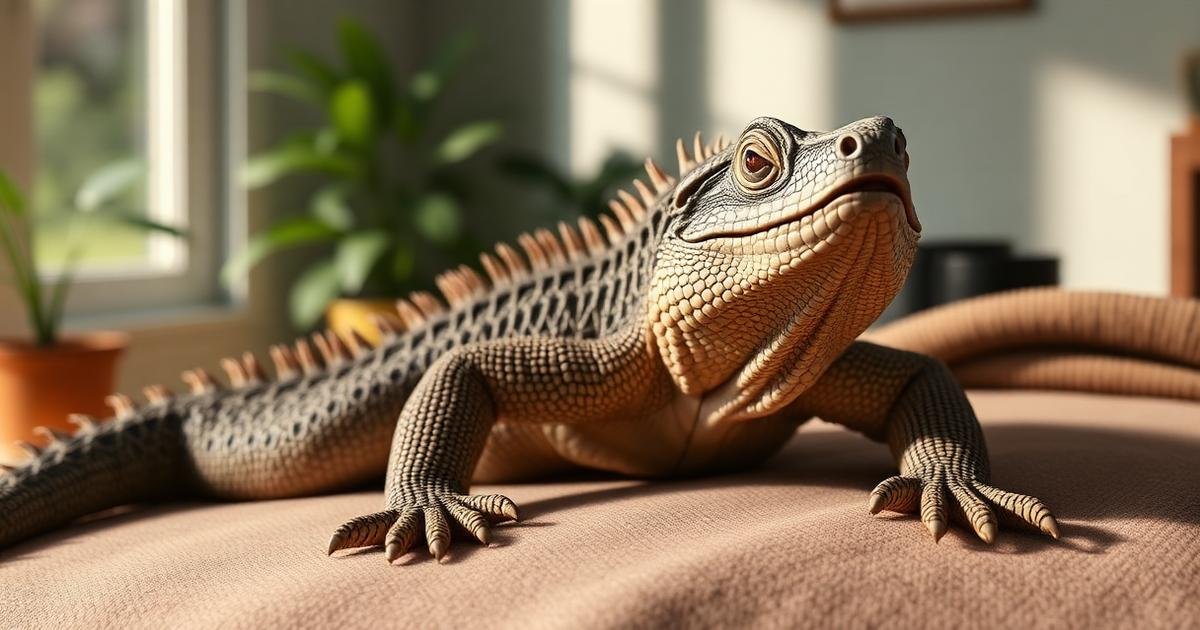
You notice your reptile-not-eating-food-reasons/">reptile-shedding-problems-solutions/">reptile is sluggish, not eating, and barely moving. It's alarming and confusing. You want to know if this is normal behavior or a sign of something serious. Reptile lethargic causes treatment starts with understanding that lethargy is almost always a symptom of an underlying issue — not a normal state. The root causes range from improper temperatures and dehydration to infection, parasitic load, or metabolic disease. The fix requires checking your setup first, then consulting a qualified reptile veterinarian.
Reptile lethargic causes treatment: Reptile lethargic causes treatment begins with identifying the root problem. The most common causes are incorrect basking or ambient temperatures, dehydration, inadequate UVB lighting, parasitic infections, and metabolic bone disease. Treatment depends on the specific cause — correcting temperature
Quick Answer: What causes reptile lethargy and how do you treat it?
Reptile lethargic causes treatment begins with identifying the root problem. The most common causes are incorrect basking or ambient temperatures, dehydration, inadequate UVB lighting, parasitic infections, and metabolic bone disease. Treatment depends on the specific cause — correcting temperature gradients, improving hydration, and adjusting lighting are the first steps. If lethargy persists beyond 24 hours of corrected husbandry, a vet visit is essential.
For a complete guide on this topic, see the Reptile Care Guide.
Why Your Reptile Is Lethargic
Lethargy in reptiles is never random. These animals are masters at hiding illness, so when you see reduced activity, something is wrong. Let's break down the most likely root causes.
Incorrect Temperature Gradient
Reptiles are ectothermic — they rely on external heat to regulate their metabolism. If the basking spot is too cool or the cool side is too warm, your reptile cannot digest food or move properly. A drop of just 5°F in basking temperature can cause significant lethargy within hours.
Dehydration
Many reptiles, especially desert species, need more water than owners provide. Dehydration shows up as sunken eyes, wrinkled skin, and sticky saliva. Without adequate hydration, organs slow down and your reptile appears weak or unresponsive.
Inadequate UVB Lighting
UVB light allows reptiles to synthesize vitamin D3, which is essential for calcium absorption. Without it, they develop metabolic bone disease (MBD). Early signs include lethargy, tremors, and a soft jaw or limbs. This is one of the most common reptile lethargic causes treatment requires urgent correction.
Parasitic or Bacterial Infection
Internal parasites like pinworms, coccidia, or flagellates cause nutrient malabsorption and lethargy. Bacterial infections, especially respiratory infections, present with open mouth breathing, bubbles from the nose, and a lack of energy. These require a fecal exam and antibiotics from a vet.
Brumation or Seasonal Slowing
Many temperate reptile species naturally slow down during cooler months. This is called brumation — a reptile version of hibernation. If your reptile is otherwise healthy but eating less and sleeping more as days shorten, this may be normal. But brumation should never cause extreme weight loss or refusal to drink.
Metabolic Disease or Organ Failure
Kidney disease, liver issues, and gout are common in older reptiles. These conditions cause a gradual decline in energy over weeks or months. If your reptile is over 5 years old and becoming increasingly lethargic, bloodwork is needed to rule out organ dysfunction.
Pro Tip: Keep a daily log of basking temperature, humidity, and your reptile's activity level for at least one week before calling the vet. This data is invaluable for diagnosing reptile lethargic causes treatment accurately.
Root Cause Decision Tree
Match your reptile's specific behavior to find the fastest fix:
| What you observe | Likely root cause | First fix to try |
|---|---|---|
| Lethargic + not eating + staying on cool side | Temperature too low | Check basking spot temp with a digital thermometer. Adjust to species specific range. Give 4 hours to warm up. |
| Lethargic + sunken eyes + wrinkled skin | Offer a shallow water soak for 20 minutes. Mist enclosure more frequently. Check humidity levels. | |
| Lethargic + tremors + soft jaw or limbs | Metabolic bone disease (MBD) | Replace UVB bulb immediately. Ensure calcium + D3 supplementation. Vet visit within 48 hours. |
| Lethargic + weight loss + runny stool | Parasitic infection | Collect fresh fecal sample. Schedule vet appointment for fecal float test. |
| Lethargic + open mouth breathing + bubbles from nose | Respiratory infection | Increase enclosure temperature by 5°F. Vet visit within 24 hours for antibiotics. |
| Lethargic + normal appetite + seasonal timing | Brumation (normal slowing) | Monitor weight weekly. Ensure water is available. No need to force-feed. |
When This Is NOT Just Behavior
Lethargy is a red flag. Unlike dogs or cats, reptiles don't have "bad days" — they conserve energy when something is wrong. According to the
Call your vet immediately if you see any of these signs alongside lethargy:
- Sudden onset of lethargy in a previously active adult reptile
- Tremors, twitching, or inability to grip branches or substrate
- Swollen joints, lumps, or a soft, pliable jaw
- Bleeding from mouth, vent, or nostrils
- Lethargy that persists more than 24 hours after correcting temperature and hydration
- Weight loss of more than research suggests 10% of body weight in 2 weeks
Pro Tip: Many reptile owners wait too long before seeking help. If your reptile hasn't eaten in 2 weeks and is lethargic, do not wait another day. Reptiles can deteriorate rapidly once they stop eating.
Enrichment Protocol for Recovery and Prevention
Once you've addressed the immediate reptile lethargic causes treatment, proper enrichment supports recovery and prevents recurrence. A healthy, active reptile needs these four elements daily:
- Correct thermal gradient: Ensure a basking spot at the species specific temperature (usually 90–110°F for desert species, 85–95°F for tropical) and a cool side 10–15°F lower. Check temperatures with a digital probe thermometer twice daily.
- UVB lighting on a 12-hour cycle: Replace UVB bulbs every 6 months even if they still emit visible light. UVB output degrades over time. Place the bulb within the recommended distance (usually 6–12 inches from basking spot).
- Daily hydration check: Offer a shallow water dish large enough for soaking. Mist the enclosure 1–2 times daily for tropical species. Soak your reptile in shallow warm water for 15–20 minutes 2–3 times per week if they are a desert species.
- Structured feeding schedule: Feed appropriate prey items (gut loaded insects, whole prey) on a consistent schedule. Young reptiles need daily feeding; adults may eat every 2–4 days. Dust food with calcium and multivitamin supplements as recommended for your species.
- Environmental stimulation: Rearrange cage furniture weekly. Provide hiding spots, climbing branches, and digging substrate. This encourages natural foraging and exploratory behaviors that combat lethargy.
How to Assess Your Reptile's Enclosure Setup in 10 Minutes
You don't need expensive equipment to do a basic health check on your reptile's environment. Start with the temperature gradient. Place a digital probe thermometer on the basking spot and another on the cool side. Wait 5 minutes and record both readings. The difference should be at least 10°F — anything less means your reptile cannot thermoregulate properly.
Next, check your UVB bulb's age. If it's been more than 6 months since replacement, swap it out immediately. Even bulbs that still glow lose their UVB output over time. The
Finally, assess humidity. Use a digital hygrometer, not the stick on analog type. For tropical species, humidity should be 60–research suggests 80%. Desert species need 30–research suggests 50%. If your readings are off by more than research suggests 10%, adjust by misting more or less, or by changing the substrate to something that holds moisture better (like coconut fiber for tropical species).
Perform this 10-minute check every morning for the first week after noticing lethargy. Within 3 days of corrected conditions, you should see your reptile basking, moving, and showing interest in food. If not, move to the troubleshooting matrix below.
Pro Tip: Use an infrared temperature gun to check surface temperatures of the basking rock or branch. Air temperature can be misleading — your reptile's belly needs to be warm for proper digestion.

Product Buying Criteria: What to Look For
If you need to replace equipment as part of your reptile lethargic causes treatment plan, focus on quality over price. Here's what matters:
Thermometers and Hygrometers
Skip the stick on analog gauges — they're notoriously inaccurate. Buy digital probe thermometers or infrared temperature guns. You need to measure basking surface temperature, not air temperature.
UVB Lighting
Look for bulbs labeled "UVB 5.0" or "UVB 10.0" depending on your species. Desert reptiles need 10.0; forest species need 5.0. Tube style fluorescent bulbs provide more consistent UVB coverage than compact bulbs. Replace every 6 months.
Heating Equipment
Ceramic heat emitters provide heat without light, which is ideal for nighttime warmth. Basking bulbs should be halogen or incandescent — avoid colored bulbs that disrupt sleep cycles. Always use a thermostat to prevent overheating.
Supplementation
Choose calcium powder without D3 for daily use, and calcium with D3 for 2–3 feedings per week. A multivitamin powder should be used once weekly. Avoid products with added phosphorus, which blocks calcium absorption.
Pro Tip: When buying a new UVB bulb, check the manufacturer's recommended distance. A bulb placed too far away provides zero benefit. Most UVB bulbs need to be 6–8 inches from the basking spot for effective output.
Troubleshooting Matrix
| Behavior pattern | Likely cause | What to do |
|---|---|---|
| Lethargic all day, doesn't move to bask | Temperature gradient too narrow or basking spot too cool | Increase basking bulb wattage. Check temp with digital probe. Should see movement to warm side within 30 minutes. |
| Lethargic after eating, stays in same spot for 2+ days | Temperature too low for digestion | Basking spot must be at least 95°F for most reptiles. Give 48 hours at correct temp before worrying. |
| Lethargic with eyes closed during the day | Dehydration or eye infection | Soak in shallow warm water for 20 minutes. Check for discharge. Vet if no improvement in 24 hours. |
| Lethargic + not pooping for 1+ week | Impaction or constipation | Soak in warm water 2x daily. Offer pumpkin puree (if species-appropriate). Vet if no poop in 10 days. |
| Lethargic + shedding issues (stuck shed) | Humidity too low | Increase enclosure humidity. Provide humid hide. Soak daily until shed loosens. |
| Lethargic + only active when you handle them | Enclosure too small or boring | Add climbing branches, hiding spots, and substrate for digging. Upgrade to larger enclosure if needed. |
| Lethargic + weight loss + eating normally | Parasitic infection or malabsorption | Fecal test required. Vet will prescribe dewormer. Improvement usually seen within 1–2 weeks of treatment. |
When to See a Reptile Veterinarian Immediately
Some situations require professional help right away. If your reptile is lethargic and has not eaten for 2 weeks despite correct temperatures and hydration, a vet visit is non-negotiable. The same applies if you see any of these signs: open mouth breathing, bubbles from the nose or mouth, bleeding from any body opening, or seizures.
Reptile lethargic causes treatment often involves diagnostics like bloodwork, fecal exams, and X-rays. A qualified reptile vet can determine if the issue is parasitic, bacterial, or metabolic. According to the
Don't wait for your reptile to "snap out of it." These animals hide pain and illness as a survival instinct. By the time you notice lethargy, the problem has likely been progressing for days or weeks. A single vet visit can save your reptile's life and prevent chronic health issues.
Pro Tip: Find a vet who specializes in exotic pets before you need one. Keep their number saved in your phone. During an emergency, you don't want to scramble to find a qualified professional.
Stop guessing — get the right setup for your reptile's recovery.
Browse Reptile Options →
For broader reference and guidance, akc.org provides useful context on pet health and care decisions.
For broader reference and guidance, petmd.com provides useful context on pet health and care decisions.
Frequently Asked Questions
My reptile is only lethargic at night — is that normal?
Yes, most reptiles are diurnal and naturally sleep at night. However, if your reptile is lethargic during its normal active hours (daytime for most species), that's a concern. Nocturnal species like leopard geckos should be active at night — daytime lethargy in those species is abnormal.
Will reptile lethargy go away on its own?
Not usually. Reptile lethargic causes treatment requires identifying and correcting the underlying issue. If the cause is temperature or hydration, fixing those will resolve lethargy within 24–48 hours. If the cause is infection or metabolic disease, it will not resolve without veterinary intervention.
Is lethargy a sign of metabolic bone disease?
Yes, lethargy is one of the earliest signs of metabolic bone disease (MBD). You may also notice tremors, a soft jaw, or difficulty walking. MBD is caused by inadequate UVB lighting or calcium deficiency. It requires immediate veterinary treatment and correction of lighting and supplementation.
How long until I see improvement after fixing the temperature?
You should see your reptile move to the basking spot within 30–60 minutes of correcting the temperature. Full energy levels and appetite typically return within 24–48 hours. If no improvement occurs within 48 hours of corrected husbandry, a vet visit is necessary.
Should I force feed a lethargic reptile?
No. Force feeding a lethargic reptile can cause aspiration or stress that worsens the condition. Focus on correcting temperature, hydration, and lighting first. If your reptile hasn't eaten for 2–3 weeks despite proper husbandry, consult a vet for assisted feeding.
My reptile is lethargic but only after handling — what's wrong?
This suggests handling is causing stress. Reptiles need time to warm up after being handled, as handling lowers their body temperature. Limit handling to 10–15 minutes and ensure they return to their basking spot afterward. If lethargy persists for hours after handling, reduce handling frequency.
Can a reptile recover from severe lethargy?
Yes, most reptiles recover fully once the underlying cause is addressed. Recovery time depends on the severity and cause — mild temperature issues resolve in 1–2 days, while metabolic bone disease may take weeks of treatment. Follow your vet's recommendations and maintain proper husbandry for the best outcome.
How do I know if my reptile is brumating versus sick?
A brumating reptile will still drink water and may occasionally move to a different spot. They maintain body weight and show no signs of illness like discharge or tremors. A sick reptile loses weight, refuses water, and shows additional symptoms like sunken eyes or labored breathing.