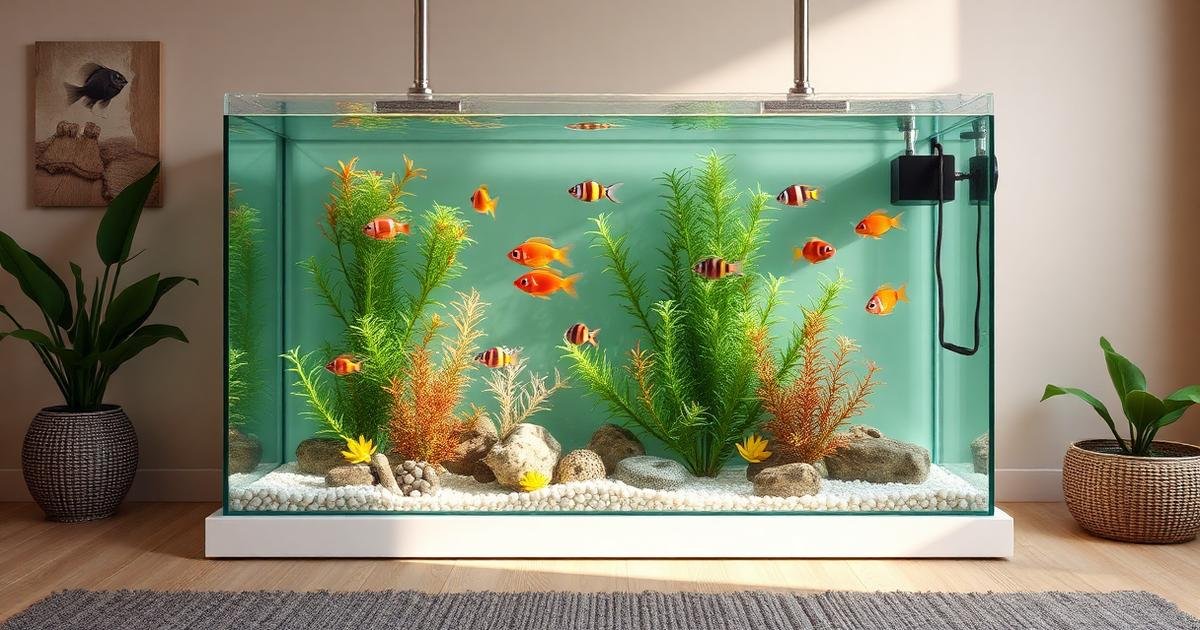
Starting an aquarium is one of the most rewarding hobbies, but it requires more than just filling a tank with water and fish. This ultimate guide to aquarium care covers everything from cycling your tank to routine maintenance, so you can create a thriving underwater ecosystem. A healthy aquarium depends on stable water parameters, proper filtration, and consistent care—get these right, and your fish will flourish. Whether you're a first time owner or looking to refine your skills, this guide gives you the practical steps to succeed.
Ultimate guide to aquarium care: The most critical step is completing the nitrogen cycle before adding fish. This process, which takes 4–8 weeks, establishes beneficial bacteria that convert toxic ammonia into safer nitrates. Without a cycled tank, fish suffer from ammonia poisoning, often leading to illness or death within days. T
Quick Answer: What is the most important step in aquarium care?
The most critical step is completing the nitrogen cycle before adding fish. This process, which takes 4–8 weeks, establishes beneficial bacteria that convert toxic ammonia into safer nitrates. Without a cycled tank, fish suffer from ammonia poisoning, often leading to illness or death within days. Test your water weekly with a liquid kit and never add fish until ammonia and nitrite read 0 ppm for 3–5 consecutive days.
For a complete guide on this topic, see the Aquarium Setup Guide.
This ultimate guide to aquarium care decision works best when the owner compares daily fit, tolerance, and practical consistency together.
Why Is Water Quality the Foundation of Aquarium Care?
Water quality determines everything in your aquarium. Fish, plants, and beneficial bacteria all depend on stable chemical conditions. Even small fluctuations in pH, ammonia, or temperature can stress your fish, making them vulnerable to disease.
You need a reliable test kit to monitor ammonia, nitrite, nitrate, and pH weekly. The API Freshwater Master Test Kit is a standard choice among hobbyists. Test strips are convenient but less accurate—liquid tests give you precise readings. Aim for ammonia and nitrite at 0 ppm, nitrate below 20 ppm, and pH stable for your specific fish species.
Temperature matters just as much. Most tropical fish thrive between 74–82°F. Use a submersible heater with a thermostat and check it daily. A sudden drop of even 5°F can trigger stress and disease outbreaks like ich.
Pro Tip: Keep a log of your water test results for the first 3 months. This helps you spot trends before they become problems—rising nitrates often mean it's time for a water change.
Veterinarians and aquatic experts from the AVMA emphasize that poor water quality is the leading cause of fish illness. You can't skip this step. For more on testing specifics, check the PetMD water quality guide.
How Do You Cycle a New Aquarium Properly?
Cycling is the process of growing beneficial bacteria that break down fish waste. Without it, ammonia builds up and kills fish. You have two main options: fishless cycling (safer) or fish in cycling (riskier, only for experienced keepers).
For fishless cycling, set up your tank with filter, heater, and decor. Add a source of ammonia—either pure liquid ammonia or fish food that decomposes. Test daily. You'll see ammonia spike first, then nitrite, then nitrate. When both ammonia and nitrite read 0 ppm for 3–5 days in a row, your tank is cycled.
This process takes 4–8 weeks. Be patient. Rushing it by adding fish early almost always ends in heartbreak. You can speed things up by using filter media from an established tank or bottled bacteria products like Seachem Stability, but even then, allow at least 2–3 weeks.
During cycling, keep your pH above 7.0 and temperature at 80–82°F—bacteria grow faster in warmer, slightly alkaline water. Avoid changing water unless ammonia exceeds 5 ppm. Once cycled, perform a research suggests 50% water change before adding fish.
Pro Tip: Add a small pinch of fish food every other day during cycling. It decomposes into ammonia naturally, feeding your bacteria colony without risking live fish.
What Equipment Do You Really Need for a Healthy Aquarium?
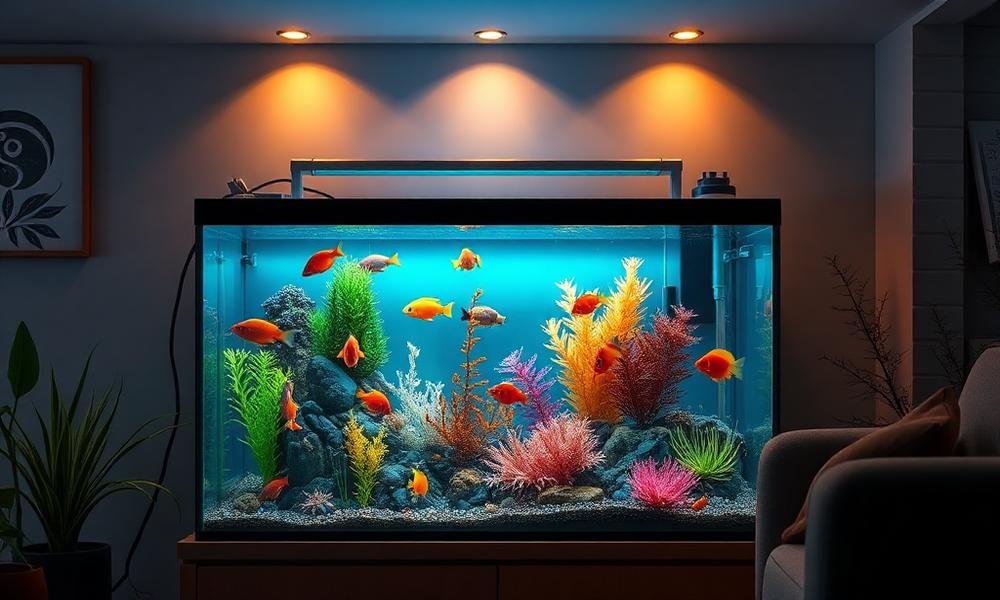
Not all equipment is optional. This ultimate guide to aquarium care recommends you start with these essentials: a tank (20 gallons or larger is easier to stabilize), a filter rated for your tank size, a heater with thermostat, a thermometer, a test kit, and a gravel vacuum. Everything else is nice-to-have.
Your filter is the heart of the system. Choose a hang-on-back (HOB) or canister filter for freshwater tanks. Sponge filters work well for breeding or shrimp tanks. Never clean filter media with tap water—use tank water during water changes to preserve beneficial bacteria.
Lighting matters for plant growth and fish health. LED lights are energy efficient and last years. Run lights 8–10 hours daily, but use a timer to prevent algae blooms. Too much light causes algae; too little stresses plants and fish.
Skip the "starter kits" that include cheap filters and weak lights. Invest in quality equipment once. A good filter and heater will last 5–10 years, while cheap ones fail within months.
Ready to build your dream aquarium? Find the right gear for your setup.
Browse Aquarium Options →
How Often Should You Clean Your Aquarium?
Consistency beats intensity. Perform a research suggests 25% water change every 1–2 weeks for most freshwater tanks. Heavily stocked tanks or those with messy fish (goldfish, cichlids) need weekly changes. Understocked planted tanks can go 2–3 weeks.
Use a gravel vacuum to remove debris from the substrate. Stir the gravel gently to release trapped waste, but don't clean more than research suggests 25% of the substrate at once. Wipe algae from the glass with an algae scraper or magnetic cleaner. Never use soap or chemicals—they're toxic to fish.
Clean your filter every 4–6 weeks. Rinse mechanical media (sponges, pads) in a bucket of tank water. Don't replace all media at once—replace one piece at a time to avoid crashing your cycle. Biological media like ceramic rings can go months without cleaning.
Pro Tip: Schedule water changes on the same day each week. Consistency prevents parameter swings that stress fish. Set a phone reminder if needed—it's that important.
How Do You Troubleshoot Common Aquarium Problems?
Every aquarist faces problems. The key is diagnosing the cause before treating symptoms. Here's a quick troubleshooting matrix for the most common issues.
| Likely Cause | ||
|---|---|---|
| Green water (algae bloom) | Excess light or nutrients | Reduce light to 6–8 hours; perform research suggests 50% water change; add live plants |
| Fish gasping at surface | Low oxygen or high ammonia | Test water immediately; increase surface agitation; perform research suggests 50% water change |
| White spots on fish | Ich parasite (stress-related) | Raise temperature to 86°F for 3 days; add aquarium salt; treat with ich medication |
| Cloudy water after setup | Bacterial bloom (normal during cycling) | Wait 3–7 days; avoid overfeeding; don't change water unless ammonia spikes |
| Brown algae on glass | Diatoms (common in new tanks) | Wipe clean; add algae eating fish or snails; ensure adequate lighting |
If your fish are sick, quarantine them in a separate hospital tank before treating. Medications can harm beneficial bacteria in your main tank. Always identify the disease first—don't guess. The
How Do You Choose the Right Fish for Your Aquarium?
This ultimate guide to aquarium care stresses compatibility above all else. Never mix aggressive and peaceful species, or fish with vastly different water requirements. Research each species' adult size, temperament, and water parameters before buying.
Follow the "inch-per-gallon" rule as a rough guide: one inch of adult fish per gallon of water. But this rule fails for messy fish like goldfish or active swimmers like danios. Instead, use a stocking calculator like AqAdvisor, which accounts for filtration and behavior.
Start with hardy species: zebra danios, cherry barbs, corydoras catfish, or platies. These tolerate beginner mistakes better than angelfish or discus. Add fish in groups of 3–6 (for schooling species) and never add more than 3–4 fish at once—overloading the filter causes ammonia spikes.
Quarantine new fish for 2–4 weeks in a separate tank before adding them to your main display. This prevents introducing diseases like velvet or columnaris that can wipe out your entire tank.
How Do You Set Up a Planted Aquarium for Success?
Live plants transform your aquarium into a self regulating ecosystem. They absorb nitrates, produce oxygen, and give fish hiding spots. This ultimate guide to aquarium care recommends starting with low light plants like Java fern, Anubias, or Amazon sword—these require no CO2 injection and grow steadily.
Choose a nutrient rich substrate like Fluval Plant Stratum or mix root tabs into standard gravel. Plants like Java fern and Anubias should be attached to driftwood or rocks, not buried. Bury root feeders like Amazon sword and Vallisneria directly into the substrate.
Lighting is the biggest variable. Low light plants need 6–8 hours of moderate LED light daily. Too little light causes melting; too much triggers algae. Use a timer to maintain consistency. Add a liquid fertilizer like Seachem Flourish once weekly after the first month.
Planted tanks require less frequent water changes than fish only setups—every 2–3 weeks for established tanks. The plants consume nitrates, so you can go longer between changes. Trim dead leaves promptly to prevent decay from spiking ammonia.
Pro Tip: Add a cleanup crew of cherry shrimp or nerite snails to your planted tank. They eat algae and leftover food without disturbing plants. Start with 5–10 shrimp or 2–3 snails for a 20-gallon tank.
For more on plant care, check the PetMD planted aquarium guide.
How Do You Prevent and Treat Common Fish Diseases?
Disease prevention starts with stable water parameters and a stress free environment. Stressed fish get sick; healthy fish fight off infections. Follow this decision tree to identify and respond to common illnesses.
| Likely Disease | First Step | ||
|---|---|---|---|
| White specks like salt grains | Ich (Ichthyophthirius) | Raise temperature to 86°F slowly over 2 hours | Add aquarium salt (1 tsp per gallon); treat with malachite green for 5–7 days |
| Fuzzy white patches on mouth or body | Columnaris (mouth fungus) | Quarantine fish immediately | Treat with antibiotics like kanamycin or nitrofurazone for 10 days |
| Clamped fins, lethargy, loss of appetite | General bacterial infection | Perform research suggests 50% water change | Add aquarium salt; treat with erythromycin for 5–7 days |
| Swollen belly, raised scales (pinecone appearance) | Dropsy (organ failure) | Isolate fish; this is often fatal | Treat with Epsom salt baths (1 tbsp per gallon) for 15 minutes daily; prognosis is poor |
| Rapid breathing, gasping at surface | Ammonia poisoning or gill flukes | Test water immediately; perform research suggests 50% water change | If water is clean, treat with praziquantel for flukes over 3 days |
Always quarantine new fish for 2–4 weeks before adding them to your main tank. This single habit prevents research suggests 90% of disease outbreaks. Keep a small hospital tank with a sponge filter and heater ready at all times. Treat only in the hospital tank unless otherwise directed—medications kill beneficial bacteria in your main filter.
Avoid using antibiotics prophylactically. They breed resistant bacteria and harm your cycle. Instead, focus on prevention: stable water, varied diet, and low stress. The AVMA pet owner resources offer additional guidance on recognizing illness early.
Frequently Asked Questions
How long does it take to cycle a new aquarium?
Fishless cycling takes 4–8 weeks on average. You'll know it's complete when ammonia and nitrite both read 0 ppm for 3–5 consecutive days. Using bottled bacteria can shorten this to 2–3 weeks, but patience is essential for a stable tank.
Can I use tap water for my aquarium?
Yes, but you must treat it first. Tap water contains chlorine and chloramine that kill beneficial bacteria and fish. Use a water conditioner like Seachem Prime, which neutralizes these chemicals. Test your tap water for pH and hardness before adding it.
How often should I feed my fish?
Feed adult fish once daily, offering only what they can eat in 2–3 minutes. Overfeeding is the number one cause of poor water quality. Young or growing fish may need 2–3 small feedings daily. Fast one day per week to aid digestion.
Why are my fish dying one by one?
This usually points to a water quality issue. Test ammonia, nitrite, and nitrate immediately. Perform a research suggests 50% water change if levels are high. Also check for signs of disease like clamped fins or labored breathing. Quarantine sick fish to prevent spread.
Do I need a heater for my aquarium?
Yes, unless you keep coldwater fish like goldfish or white cloud minnows. Most tropical fish need 74–82°F. A heater with a thermostat maintains stable temperatures. Without one, room temperature fluctuations can stress fish and trigger illness.
How long do aquarium fish live?
Lifespan varies widely by species. Tetras and guppies live 2–5 years, while angelfish can reach 10 years. Goldfish often live 10–15 years with proper care. Research each species' lifespan before buying—some fish are decades long commitments.
Can I keep live plants with any fish?
Most fish coexist well with plants, but avoid plant eaters like silver dollars and some cichlids. Goldfish uproot plants constantly. Stick to hardy species like Java fern and Anubias for goldfish tanks. Cichlids do best with floating plants or tough species like Vallisneria.
How do I lower nitrate levels in my aquarium?
Perform weekly water changes of 25–research suggests 50%. Add live plants that consume nitrates—floating plants like frogbit work fastest. Reduce feeding frequency. Clean your filter media regularly. If nitrates stay above 40 ppm despite these steps, your tank may be overstocked.