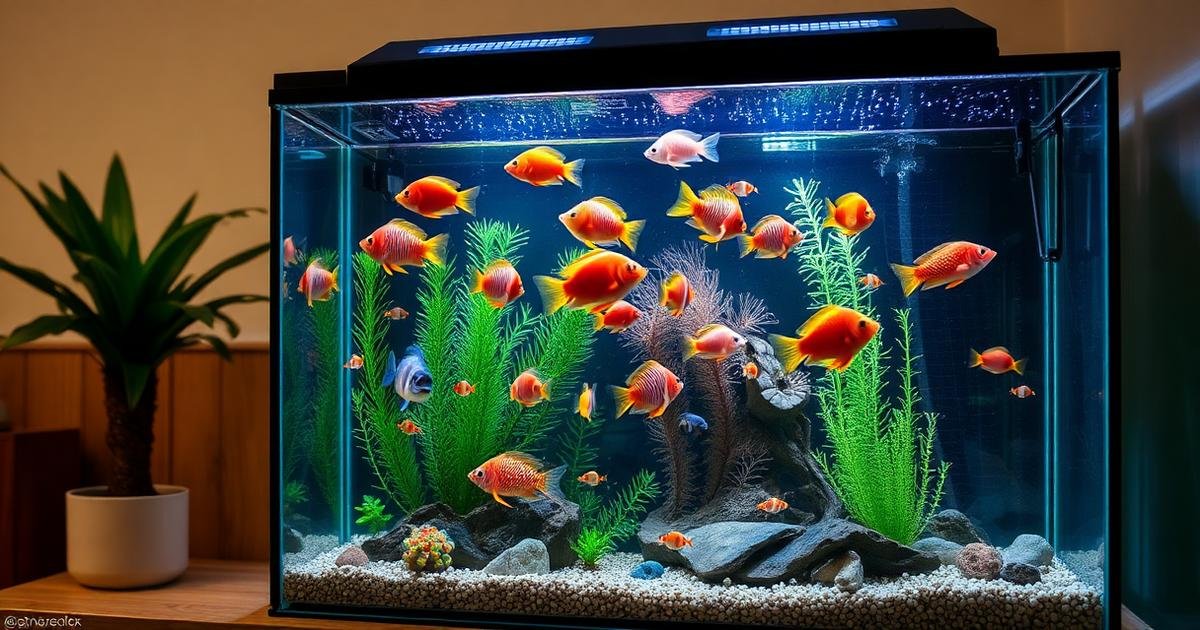
If you're searching for the best fish for small tank beginners, start with hardy, peaceful species that thrive in 5–10 gallon aquariums. Betta fish, neon tetras, guppies, and white cloud mountain minnows are excellent choices because they tolerate minor water fluctuations and stay small. These fish require minimal equipment and can live comfortably in a well cycled nano tank with proper filtration and regular maintenance.
Best fish for small tank beginners: For small tanks under 10 gallons, the best fish for small tank beginners are betta fish, neon tetras (in groups of 5–6), guppies (males only to avoid overpopulation), and white cloud mountain minnows. These species are hardy, stay under 2 inches, and tolerate beginner mistakes like slightly off wate
Quick Answer: What are the best fish for small tank beginners?
For small tanks under 10 gallons, the best fish for small tank beginners are betta fish, neon tetras (in groups of 5–6), guppies (males only to avoid overpopulation), and white cloud mountain minnows. These species are hardy, stay under 2 inches, and tolerate beginner mistakes like slightly off water parameters. Always cycle your tank before adding fish.
For a complete guide on this topic, see the Aquarium Setup Guide.
What size tank counts as "small" for beginner fish?
Most aquarists consider 5 to 10 gallons a small tank. Anything under 5 gallons is extremely difficult to keep stable — water quality swings happen fast in nano tanks. A 10-gallon tank gives you more room for error and allows a small community of fish.
Your tank size directly determines how many fish you can keep. A 5-gallon tank can comfortably house one betta or a small school of 3–4 nano fish. A 10-gallon tank supports 6–8 small fish if you maintain weekly water changes of research suggests 25%.
Pro Tip: Start with a 10-gallon tank if you have space. It's easier to keep water parameters stable than a 5-gallon, and you'll have more options for fish species.
What to look for when choosing the best fish for small tank beginners
Before you pick any fish, understand that not all small fish are beginner-friendly. You need species that tolerate imperfect water conditions, don't grow large, and won't fight each other in tight quarters.
Hardiness and water parameter tolerance
Beginner fish must survive minor ammonia spikes and temperature swings. Bettas, guppies, and white cloud mountain minnows thrive in temperatures from 68–82°F and pH ranges of 6.5–8.0. Avoid sensitive species like discus or rummy nose tetras until you have more experience.
Adult size matters more than you think
A fish sold as 1 inch at the pet store might grow to 4 inches. Always research the adult size before buying. For small tanks, choose fish that stay under 2 inches at maturity. The AKC behavior guides emphasize this principle for dogs, and it applies to fish too — space requirements are non-negotiable.
Social behavior and tank mates
Some fish are schooling species that need groups of 5–6 to feel secure. Others, like bettas, are solitary and territorial. Mixing incompatible fish in a small tank leads to stress, disease, and death. Always check if a species is community friendly before adding it to your tank.
Top 5 fish species for small beginner tanks
Here are the most reliable choices for a 5–10 gallon aquarium. Each species has been tested by thousands of beginner aquarists and proven to succeed with basic care.
Betta fish (Betta splendens)
Bettas are the most popular beginner fish for small tanks. They breathe air from the surface, tolerate low oxygen levels, and thrive in 5-gallon tanks with a gentle filter. Males are colorful and interactive — they'll even learn to recognize you. Keep them alone; they fight with other bettas and may nip long finned tank mates.
Neon tetras (Paracheirodon innesi)
These tiny, bright blue-and red fish need a group of at least 5–6 to feel safe. They stay under 1.5 inches and do well in 10-gallon tanks. Neons are peaceful and add movement to the middle water column. Keep water temperature between 72–78°F for best color and health.
Guppies (Poecilia reticulata)
Guppies are hardy, colorful, and breed easily. For small tanks, keep only males to prevent overpopulation — a single female can produce 20–50 fry every month. They thrive in 5–10 gallon tanks with temperatures of 74–82°F. Guppies are active top dwellers that add constant motion to your aquarium.
Pro Tip: If you want guppies in a 5-gallon tank, stick to 2–3 males. In a 10-gallon, you can keep 4–5 males safely. Avoid mixing males and females unless you want a population explosion.
White cloud mountain minnows (Tanichthys albonubes)
These cold water fish don't need a heater if your room stays above 65°F. They're incredibly hardy and tolerate beginner mistakes like skipped water changes. White clouds stay under 1.5 inches and do best in groups of 5–6. They're active, peaceful, and perfect for unheated 10-gallon tanks.
Cherry shrimp (Neocaridina davidi)
While technically not fish, cherry shrimp are excellent additions to small beginner tanks. They clean algae, eat leftover food, and breed easily. They need stable water parameters and plenty of hiding spots like moss or driftwood. A 5-gallon tank can support 10–15 shrimp comfortably.
How to cycle a small tank before adding fish
Cycling is the single most important step in keeping any of the best fish for small tank beginners alive. Without a cycled tank, ammonia from fish waste builds up and kills them within days. The process takes 4–6 weeks and requires patience.
Start by setting up your tank with filter, heater, and substrate. Add a source of ammonia — either fish food that decomposes or pure liquid ammonia from a pet store. Test the water every 2–3 days using a liquid test kit. You'll see ammonia spike, then nitrites spike, then nitrates appear. When ammonia and nitrites read 0 ppm and nitrates are under 20 ppm, your tank is cycled and ready for fish.
You can speed up cycling by using filter media from an established tank or bottled bacteria products. These can cut the cycle to 2–3 weeks. Never add fish during the cycling process unless you're doing a fish in cycle, which requires daily water changes and is not recommended for beginners. The PetMD condition guides emphasize that a stable environment prevents most health issues, and the same applies to aquariums.
Pro Tip: Buy a liquid test kit like API Master Test Kit, not test strips. Strips are less accurate and run out quickly. Liquid kits last for hundreds of tests and give reliable readings every time.
Which fish should beginners avoid in small tanks?
Some popular fish look small in the store but grow too large or require special conditions. Avoid common plecos — they reach 12+ inches and produce massive waste. Goldfish also seem small but grow to 6–10 inches and need 20+ gallons per fish.
Avoid aggressive species like tiger barbs or cichlids. They bully smaller fish and need larger territories. Also skip delicate species like discus, angelfish, and otocinclus catfish — they demand pristine water conditions that beginners rarely achieve.
Pro Tip: Always Google the adult size and temperament of any fish before buying. Pet store labels are often misleading. A "small" fish might grow to 6 inches in 6 months.
How to set up a small tank for beginner fish
Proper setup prevents research suggests 90% of beginner fish deaths. Start by cycling your tank for 4–6 weeks before adding any fish. This establishes beneficial bacteria that convert toxic ammonia into safer nitrates. Use a liquid test kit to monitor ammonia, nitrite, and nitrate levels.
Choose a filter rated for your tank size or slightly larger. Sponge filters are gentle and perfect for bettas and shrimp. Hang-on back filters work well for tetras and guppies. Add a heater unless you're keeping white cloud mountain minnows — most tropical fish need 76–82°F.
Add 1–2 inches of gravel or sand substrate, plus live or silk plants for hiding spots. The ASPCA behavior resources stress the importance of enrichment for pets, and fish are no different — plants reduce stress and provide cover. Perform weekly research suggests 25% water changes with dechlorinated water.
Comparison table: Best fish for small tank beginners
| Minimum Tank | Adult Size | Group Size | ||
|---|---|---|---|---|
| Betta fish | 5 gallons | 2.5–3 inches | 76–82°F | |
| Neon tetras | 10 gallons | 1.5 inches | 72–78°F | 5–6 |
| Guppies (males) | 5 gallons | 1.5–2 inches | 74–82°F | 2–5 |
| White cloud minnows | 10 gallons | 1.5 inches | 65–75°F | 5–6 |
| Cherry shrimp | 5 gallons | 1–1.5 inches | 72–78°F | 10–15 |
How many fish can you keep in a small tank?
A general rule is 1 inch of fish per gallon of water, but this is a rough estimate. For small tanks, be more conservative. In a 5-gallon tank, keep one betta or 2–3 guppies — no more. In a 10-gallon tank, you can house 6–8 small fish like neon tetras or 4–5 guppies.
Overstocking leads to ammonia spikes, stress, and disease. Always account for adult sizes, not juvenile sizes. A 1-inch neon tetra at the store will still be 1.5 inches as an adult, but a 1-inch goldfish will grow to 6 inches. Plan for the fish's full size.
Common beginner mistakes with small tanks and how to avoid them
Even with the best fish for small tank beginners, mistakes happen. The most common error is adding fish too quickly. Beginners often buy 5–6 fish on day one, not realizing the tank isn't cycled. This causes ammonia poisoning and death within 1–2 weeks. Always cycle first, then add fish one species at a time, waiting 2 weeks between additions.
Another frequent issue is overfeeding. Fish have tiny stomachs — about the size of their eye. Feed only what they can eat in 2 minutes, once or twice daily. Uneaten food rots and spikes ammonia. Skip feeding one day per week to let their digestive systems rest.
Water changes are often neglected by new owners. Skipping a weekly research suggests 25% water change for even 2 weeks can double nitrate levels and stress your fish. Set a recurring reminder on your phone. Use a gravel vacuum during water changes to remove waste from the substrate — this prevents algae blooms and keeps water clear.
Finally, many beginners ignore temperature stability. A heater that's too small or placed in a drafty area causes temperature swings of 5–10°F daily. This stresses fish and makes them prone to ich and fin rot. Use a reliable submersible heater with a thermostat and place it near the filter outflow for even heat distribution.
Frequently Asked Questions
What is the easiest fish to keep in a 5-gallon tank?
The easiest fish for a 5-gallon tank is a betta. They're hardy, breathe air, and don't need tank mates. A single betta in a heated, filtered 5-gallon tank with weekly water changes will thrive for 3–5 years with minimal effort.
Can I keep multiple fish in a 5-gallon tank?
You can keep 2–3 male guppies or a small group of cherry shrimp in a 5-gallon tank, but avoid mixing species. Overcrowding causes stress and water quality issues. A single betta is the safest and most rewarding choice for 5 gallons.
Do small tanks need a filter and heater?
Yes, unless you're keeping white cloud mountain minnows in a room above 65°F. A filter removes waste and circulates oxygen. A heater keeps tropical fish between 76–82°F. Both are essential for the best fish for small tank beginners to survive.
How often should I clean a small fish tank?
Perform a research suggests 25% water change every week. Use a gravel vacuum to remove debris from the substrate. Clean the filter media once a month in tank water — never tap water — to preserve beneficial bacteria. Skip a week if your tank is heavily planted.
Can I put a goldfish in a small tank?
No. Goldfish grow to 6–12 inches and produce massive waste. They need at least 20 gallons for the first fish and 10 gallons for each additional fish. Keeping goldfish in a small tank stunts their growth and causes organ damage.
What fish can live with a betta in a 10-gallon tank?
Peaceful bottom dwellers like pygmy corydoras (3–4 fish) or small snails work well. Avoid colorful or long finned fish that bettas may mistake as rivals. Always introduce tank mates slowly and watch for aggression — some bettas are too territorial for community tanks.
How long does it take to cycle a small tank?
Cycling a small tank takes 4–6 weeks on average. Using bottled bacteria or filter media from an established tank can reduce this to 2–3 weeks. Test your water weekly until ammonia and nitrites read 0 ppm before adding any fish.
Can I use tap water in my small tank?
Yes, but you must treat it with a dechlorinator first. Tap water contains chlorine and chloramines that kill beneficial bacteria and fish. Add a water conditioner like Seachem Prime before adding water to your tank. Let the water sit for 15 minutes after treatment before adding fish.
Ready to start your small tank? We've curated the best filters, heaters, and starter kits for beginners.
Browse Aquarium Options →