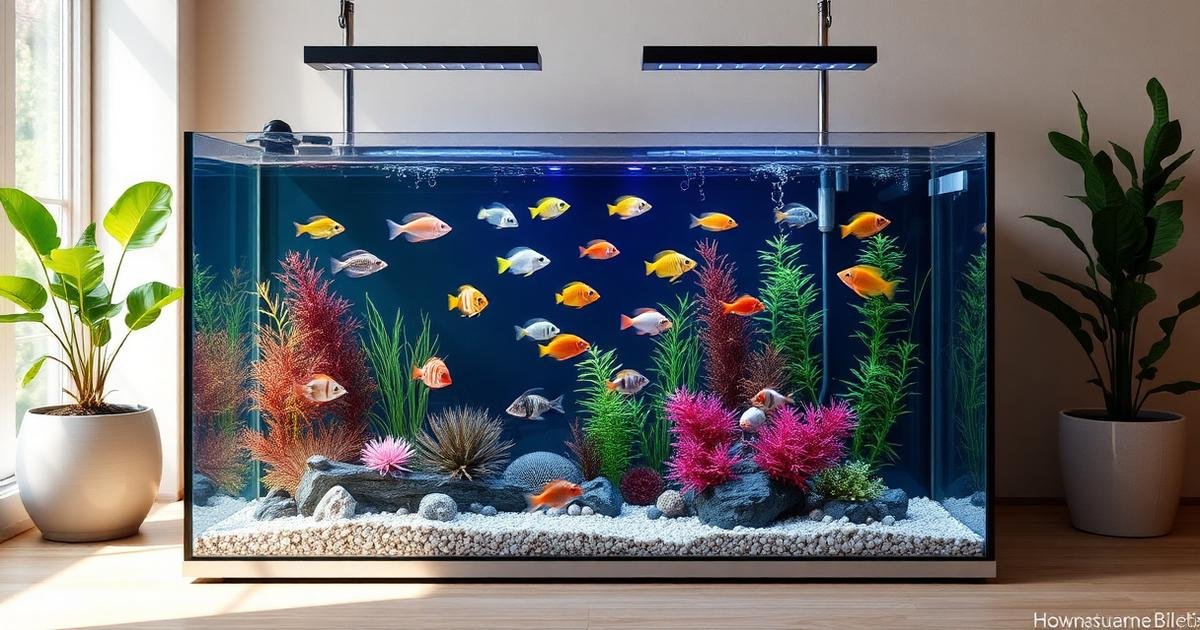
You've set up your beautiful new ultimate-guide-to-aquarium-care/">aquarium, added the gravel, the plants, and the decorations. You fill it with water, plug in the filter, and dream of colorful fish swimming happily. Then you add the fish, and within days, they're gasping at the surface or worse. You're not alone — this is the single most common mistake new aquarium owners make. Learning how to cycle aquarium properly is the single most important step you can take for your fish's health and survival. This guide will walk you through the entire process, from understanding the nitrogen cycle to troubleshooting common issues.
How to cycle aquarium properly: Cycling an aquarium properly means establishing a colony of beneficial bacteria that convert toxic fish waste (ammonia) into less harmful substances (nitrite, then nitrate). This process takes 4–8 weeks. The root causes of failed cycles are adding fish too early, overfeeding, insufficient filtration
Quick Answer: How do you cycle an aquarium properly?
Cycling an aquarium properly means establishing a colony of beneficial bacteria that convert toxic fish waste (ammonia) into less harmful substances (nitrite, then nitrate). This process takes 4–8 weeks. The root causes of failed cycles are adding fish too early, overfeeding, insufficient filtration, and not testing water parameters. You must introduce an ammonia source and monitor ammonia, nitrite, and nitrate levels with a liquid test kit until they read zero ammonia and zero nitrite.
For a complete guide on this topic, see the Aquarium Setup Guide.
This how to cycle aquarium properly decision works best when the owner compares daily fit, tolerance, and practical consistency together.
Why Your Aquarium Water is Toxic
The frustration of a new tank crashing comes down to one thing: the nitrogen cycle hasn't started yet. Your fish produce waste constantly. Every day, they release ammonia through their gills and from uneaten food rotting in the gravel. Without a mature biological filter, that ammonia builds up to lethal levels in 24–48 hours.
For many homes, the right how to cycle aquarium properly choice is the one that stays reliable under ordinary daily conditions.
Ammonia Poisoning (The Silent Killer)
Ammonia is a potent neurotoxin. At levels as low as 0.25 ppm, it begins damaging fish gills and internal organs. You'll see fish gasping at the surface, clamping their fins, or becoming lethargic. It feels personal, but it's not — it's a chemistry problem that has a clear solution.
A well matched how to cycle aquarium properly option should support the pet clearly without making the routine harder to maintain.
Nitrite Spike (The Second Wave)
As your cycle starts, beneficial bacteria (Nitrosomonas) convert ammonia into nitrite. Nitrite is almost as toxic as ammonia. It binds to hemoglobin in fish blood, preventing oxygen transport. Your fish may appear to be suffocating even in well oxygenated water. This phase typically lasts 1–3 weeks.
Most owners get better long term results when how to cycle aquarium properly is judged through routine use rather than a single product claim.
Nitrate Buildup (The Final Stage)
Another bacteria group (Nitrobacter) converts nitrite into nitrate. Nitrate is far less toxic, but at high levels (over 40 ppm), it stresses fish and fuels algae blooms. This is why regular water changes remain essential even after a successful cycle.
The strongest how to cycle aquarium properly choice usually becomes clearer when comfort, consistency, and practical use are reviewed together.
Why the Cycle Fails in New Tanks
Most beginners fail because they rush. They add fish within days of setting up the tank, expecting the filter to work immediately. A new filter has zero beneficial bacteria. It's just a water pump with a sponge. The bacteria colony takes 4–8 weeks to grow large enough to handle the waste load from fish.
Pro Tip: The fastest way to crash your cycle is to overfeed. Every flake of uneaten food decays and produces ammonia. Feed your fish only what they can consume in 2 minutes, twice a day. Less food means less ammonia, which means a smoother, faster cycle.
How to Cycle Aquarium Properly: The Step-by Step Process
Match your specific approach to your setup. Here's how to cycle aquarium properly using the most reliable method.
| What you observe | Likely root cause | First fix to try |
|---|---|---|
| Ammonia 0.5 ppm or higher 24 hours after adding fish | Bacteria colony too small for fish load | Stop feeding for 48 hours; perform research suggests 25% water change; add bottled bacteria |
| Nitrite spike above 1 ppm | Cycle stuck in second phase | Perform research suggests 50% water change; add aquarium salt (1 tbsp per 5 gallons) to protect fish; wait 2 weeks |
| Ammonia and nitrite both zero but fish still stressed | Nitrate toxicity above 40 ppm | Perform research suggests 50% water change immediately; reduce feeding; test weekly |
| Cloudy water with ammonia spike | Bacterial bloom from overfeeding or dead fish | Remove dead fish; stop feeding for 48 hours; add beneficial bacteria supplement |
| Green water with high nitrate | Algae bloom from excess nutrients and light | Reduce lighting to 6 hours daily; perform research suggests 30% water change; add live plants |
| No ammonia or nitrite after 6 weeks | No ammonia source present | Add pure ammonia (4 drops per 10 gallons) or a pinch of fish food daily until you see a spike |
When This Is NOT Just a New Tank Issue
Sometimes, a tank that was fine for months suddenly crashes. This is a red flag that something else is wrong. According to the
If your established tank suddenly shows ammonia or nitrite, check for these hidden causes:
- Dead fish you haven't found: A single dead fish can release enough ammonia to crash a cycle. Check every decoration and corner of the tank.
- Overcleaning the filter: Rinsing filter media under tap water kills the beneficial bacteria. Always rinse in old tank water removed during a water change.
- New medication: Some fish medications (especially antibiotics) kill the biological filter. Always monitor water parameters during treatment.
- Temperature drop: Beneficial bacteria stop working below 65°F (18°C). If your heater failed, the cycle may have stalled.
Enrichment Protocol: Creating a Stable, Healthy Aquarium
A properly cycled aquarium isn't just about survival — it's about creating an environment where your fish thrive. Use this protocol to maintain water quality and fish health:
- Test water weekly: Use a liquid test kit to check ammonia, nitrite, nitrate, and pH every 7 days. Test strips are less accurate — invest in a master test kit.
- Perform research suggests 25% water changes weekly: This removes nitrates and replenishes minerals. Use a gravel vacuum to clean the substrate. Treat tap water with a dechlorinator before adding it.
- Feed only what they eat in 2 minutes: Overfeeding is the #1 cause of water quality problems. Feed twice daily, no more. Skip one feeding day per week to allow the digestive system to clear.
- Clean the filter monthly: Rinse filter media in removed tank water only. Never use tap water. Replace media only when it falls apart — not on a schedule.
- Add live plants: Plants absorb nitrates and provide natural enrichment. Start with easy species like Java fern, Anubias, or hornwort. They reduce maintenance significantly.
- Maintain stable temperature: Keep your heater set to 76–80°F (24–27°C) for most tropical fish. Fluctuations stress fish and slow bacterial activity.
Pro Tip: To speed up a stalled cycle, add bottled beneficial bacteria (like Seachem Stability or API Quick Start). Dose daily for 7 days directly into the filter. This can cut cycling time from 8 weeks to 2–3 weeks.
Product Buying Criteria: What to Look For in Cycling Supplies
When choosing products to help you cycle your aquarium properly, look for these specific features. The right tools make the process predictable and fast.
Water Test Kits
You need a liquid test kit that measures ammonia, nitrite, nitrate, and pH. Avoid test strips — they expire quickly and give inconsistent results. The API Freshwater Master Test Kit is the industry standard. It includes enough reagents for hundreds of tests and is accurate to 0.25 ppm for ammonia.
Ammonia Source
For fishless cycling, you need a pure ammonia source. Look for clear, unscented, non foaming ammonia with no surfactants. Dr. Tim's Ammonium Chloride is a precise option that won't cloud your water. Avoid household cleaners with additives — they can kill your bacteria.
Beneficial Bacteria Supplements
Not all bacteria products work. Look for one that contains live Nitrosomonas and Nitrobacter species. Products like Seachem Stability and Tetra SafeStart contain dormant bacteria that activate when added to your tank. They must be refrigerated before opening and used before the expiration date.
Dechlorinator
Tap water contains chlorine and chloramine that kill beneficial bacteria. A good dechlorinator like Seachem Prime detoxifies ammonia and nitrite for 24 hours while also removing chlorine. This gives your bacteria colony time to process waste without harming fish.
Pro Tip: Never buy used filter media or gravel from another hobbyist's tank unless you know their fish are disease-free. Introducing used media can bring parasites, bacteria, or pests like hydra or planaria into your clean setup.
Troubleshooting Matrix
Here's how to handle the most common issues that arise when you learn how to cycle aquarium properly:
| Behavior pattern | Likely cause | What to do |
|---|---|---|
| Ammonia spike 48 hours after adding fish | Bacteria colony too small | Perform research suggests 25% water change daily until ammonia drops below 0.25 ppm; add bottled bacteria; reduce feeding to once every other day |
| Nitrite stuck at 1+ ppm for 2 weeks | Cycle stalled in second phase | Perform research suggests 50% water change; add aquarium salt (1 tbsp per 5 gallons) to protect fish; increase temperature to 82°F (28°C) to speed bacteria growth |
| Fish gasping at surface despite zero ammonia and nitrite | Low oxygen or high nitrate | Test nitrate; if above 40 ppm, perform research suggests 50% water change; add an air stone or increase surface agitation with filter output |
| Cloudy white water 3 days after setup | Bacterial bloom from excess nutrients | Do not change water — this is normal; it will clear in 5–7 days; reduce feeding; add a UV sterilizer if it persists beyond 2 weeks |
| Green water with high nitrate | Algae bloom from excess light and nutrients | Reduce lighting to 6 hours daily; perform research suggests 30% water change; add fast growing plants like hornwort or duckweed; consider a phosphate remover |
| No ammonia or nitrite after 4 weeks | No ammonia source or bacteria died | Add pure ammonia (4 drops per 10 gallons) or a pinch of fish food daily; test after 24 hours; if still zero, add bottled bacteria and restart |
| Fish dying one by one over 2 weeks | Chronic ammonia or nitrite poisoning | Test water immediately; perform research suggests 50% water change; add Seachem Prime to detoxify; quarantine sick fish in a separate container with clean water |
Ready to build a stable, healthy aquarium that your fish will thrive in for years?
Browse Aquarium Options →
For broader reference and guidance, akc.org provides useful context on pet health and care decisions.
For broader reference and guidance, petmd.com provides useful context on pet health and care decisions.
Frequently Asked Questions
My fish only show signs of stress at night — why?
Fish are often more stressed at night because they're resting and can't escape poor water conditions as easily. Low oxygen levels also become critical at night when plants stop producing oxygen. Check your ammonia and nitrite levels, and add an air stone to increase nighttime oxygenation.
Will the cycle complete on its own as the tank ages?
No, the cycle only completes if you actively manage it. Without a consistent ammonia source and regular testing, the bacteria colony will die off within 2–3 weeks. You must test water weekly and perform water changes to maintain the cycle indefinitely.
Is this a sign of a filter problem?
Not usually. A new filter works mechanically but lacks biological filtration. If your cycle fails, the filter itself isn't broken — it just doesn't have enough bacteria yet. Clean the filter media gently in old tank water, and add bottled bacteria to jumpstart the colony.
How long until I see improvement after starting the cycle?
You'll see ammonia drop within 7–10 days after adding an ammonia source and bacteria. Nitrite will spike around day 10–14 and then fall by week 4–6. Full completion to zero ammonia and zero nitrite typically takes 4–8 weeks. Patience is the hardest part.
Should I add more fish to help the cycle?
Never. Adding more fish increases the ammonia load faster than the bacteria can handle, causing a crash. This is the most common deadly mistake. Always cycle without fish, or with a single hardy fish like a zebra danio, and never add more until ammonia and nitrite read zero.
My tank only shows problems after a water change — why?
You're likely using tap water that contains chloramine, which kills beneficial bacteria. Always treat new water with a dechlorinator that also neutralizes chloramine. Also, match the temperature to your tank — a sudden temperature drop of more than 5°F can stall the cycle.