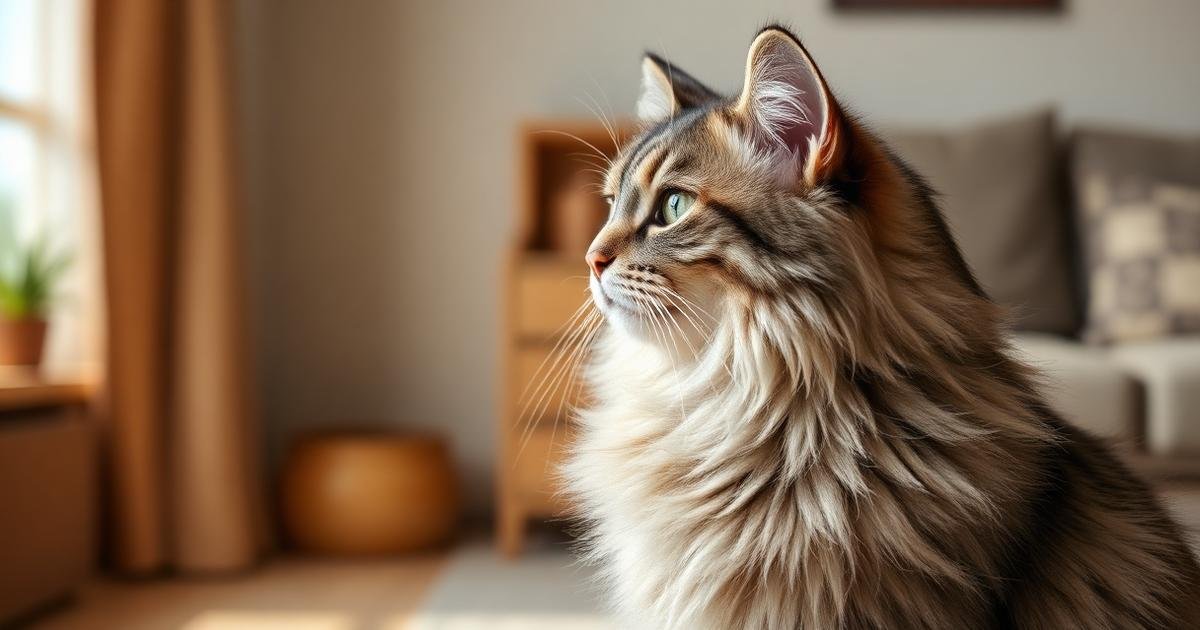
If you're looking for a cat that combines a wild, majestic appearance with a gentle, family friendly temperament, the Norwegian Forest Cat breed profile reveals a truly remarkable companion. These large, semi longhaired cats, known as "Wegies" by enthusiasts, are built for cold Scandinavian climates but thrive as loving indoor pets. This guide covers everything you need to know about their history, personality, care needs, and health considerations — plus practical advice for living with one of these forest giants.
Norwegian Forest Cat breed profile: The Norwegian Forest Cat is a large, sturdy breed with a thick double coat, tufted ears, and a bushy tail, originally from Norway. They are known for their calm, friendly, and intelligent nature, making them excellent family pets. They are not lap cats but enjoy being near their people and are gener
Quick Answer: What makes the Norwegian Forest Cat a unique breed?
The Norwegian Forest Cat is a large, sturdy breed with a thick double coat, tufted ears, and a bushy tail, originally from Norway. They are known for their calm, friendly, and intelligent nature, making them excellent family pets. They are not lap cats but enjoy being near their people and are generally good with children and other pets. For first time owners, this breed offers a forgiving temperament and manageable grooming compared to other longhaired cats.
For a complete guide on this topic, see the Complete Cat Breed Guide.
This Norwegian Forest Cat breed profile decision works best when the owner compares daily fit, tolerance, and practical consistency together.
What is the history and origin of the Norwegian Forest Cat?
The Norwegian Forest Cat is an ancient natural breed, not a human made designer cat. They are believed to have originated in Norway centuries ago, evolving to survive the harsh Nordic winters. Their thick, water resistant coat and powerful build were essential for life in the forests.
For many homes, the right Norwegian Forest Cat breed profile choice is the one that stays reliable under ordinary daily conditions.
These cats appear in Norse mythology, often associated with the goddess Freya, who was said to ride a chariot pulled by large, forest dwelling cats. For generations, they were common farm cats valued for their hunting skills. The breed faced near extinction during World War II but was saved by dedicated Norwegian breeders who worked tirelessly to preserve the bloodline.
A well matched Norwegian Forest Cat breed profile option should support the pet clearly without making the routine harder to maintain.
The Norwegian Forest Cat was officially recognized by the Cat Fanciers' Association (CFA) in 1993 and by The International Cat Association (TICA) earlier. Today, they are celebrated worldwide for their beauty and temperament. According to the
Most owners get better long term results when Norwegian Forest Cat breed profile is judged through routine use rather than a single product claim.
Pro Tip: When researching breeders, ask about their cats' lineage. A responsible breeder can trace their cats back to Norwegian stock, which is important for maintaining the breed's genetic health and authentic characteristics. Look for breeders who openly share pedigree documentation.
What is the Norwegian Forest Cat's personality and temperament like?
The Norwegian Forest Cat is known for its gentle, patient, and adaptable nature. They are not overly demanding or hyperactive, making them a good fit for families, singles, and seniors alike. They are often described as "dog-like" because they may follow you from room to room and enjoy being involved in your activities.
Despite their size, they are generally quiet cats. They communicate with soft chirps and trills rather than loud meows. They are intelligent and curious, enjoying puzzle toys and interactive play. However, they are not typically lap cats; they prefer to be near you, perhaps on the back of the sofa or a nearby cat tree where they can observe their kingdom.
Wegies are known for being good with children and other pets, including cat friendly dogs. Their calm demeanor means they are less likely to scratch or bite out of fear. However, like all cats, they need proper socialization from kittenhood. The AKC's expert advice on training principles apply to cats too — positive reinforcement works wonders for teaching tricks or discouraging unwanted behaviors.
One trait that surprises many owners is their love of heights. These cats are natural climbers and will claim the highest point in your home as their throne. Expect them to scale bookshelves, refrigerators, and curtain rods if you don't provide appropriate alternatives. A tall cat tree is not optional — it's essential for their happiness.
What are the physical characteristics and coat care requirements?
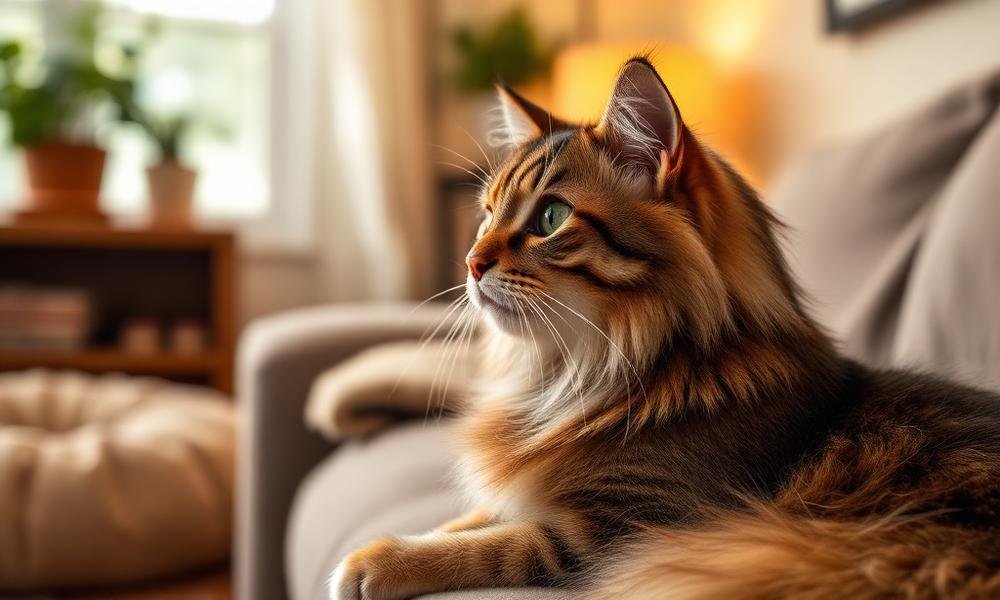
The Norwegian Forest Cat is a large, muscular breed. Males can weigh between 12 to 16 pounds, while females are slightly smaller at 9 to 12 pounds. They have a long, sturdy body, a broad chest, and strong legs. Their most distinctive feature is their thick, double layered coat that evolved for survival in freezing temperatures.
The iconic double coat
The coat consists of a dense, woolly undercoat for insulation and a longer, water repellent topcoat. This combination protected them from snow and rain in Norway. The coat is longer on the ruff (mane), britches (back of the hind legs), and tail. They come in many colors and patterns, including tabby, solid, tortoiseshell, and bicolor — but never pointed patterns like Siamese cats.
Grooming needs
Despite their long coat, Wegies are surprisingly low maintenance compared to other longhaired breeds. Their coat is less prone to matting because it is textured rather than silky. During most of the year, a weekly brushing session of 10-15 minutes is sufficient. During spring and fall, when they "blow" their coat, daily brushing is necessary to manage shedding and prevent hairballs.
Use a stainless steel comb and a slicker brush. Pay special attention to the ruff and britches where tangles are most likely to form. Regular nail trims every 2-3 weeks and ear checks are also important. For more on managing shedding, see our guide on Best Cat Litter For Odor Control which also helps manage overall home cleanliness.
Pro Tip: Start grooming your Norwegian Forest Cat as a kitten. Make it a positive experience with treats and gentle handling. This prevents them from developing a dislike for brushing, which can be a challenge with adult cats. Even 5 minutes of brushing daily builds trust and keeps their coat healthy.
What should you know about the Norwegian Forest Cat's vocalizations and communication style?
Norwegian Forest Cats are not screamers. Unlike Siamese or Oriental breeds that demand attention with loud meows, Wegies communicate with subtlety. You'll hear soft chirps, trills, and quiet meows — often directed at you when they want food or attention. Some owners describe it as a "conversational" style that feels more like gentle reminders than demands.
Pay attention to their body language, too. A Wegie that flicks its tail or flattens its ears is sending a clear message. They are not overly needy, but they will let you know when they want interaction. If you're looking for a quiet cat that doesn't disrupt your work-from home meetings or disturb your sleep, this breed fits the bill perfectly.
Their communication style extends to purring, which is common during petting sessions. However, they may also purr when anxious — a self soothing behavior. Learn your cat's specific cues over the first 2-3 months of ownership. Each Wegie has a unique personality, and understanding their signals deepens your bond.
What health issues are common in Norwegian Forest Cats?
The Norwegian Forest Cat is generally a healthy and robust breed, but like all purebred cats, they are prone to certain genetic conditions. Responsible breeders screen their cats for these issues. Being aware of them helps you provide proactive care and catch problems early.
Hypertrophic Cardiomyopathy (HCM)
HCM is the most common heart disease in cats, and it can affect Norwegian Forest Cats. It causes the heart muscle to thicken, reducing its efficiency. Responsible breeders screen their breeding cats with echocardiograms. Regular veterinary check ups are crucial for early detection. Symptoms include lethargy, difficulty breathing, and sudden collapse — but many cats show no signs until the disease is advanced.
Glycogen Storage Disease Type IV (GSD IV)
This is a serious inherited metabolic disorder that can occur in the breed. It affects the body's ability to break down glycogen, leading to muscle weakness, heart problems, and a shortened lifespan. A DNA test is available, and responsible breeders test their cats. Avoid kittens from parents that are not tested. This condition is fatal in most cases, making testing non-negotiable.
Hip Dysplasia and Patellar Luxation
Because of their larger size, Norwegian Forest Cats can be prone to hip dysplasia (abnormal hip joint development) and patellar luxation (dislocation of the kneecap). Maintaining a healthy weight is the best prevention, as obesity puts extra stress on joints. According to PetMD's condition guides, weight management is critical for joint health in larger breeds. Look for signs like limping, reluctance to jump, or stiffness after rest.
Dental disease
Like many cats, Wegies can develop periodontal disease if their teeth aren't cared for. Brush their teeth 2-3 times per week with a cat safe toothpaste. Dental treats and water additives can help, but nothing replaces regular brushing. Untreated dental disease can lead to heart, kidney, and liver problems down the line.
What is the ideal diet and exercise for a Norwegian Forest Cat?
Feeding your Norwegian Forest Cat a high-quality, balanced diet is essential for their overall health. Because they are a larger breed, they have higher caloric needs than a typical domestic cat, especially during growth. However, they are also prone to obesity if overfed, so portion control matters.
Feeding guidelines
Choose a cat food that lists a named animal protein (like chicken, fish, or turkey) as the first ingredient. Both dry and wet food can be part of a healthy diet, but wet food helps with hydration. Kittens need to be fed a growth formula until they are about 1 year old. Adults typically do well on two measured meals per day — about 1/3 to 1/2 cup of dry food total, adjusted based on wet food intake.
Wegies are slow to mature, often not reaching their full size until 3-5 years old. During this growth period, feed them a high quality kitten or all-life stages food. Avoid free-feeding, as these cats will eat out of boredom. A measured diet prevents the obesity that can exacerbate hip dysplasia and heart conditions.
Exercise and enrichment
Norwegian Forest Cats are not hyperactive, but they need regular exercise to stay healthy and prevent boredom. They are natural climbers and love high perches. A tall, sturdy cat tree is a must — aim for one at least 5-6 feet tall with multiple platforms. Interactive play sessions with wand toys for 15-20 minutes twice a day will keep them mentally and physically stimulated.
Puzzle feeders are excellent for engaging their intelligence. Without adequate enrichment, they can become destructive or withdrawn. A bored Wegie might start scratching furniture, overeating, or developing litter box issues. Rotate toys weekly to maintain novelty. For more ideas on keeping your cat active, see our Best Cat Calming Products guide, which also covers enrichment strategies for anxious or understimulated cats.
Pro Tip: Create a "cat superhighway" by installing wall shelves or cat walkways. Norwegian Forest Cats love to patrol their territory from above. This vertical space satisfies their climbing instinct and reduces the likelihood of them claiming your kitchen counters as their personal lookout point.
How do you prepare your home for a Norwegian Forest Cat?
Before bringing a Wegie home, you need to cat proof your space. Their size and climbing ability mean they can reach places smaller cats cannot. Secure loose cords, remove fragile items from high shelves, and ensure windows have sturdy screens. These cats are curious and will investigate every nook and cranny.
Invest in a large, sturdy litter box. Standard boxes are too small for a full grown Norwegian Forest Cat. Use an uncovered box at least 18 inches wide and 24 inches long. Fill it with unscented, clumping litter to a depth of 3-4 inches. Place the box in a quiet, low traffic area — these cats value their privacy during bathroom breaks.
Provide multiple scratching posts throughout the house. Wegies prefer tall, vertical posts covered in sisal rope or natural wood. Horizontal cardboard scratchers are less appealing to them. Place one post near their sleeping area and another near the litter box. This encourages appropriate scratching from day one and saves your furniture.
Finally, set up a cozy sleeping spot. While they may not sleep on your lap, they appreciate soft beds placed in high locations. A cat hammock on a window or a plush bed on top of a cat tree works perfectly. They also enjoy warm spots, so a heated cat bed can be a winter favorite.
Should I get a Norwegian Forest Cat kitten or adopt an adult?
This is a personal decision that depends on your lifestyle and preferences. Both options have distinct advantages. Understanding the differences helps you make the right choice for your home.
| Kitten (8-16 weeks) | Adult (1 year+) | |
|---|---|---|
| Energy Level | Very high; requires constant supervision and play | Moderate; more settled and predictable |
| Easier to shape behaviors (litter box, scratching posts) | May have established habits (good or bad) | |
| Critical window; you control early experiences | Personality is already formed; what you see is what you get | |
| $1,000–$2,000 from a breeder; lower adoption fees | Adoption fees are often lower; rescue may include vetting | |
| Health History | Breeder provides health clearances for parents | Rescue may have limited history; potential for unknown issues |
| Time Commitment | High for first 6 months; need socialization and training | Lower; adult cats adapt faster to routines |
If you choose a kitten, ensure the breeder provides health clearances for HCM and GSD IV. Ask to see the parents if possible. If you adopt an adult, ask the rescue about its temperament and any known health issues. Both paths can lead to a wonderful companion — the key is matching the cat's energy to your lifestyle.
Pro Tip: Many breed specific rescues exist for Norwegian Forest Cats. Adopting an adult cat can be incredibly rewarding, and you skip the high energy kitten phase. Check Petfinder or local shelters for Wegie mixes or purebreds in need of homes. Some rescues even offer foster-to adopt programs.
Give your Norwegian Forest Cat the best care with our curated selection of grooming tools, cat trees, and interactive toys.
Browse Cat Products →
Frequently Asked Questions
Are Norwegian Forest Cats hypoallergenic?
No. No cat breed is truly hypoallergenic. Norwegian Forest Cats produce the Fel d 1 protein in their saliva, which is the primary allergen. Their long coat may trap some dander, but they are not a safe choice for people with cat allergies. Regular grooming and air purifiers can help reduce allergens but won't eliminate them.
How big do Norwegian Forest Cats get?
They are a large breed. Males typically weigh 12–16 pounds and females 9–12 pounds. They are slow to mature, often not reaching their full size until 3–5 years of age. Their sturdy, muscular build makes them appear even larger. Some exceptional males can reach 18-20 pounds without being overweight.
Do Norwegian Forest Cats get along with dogs?
Yes, generally. Their calm and confident temperament makes them well suited for homes with cat friendly dogs. Proper introductions are still necessary. Allow the cat to have safe spaces to retreat to, like high cat trees, during the initial adjustment period. A slow introduction over 1-2 weeks yields the best results.
How much grooming does a Norwegian Forest Cat need?
Weekly brushing is sufficient during most of the year. During spring and fall shedding seasons, daily brushing is needed to manage loose hair and prevent mats. Their coat is less prone to tangles than other longhaired breeds, making grooming manageable. Plan for 10-15 minutes per session.
What is the lifespan of a Norwegian Forest Cat?
With proper care, a healthy Norwegian Forest Cat can live 14–16 years or longer. Some have been known to reach 20 years. Regular veterinary care, a balanced diet, and a safe indoor environment are key to a long, healthy life. Annual check ups become even more important after age 10.
Are Norwegian Forest Cats good for first time cat owners?
Yes, they can be a good choice. Their easygoing, adaptable nature and lower grooming needs make them more forgiving than some other breeds. However, their size and need for vertical space should be considered. A tall cat tree is a non negotiable investment.
Learn more in our detailed guide on Persian cat breed profile.
Check out our complete overview of Ragdoll cat breed profile for more information.
Learn more in our detailed guide on Bengal cat breed profile.