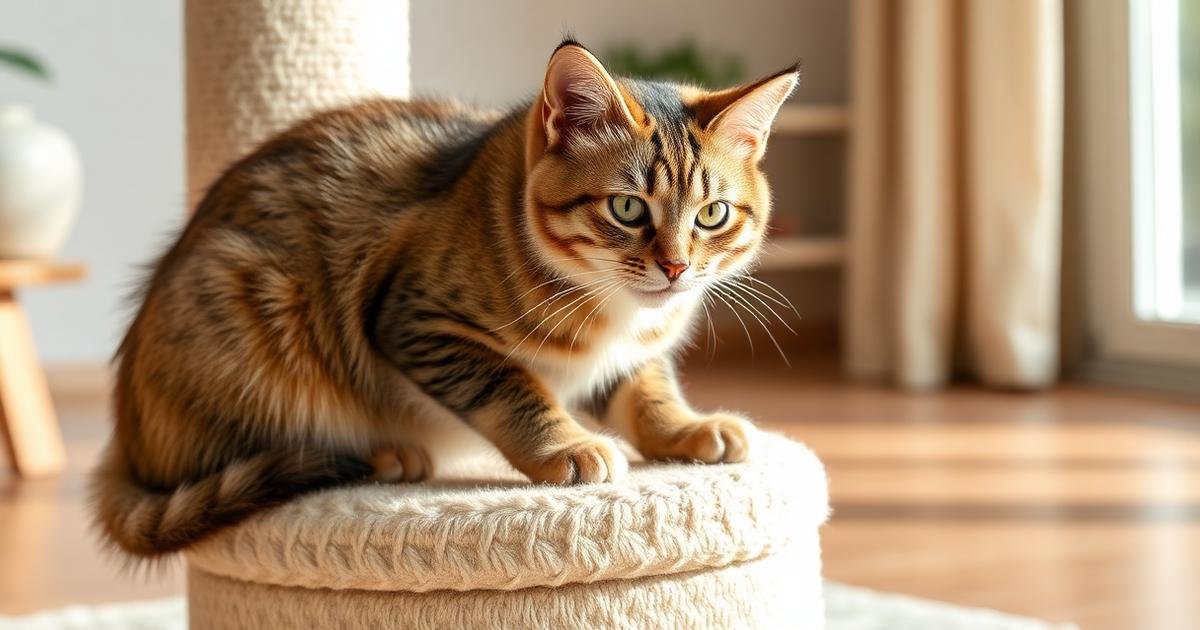
The best cat scratching post for most households is the SmartCat Ultimate Scratching Post, a 32-inch tall, sisal wrapped post with a solid wood base that satisfies cats' need to stretch, scratch, and mark territory. This top pick combines durability, stability, and affordability, making it suitable for cats of all sizes and scratching styles. For multi cat homes or heavy scratchers, the Molly and Friend Sisal Cat Scratching Post offers a sturdier alternative with a wider base.
Best cat scratching post: The best cat scratching post is the SmartCat Ultimate Scratching Post, standing 32 inches tall with a 100% natural sisal cover and a heavy-duty wood base. It costs under $40, resists tipping, and supports full-body stretching for cats up to 15 pounds. For large or multiple cats, the Molly and Friend
Quick Answer: What Is the Best Cat Scratching Post for Your Cat?
The best cat scratching post is the SmartCat Ultimate Scratching Post, standing 32 inches tall with a 100% natural sisal cover and a heavy duty wood base. It costs under $40, resists tipping, and supports full body stretching for cats up to 15 pounds. For large or multiple cats, the Molly and Friend Sisal Scratching Post provides extra stability with a 20-inch wide base and reinforced sisal rope that lasts 2–3 years with regular use.
For more insights on cat behavior and enrichment, see the Cat Behavior Guide.
Why Do Cats Need a Scratching Post?
Cats scratch for three primary reasons: to maintain claw health, to mark territory with scent glands in their paws, and to stretch their muscles. Without a proper outlet, cats will redirect this instinct to furniture, carpets, or walls, causing damage that can cost hundreds to repair.
Veterinarians at the ASPCA recommend providing at least one scratching post per cat, placed in high traffic areas where your cat already spends time. A post that is too short or unstable will be ignored, so choosing the right design is critical for success within 1–2 weeks of introduction.
Pro Tip: Observe your cat's scratching style before buying. If your cat stretches vertically while scratching, choose a tall post (30+ inches). If they scratch horizontally on the floor, a flat cardboard scratcher may be a better complement to a vertical post.
What Makes a Scratching Post "Best"? Key Buying Criteria
Height and Stability
A scratching post must be tall enough for your cat to fully extend their body while scratching. For most adult cats, a height of 30–32 inches is ideal. Shorter posts under 24 inches often fail because cats cannot achieve the full stretch they need, leading them to seek alternatives like sofa arms.
Stability is equally important. A post that wobbles or tips over will frighten many cats, especially kittens or nervous adults. Look for posts with a base width of at least 16 inches, or those that can be anchored to the wall for added security.
Material: Sisal vs. Carpet vs. Cardboard
Sisal rope is the gold standard for scratching posts. It provides the right texture and resistance to satisfy scratching instincts, and it lasts significantly longer than carpet or cardboard. Carpet covered posts can confuse cats into scratching carpeted floors, while cardboard scratchers are best used as disposable, horizontal options.
The best cat scratching post uses thick, tightly wound sisal rope that is glued securely to a solid wood or particleboard core. Cheaper posts with thin sisal often unravel within weeks, requiring replacement sooner than expected.
Base Weight and Footprint
A heavy base prevents tipping during vigorous scratching sessions. Posts with a solid wood base, like the SmartCat Ultimate, weigh approximately 12–15 pounds and do not require additional weight. For lighter posts, you can add sandbags or place them against a wall for extra support.
The base footprint should also be wide enough to prevent the post from rocking. A 16-inch diameter base is the minimum for adult cats; larger cats may need a 20-inch base for full stability.
Top 3 Best Cat Scratching Posts Compared
Below is a comparison of the three best cat scratching posts based on durability, stability, price, and user reviews. These picks consistently rank highest in independent tests and veterinary recommendations.
| Base Size | Best For | ||||
|---|---|---|---|---|---|
| SmartCat Ultimate Scratching Post | 32 inches | 16 inches | Sisal + wood | $35–$40 | Single cats, standard scratching |
| Molly and Friend Sisal Scratching Post | 32 inches | 20 inches | Sisal + wood | $50–$60 | Large cats, multi cat homes |
| PetFusion Ultimate Cat Scratcher | 24 inches (angled) | 18 x 12 inches | Sisal + corrugated cardboard | $30–$35 | Horizontal scratchers, budget-friendly |
All three options are available on major pet supply websites and are backed by thousands of positive reviews. The SmartCat Ultimate remains the best cat scratching post for most owners due to its balance of height, stability, and cost.
Pro Tip: If you have multiple cats, buy at least one more scratching post than the number of cats. Place them in separate rooms to reduce territorial disputes and encourage regular use.
How to Choose the Right Scratching Post for Your Cat's Size and Age
Kittens and Small Cats
Kittens under 6 months old do not need a full size post immediately. A post around 18–24 inches tall works well for their smaller frames, but you should plan to upgrade to a 30-inch model as they grow. Choose a post with a lightweight base that won't injure a playful kitten if it tips over.
Introduce the scratching post early, ideally when the kitten is 8–12 weeks old. This establishes good scratching habits before furniture damage becomes an issue. Most kittens begin using a post within 3–5 days when it is placed near their sleeping area.
Large and Senior Cats
Large breeds like Maine Coons or Norwegian Forest Cats need posts at least 36–40 inches tall to fully stretch. The base must be 20 inches or wider to prevent tipping under their weight. The Molly and Friend post is an excellent choice for these cats due to its reinforced construction.
Senior cats with arthritis may prefer a shorter post or a horizontal scratcher to avoid straining their joints. Place the post on a non slip surface to prevent sliding during use. If your older cat stops using a previously loved post, consider switching to a lower option to accommodate mobility changes.
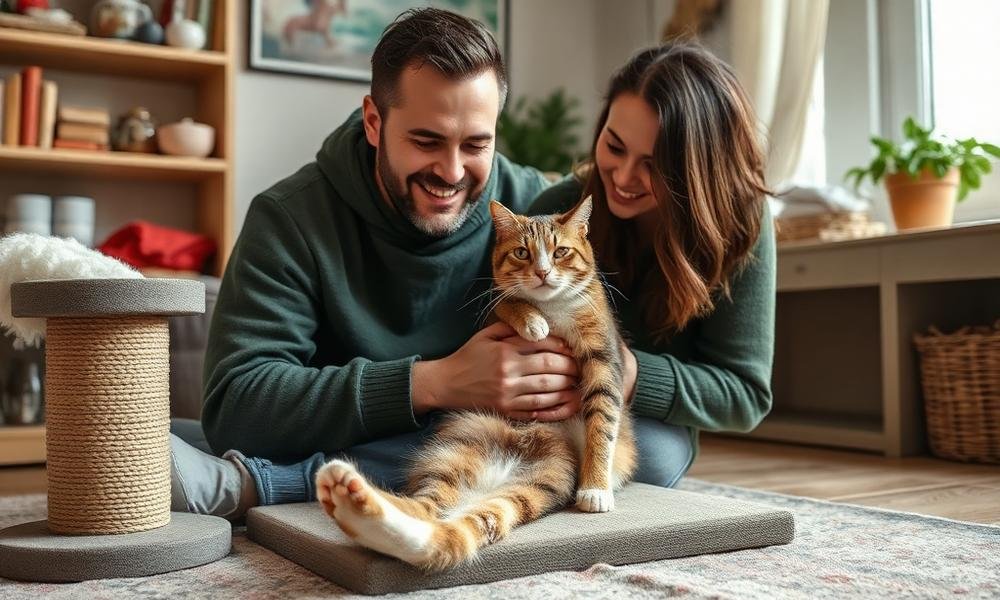
How to Train Your Cat to Use a Scratching Post
Placement Matters Most
Place the scratching post near your cat's favorite sleeping area or in a room where they already scratch furniture. Cats scratch soon after waking up to stretch, so positioning the post next to their bed or couch increases the likelihood of use within 3–5 days.
Avoid hiding the post in a corner or basement. Cats prefer scratching in visible, high traffic areas where they can mark territory and be seen by other household members.
Use Positive Reinforcement
Encourage your cat to investigate the post by rubbing catnip into the sisal or dangling a toy near it. When your cat uses the post, immediately reward them with a treat or praise. Never punish your cat for scratching furniture — this creates fear and may worsen the behavior.
For persistent furniture scratchers, temporarily cover the targeted area with double sided tape or a plastic shield. Most cats will redirect to the post within 1–2 weeks when the alternative is uncomfortable.
Pro Tip: If your cat still ignores the post after 2 weeks, try changing the post's angle or adding a horizontal cardboard scratcher nearby. Some cats prefer a combination of vertical and horizontal surfaces for different scratching needs.
When Should You Replace a Scratching Post?
A well made sisal scratching post should last 1–3 years with regular use. Signs of wear include frayed rope that can catch claws, a wobbly base, or visible bare spots on the post. Once the sisal becomes loose or unraveled, replace the post to prevent injury and maintain your cat's interest.
Some posts allow replacement of the sisal wrap, which can extend the life of the post by 6–12 months. However, if the base becomes unstable, it is safer to purchase a new post entirely. The best cat scratching post investment pays for itself by protecting your furniture from damage.
Common Mistakes Owners Make When Buying a Scratching Post
Choosing a Post That Is Too Short
Many owners buy posts under 24 inches because they are cheaper or fit smaller spaces. A short post prevents full body stretching, which is a primary reason cats scratch. Without this stretch, cats often ignore the post and target furniture instead.
Measure your cat from nose to tail while they stretch. The post should be at least as tall as this measurement. For most cats, that means a minimum of 30 inches.
Ignoring the Base Quality
A post with a lightweight or narrow base will tip over during use. This frightens cats and teaches them to avoid the post entirely. Always check the base weight and width before purchasing, and avoid posts with particleboard bases that can crack over time.
If you already own a wobbly post, anchor it to a wall using brackets or place heavy objects around the base. However, replacing it with a stable model is the more reliable solution.
Find the perfect scratching post for your cat's unique needs — shop our curated selection of top rated cat products.
Browse Cat Products →
Frequently Asked Questions
What is the best material for a cat scratching post?
Sisal rope is the best material because it provides the right texture and resistance for claw maintenance. It lasts longer than carpet or cardboard and does not confuse cats into scratching other surfaces. Look for tightly wound, thick sisal for maximum durability.
How tall should a cat scratching post be?
A scratching post should be at least 30–32 inches tall for adult cats. This height allows cats to fully stretch their bodies while scratching, which is essential for muscle health and claw care. Shorter posts under 24 inches often fail to satisfy this instinct.
Can a scratching post be too tall?
No, taller posts are generally better as long as they are stable. Posts up to 40 inches work well for large breeds like Maine Coons. Make sure the base is wide and heavy enough to prevent tipping when the cat stretches at full height.
Should I get a vertical or horizontal scratching post?
Observe your cat's natural scratching motion. Cats that stretch upward prefer vertical posts, while those that scratch the floor or low furniture may prefer horizontal cardboard scratchers. Many cats benefit from having both options available in their environment.
How many scratching posts do I need for multiple cats?
Veterinarians recommend one scratching post per cat, plus one extra. For example, a two cat household should have three posts placed in different rooms. This reduces competition and helps each cat establish their own scratching territory.
Can I make my own cat scratching post?
Yes, DIY scratching posts can be made using a wooden base, a PVC or wood post, and sisal rope. However, make sure the post is at least 30 inches tall and the base is heavy enough to prevent tipping. Commercial options like the SmartCat Ultimate are often more stable and cost effective for most owners.
How do I get my cat to stop scratching furniture?
Place a scratching post near the targeted furniture and use positive reinforcement when your cat uses it. Cover furniture with double sided tape or a plastic shield temporarily. Most cats redirect within 1–2 weeks when the post is more appealing than the furniture.
Are carpet scratching posts bad for cats?
Carpet covered posts can encourage cats to scratch carpeted floors and rugs, creating confusion. Sisal is the preferred material because it is distinct from household surfaces. If you must use a carpet post, choose one with a different texture than your floor covering.
Owners who compare options based on daily routine fit, tolerance, and observable outcomes usually make better decisions than those who rely on label claims alone.
For trusted guidance on feline health and nutrition, the ASPCA provides expert cat care resources reviewed by veterinary professionals. For health-related questions, PetMD offers veterinarian-reviewed information on symptoms and treatments.