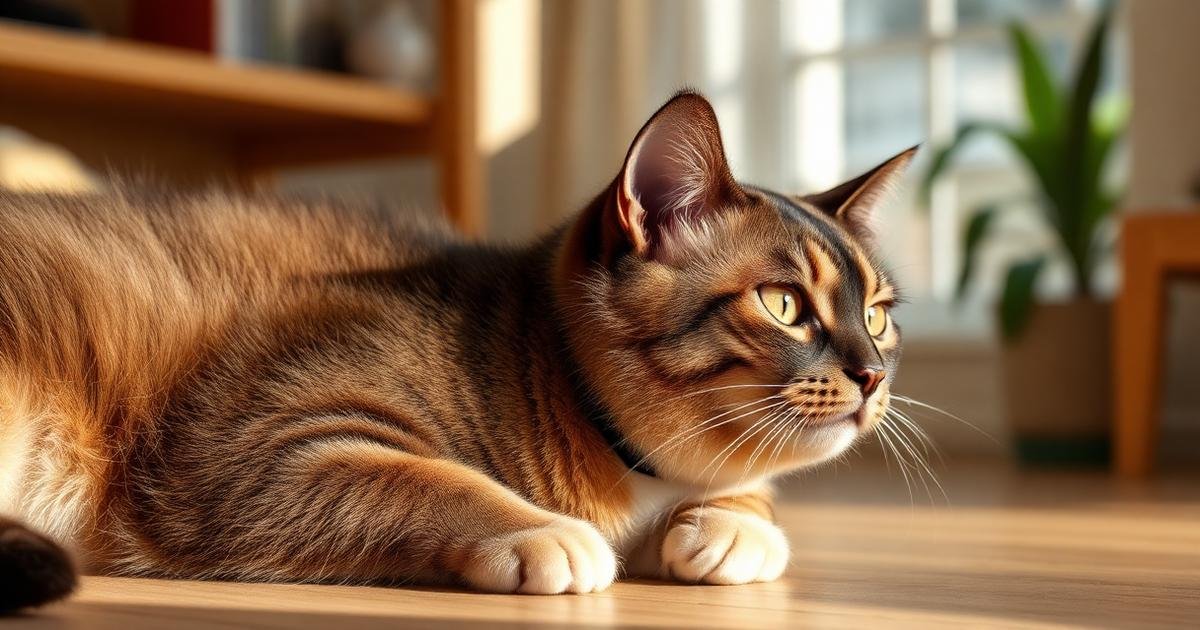
Choosing the right cat breed comes down to matching your lifestyle, living space, and personality with a breed's energy level, grooming needs, and temperament. To choose a cat breed successfully, you need to honestly assess your daily routine, how much time you can dedicate to grooming and play, and whether you want an independent companion or a lap cat. This guide walks you through every factor so you can find your perfect feline match. how to choose a cat breed is one of the most important decision points for long term daily fit.
Quick Answer: How do I choose the right cat breed for my lifestyle?
Evaluate your daily schedule, living space, and personality preferences first. For apartments with long work hours, choose a low-energy, independent breed like the British Shorthair or Russian Blue. For families with children, pick social, patient breeds like the Maine Coon or Ragdoll. If you have allergies, consider hypoallergenic breeds like the Siberian or Sphynx. Always research breed specific health issues from the AVMA pet owner resources before committing.
For a complete overview of all breeds, see the Complete Cat Breed Guide.
What does your daily schedule look like for a cat?
Your routine is the single biggest factor in how to choose a cat breed. If you're away from home 9–10 hours a day for work, a highly social breed like the Siamese or Sphynx will suffer from loneliness and develop destructive behaviors. These breeds need at least 3–4 hours of direct interaction daily.
For busy professionals, consider independent breeds like the British Shorthair, Russian Blue, or Scottish Fold. These cats entertain themselves for 6–8 hours and don't demand constant attention. They still need playtime — aim for two 15-minute interactive sessions daily — but they won't destroy your curtains if you're late coming home.
If you work from home or are retired, you can handle a more demanding breed. The Bengal, Abyssinian, or Oriental Shorthair thrive on constant engagement and will follow you from room to room. Expect to spend at least 45–60 minutes daily on active play with these breeds.
This how to choose a cat breed decision works best when the owner compares daily fit, tolerance, and practical consistency together.
Pro Tip: Use a pet camera for 2–3 weeks before adopting. Watch how your cat responds to being alone. Some breeds vocalize excessively when bored — this is a dealbreaker for apartment living.
Your sleep schedule matters too. Night active breeds like the Bengal or Egyptian Mau may wake you at 3 AM for play. If you value uninterrupted sleep, choose a breed that matches your circadian rhythm — the Ragdoll and Persian are known for adapting to their owner's sleep schedule within 2–3 weeks.
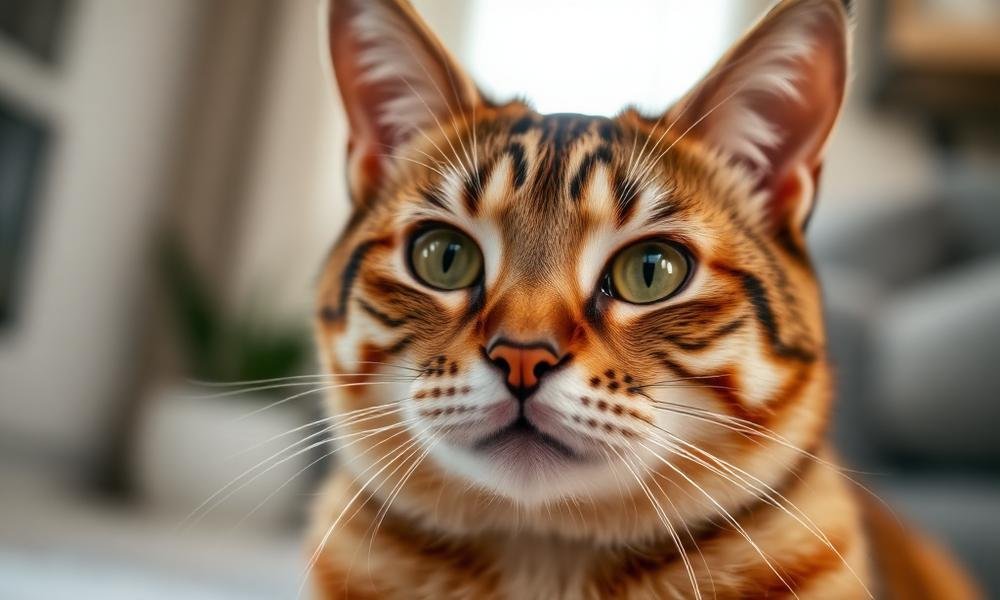
How much space does your home have?
Apartment dwellers need breeds that don't require extensive territory. The Persian, Exotic Shorthair, and British Shorthair are perfectly content in 500–800 square feet because they're low energy and prefer horizontal lounging over vertical climbing.
For larger homes with stairs and open layouts, high energy breeds like the Bengal, Savannah, or Norwegian Forest Cat need room to roam. These breeds benefit from having at least 2–3 rooms to patrol and multiple vertical spaces (cat trees, shelves) at different heights. Without adequate territory, they may develop stress related behaviors like inappropriate urination.
Consider your outdoor access too. If you have a secure balcony or catio, breeds like the Maine Coon or Turkish Van enjoy supervised outdoor time. Never let any breed roam unsupervised outdoors — the ASPCA strongly recommends keeping cats indoors for safety: ASPCA behavior resources.
Pro Tip: Measure your ceiling height before choosing a breed. Tall cat trees need 8–10 feet of clearance. For low ceilings (under 8 feet), wall mounted shelves work better for breeds that love climbing.
What personality traits do you want in a cat?
Your ideal cat personality directly determines how to choose a cat breed that fits your home. Do you want a lap cat who cuddles for hours? The Ragdoll, Persian, or Sphynx are your best bets. These breeds actively seek physical contact and will sit on your laptop while you work.
Prefer a more independent companion who sits nearby but doesn't demand touch? The Russian Blue, British Shorthair, or Norwegian Forest Cat offer quiet companionship without being clingy. They'll follow you from room to room but typically won't climb into your lap uninvited.
Want a talkative cat who communicates constantly? The Siamese, Oriental Shorthair, and Cornish Rex have extensive vocal ranges and will "discuss" their day with you. If you prefer silence, avoid these breeds — the Chartreux and Scottish Fold are notably quiet, rarely meowing except for food or distress.
Energy levels and play drive
High energy breeds need 45–60 minutes of active play daily. The Bengal, Abyssinian, and Savannah can learn tricks, walk on a leash, and play fetch. Without adequate stimulation, they develop destructive behaviors within 2–3 weeks.
Low energy breeds like the Persian, Exotic Shorthair, and Ragdoll are content with 10–15 minutes of gentle play. They're ideal for seniors, people with mobility issues, or anyone who wants a calm household. However, even low energy cats need daily enrichment — puzzle feeders and wand toys prevent obesity and boredom.
Pro Tip: Test your energy compatibility before adopting. Visit a breeder or shelter and spend 30 minutes with the breed. If a high energy kitten exhausts you in 10 minutes, choose a lower energy breed.
Do you have allergies or other household members?
Allergies are a dealbreaker for many people, but some breeds produce less of the Fel d 1 protein that triggers reactions. The Siberian, Balinese, Bengal, and Sphynx are considered hypoallergenic — though no breed is research suggests 100% allergy-free. Spend 2–3 hours with the breed before committing, as individual cats within a breed vary in allergen production.
For families with children, choose breeds known for patience and tolerance. The Maine Coon, Ragdoll, and Birman are famously gentle with kids, rarely scratching even when handled roughly. Avoid breeds like the Siamese or Bengal with young children — they're more likely to react defensively to tail pulling or loud noises.
If you have other pets, consider breed compatibility. The Ragdoll and Maine Coon generally get along with dogs and other cats within 1–2 weeks. Territorial breeds like the Bengal or Savannah may need 4–6 weeks of slow introductions. The ASPCA provides detailed introduction protocols: ASPCA behavior resources.
What grooming commitment can you handle?
Grooming needs vary dramatically between breeds. Long haired breeds like the Persian, Maine Coon, and Norwegian Forest Cat require daily brushing — 10–15 minutes minimum — to prevent matting. If you skip even 2–3 days, mats can form that require professional grooming or shaving.
Short haired breeds like the British Shorthair, Russian Blue, and Abyssinian need weekly brushing only. The Sphynx and other hairless breeds require weekly baths to remove skin oils — a commitment many owners underestimate. The Cornish Rex and Devon Rex have short, fine coats that need minimal grooming but are prone to skin issues.
Health considerations by breed
The AVMA recommends researching breed specific health issues before adopting: AVMA pet owner resources. Flat faced breeds like the Persian and Exotic Shorthair are prone to breathing difficulties and eye infections. Large breeds like the Maine Coon are at higher risk for hip dysplasia and heart disease.
Plan for potential veterinary costs. Brachycephalic breeds may need $500–$2,000 annually for respiratory care. Purebred cats generally have higher health risks than mixed breeds. Consider pet insurance — premiums for purebred cats average $30–$50 monthly versus $15–$25 for mixed breeds.
Pro Tip: Ask breeders for health test results for both parents. Responsible breeders test for breed specific conditions like hypertrophic cardiomyopathy in Maine Coons and polycystic kidney disease in Persians.
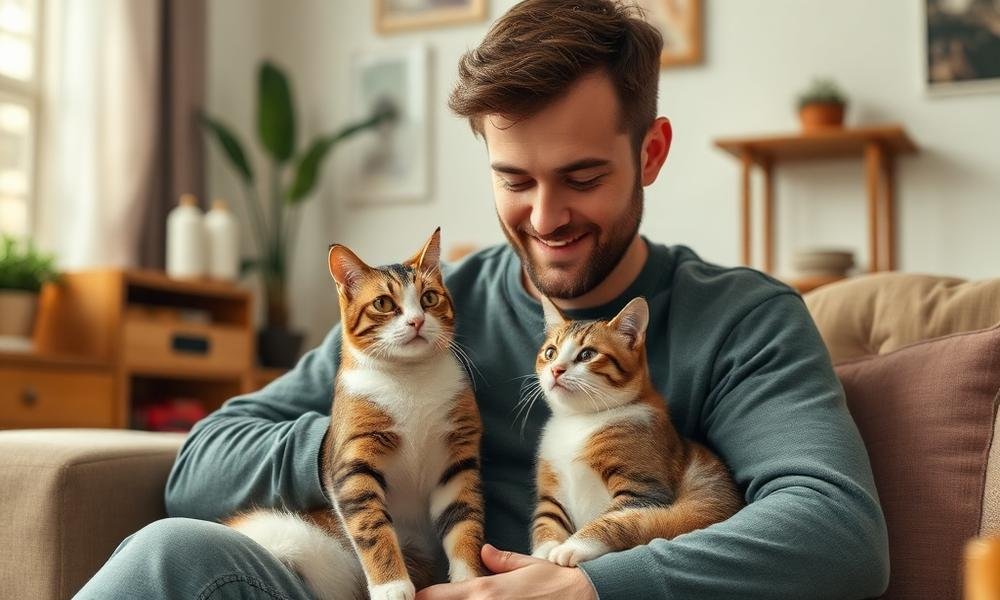
What is your budget for a purebred cat?
Your budget directly influences which breed you can realistically bring home. Purebred kittens from reputable breeders cost $500–$3,000 depending on the breed's rarity and bloodline. The Persian, Bengal, and Savannah typically sit at the higher end ($1,500–$3,000), while the British Shorthair and Ragdoll average $800–$1,500. The Siamese and Burmese are often the most affordable purebreds at $500–$1,000.
Adoption is a more affordable alternative — shelters occasionally have purebred cats for $100–$300. The Maine Coon, Siamese, and Persian appear in rescues more often than you'd expect. Check breed specific rescue organizations first; they often have adults whose personalities are already known, making it easier to choose a cat breed that matches your home.
Don't forget ongoing costs. Vet visits, quality food, litter, and toys add up to $500–$1,200 annually for a healthy cat. Budget an additional $200–$500 for initial supplies like a litter box, scratching post, and carrier. The AVMA pet owner resources provide cost calculators for first year ownership.
Pro Tip: Avoid "too good to be true" pricing from backyard breeders. A $200 "purebred" kitten from an online ad often comes with hidden health issues that cost $1,000+ to treat. Always ask for health certificates and visit the breeder's home.
How do you find a reputable breeder or rescue?
Finding a responsible source is just as important as knowing how to choose a cat breed. Reputable breeders let you visit their home, meet the kitten's parents, and show you health test results. They ask you questions about your lifestyle — if a breeder doesn't screen you, that's a red flag. The Cat Fanciers' Association (CFA) maintains a breeder directory for registered breeds.
Rescues are an excellent option for adult cats whose personalities are fully developed. Many breed specific rescues exist for Persians, Maine Coons, Siamese, and Bengals. Adult cats from rescues cost $100–$300 and often come spayed/neutered, vaccinated, and microchipped. The ASPCA recommends visiting the cat multiple times before adopting to assess temperament: ASPCA behavior resources.
Red flags to watch for
Never buy from a breeder who won't show you the kitten's living environment. Avoid breeders who have multiple litters available year-round — this indicates overbreeding. Skip anyone who ships kittens without meeting you in person. Responsible breeders have waiting lists for their litters and will take back the cat at any point if you can't keep it.
Ready to find the perfect cat for your home? Start with the right supplies for your chosen breed.
Browse Cat Products →
Decision tree: Which cat breed matches your lifestyle?
| Your situation | Best breed match | Why it works |
|---|---|---|
| Apartment, long work hours, low energy | British Shorthair | Independent, calm, needs minimal play |
| Family with children, other pets | Maine Coon | Patient, social, gentle with kids |
| Allergies, want a lap cat | Low allergen, affectionate, sturdy | |
| Active owner, wants interactive play | High energy, trainable, loves fetch | |
| Senior, wants quiet companion | Low energy, calm, loves lap time | |
| First time cat owner | Easygoing, forgiving, low maintenance |
Troubleshooting: Common breed selection mistakes
| What happens | How to fix it | |
|---|---|---|
| Choosing based on looks only | Cat's energy level clashes with your lifestyle | Research breed temperament for 2–3 weeks before deciding |
| Ignoring grooming needs | Long haired cat develops painful mats | Commit to daily brushing or choose a short haired breed |
| Not meeting the breed first | Personality mismatch within 1–2 weeks | Visit breeders or shelters and spend 30+ minutes with the cat |
| Overlooking health issues | Unexpected veterinary bills of $1,000+ | Research breed specific conditions and get pet insurance |
| Getting two kittens from same litter | Littermate syndrome — excessive bonding, aggression | Adopt kittens 4–6 weeks apart or from different litters |
Frequently Asked Questions
What is the best cat breed for first time owners?
The Ragdoll is widely considered the best choice for first time owners. They're forgiving, easygoing, and adapt well to handling mistakes. Their low energy and affectionate nature make them less likely to develop behavioral issues from inexperienced care. The British Shorthair is another excellent option for those wanting a more independent cat.
Which cat breed is the most affectionate and cuddly?
The Ragdoll and Sphynx are the most consistently affectionate breeds. Ragdolls go limp when held and follow owners from room to room. Sphynxes actively seek body heat and will burrow under blankets with you. Both breeds require at least 3–4 hours of daily human contact to thrive.
What is the most low maintenance cat breed for busy people?
The British Shorthair requires the least maintenance. Their short coat needs weekly brushing, they're independent for 8–10 hours daily, and they have calm temperaments. The Russian Blue is equally low maintenance but slightly more reserved. Both breeds entertain themselves well and don't demand constant attention.
Which cat breed is best for people with allergies?
The Siberian produces the lowest levels of the Fel d 1 protein among common breeds. Many allergy sufferers report no symptoms with Siberian cats. The Balinese and Bengal are also good options. Spend 2–3 hours with the specific cat before adopting, as individual allergen levels vary within breeds.
What cat breed lives the longest?
Mixed breed cats generally live longest, averaging 15–20 years. Among purebreds, the Siamese and Burmese often reach 18–22 years with proper care. The Russian Blue and British Shorthair also have long lifespans of 15–20 years. Large breeds like the Maine Coon typically live 12–15 years.
Should I get a male or female cat for a specific breed?
In most breeds, males are larger and more affectionate, while females are more independent and territorial. However, individual personality matters more than gender. For families with children, male Ragdolls and Maine Coons are typically gentler. For multi cat households, females often integrate better with other females.
How much does a purebred cat cost from a breeder?
Purebred kittens range from $500 to $3,000. Rarer breeds like the Bengal and Savannah cost $1,500–$3,000, while more common breeds like the Siamese cost $500–$1,000. Adoption from breed specific rescues costs $100–$300 and often includes spaying, vaccinations, and microchipping.
Can I choose a cat breed based on coat color?
Coat color is purely aesthetic and does not predict temperament or health. The same breed can have vastly different personalities regardless of color. Focus on energy level, grooming needs, and health concerns instead. Color point patterns in Siamese and Ragdolls are breed traits, not personality indicators.