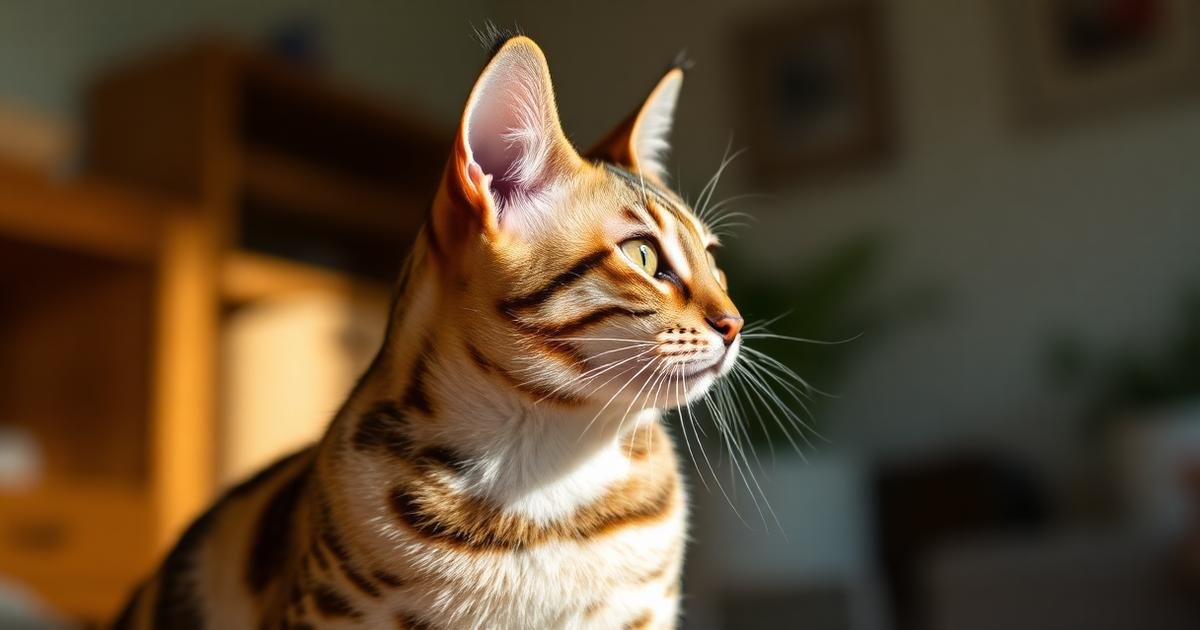
The Bengal cat breed profile reveals a striking domestic cat with a wild appearance and an energetic, intelligent personality. Bred from Asian leopard cats and domestic felines, Bengals are known for their distinctive spotted or marbled coats, athletic build, and playful, sometimes demanding nature. This guide covers everything you need to know about living with a Bengal — from temperament and care to common health concerns and finding a responsible breeder.
Bengal cat breed profile: The Bengal cat is a hybrid domestic breed known for its wild-looking spotted or marbled coat, high energy, and dog-like personality. Bred from the Asian leopard cat (Prionailurus bengalensis) and domestic shorthairs, Bengals are intelligent, athletic, and require significant daily enrichment. They t
Quick Answer: What is a Bengal cat breed profile?
The Bengal cat is a hybrid domestic breed known for its wild looking spotted or marbled coat, high energy, and dog like personality. Bred from the Asian leopard cat (Prionailurus bengalensis) and domestic shorthairs, Bengals are intelligent, athletic, and require significant daily enrichment. They typically weigh 8–15 pounds and live 12–16 years. If you want an active, interactive companion that challenges you daily, a Bengal is an excellent choice — but only if you can commit to 45–60 minutes of active play and plenty of mental stimulation.
For a complete guide on this topic, see the Complete Cat Breed Guide.
This Bengal cat breed profile decision works best when the owner compares daily fit, tolerance, and practical consistency together.
What Does a Bengal Cat Look Like? Coat, Size, and Build
Bengals are medium-to large cats with a muscular, athletic build. Males typically weigh 10–15 pounds, while females range from 8–12 pounds. They stand about 8–10 inches at the shoulder and have a long, sleek body that moves with surprising grace.
For many homes, the right Bengal cat breed profile choice is the one that stays reliable under ordinary daily conditions.
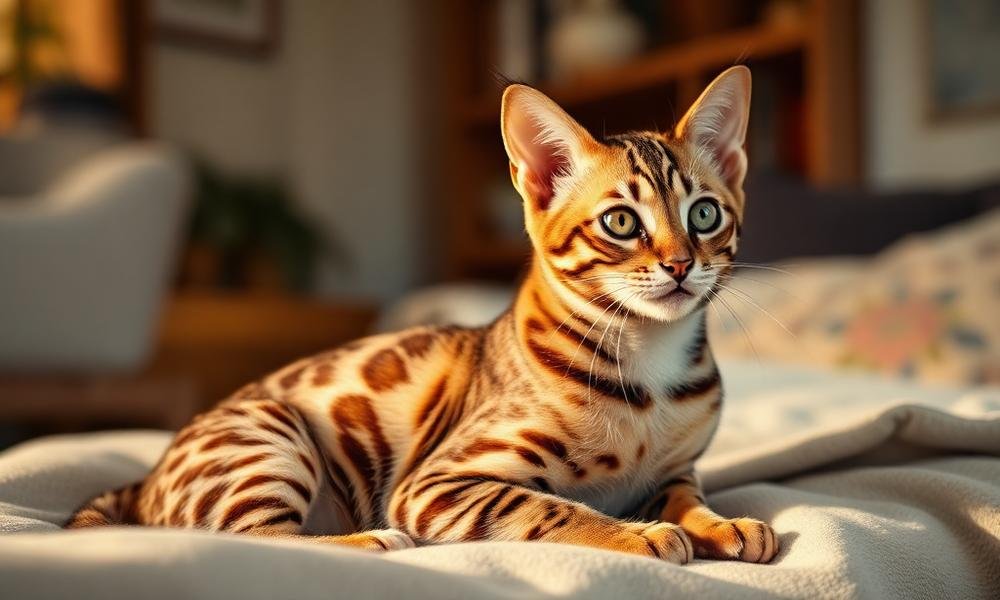
The coat is the Bengal's most famous feature. It comes in two patterns: spotted (rosettes similar to a leopard) and marbled (swirling patterns with contrasting colors). The base color ranges from golden brown to silver, with darker markings. The International Cat Association (TICA) recognizes several colors including brown, silver, snow, and charcoal.
A well matched Bengal cat breed profile option should support the pet clearly without making the routine harder to maintain.
Pro Tip: A Bengal's coat has a unique "glitter" effect caused by air pockets in the hair shaft that reflect light. This isn't a flaw — it's a desirable breed trait that makes the coat shimmer in sunlight.
Their heads are slightly longer than wide, with prominent cheekbones and large, oval shaped eyes that can be gold, green, or blue (in snow Bengals). The ears are medium sized with rounded tips, set wide apart. The tail is thick and medium-length, carried low.
One important distinction: Bengals are not miniature leopards. They're domestic cats with a wild ancestor several generations removed. According to the
The body type is equally impressive. Bengals have a "wild" look with a pronounced shoulder structure and a tucked up belly (like a cheetah). Their hind legs are slightly longer than their front legs, giving them a distinctive, fluid gait when they walk or run. This athletic build means they can jump 6–7 feet vertically from a standstill.
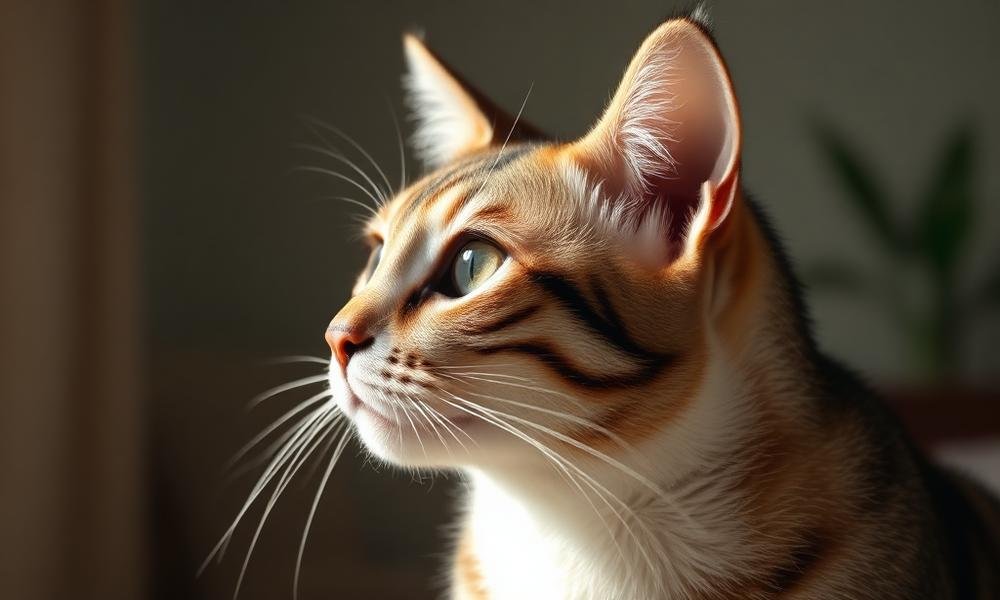
Is a Bengal Cat the Right Breed for You? Temperament and Personality
Bengals are not lap cats. They're active, curious, and need constant engagement. If you want a cat that sleeps 18 hours a day, choose a different breed. Bengals demand interaction — they'll follow you from room to room, "help" with chores, and vocalize their opinions loudly.
These cats are exceptionally intelligent. They can learn tricks (fetch, high-five, walk on a leash) within 1–2 weeks of consistent training. Many owners report their Bengals opening cabinets, turning on faucets, and figuring out puzzle toys faster than any other breed they've owned.
Bengals are also known for their dog like loyalty. They often bond strongly with one or two family members and may be aloof with strangers. They generally get along with other pets if introduced properly, but their high prey drive means small animals (hamsters, birds, fish) are at risk.
Pro Tip: Bengals are notorious escape artists. Ensure all windows have secure screens and doors close firmly behind you. A Bengal that spots a bird outside can push through an unscreened window within seconds.
Vocalization is moderate to high. Bengals don't just meow — they chirp, trill, and make a distinctive "chatter" sound when watching birds. This isn't excessive meowing; it's their way of communicating excitement, frustration, or requests for attention.
For families with children, Bengals can be excellent — provided kids understand the cat needs space. Bengals play rough and may scratch or bite if overstimulated. Supervise interactions with children under 6 years old.
Another personality trait worth noting: Bengals are notorious for "counter surfing." They'll jump onto kitchen counters, tables, and shelves to investigate anything interesting. Training with positive reinforcement (rewarding them for staying on approved surfaces) works better than punishment. Within 3–4 weeks of consistent training, most Bengals learn boundaries.
How Much Exercise and Enrichment Does a Bengal Cat Need?
Bengals require at least 45–60 minutes of active play daily. This isn't optional — a bored Bengal will destroy furniture, knock items off shelves, and develop behavioral issues. Think of them as the border collie of the cat world.
Provide multiple climbing structures. A tall cat tree (at least 5 feet), wall shelves, and window perches let your Bengal survey their territory. Rotate toys weekly to prevent boredom — Bengals get bored with the same toys within 2–3 days.
Puzzle feeders are essential. Instead of a standard bowl, use food dispensing toys that require your cat to work for their meals. This engages their problem solving instincts and slows down eating. The
Leash training works well for Bengals. Most adapt to a harness within 1–2 weeks if you start with short indoor sessions. Outdoor walks provide mental stimulation that indoor play alone cannot match. Stick to quiet areas — busy streets overwhelm even confident Bengals.
Interactive play with wand toys (da Bird, Cat Dancer) should be a daily ritual. Aim for two 15-minute sessions — one in the morning, one in the evening. This mimics hunting behavior and strengthens your bond.
Pro Tip: Install a cat wheel (similar to a hamster wheel but cat-sized). Many Bengal owners report their cats using it voluntarily for 10–20 minutes daily, burning off excess energy before bedtime.
Without adequate enrichment, expect problems. Destructive scratching, excessive vocalization, and aggression toward other pets are common in under stimulated Bengals. Address this early — within 2–3 weeks of consistent enrichment, most behavioral issues resolve.
Ready to outfit your Bengal with the best gear? From tall cat trees to puzzle feeders, we've curated top rated products for active cats.
Browse Cat Products →
What Are Common Health Issues in Bengal Cats?
Bengals are generally healthy, but they have breed specific health concerns you should know. Responsible breeders screen for these conditions, but no cat is guaranteed perfect health.
Progressive Retinal Atrophy (PRA) is the most serious eye condition in Bengals. It causes gradual vision loss starting around 1–2 years old, leading to blindness by age 3–5.
Hypertrophic Cardiomyopathy (HCM) is the most common heart disease in cats, and Bengals have a higher-than average risk. Annual echocardiograms (heart ultrasounds) starting at age 2 can detect early changes. Symptoms include lethargy, rapid breathing, and sudden collapse.
Patellar Luxation (slipping kneecaps) occurs in some Bengals. You might notice your cat skipping or holding up a hind leg. Mild cases don't require treatment; severe cases may need surgery. Veterinarians generally recommend keeping Bengals at a healthy weight to reduce joint stress.
Pyruvate Kinase Deficiency (PK Deficiency) is a genetic disorder affecting red blood cells. It causes anemia, lethargy, and pale gums. Testing is available, and responsible breeders screen for it. Affected cats can live normal lives with proper management.
Dental disease is common in all cats, but Bengals seem particularly prone. Brush your Bengal's teeth 2–3 times weekly using cat safe toothpaste. Dental treats and water additives help, but brushing is most effective.
Gastrointestinal sensitivity is another concern. Bengals often have delicate stomachs and may develop diarrhea or vomiting with sudden diet changes. Introduce new foods gradually over 7–10 days, mixing increasing amounts of the new food with the old. Probiotics designed for cats can help maintain gut health.
How to Find a Responsible Bengal Breeder
Finding a good breeder is the most important step. Bad breeding practices create cats with health problems and unstable temperaments. Expect to wait 3–6 months for a well bred kitten.
Start with TICA or CFA breeder directories. Reputable breeders show their cats, test for genetic diseases, and provide health guarantees. They'll ask you questions about your home and lifestyle — if a breeder doesn't interview you, walk away.
Ask for documentation of PRA, PK deficiency, and HCM screening. A good breeder will share test results willingly. They'll also provide a 1–2 year health guarantee and require you to spay/neuter your kitten.
Visit the cattery if possible. The facility should be clean, cats should appear healthy and socialized, and kittens should be raised in the home (not a barn or outdoor enclosure). Red flags include multiple litters available at once, refusal to show parents, or kittens available immediately.
Be prepared for a price tag of $1,500–$4,000 for a pet quality Bengal. Show quality cats cost more. If a price seems too good to be true ($500–$800), it likely is — that kitten may come from a kitten mill or have undisclosed health issues.
Pro Tip: Consider adopting an adult Bengal from a breed specific rescue. Many Bengals end up in shelters because owners underestimated their energy needs. Adult cats cost less ($150–$300) and their personality is already established.
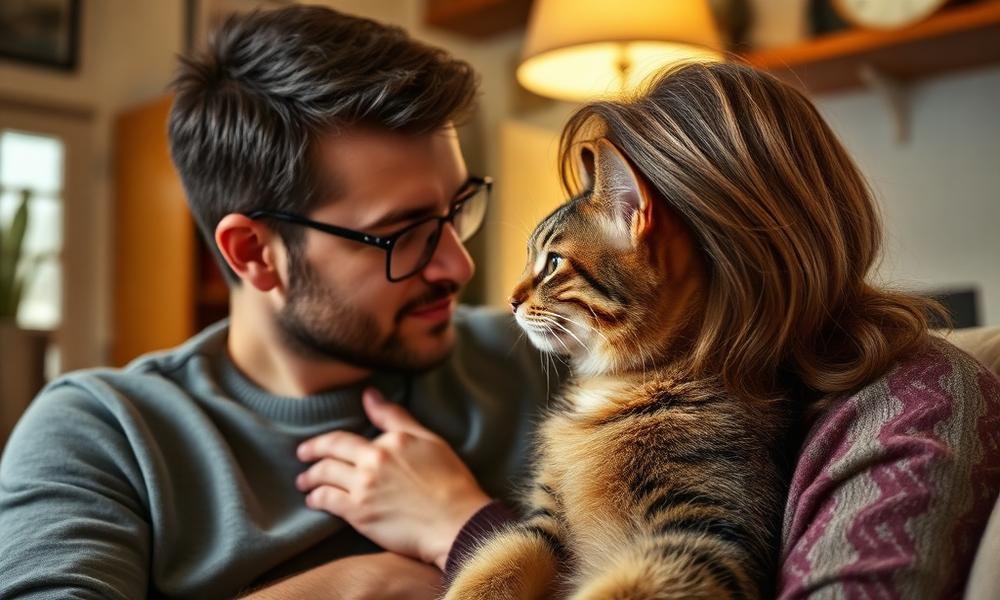
Bengal Cat Care: Grooming, Diet, and Litter Box Tips
Grooming a Bengal is easy. Their short, dense coat requires brushing once weekly with a rubber curry brush to remove loose hair. They shed moderately year-round, with heavier shedding in spring and fall.
Bathing is rarely needed — Bengals are fastidious self-groomers. However, some Bengals enjoy water (a breed trait from their wild ancestors). If your Bengal shows interest, provide a shallow water dish or pet fountain for play.
Diet matters greatly for this active breed. Feed a high-protein, grain free diet with at least research suggests 40% protein content. Bengals have sensitive stomachs — avoid foods with artificial colors, fillers, or by-products. Feed 2–3 small meals daily rather than free-feeding.
Litter box management requires diligence. Bengals are picky about cleanliness — scoop daily and fully change litter weekly. Use a large, uncovered box in a quiet location. Some Bengals prefer a top entry box for privacy.
Nail trimming every 2–3 weeks prevents snags and furniture damage. Provide multiple scratching posts (sisal, cardboard, carpet) in different textures to satisfy their scratching instincts. Place a post near their favorite sleeping spot.
Hydration is critical for Bengals. They're prone to urinary tract issues if they don't drink enough water. A cat water fountain encourages drinking — most Bengals prefer running water over still water. Place fountains in at least two locations around your home, away from food bowls.
How to Cat Proof Your Home for a Bengal
Bengals are masterful climbers and explorers. Standard cat proofing isn't enough — you need to think like an escape artist. Start by securing all windows with heavy duty screens that can withstand pushing. Bengals have been known to push out standard screens in under 3 seconds.
Secure cabinets and drawers with childproof locks. Bengals can open standard cabinet handles with their paws, and they'll investigate anything from cleaning supplies to food storage. Kitchen cabinets are especially tempting targets.
Remove or secure fragile items on shelves and mantles. A Bengal jumping to a high shelf can easily knock down vases, picture frames, or collectibles. Use museum putty to anchor valuable items to surfaces.
Check for hiding spots where a Bengal could get stuck. Spaces behind appliances, inside sofa mechanisms, and above dropped ceilings are dangerous. Block access to these areas with furniture or mesh barriers.
Cover electrical cords with protective tubing. Bengals love to chew on cords — especially during teething (3–6 months old). Cord covers prevent electrocution and save your electronics. Bitter apple spray on cords provides extra deterrence.
Pro Tip: Install a "catio" (enclosed outdoor cat patio) if possible. This gives your Bengal safe outdoor access without escape risk. A 4x4x6 foot catio with multiple shelves and perches provides enrichment for years.
Frequently Asked Questions
Are Bengal cats hypoallergenic?
No cat is truly hypoallergenic, but Bengals produce less Fel d 1 protein than many breeds. Some allergy sufferers tolerate them better. However, individual reactions vary — spend time with a Bengal before committing if you have allergies. Regular bathing and HEPA air filters can further reduce allergens in your home.
How much does a Bengal cat cost?
Pet quality Bengals from reputable breeders cost $1,500–$4,000. Show quality or rare colors (charcoal, silver) can reach $5,000–$10,000. Adoption from a rescue ranges from $150–$300. Annual care costs (food, vet, supplies) run $800–$1,200. Budget an additional $500–$1,000 for initial setup (cat tree, toys, litter box, scratching posts).
Do Bengal cats get along with dogs?
Yes, most Bengals coexist well with cat friendly dogs when introduced properly. Their confident personality helps them stand their ground. Slow introductions over 1–2 weeks work best. Avoid homes with high-prey drive dog breeds. Bengals typically assert dominance early, so supervise initial interactions closely.
How long do Bengal cats live?
Bengals typically live 12–16 years with proper care. Some reach 18–20 years. Genetics, diet, and veterinary care significantly impact lifespan. Indoor only cats live longer than those allowed outdoors. Regular vet checkups (twice yearly after age 7) help catch age related issues early.
Are Bengal cats good for first time owners?
Not recommended. Bengals require experienced owners who understand high energy breeds. First time owners often struggle with their demanding nature, need for enrichment, and potential behavioral issues. Consider a lower energy breed like a Ragdoll or British Shorthair first. If you're determined, adopt an adult Bengal with a known temperament rather than a high energy kitten.
Do Bengal cats need another cat?
Not necessarily, but they benefit from feline companionship if you work long hours. A second active cat provides play and social interaction. If keeping one Bengal, commit to 45–60 minutes of daily interactive play to prevent loneliness and boredom. Another Bengal or an active breed (Abyssinian, Siamese) makes the best companion.
Do Bengals shed a lot?
Bengals shed moderately year-round, with heavier shedding in spring and fall. Their short coat makes shedding less noticeable than long haired breeds, but you'll still find fur on furniture. Weekly brushing with a rubber curry brush reduces loose hair significantly. A good diet with omega-3 fatty acids improves coat health and reduces shedding.
Can Bengals be left alone during the day?
Bengals can handle 8–9 hours alone if properly enriched, but they're not ideal for owners with unpredictable schedules. Leave puzzle toys, window perches, and a cat tree accessible. A second cat helps prevent loneliness. Consider a pet camera to monitor behavior — excessive vocalization or destructive behavior signals boredom.
For broader reference and guidance, akc.org provides useful context on pet health and care decisions.
For broader reference and guidance, petmd.com provides useful context on pet health and care decisions.