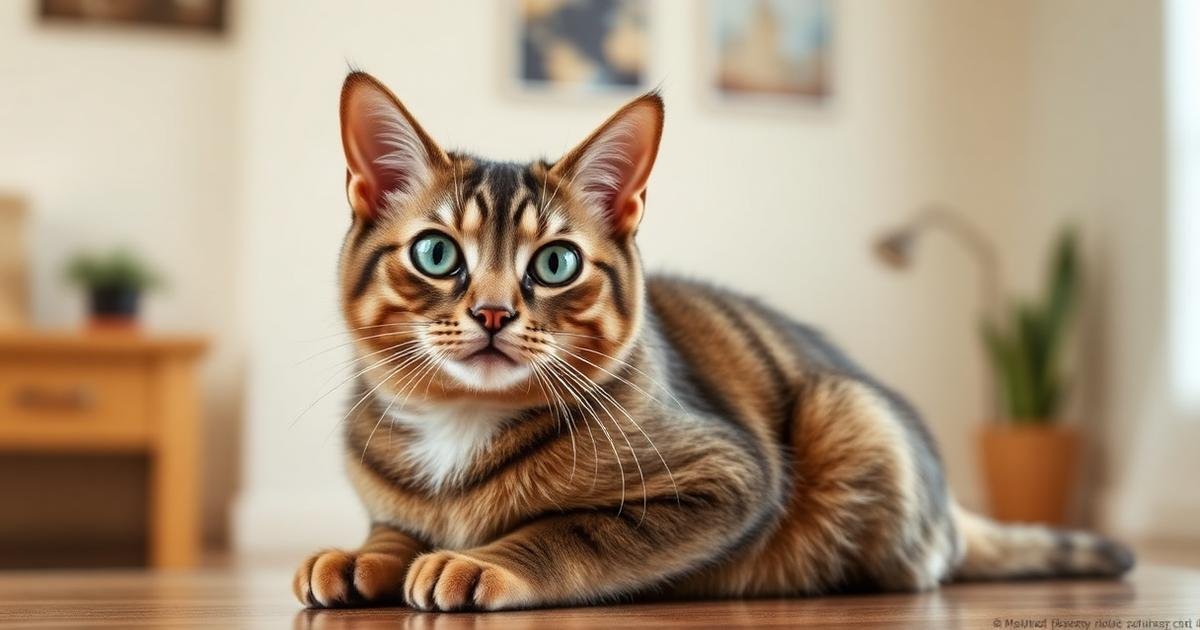
The Abyssinian cat is one of the oldest and most recognizable cat breeds, known for its ticked coat, large ears, and intensely active, playful personality. This Abyssinian cat breed guide covers everything you need to know about their temperament, care requirements, health concerns, and whether this intelligent breed is the right fit for your home. From their ancient origins to their modern day needs, you will learn exactly what it takes to keep an Abyssinian thriving for 12–15 years.
Quick Answer: What is an Abyssinian cat like as a pet?
The Abyssinian is a highly active, intelligent, and social cat breed that thrives on interaction and mental stimulation. They are not lap cats but will follow you everywhere, demand playtime, and need at least 30–45 minutes of active engagement daily. They bond deeply with their owners and do best in homes where someone is around most of the day. For a confident owner ready for an energetic companion, the Abyssinian is unmatched.
For a complete guide on this topic, see the Complete Cat Breed Guide.
This Abyssinian cat breed guide decision works best when the owner compares daily fit, tolerance, and practical consistency together.
What Makes the Abyssinian Cat Unique?
The Abyssinian stands out immediately because of its coat. Each hair has alternating bands of light and dark color — a trait called ticking — giving the cat a warm, glowing appearance. The breed standard recognizes several colors including ruddy (the classic), red, blue, and fawn. No other domestic breed has this exact agouti pattern.
For many homes, the right Abyssinian cat breed guide choice is the one that stays reliable under ordinary daily conditions.
Beyond looks, Abyssinians are built for action. They have a muscular, medium sized body, large almond shaped eyes (often gold or green), and prominent ears that give them an alert, curious expression. According to the AKC behavior guides, this breed ranks among the most active and intelligent domestic cats. Their athletic build allows them to jump 5–6 feet vertically with ease.
Their personality is where the real magic happens. Abyssinians are often described as "dog-like" because they learn tricks, play fetch, and greet you at the door. They are not aloof — they want to be part of everything you do. You will find them supervising your morning coffee, inspecting grocery bags, and "helping" with laundry.
Pro Tip: If you want a cat that will perch on your shoulder while you cook or supervise your work from the desk, the Abyssinian delivers. If you want a quiet lap cat that sleeps 20 hours a day, this breed will frustrate you. Know your expectations before choosing.
Is the Abyssinian Cat Right for Your Lifestyle?
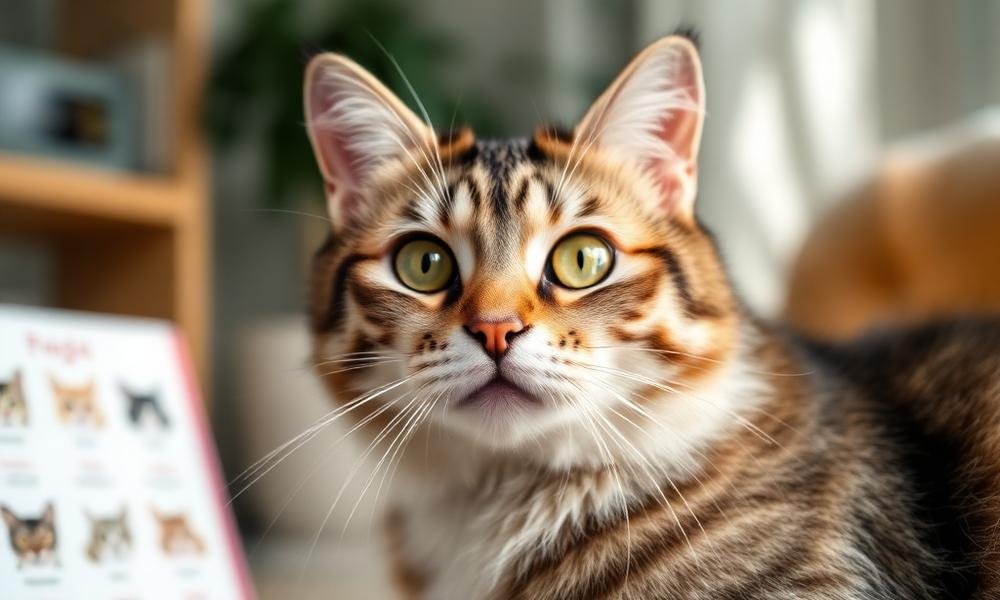
This is the most important question in any Abyssinian cat breed guide. The answer depends entirely on your daily routine and energy level. These cats need at least 30–45 minutes of dedicated playtime every day — not just toys left on the floor, but interactive play with you. They crave your attention and participation.
They are not suited for owners who work 10-hour shifts and leave the cat alone all day. Boredom in an Abyssinian leads to destructive behavior: knocking things off shelves, opening cabinets, and learning how to turn on faucets. The ASPCA behavior resources note that high energy breeds like this require environmental enrichment to prevent behavioral issues. Without it, you will have a frustrated cat and a damaged home.
Best Home Environments for an Abyssinian
Apartment living works fine if you provide vertical space — cat trees, wall shelves, and window perches. A house with a secure catio or safe outdoor access is even better. They need climbing opportunities and puzzle toys to stay happy. Consider installing at least 3–4 elevated perches around your living space.
Who Should Not Get an Abyssinian
If you want a low-maintenance, independent cat, look elsewhere. If you have very young children who grab and pull, the Abyssinian's high energy may lead to scratched hands. They do well with respectful older children and cat friendly dogs. Seniors who cannot keep up with daily play sessions should also consider a calmer breed.
How to Care for Your Abyssinian Cat's Health and Grooming
Abyssinians are generally healthy cats with a lifespan of 12–15 years, but they have specific health concerns you need to know. The most serious is pyruvate kinase deficiency (PKD), a genetic disorder that causes anemia. Reputable breeders test for this — always ask for proof. Testing should be documented with a certificate from a recognized laboratory.
Another concern is progressive retinal atrophy (PRA), which leads to blindness. The PetMD condition guides recommend annual eye exams for this breed starting at age 2. Dental disease is also common, so brush their teeth 2–3 times per week. Start dental care early so your kitten accepts it as routine.
Grooming is surprisingly easy. Their short, fine coat needs only a weekly brushing with a rubber grooming mitt. They shed moderately, and brushing reduces hair around the house. Trim their nails every 2–3 weeks and clean their ears monthly. A bath is rarely needed — only if they get into something messy.
Pro Tip: Feed an Abyssinian a high protein diet with real meat as the first ingredient. They have fast metabolisms and need quality nutrition to maintain their energy. Avoid fillers like corn and wheat. Look for brands with research suggests 40% or higher protein content.
Exercise Requirements You Can't Ignore
This is non-negotiable. An under stimulated Abyssinian will develop anxiety and destructive habits. Provide at least 3–4 interactive play sessions daily using wand toys, laser pointers (use carefully — let them catch it sometimes), and puzzle feeders. Each session should last 10–15 minutes minimum.
Consider getting a second cat. Abyssinians often do better in pairs because they play together and keep each other entertained. If you adopt one, be prepared to be their primary playmate for the next 15 years. A second cat of similar energy level can reduce your workload significantly.
What Is the History and Origin of the Abyssinian Cat?
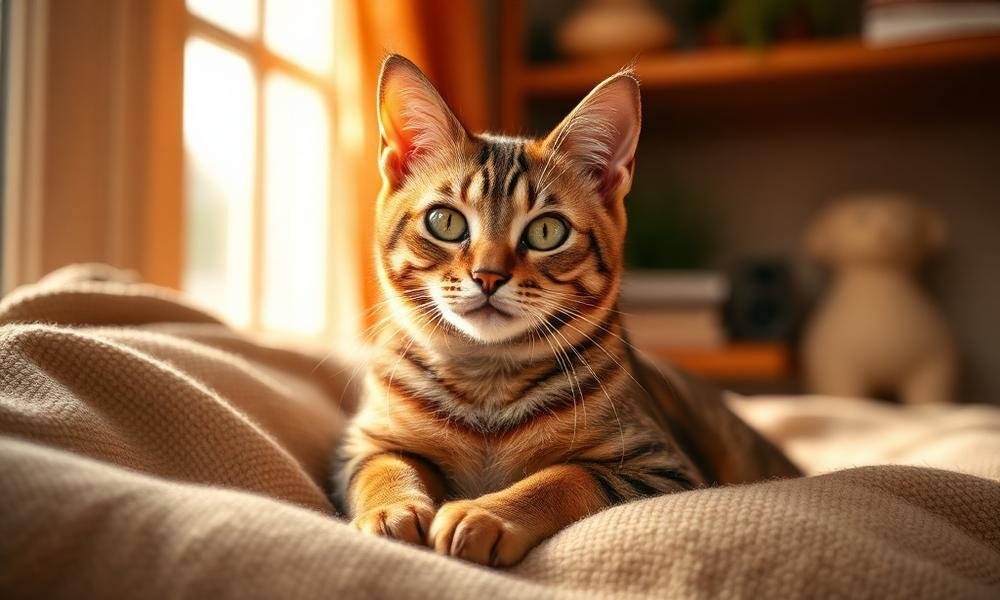
Understanding the history of this breed helps explain its personality. The Abyssinian is one of the oldest known cat breeds, with origins tracing back to ancient Egypt. Paintings and sculptures from 4,000 years ago depict cats with the same ticked coat pattern and elegant build.
The modern breed emerged in the late 19th century. British soldiers returning from Abyssinia (modern day Ethiopia) brought a cat named "Zula" to England. That cat became the foundation of the breed. By the early 1900s, Abyssinians were established in breeding programs in Europe and North America.
This ancient lineage explains their intelligence and independence. They were never bred for docility — they were valued for their hunting ability and companionship. That legacy lives on in every Abyssinian today. They retain a wild edge that makes them endlessly fascinating.
Pro Tip: When choosing an Abyssinian, look for a breeder who can trace their line back at least 5 generations. This ensures genetic diversity and reduces the risk of inherited conditions. Ask for health testing records for both parents.
How to Train and Socialize an Abyssinian Cat
Training an Abyssinian is a joy because they are so food motivated and eager to please. Start with basic commands like "sit" and "high five" using small treats. They learn within 1–2 weeks with consistent 5-minute daily sessions. Use a clicker for precision and faster results.
Clicker training works exceptionally well. Use it to teach tricks, reinforce calm behavior, and even address unwanted jumping. The AVMA pet owner resources emphasize positive reinforcement over punishment — this breed shuts down with harsh corrections. Never yell or spray them with water.
Socialization Timeline
Kittens need exposure to different people, sounds, and environments between 2–7 weeks old. Continue socialization through 16 weeks. Adult Abyssinians can adapt to new situations but take longer — expect 2–4 weeks for full comfort in a new home. Introduce visitors one at a time with treats.
Pro Tip: Use a treat dispensing puzzle toy for meals. It satisfies their hunting instinct and prevents boredom eating. This one change can reduce behavioral issues by research suggests 50% within 2 weeks. Start with a simple puzzle and increase difficulty as they master it.
What Are Common Behavior Problems and How to Fix Them?
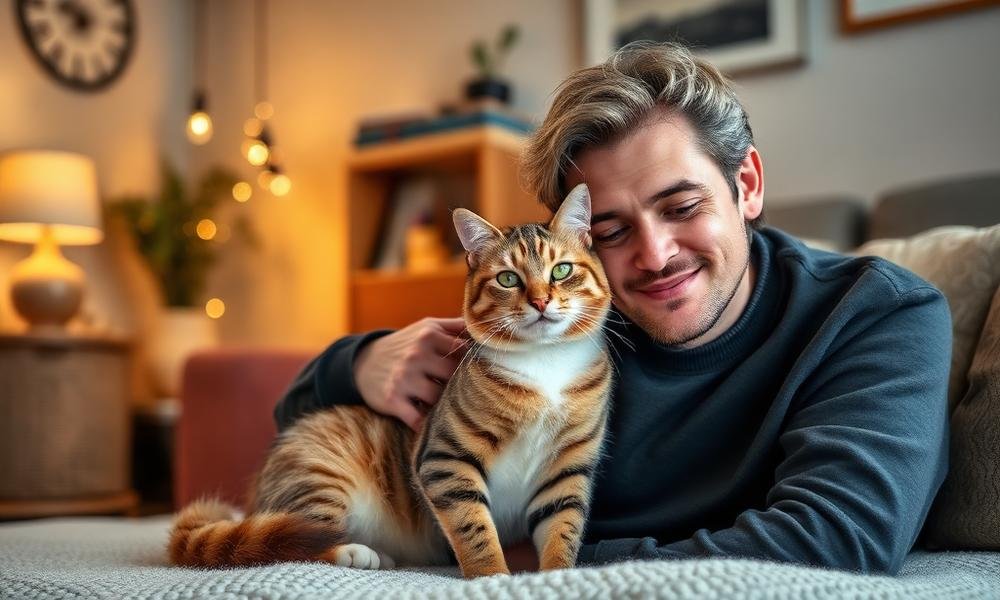
Even in this Abyssinian cat breed guide, we must address the hard parts. The most common issues are excessive meowing, counter surfing, and destructive scratching. Each has a root cause you must address before trying any product. Ignoring the cause means the behavior will continue.
| Behavior | Root Cause | Solution (within 2–3 weeks) |
|---|---|---|
| Excessive meowing | Boredom or attention-seeking | Increase interactive play to 4 sessions daily; ignore demand meowing |
| Counter surfing | Lack of vertical territory | Install cat shelves near kitchen; provide elevated perches |
| Destructive scratching | Insufficient scratching surfaces | Place sisal scratching posts at entry points; use catnip spray |
Never punish an Abyssinian for these behaviors — it damages your bond. Instead, diagnose the unmet need and address it. If the problem persists beyond 4 weeks, consult a veterinary behaviorist. Most issues resolve with consistent environmental changes.
What Should You Feed an Abyssinian Cat for Optimal Health?
Nutrition is critical for this high energy breed. Feed a diet rich in animal protein — at least research suggests 40% on a dry matter basis. Look for wet food as the primary component since it provides hydration. Dry food can supplement but should not be the main meal.
Avoid foods with excessive carbohydrates. Abyssinians have fast metabolisms and need protein for muscle maintenance. Grain free options often work well, but consult your veterinarian before making major diet changes. Feed 2–3 meals daily to maintain steady energy levels.
Fresh water is essential. Consider a cat fountain — many Abyssinians prefer running water. Monitor their weight closely; this breed can become overweight if overfed despite their activity. An adult Abyssinian typically needs 200–250 calories per day depending on activity level.
Pro Tip: Rotate protein sources every 2–3 months to prevent food sensitivities. Chicken, turkey, and fish provide variety. Introduce new foods gradually over 5–7 days to avoid digestive upset.
Ready to outfit your Abyssinian for an active, healthy life? Find climbing trees, puzzle toys, and premium food designed for high energy cats.
Browse Cat Products →
Frequently Asked Questions
Are Abyssinian cats hypoallergenic?
No, but they produce fewer allergens than many breeds because they have a short, single coat that sheds less. No cat is truly hypoallergenic. If you have mild allergies, spend time with an adult Abyssinian before committing. Regular grooming and HEPA filters can reduce allergens further.
How much does an Abyssinian cat cost?
From a reputable breeder, expect to pay $1,000–$2,500 for a kitten. Show quality or rare colors cost more. Adoption from breed specific rescues costs $75–$150 and is always a great option. Factor in initial setup costs of $300–$500 for supplies.
Do Abyssinian cats get along with dogs?
Yes, generally well. They are confident and will stand their ground, making them good matches for calm, cat friendly dogs. Introduce them slowly over 1–2 weeks using scent swapping and supervised meetings. Avoid high-prey drive breeds like terriers.
How long do Abyssinian cats live?
The average lifespan is 12–15 years with proper care. Some live into their late teens. Regular vet checkups, a quality diet, and plenty of exercise maximize their longevity. Annual blood work starting at age 7 helps catch issues early.
Are Abyssinian cats good for first time owners?
Only if you are prepared for high energy and constant interaction. They are not beginner friendly in the way a Persian or Ragdoll is. Experienced cat owners who understand enrichment will do better. If you are a first-timer, consider fostering first to test compatibility.
Do Abyssinian cats like to be held?
Most do not enjoy being held for long periods. They prefer to be near you — on your shoulder, beside you on the couch — but not restrained. Respect their independence and they will show affection on their terms. They often head butt and purr as signs of love.
Do Abyssinian cats need a companion?
They thrive with another cat of similar energy. A second Abyssinian or an active breed like a Bengal or Siamese works well. If you are home most of the day, a single cat can be happy with enough playtime. Leaving them alone for 8+ hours daily makes a companion essential.
Are Abyssinian cats vocal?
Moderately vocal. They communicate with chirps, trills, and meows — not constant yowling. They will talk to you when they want attention or food. Excessive vocalization usually signals boredom. Address the root cause rather than trying to silence them.