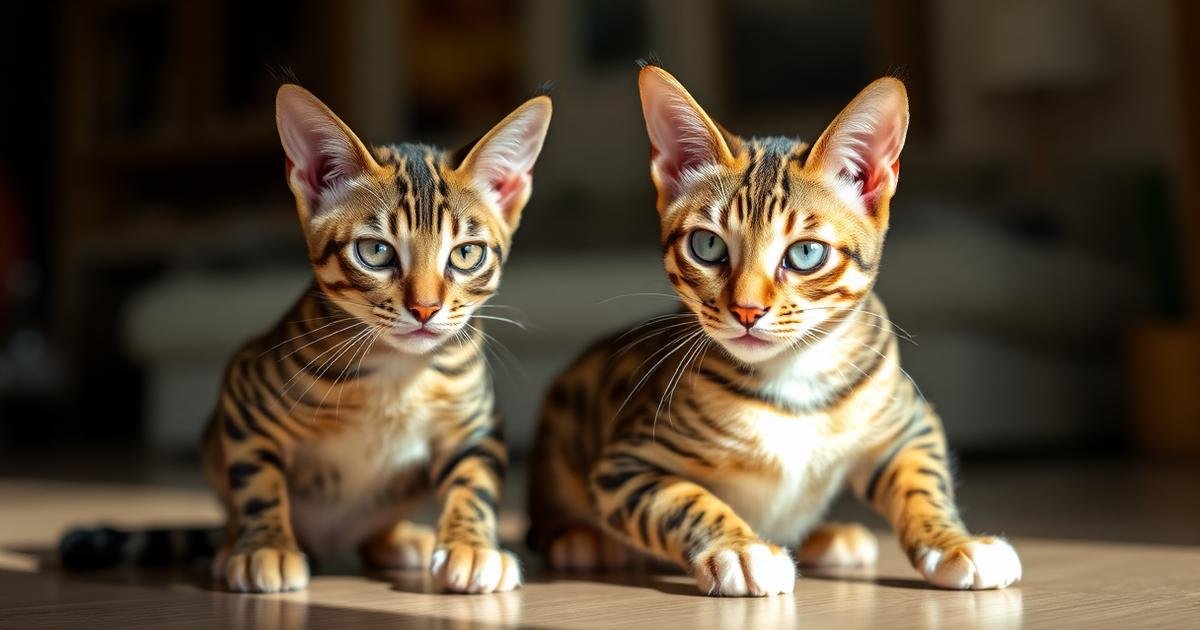
Choosing between a Bengal vs Savannah cat is a decision that comes down to energy level, space, and lifestyle. Bengals are high-energy, dog like companions that need constant stimulation, while Savannahs are larger, more independent, and require significant vertical space and outdoor access. Both breeds are legal in most US states, though Savannahs (especially F1–F3 generations) are restricted in some areas like New York and Hawaii.
Bengal vs Savannah cat: Choose a Bengal if you want an interactive, athletic cat that thrives on play and can learn tricks like a dog. Choose a Savannah if you have ample space, can provide outdoor access or a large catio, and want a more independent yet dog-like companion. Bengals cost $1,500–$4,000 and adapt better to fa
Quick Answer: Which breed is right for you — Bengal vs Savannah cat?
Choose a Bengal if you want an interactive, athletic cat that thrives on play and can learn tricks like a dog. Choose a Savannah if you have ample space, can provide outdoor access or a large catio, and want a more independent yet dog like companion. Bengals cost $1,500–$4,000 and adapt better to families, while Savannahs cost $5,000–$20,000 and require experienced owners familiar with exotic hybrids.
For a complete guide on this topic, see the Complete Cat Breed Guide.
This Bengal vs Savannah cat decision works best when the owner compares daily fit, tolerance, and practical consistency together.
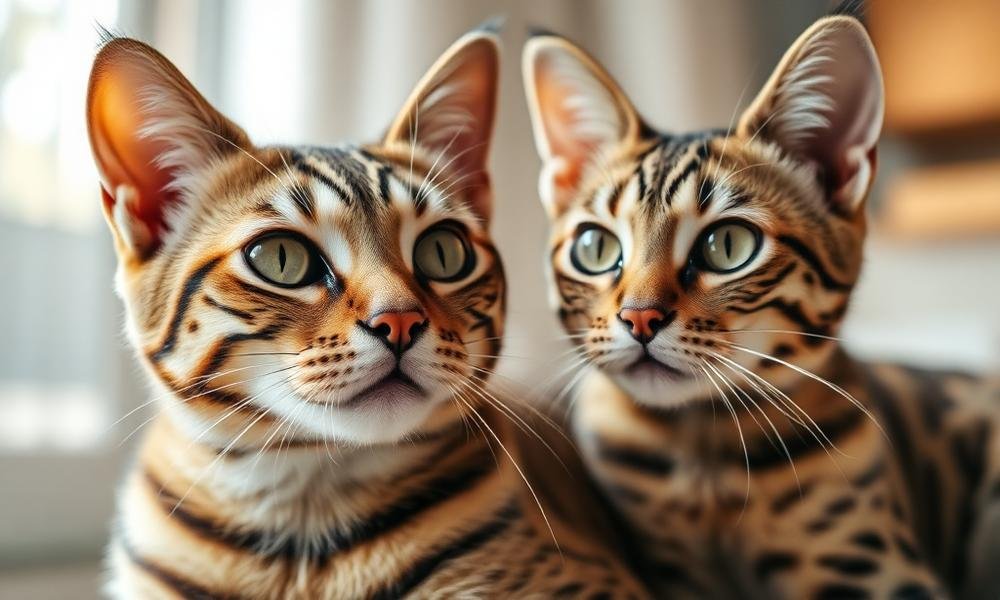
1. What are the key physical differences between Bengals and Savannahs?
Bengals are medium to large cats, typically weighing 8–15 pounds, with a muscular, athletic build. Their coat is short, dense, and covered in distinctive rosettes or marbled patterns that resemble a leopard's. Savannahs are significantly larger, with males reaching 12–25 pounds and standing up to 17 inches at the shoulder.
The Savannah's most striking feature is its long legs, large ears, and spotted coat that comes from its Serval ancestry. Their body type is lean and tall, giving them a cheetah like appearance. Bengals have a more compact, powerful frame with a rounded head and smaller ears.
Pro Tip: To tell them apart at a glance, look at the ears. Savannahs have tall, wide set ears that sit high on the head, while Bengals have smaller, more rounded ears. Also check the tail — Savannahs have shorter tails relative to body length.
Color variations differ too. Bengals come in brown, silver, snow, and charcoal varieties, while Savannahs are typically brown, silver, or black with solid spots. The Savannah's coat feels coarser than the Bengal's plush, silky fur. Their eye shapes also differ — Bengals have almond shaped eyes while Savannahs have a more hooded, triangular eye set.
Body proportions are another giveaway. Savannahs have longer necks and legs, giving them a taller appearance even when sitting. Bengals appear more solid and grounded, with a thicker tail that they often carry low. These physical traits directly impact their behavior — Savannahs use their height to survey rooms from above, while Bengals prefer ground level exploration and pouncing.
2. How do their personalities and energy levels compare?
Both breeds are high energy and require significant daily exercise, but their intensity differs. Bengals are known for being relentlessly playful, often described as "dogs in cat suits." They need at least 45 minutes of interactive play daily and can become destructive if under-stimulated. Many Bengal owners report their cats learning to open cabinets, turn on faucets, and fetch toys within 2–3 weeks of training.
Savannahs are more independent but equally demanding in different ways. They need vertical space — cat trees, shelves, and window perches — and many owners report they enjoy leash walks. Savannahs (especially F1–F3 generations) bond intensely to one person and can be aloof with strangers, while Bengals tend to be more social with the whole family. A Savannah may follow you from room to room but won't necessarily demand lap time.
According to the ASPCA behavior resources, both breeds rank high for destructive behavior if bored. Bengals are more likely to chew cords and knock items off shelves, while Savannahs may open doors and cabinets due to their intelligence. You'll need to cat proof your home more thoroughly than with an average domestic cat.
Pro Tip: If you work from home or have a flexible schedule, a Bengal may be a better fit. Savannahs tolerate alone time better but need environmental enrichment like puzzle feeders and climbing structures. Set up a rotation of 5–7 different toys to prevent boredom.
Temperament also varies by generation. F1 Savannahs (research suggests 50% Serval) are the most wild and challenging, while F5–F6 generations behave more like domestic cats. Bengals have been bred as domestic cats for over 30 years, so their temperament is more predictable. This makes early generation Savannahs unsuitable for households with young children or other pets.
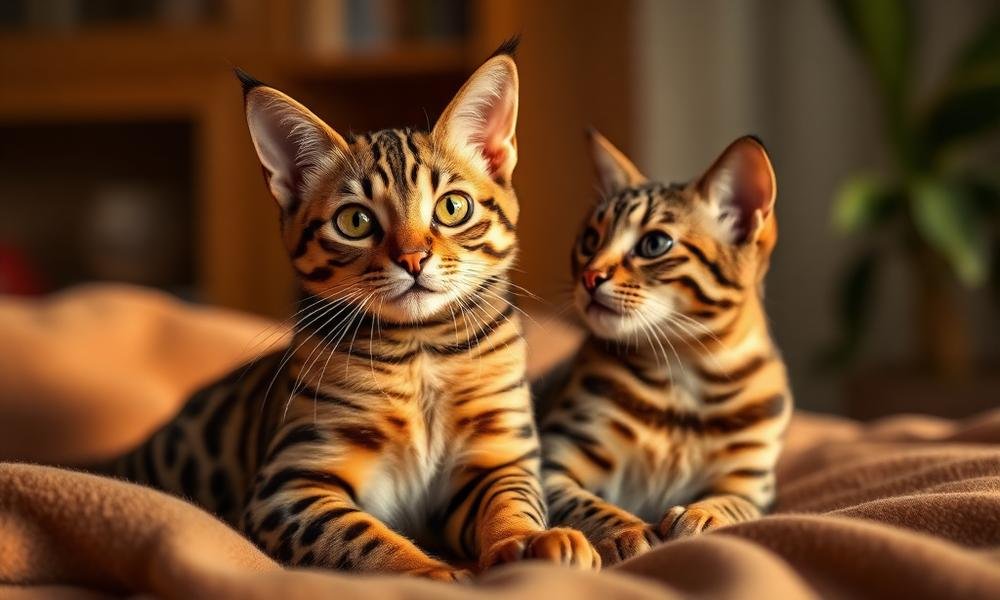
3. What are the legal and practical considerations for ownership?
Legal restrictions are a major factor in the Bengal vs Savannah cat decision. Bengals are legal in all 50 US states with few restrictions. Savannahs, especially F1 (first-generation) and F2 (second-generation) hybrids, are restricted or banned in several states including New York, Hawaii, Georgia, and Massachusetts. Some states like California allow Savannahs only from F5 generation onward.
Even where legal, many cities and counties have their own restrictions. Always check local ordinances before purchasing. Additionally, some landlords and homeowners insurance policies exclude exotic hybrids, which can complicate renting or homeownership. Contact your insurance provider directly — many companies like State Farm and Allstate have specific exotic pet exclusions.
Veterinary care is another consideration. Savannahs may require vets experienced with exotic cats, and their Serval lineage means they metabolize certain medications differently. Bengals are more straightforward but are prone to hypertrophic cardiomyopathy (HCM), so PetMD condition guides recommend annual cardiac screenings. Both breeds need feline leukemia and rabies vaccinations, but Savannahs may need modified vaccine schedules.
Travel restrictions also apply. Some airlines refuse to transport hybrid cats, and crossing state lines with an F1–F3 Savannah may require permits. Plan ahead if you move frequently or travel with your cat. Bengals face no such restrictions and can be transported like any domestic cat.
4. How do costs and care requirements differ?
Initial purchase price varies dramatically. Bengals from reputable breeders cost $1,500–$4,000, while Savannahs range from $5,000 for F5 generations to $20,000+ for F1 kittens. Ongoing costs are similar — both need high protein diets, regular vet care, and substantial enrichment. Expect to spend $1,200–$2,000 annually on food, litter, and routine vet visits for either breed.
Bengals are prone to certain health issues including progressive retinal atrophy (PRA) and HCM, while Savannahs have fewer breed specific conditions but may develop digestive issues from their wild ancestry. Both breeds require annual vet visits and vaccinations. Dental cleanings cost $300–$800 every 1–2 years and are essential for both breeds.
Space requirements differ significantly. Bengals can thrive in apartments with sufficient vertical space and play opportunities. Savannahs need at least 1,000 square feet of living space and ideally a secure outdoor enclosure or catio. According to the AKC behavior guides (applicable to all pets), adequate exercise prevents behavioral problems in high energy animals. A bored Savannah may develop destructive climbing habits like scratching walls and opening windows.
Pro Tip: Budget for a $500–$1,000 emergency fund specifically for your cat. Both breeds are active and prone to injuries from jumping and climbing. A broken leg or foreign body ingestion can cost $2,000–$5,000 to treat. Pet insurance for exotic hybrids costs $40–$80 monthly compared to $20–$40 for Bengals.
Dietary needs also differ. Bengals do well on high quality commercial cat food with at least research suggests 40% protein. Savannahs, especially early generations, may require raw or freeze dried diets to mimic their wild ancestors' nutrition. Consult your vet before switching to a raw diet, as improper balance can cause nutritional deficiencies within 3–6 months.
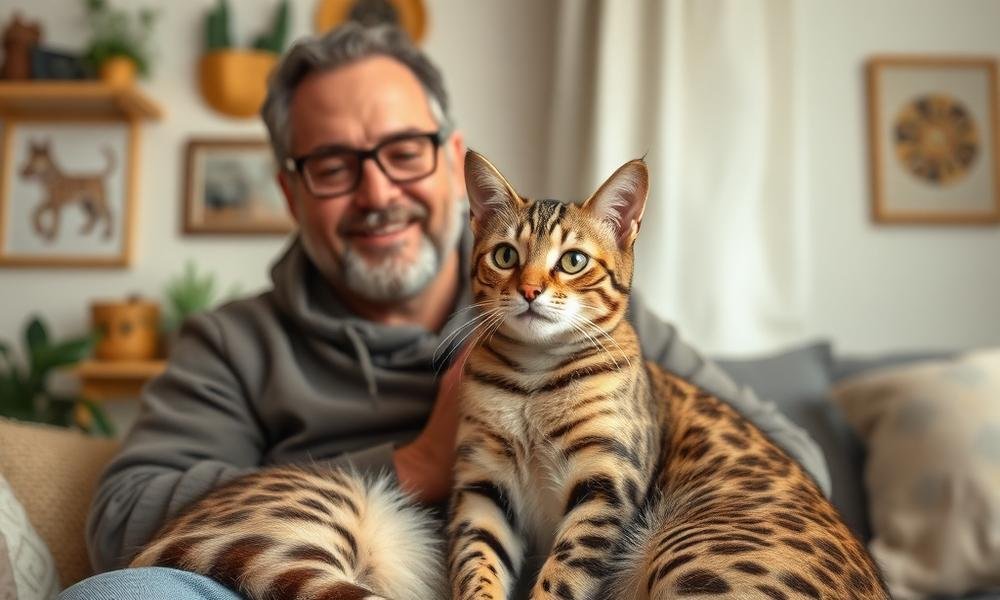
5. Which breed is better for families and other pets?
Bengals generally adapt better to multi pet households. They're playful with other cats and even cat friendly dogs, though their high prey drive means they shouldn't live with small rodents or birds. They're also more tolerant of children, provided kids respect their boundaries. Bengals often initiate play with children and will fetch toys for hours.
Savannahs can be territorial and may not accept other cats. Their strong prey drive makes them dangerous to small pets like hamsters, guinea pigs, or rabbits. Early F generation Savannahs often bond exclusively to one person and may view other family members as intruders. Later generations (F4–F6) are more social but still need slow introductions lasting 4–6 weeks.
For families with children under 6, a Bengal is generally the safer choice. Savannahs may become overwhelmed by loud noises and unpredictable movements. Always supervise interactions and teach children proper cat handling techniques. Neither breed should be left unsupervised with toddlers — both can scratch or bite if provoked, and their strength means injuries can be more severe than with domestic cats.
If you already have a dog, consider the size match. Savannahs may try to dominate smaller dogs, while Bengals often befriend medium to large dogs. Introduce both breeds to existing pets using a crate or baby gate for the first 7–10 days, swapping scents before face-to face meetings.
6. What should you look for when buying from a breeder?
Reputable breeders are the most important factor in the Bengal vs Savannah cat decision. For Bengals, look for breeders who test for HCM and PRA, provide health guarantees, and raise kittens in a home environment. Avoid breeders who offer "teacup" or "mini" Bengals — these aren't real breeds and often have health problems. Reputable Bengal breeders will show you both parents' health clearances.
For Savannahs, verify the generation (F1–F6) and ensure the breeder provides registration papers from TICA (The International Cat Association). Ask about the Serval percentage — F1 Savannahs are research suggests 50% Serval, while F5 are about 5–research suggests 10%. Higher Serval content means more wild behavior and legal restrictions. Demand written documentation of the lineage going back at least three generations.
Both breeds should come with vaccination records, spay/neuter contracts (for pet quality), and a two year health guarantee. Visit the breeder's facility in person or via video call. Red flags include multiple litters available, unwillingness to show parents, or pressure to buy immediately. A good breeder will ask you as many questions as you ask them — they want to ensure their kittens go to appropriate homes.
Ask for veterinary references and contact previous buyers. Reputable breeders have waiting lists of 3–12 months. If a breeder has kittens available immediately, question why. Also confirm the breeder provides a starter kit with the kitten's current food, litter, and a familiar blanket to ease the transition during the first 2 weeks at home.
7. What are the daily care and enrichment requirements for each breed?
Daily care for both breeds goes far beyond feeding and litter box cleaning. Bengals need at least 45–60 minutes of interactive play daily, split into two or three sessions. They thrive on puzzle toys, fetch games, and agility courses. Without this stimulation, expect behavioral issues like excessive meowing, scratching furniture, or aggression within 2–3 weeks.
Savannahs require similar time commitment but in different forms. They need climbing structures at least 6 feet tall, window perches with outdoor views, and daily leash walks if possible. Many Savannah owners install cat shelves along walls to create a "cat highway." These cats also enjoy water — some will play in sinks or even join you in the shower, so consider a cat water fountain for entertainment.
Both breeds need high protein diets with minimal carbohydrates. Feed 2–3 small meals daily rather than free-feeding, as both are prone to obesity if overfed. Bengals often prefer wet food, while Savannahs may accept dry food if it's grain-free. Monitor weight weekly — a healthy Bengal should have a visible waist, while Savannahs should show a slight tuck at the abdomen.
Grooming is minimal for both. Brush once weekly to remove loose hair and distribute skin oils. Trim nails every 2–3 weeks and clean ears monthly. Both breeds are generally healthy but need annual vet checkups that include dental exams. Start nail trimming and brushing at 8 weeks old to build tolerance — adult cats resistant to handling are much harder to groom.
Pro Tip: Rotate enrichment activities every 3–4 days to prevent habituation. A cat that's seen the same puzzle feeder for a week will lose interest. Try hiding treats in cardboard boxes, creating paper bag tunnels, or freezing wet food in ice cube trays for a novel feeding challenge.
8. How do training and socialization differ between the two breeds?
Both breeds are highly trainable, but their motivations differ. Bengals are food motivated and eager to please, making them easier to teach tricks like sit, stay, and high-five. Use small, high value treats like freeze dried chicken or salmon. Training sessions should last 5–10 minutes, 2–3 times daily, and you'll see results within 1–2 weeks for basic commands.
Savannahs are intelligent but less food-motivated. They respond better to clicker training and may need higher value rewards like playtime or access to a favorite perch. Early generation Savannahs can be stubborn and may ignore commands if they're not interested. Start training at 8 weeks and be consistent — a Savannah that learns it can ignore commands at 6 months old will be much harder to train later.
Socialization is critical for both breeds, especially during the 2–7 week socialization window. Expose kittens to different people, sounds, surfaces, and handling. Bengals that aren't socialized may become fearful or aggressive. Savannahs that miss this window may never fully trust strangers. Invite friends over regularly and reward calm behavior with treats and praise.
Leash training is possible for both breeds but requires patience. Start with a harness at 10–12 weeks, letting the kitten wear it for short periods indoors. Add the leash at 12–14 weeks, allowing the cat to drag it around. By 16 weeks, you can attempt short outdoor walks in quiet areas. Never use a collar for walking — both breeds can slip out of collars easily, and Bengals may injure their necks pulling against them.
Ready to choose your perfect exotic cat? We've curated the best supplies for both breeds.
Browse Cat Products →
Frequently Asked Questions
Which breed is more affectionate — Bengal or Savannah?
Bengals are generally more affectionate and seek physical contact, often following owners from room to room. Savannahs bond intensely to one person but are less cuddly. Early generation Savannahs may not enjoy being held, while Bengals often demand lap time and head scratches. Later generation Savannahs (F5–F6) are more affectionate but still less so than Bengals.
Can Bengals and Savannahs live together?
Yes, but introductions must be slow and careful. Bengals are usually more accepting of other cats. Savannahs may view Bengals as competition. Keep them separated for 2–4 weeks, using scent swapping and supervised meetings. Both breeds have strong prey drives, so never leave them unsupervised initially. Feed them on opposite sides of a closed door for the first week to create positive associations.
Do Bengals or Savannahs shed less?
Both are low shedding breeds compared to long haired cats. Bengals have a single coat that sheds minimally. Savannahs also shed lightly but their coarser fur may be less noticeable. Neither breed is hypoallergenic, but many allergy sufferers tolerate them better than other cats. Regular brushing and an air purifier can reduce allergens significantly within 2–3 weeks.
Which breed is easier to train?
Bengals are easier to train for tricks and commands because they're more food motivated and eager to please. Savannahs are highly intelligent but more independent and may ignore commands. Both can learn to walk on a leash, use puzzle feeders, and open doors. Start training at 8–12 weeks old. Bengals typically master 5–7 commands within a month, while Savannahs may learn 3–4 in the same period.
How long do Bengals and Savannahs live?
Bengals typically live 12–16 years with proper care, while Savannahs average 12–20 years. Health, diet, and genetics play major roles. Early generation Savannahs may have shorter lifespans due to hybrid vigor or health complications. Regular vet checkups and a high quality diet extend lifespan for both breeds. Spayed or neutered cats of both breeds tend to live 1–3 years longer than intact ones.
Are Bengals or Savannahs better for first time cat owners?
Neither is ideal for first time owners, but Bengals are more forgiving. Both breeds require experienced handling, substantial enrichment, and understanding of high energy cat behavior. First time owners should consider adopting a Bengal or later generation Savannah (F5–F6) from a rescue that provides behavioral support. Prepare by reading breed specific books and joining online owner communities at least 3 months before bringing your cat home.
Do Bengals or Savannahs get along with dogs?
Bengals generally adapt well to cat friendly dogs, especially if introduced as kittens. They often play together and may even sleep together. Savannahs can be dominant with dogs and may try to assert authority. Early generation Savannahs may view small dogs as prey. Successful cohabitation requires slow introductions and supervision for 4–6 weeks with either breed.
Which breed is more vocal?
Both are vocal, but in different ways. Bengals have a wide range of vocalizations including chirps, trills, and loud meows — they'll "talk" to you constantly. Savannahs make chirping and hissing sounds similar to Servals and may growl when annoyed. Bengals vocalize more frequently, while Savannahs reserve their sounds for specific situations like greeting you or requesting food.
Learn more in our detailed guide on Persian vs Ragdoll cat.
Learn more in our detailed guide on Maine Coon vs Norwegian Forest Cat.