
Choosing between a Persian and a Ragdoll cat is a decision about temperament versus maintenance. If you want a laid back lap cat that goes limp when held, choose a Ragdoll. If you prefer a regal, quiet companion with a flat face and high maintenance coat, a Persian is your match. Both breeds are affectionate, but their grooming needs, health concerns, and personalities differ significantly. Persian vs Ragdoll cat is one of the most important decision points for long term daily fit.
Persian vs Ragdoll cat: Choose a Ragdoll if you want a dog-like, affectionate cat that follows you around and enjoys being carried. Choose a Persian if you prefer a calm, quiet cat that sits beside you without demanding constant attention. Ragdolls need less grooming (weekly brushing) while Persians require daily coat care
Quick Answer: Which cat breed is better for me, Persian or Ragdoll?
Choose a Ragdoll if you want a dog-like, affectionate cat that follows you around and enjoys being carried. Choose a Persian if you prefer a calm, quiet cat that sits beside you without demanding constant attention. Ragdolls need less grooming (weekly brushing) while Persians require daily coat care. Both breeds are indoor only cats that thrive on companionship.
For a complete guide on this topic, see the Complete Cat Breed Guide.
This Persian vs Ragdoll cat decision works best when the owner compares daily fit, tolerance, and practical consistency together.
Persian vs Ragdoll cat: What are the key differences in appearance?
Coat type and length
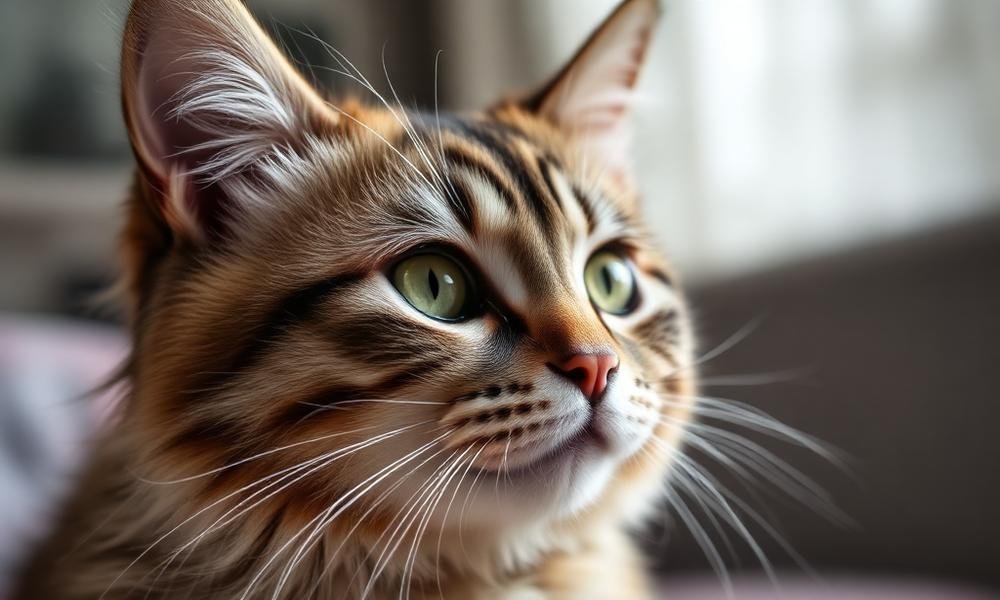
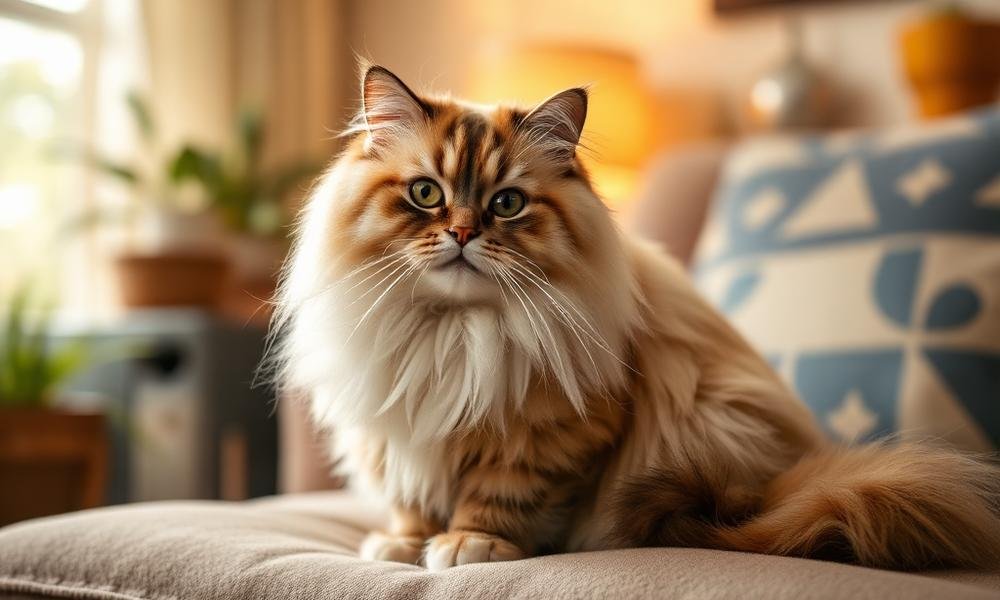
Persians have a dense, double layered coat that is long, silky, and prone to matting. The fur is so thick it creates a ruff around the neck and a plumed tail. Ragdolls, in contrast, have a semi-long, single layer coat that lies flat against the body. Their fur is softer and less prone to tangles.
For many homes, the right Persian vs Ragdoll cat choice is the one that stays reliable under ordinary daily conditions.
The Persian coat requires daily brushing — at least 10-15 minutes every single day. Ragdoll coats need brushing 2-3 times per week. If you skip grooming sessions with a Persian, you'll face painful mats that often require shaving by a professional groomer.
A well matched Persian vs Ragdoll cat option should support the pet clearly without making the routine harder to maintain.
Pro Tip: Run a wide toothed metal comb through your Persian's coat daily before brushing. This catches tangles that brushes miss. For Ragdolls, a slicker brush followed by a stainless steel comb removes loose undercoat and prevents hairballs.
Face shape and body structure
Persians have a distinct brachycephalic (flat) face with a short nose, large round eyes, and small ears. Their bodies are cobby — stocky, muscular, with short legs and a broad chest. Adult Persians typically weigh 7-12 pounds. Ragdolls have a wedge shaped head with a moderate nose, oval blue eyes, and large ears. They are significantly larger, with males reaching 15-20 pounds and females 10-15 pounds.
Most owners get better long term results when Persian vs Ragdoll cat is judged through routine use rather than a single product claim.
Ragdolls are one of the largest domestic cat breeds. They have a long, muscular body with a broad chest and heavy boning. Their size can surprise first time owners — a fully grown male Ragdoll often looks like a small dog.
Color patterns
Both breeds come in a variety of colors, but the key difference is in their pattern. Ragdolls are always pointed (darker color on ears, face, paws, and tail) with a lighter body. They come in seal, blue, chocolate, lilac, red, and cream. Persians come in solid colors, bicolor, tabby, pointed, and shaded patterns. The traditional "doll face" Persian has a less extreme flat face than the "peke-face" show Persian.
What is the temperament difference between a Persian and a Ragdoll?
Activity level and playfulness
Persians are low energy cats. They prefer short play sessions of 10-15 minutes followed by long naps on a sunny windowsill. They are not jumpers or climbers by nature. Ragdolls are moderately active — they enjoy interactive play for 20-30 minutes daily but are not hyperactive. They will chase wand toys and fetch small balls, then collapse in your lap.
Both breeds are calm compared to breeds like Siamese or Bengals. Neither will destroy your curtains or scale your bookshelves. If you want a cat that entertains itself, a Persian fits better. If you want a cat that plays fetch and follows you room to room, choose a Ragdoll.
Affection style and handling
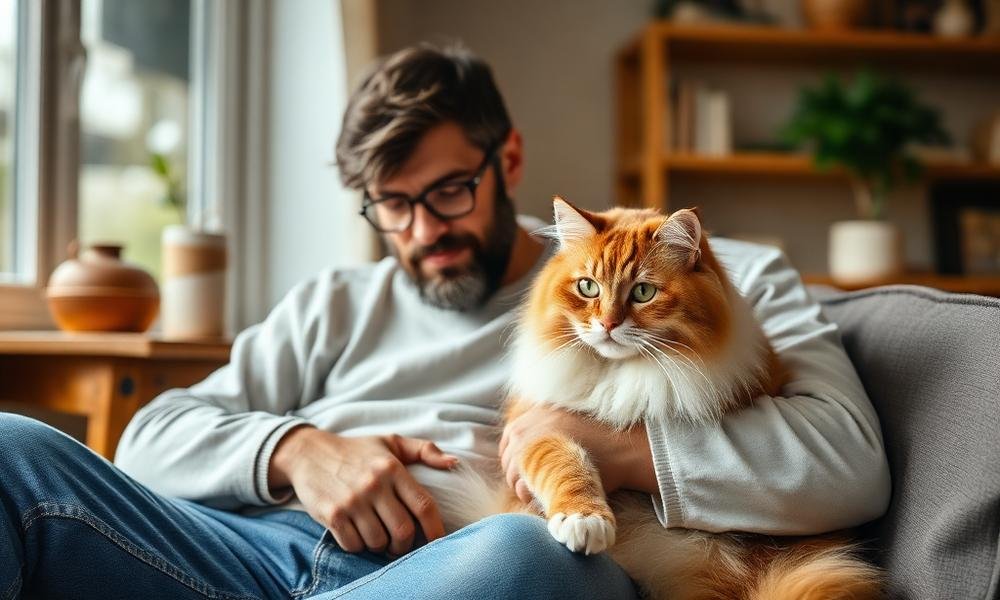
The Ragdoll breed name comes from their tendency to go limp when picked up — they truly "ragdoll" in your arms. They are known for following their owners from room to room, greeting them at the door, and sleeping in bed with them. Persians are affectionate but more independent. They will sit beside you for hours but rarely demand to be carried. They prefer to be petted on their own terms.
Ragdolls are often described as "dog-like" because they learn tricks, walk on a leash, and come when called. Persians are more cat-like — they want your presence but not your constant handling. Neither breed is aloof, but the Persian requires less hands on interaction.
Pro Tip: Test your preference by visiting a breeder or cat show. Pick up a Ragdoll to experience the limp body response. Observe how a Persian reacts to being held — most will tolerate it briefly but prefer to be beside you rather than in your arms.
Vocalization and noise level
Both breeds are quiet compared to vocal breeds like Siamese or Orientals. Persians have a soft, melodic voice and rarely meow without reason. They communicate through eye contact and body language. Ragdolls also have a quiet voice but will use it more — they chirp and meow softly to greet you or request attention. Neither breed is noisy enough to disturb apartment neighbors.
How much grooming does each breed need?
Daily Persian coat care
Persian grooming is a serious commitment. Brush your Persian's coat daily for at least 10 minutes using a metal comb and slicker brush. Pay special attention to the armpits, belly, and behind the ears — these areas mat quickly. Bathe your Persian every 4-6 weeks to remove oil buildup and prevent skin infections. Many Persian owners schedule professional grooming every 6-8 weeks.
Eye cleaning is also essential. Persians have flat faces that cause tear duct overflow, leading to tear staining. Wipe their eyes daily with a damp cloth or pet safe eye wipe. Without this routine, tear stains become dark and crusty, potentially causing skin irritation.
Weekly Ragdoll coat care
Ragdoll grooming is significantly easier. Brush your Ragdoll 2-3 times per week with a slicker brush and metal comb. Their single layer coat resists matting, but regular brushing prevents hairballs. Bathing is rarely needed — every 3-6 months or when they get dirty. Ragdolls shed moderately year round with heavier shedding in spring and fall.
The biggest grooming advantage of a Ragdoll is the absence of tear staining. Their moderate nose structure allows tears to drain normally. You still need to check their ears weekly and trim nails every 2-3 weeks, but the daily eye wipe routine is unnecessary.
Pro Tip: Start grooming routines the day you bring your kitten home. Persians and Ragdolls both need to learn that brushing is normal. Use treats during grooming sessions to create positive associations. A cat that tolerates grooming at 8 weeks old will accept it at 8 years old.
Ready to welcome a Persian or Ragdoll into your home? Get everything you need to keep your new feline friend happy and healthy.
Browse Cat Products →
What health issues affect Persians and Ragdolls?
Persian health concerns
Brachycephalic airway syndrome is the primary health concern for Persians. Their flat faces cause narrowed nostrils, elongated soft palates, and small tracheas. This makes breathing difficult, especially in hot weather or during exercise. According to the AVMA pet owner resources, brachycephalic breeds are prone to heat stroke and exercise intolerance. Never let your Persian become overweight — extra pounds worsen breathing problems.
Polycystic kidney disease (PKD) affects approximately 30-40% of Persians. Responsible breeders screen for this genetic condition using ultrasound. Always ask for proof of PKD testing before purchasing a Persian kitten. Other common issues include progressive retinal atrophy, dental malocclusion due to jaw structure, and skin fold dermatitis around the face.
Ragdoll health concerns
Hypertrophic cardiomyopathy (HCM) is the most serious health issue in Ragdolls. This condition thickens the heart muscle, reducing pumping efficiency. According to research from veterinary cardiologists, approximately 20-30% of Ragdolls carry the genetic mutation. Reputable breeders screen breeding cats with echocardiograms annually. Ask for HCM screening documentation before buying a Ragdoll kitten.
Ragdolls are also prone to bladder stones and urinary tract issues, particularly in males. Feed a high quality wet food diet to maintain urinary health. Hip dysplasia occurs in some Ragdolls due to their large size, though less commonly than in dogs. Obesity is another concern — Ragdolls love food and will beg constantly. Keep them lean to prevent joint stress and diabetes.
Lifespan comparison
Both breeds have similar lifespans when well cared for. Persians typically live 12-17 years. Ragdolls average 12-15 years, though some reach 18-20 years with excellent care. Indoor living, regular veterinary checkups, and a high quality diet are essential for both breeds. Neither should ever be allowed outdoors unsupervised due to their trusting, non aggressive natures.
Which breed is better for families with children or other pets?
Ragdolls with children and pets
Ragdolls are excellent family cats because of their tolerant, patient nature. They rarely scratch or bite, even when handled by gentle children. Their dog like personality means they integrate well with cat friendly dogs and other cats. Ragdolls will often initiate play with other pets rather than hiding from them. However, their trusting nature makes them vulnerable to rough handling — supervise interactions with very young children.
Ragdolls are also better for homes with existing pets. Their confident, outgoing personality helps them adjust to new animals within 1-2 weeks. They are not territorial or aggressive, which reduces conflict in multi pet households.
Persians with children and pets
Persians do best in calm, quiet homes. They tolerate respectful children but may become stressed by loud noises, sudden movements, or rough play. Persians prefer to observe from a safe distance rather than engage in active play. They get along with other cats and cat friendly dogs, but introductions should be gradual — allow 2-4 weeks for full adjustment.
A Persian is better suited for adults, seniors, or families with older children who understand gentle handling. They make excellent companions for people who work from home or retirees, as they appreciate a consistent routine and calm environment.
For broader reference and guidance, akc.org provides useful context on pet health and care decisions.
For broader reference and guidance, petmd.com provides useful context on pet health and care decisions.
Frequently Asked Questions
Are Persian cats more expensive than Ragdoll cats?
Both breeds cost $1,000-$3,000 from reputable breeders. Persians from champion bloodlines or rare colors (chocolate, lilac) can reach $5,000. Ragdolls with show quality confirmation and HCM clear parents also command premium prices. Rescue adoption fees are $50-$200 for either breed, but purebred Persians and Ragdolls rarely appear in shelters.
Do Persians or Ragdolls shed more?
Persians shed more due to their dense double coat. You'll find fur on furniture, clothing, and floating in the air. Daily brushing reduces loose hair but doesn't eliminate it. Ragdolls shed less overall, but their longer guard hairs are more noticeable on dark surfaces. Both breeds benefit from a HEPA air purifier and regular vacuuming.
Can Persians and Ragdolls be left alone during the workday?
Yes, both breeds tolerate 8-10 hours alone better than high energy breeds. Persians are content to sleep most of the day. Ragdolls prefer company but adapt to solo time if you provide interactive toys and a window perch. Neither breed should be left alone for extended periods without food, water, and enrichment.
Which breed is hypoallergenic?
Neither Persian nor Ragdoll cats are hypoallergenic. All cats produce Fel d 1 protein in their saliva, skin, and dander. Persians may trigger fewer allergies because their dense coat traps dander close to the body. Ragdolls produce average allergen levels. No cat breed is truly allergen-free — spend time with both breeds before committing if you have allergies.
Do Persians or Ragdolls need more veterinary care?
Persians require more frequent vet visits due to brachycephalic breathing issues, dental problems, and skin fold infections. Expect 2-3 annual checkups plus eye and dental care. Ragdolls need annual checkups with HCM screening every 1-2 years. Both breeds benefit from pet insurance — treatment for PKD or HCM can cost $3,000-$10,000.
How long does it take for a Persian or Ragdoll kitten to adjust to a new home?
Most kittens adjust within 1-2 weeks. Ragdolls adapt faster due to their confident, outgoing nature — they may explore the whole house within 24 hours. Persians are more cautious and may hide for 3-5 days before venturing out. Provide a safe room with food, water, litter box, and bed for both breeds during the transition period.
Check out our complete overview of Maine Coon vs Norwegian Forest Cat for more information.