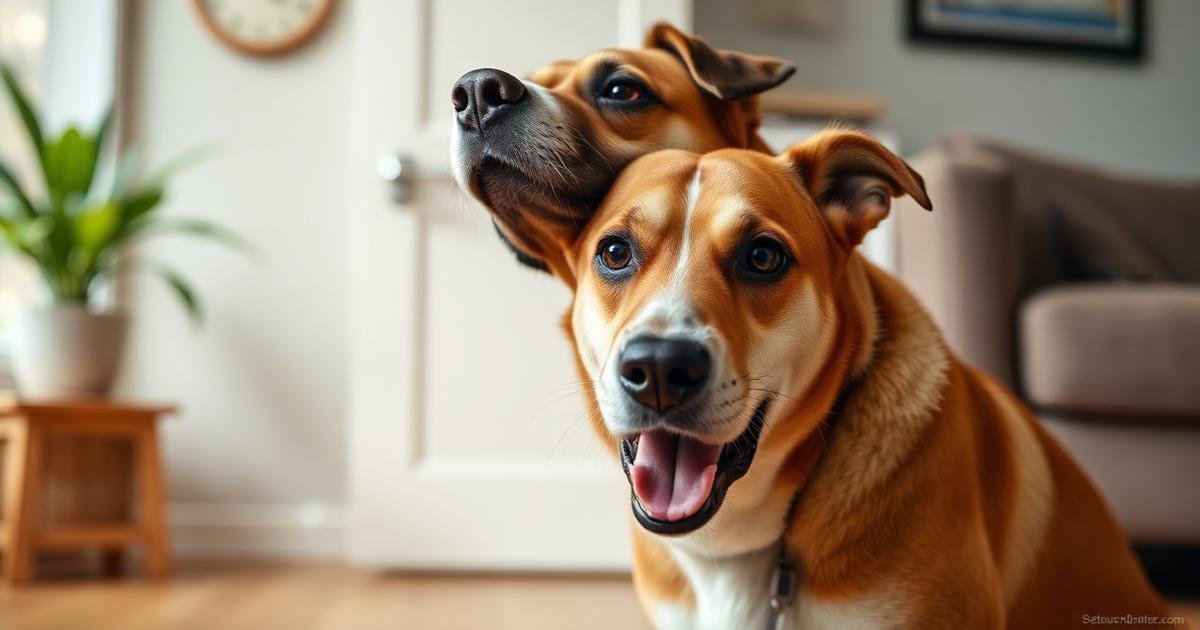
You trusted your dog completely. Then one day, a friend walks through the door and your dog freezes, growls, or hides. It feels personal, even embarrassing. But here's the truth: a sudden fear of strangers in dogs is almost never about betrayal or bad temperament. It's a signal — from pain, a missed socialization window, or a scary experience you didn't witness. The fix starts with understanding that signal, not punishing your dog for sending it. why dog afraid of strangers suddenly is one of the most important decision points for long term daily fit.
Why dog afraid of strangers suddenly: Your dog's sudden fear of strangers is most likely caused by a painful health issue (like arthritis or an ear infection), a traumatic event you didn't see, the end of a critical socialization window (typically closing around 16 weeks), or the onset of a fear period in adolescent dogs (6–18 months).
Quick Answer: Why Is My Dog Suddenly Afraid of Strangers?
Your dog's sudden fear of strangers is most likely caused by a painful health issue (like arthritis or an ear infection), a traumatic event you didn't see, the end of a critical socialization window (typically closing around 16 weeks), or the onset of a fear period in adolescent dogs (6–18 months). A vet visit must be your first step to rule out pain.
For a complete guide on this topic, see the Dog Behavior Guide.
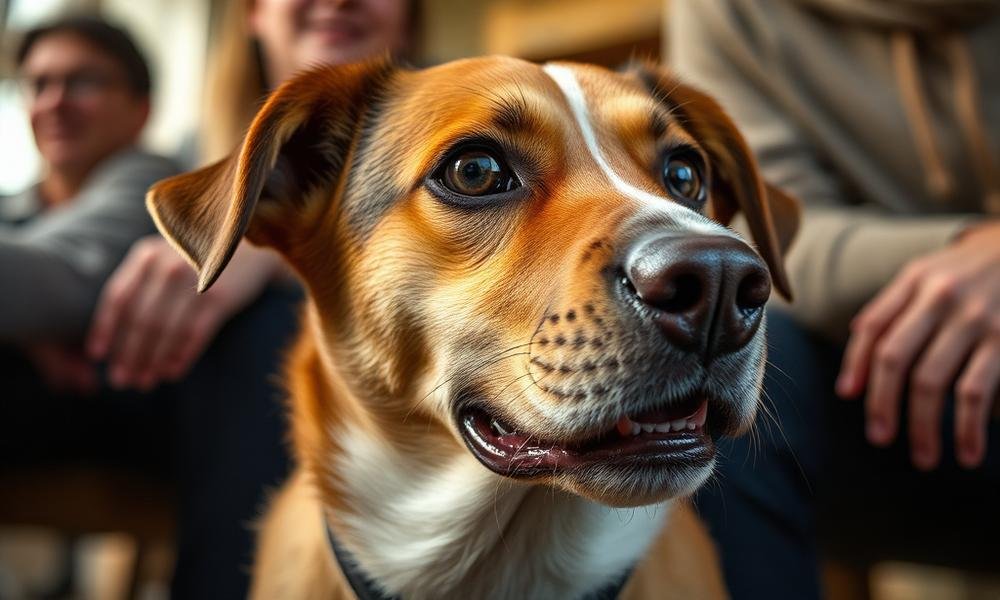
Why Your Dog Suddenly Fears Strangers
Your dog didn't wake up deciding to be difficult. Something shifted. Here are the most common root causes for why dog afraid of strangers suddenly appears in an otherwise friendly dog.
1. Hidden Pain or Medical Discomfort
This is the most overlooked cause. A dog with a sore hip, an ear infection, or dental pain associates the approach of a stranger with the anticipation of being touched — and that touch will hurt. According to the
2. A Traumatic Experience You Missed
You weren't with your dog 24/7. A delivery person slammed a package down. A child yanked your dog's tail while you were in the other room. A stranger shouted at your dog during a walk. One negative event can rewire a dog's perception of all strangers. It feels sudden to you, but your dog remembers exactly what happened.
This why dog afraid of strangers suddenly decision works best when the owner compares daily fit, tolerance, and practical consistency together.
3. The End of the Socialization Window
Puppies have a critical socialization period that closes between 12 and 16 weeks of age. If your dog didn't meet enough friendly strangers during that window, they may seem fine until adolescence (6–18 months) when fear responses mature. What looks like a sudden change is actually a delayed reaction to an unsocialized past. The AKC notes that proper socialization during puppyhood is the single best prevention for stranger fear.
4. Fear Periods in Adolescent Dogs
Dogs go through natural fear periods, much like human toddlers. A confident 5-month old puppy can suddenly become terrified of the mailbox at 8 months. These phases typically last 2–3 weeks and are a normal part of brain development. Your job is not to force interaction but to remain calm and avoid reinforcing the fear by coddling or punishing.
5. Cognitive Decline in Senior Dogs
If your dog is over 7 years old and suddenly fearful, consider Canine Cognitive Dysfunction (CCD). It's similar to dementia in humans. Familiar people and places become confusing and scary. A stranger's unfamiliar scent or voice can trigger genuine panic. This requires a veterinary diagnosis and management, not training.
Pro Tip: Film your dog's behavior when a stranger approaches. Show the video to your vet. A 15-second clip revealing a tucked tail, whale eye (showing the whites of the eyes), or lip licking is more valuable than a 10-minute description of the problem.
Root Cause Decision Tree
Match your dog's specific behavior to find the fastest fix:
| What you observe | Likely root cause | First fix to try |
|---|---|---|
| Growls or snaps when touched on the back or hips | Pain (arthritis, spinal issue) | Vet exam for pain management |
| Fearful only of men in hats or children | Specific traumatic event or lack of early socialization | Counter conditioning at a distance, never force interaction |
| Sudden fear at 6–12 months old, otherwise healthy | Adolescent fear period | Wait it out (2–3 weeks), avoid triggers, stay neutral |
| Fearful only when strangers enter the home, fine outside | Territorial anxiety or negative experience at the door | Create a safe space (crate or bed) away from the entry |
| Senior dog (7+ years) suddenly fearful of everyone | Cognitive decline or sensory loss | Vet evaluation for CCD; maintain routine strictly |
| Shakes, drools, or urinates when strangers approach | Intense fear or phobia | Consult a veterinary behaviorist; consider anti anxiety medication |
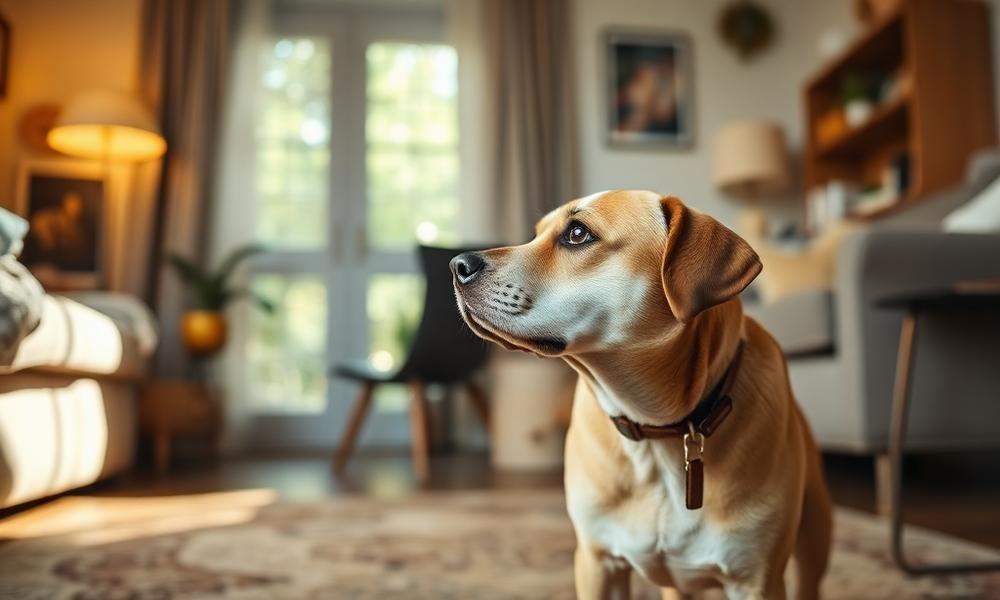
When This Is NOT Just Behavior
You need to rule out a medical cause before you can fix a behavioral one. This is non negotiable when you're dealing with why dog afraid of strangers suddenly appears.
Red flags that demand a vet visit today:
- Your dog yelps or flinches when touched in a specific spot
- Limping, stiffness, or reluctance to climb stairs
- Obsessive licking or chewing at one area of the body
- Sudden behavior change in a dog over 7 years old
- Loss of house training alongside the fear
- Changes in appetite or sleep patterns
According to the
Pro Tip: Ask your vet for a full orthopedic exam and a thyroid panel. Hypothyroidism can cause anxiety and sudden behavioral changes in dogs. It's treatable with daily medication, and the fear often resolves within 2–4 weeks of treatment.
Enrichment Protocol: The Foundation for Fixing Stranger Fear
Before you try any training technique, your dog needs an outlet for stress. A tired dog is a more trainable dog. This protocol must run for at least 2 weeks before you expect to see any reduction in fear.
- Physical exercise: At least 45 minutes of active exercise daily. This can be a brisk walk, a jog, fetch, or swimming. The goal is to burn off the cortisol (stress hormone) that fuels fear responses.
- Mental stimulation: Use puzzle feeders or a frozen Kong for every meal. A 10-minute sniff walk (where your dog leads and sniffs as much as they want) is mentally equivalent to a 1-hour walk. This builds confidence through choice.
- Chew outlet: Provide appropriate chew toys daily. Chewing releases endorphins and lowers stress. Bully sticks, yak cheese, or rubber chew toys stuffed with food work well. Never leave your dog unsupervised with any chew that could be swallowed whole.
- Training session: 10 minutes daily of basic obedience (sit, down, touch) using high value treats. This strengthens your bond and teaches your dog that listening to you is rewarding. It also gives you a tool to redirect attention away from strangers.
- Safe space: Create a quiet zone (crate, bed, or room) where strangers are never allowed. Your dog must have a place to retreat. Cover the crate with a blanket to create a den like environment. Never let strangers approach your dog in this space.
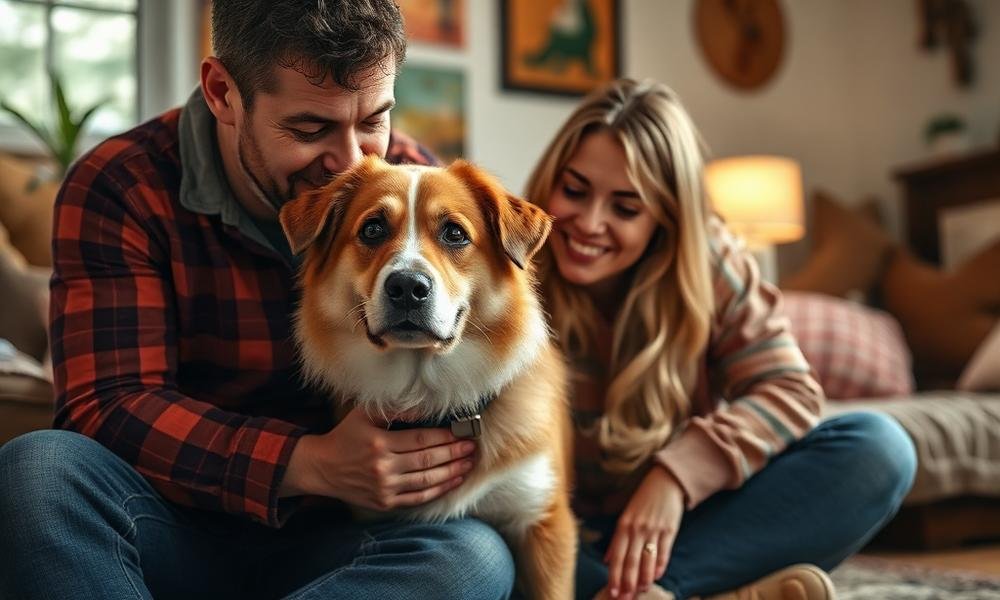
Product Buying Criteria: What to Look For
If you decide to use products to support your dog's training, choose based on function, not marketing. Here is what to look for in the most useful tools for managing why dog afraid of strangers suddenly.
For a safe retreat space: Look for a crate made of heavy duty metal with a secure latch. Avoid collapsible fabric crates — a fearful dog can push through them and injure themselves. The crate should be large enough for your dog to stand, turn around, and lie down comfortably, but not so large that they feel exposed.
For calming aids: Look for Adaptil (DAP) diffusers or collars. These release synthetic pheromones that mimic a nursing mother dog's calming signal. They are not a cure, but they can reduce baseline anxiety by about research suggests 30% within 2 weeks according to veterinary studies. Avoid any product that claims to "cure" fear — that's marketing, not science.
For management during training: A front clip harness gives you better control without putting pressure on your dog's neck. Pair this with a 6-foot leash (never retractable) to keep your dog close when strangers approach. This prevents rehearsing the fearful behavior.
Pro Tip: Never use a prong collar, shock collar, or choke chain on a fearful dog. These tools work by causing pain or discomfort, which will confirm your dog's belief that strangers are dangerous. This will make the problem significantly worse.
Ready to set your dog up for success? Find the right tools for training and management.
Browse Dog Products →
Troubleshooting Matrix
Use this table to find the specific fix for your dog's exact behavior pattern:
| Behavior pattern | Likely cause | What to do |
|---|---|---|
| Barks and lunges at strangers on walks | Fear based reactivity; feels trapped by the leash | Create distance (cross the street). Practice "look at that" game — mark and treat when your dog looks at a stranger without reacting. Expect improvement in 2–4 weeks of daily practice. |
| Hides behind you when strangers enter the home | Lack of confidence; sees you as protector | Do not force interaction. Have strangers ignore your dog completely. Toss high value treats near your dog without eye contact. Improvement in 3–6 visits. |
| Growls or snaps if a stranger tries to pet them | Clear communication that your dog is uncomfortable | This is a valid warning. Do not punish the growl. Manage by keeping your dog at a safe distance. Invest in a "Do Not Pet" vest. Improvement when you respect the warning. |
| Only fearful of strangers of a specific gender or appearance | Traumatic event with someone who looked that way | Systematic desensitization: have a calm friend who matches the trigger sit at a distance and toss treats. Gradually decrease distance over 5–10 sessions. Never rush. |
| Fearful of strangers only in the evening or at night | Sundowning (common in senior dogs); reduced vision/hearing | Vet check for vision loss and CCD. Keep lights on. Close curtains. Use a nightlight. Maintain a strict evening routine. Improvement within 1 week of environmental changes. |
| Was fine with strangers until a boarding stay or vet visit | Negative experience during the stay | Assume something scary happened. Rebuild trust slowly. Use high value treats (chicken, cheese) whenever a stranger is present. Do not force socializing for at least 2 weeks. |
| Fearful of strangers but also of new objects or sounds | Generalized anxiety or fear period | This is a broader anxiety issue. Implement the full enrichment protocol daily. Consider consulting a veterinary behaviorist. Medication may be needed for 3–6 months. |
For broader reference and guidance, petmd.com provides useful context on pet health and care decisions.
Frequently Asked Questions
My dog only shows fear of strangers when we are at home — why?
Your dog feels safe enough at home to express fear they suppress on walks. This is actually a good sign. The home is your dog's territory, and they expect you to protect it. Work on having strangers enter calmly, ignore your dog, and toss treats from a distance.
Will this fear of strangers go away on its own as my dog gets older?
No. In fact, the opposite is true. Unaddressed fear typically worsens with age. Each time your dog practices the fearful response, it becomes more deeply ingrained. Early intervention — starting with a vet visit and enrichment — gives you the best chance of reversing it within 4–8 weeks.
Is this sudden fear of strangers a sign of separation anxiety?
Not typically. Separation anxiety involves distress when you leave. Fear of strangers involves distress when others arrive. They are different conditions. However, a dog with general anxiety can develop both. If your dog also panics when you leave, consult a veterinary behaviorist for a full assessment.
How long until I see improvement in my dog's fear of strangers?
With consistent management (avoiding triggers, enrichment protocol, and counter-conditioning), you should see a 20–research suggests 30% reduction in fear within 2–3 weeks. Full resolution of a phobia can take 3–6 months. If you see no improvement after 4 weeks of consistent work, consult a professional.
Should I punish or ignore my dog's fearful behavior toward strangers?
Never punish fear. Punishment will suppress the warning signs (growling, freezing) and your dog may bite without warning. Ignoring the behavior is also wrong — your dog needs help, not neglect. Instead, remove your dog from the trigger and implement the enrichment protocol.
My dog only fears strangers who wear hats or sunglasses — why?
Dogs read facial expressions and body language. Hats and sunglasses obscure the face, making a person look unfamiliar and potentially threatening. This is a specific socialization gap. Have a friend wear a hat at a distance and toss treats. Gradually decrease distance over several sessions.