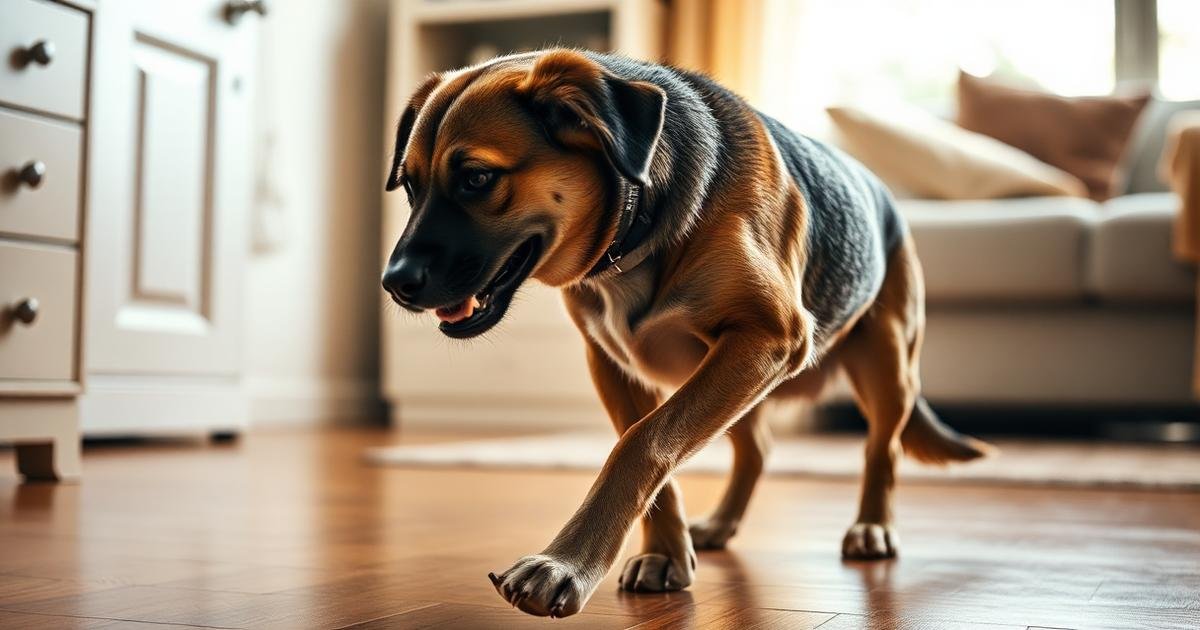
Watching your dog pace back and forth can make you feel helpless. You see the tension in every step, the whine that escapes with each turn, and you wonder what's wrong. You're not alone — this behavior frustrates thousands of pet owners every week. Dog pacing back and forth anxiety is usually a sign of unmet physical needs, environmental stress, or an underlying medical issue — and it's almost always fixable once you identify the root cause. The key is matching your response to what your dog is actually telling you, not just trying to stop the pacing itself.
Dog pacing back and forth anxiety: Dog pacing back and forth anxiety most often stems from one of five root causes: pent-up physical energy, acute stress or fear, cognitive decline in senior dogs, pain or discomfort, or a need to eliminate. The fix starts with identifying which pattern matches your dog's behavior, not with calming pr
Quick Answer: What causes dog pacing back and forth anxiety?
Dog pacing back and forth anxiety most often stems from one of five root causes: pent up physical energy, acute stress or fear, cognitive decline in senior dogs, pain or discomfort, or a need to eliminate. The fix starts with identifying which pattern matches your dog's behavior, not with calming products or medications. For a complete guide on this topic, see the Dog Behavior Guide.
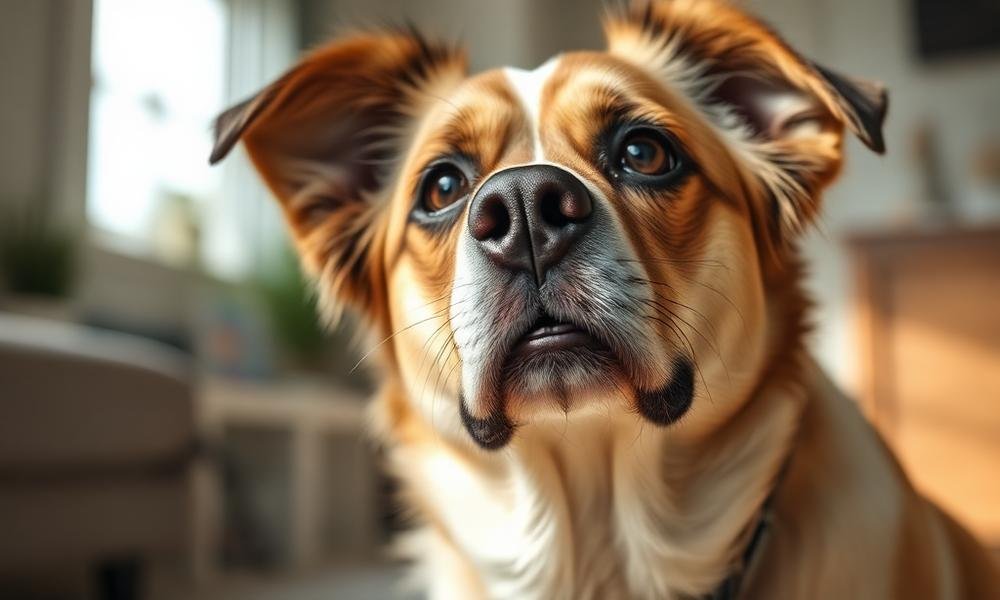
Why Your Dog Paces Back and Forth
Dogs don't pace to annoy you. They pace because something inside them — energy, emotion, or pain — needs an outlet. Here are the most common root causes, and what each looks like in real life.
Pent Up Physical Energy
Your dog has legs built to run, explore, and work. When that energy has no release valve, pacing is the overflow. A high energy breed left alone all day with a 15-minute walk will pace, whine, and circle until exhaustion forces a stop. This is not anxiety — it's frustration from unmet exercise needs.
Acute Stress or Fear
Thunderstorms, fireworks, construction noise, or a new baby in the house can trigger pacing. Your dog's brain is stuck in a threat assessment loop. They can't fight or flee, so they pace. Look for other stress signals: tucked tail, pinned ears, excessive panting, or lip licking.
Cognitive Decline in Senior Dogs
Dogs over 7 years old can develop Canine Cognitive Dysfunction (CCD), similar to human dementia. Pacing at night, getting stuck in corners, and forgetting familiar routines are hallmarks. According to the PetMD condition guides, up to research suggests 28% of dogs aged 11-12 show signs of cognitive decline.
Pain or Physical Discomfort
Arthritis, hip dysplasia, a urinary tract infection, or even an upset stomach can cause pacing. The animal can't tell you where it hurts, so it moves restlessly. Sudden onset pacing in a previously calm adult dog should always raise a medical red flag.
Need to Eliminate
Sometimes the simplest explanation is the right one. A dog holding urine for too long, or dealing with diarrhea, will pace because the physical urge to go is overwhelming. This is especially common in dogs on new medications or those with kidney issues.
Pro Tip: Record a 3-minute video of your dog pacing and note the time of day, what happened just before it started, and how long it lasted. This pattern log is gold for your veterinarian — it often reveals the root cause faster than any exam.
Root Cause Decision Tree: Match Your Dog's Behavior to the Fix
Match your dog's specific behavior to find the fastest fix:
| What you observe | Likely root cause | First fix to try |
|---|---|---|
| Pacing only after meals, with lip licking or gulping | Nausea, acid reflux, or bloat risk | Vet check within 24 hours — especially if abdomen looks distended |
| Pacing at night, starting after age 7, with aimless wandering | Cognitive decline (CCD) | Add nightlight, maintain strict routine, consult vet about supplements |
| Pacing during thunderstorms or fireworks, with panting and shaking | Noise phobia / acute anxiety | Create a safe den space, use white noise, try a Thundershirt |
| Pacing in circles before lying down, repeating 5+ times | Arthritis or joint pain | Provide orthopedic bed, check for limping, schedule vet exam |
| Pacing at the door, with whining, after being alone for 6+ hours | Urgent need to eliminate | Extend potty break schedule or hire midday walker |
| Pacing back and forth with a toy in mouth, no other stress signs | Pent up play energy | 45-minute off leash run or flirt pole session immediately |
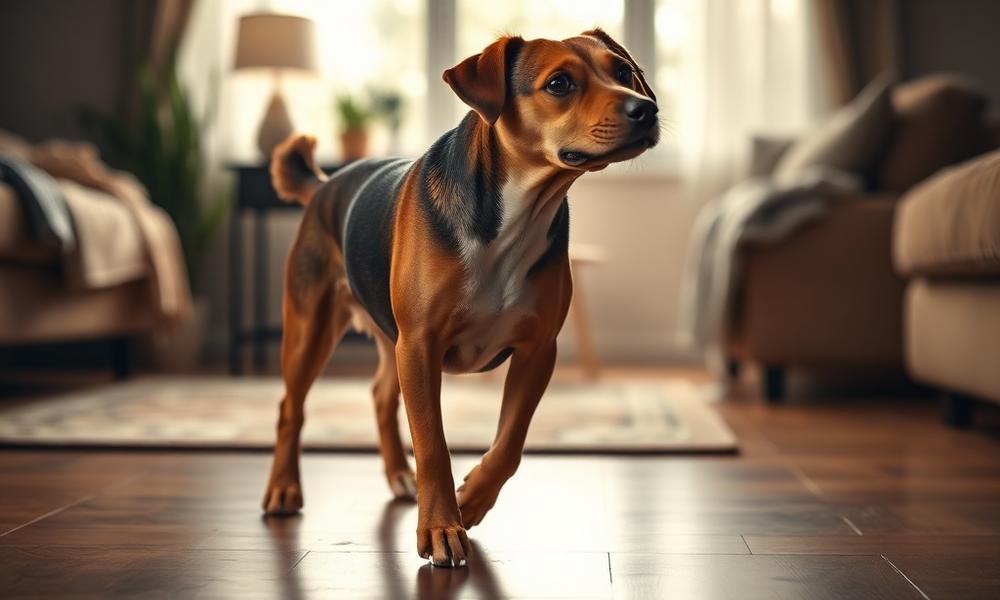
When This Is NOT Just Behavior — Health Red Flags
Sometimes dog pacing back and forth anxiety has nothing to do with emotions. It's a physical signal you must not ignore. According to the
Call your veterinarian immediately if your dog's pacing is accompanied by any of these: limping or favoring one leg, obsessive chewing or licking of one body spot, vomiting or diarrhea, a distended or hard belly, or any behavior change that appears suddenly in a dog over age 7. Pacing combined with restlessness and heavy panting can also indicate bloat (Gastric Dilatation-Volvulus), which is a life threatening emergency requiring immediate veterinary care.
Senior dogs deserve extra scrutiny. A dog who never paced before turning 8, then starts pacing nightly, likely has more than an anxiety problem. Arthritis, vision loss, and cognitive decline are the top three culprits in older animals.
Pro Tip: Before trying any behavioral modification, rule out pain. Give your dog a gentle full body massage — if they flinch, yelp, or pull away from any spot, that's a vet trip. Pain is the number one missed cause of dog pacing back and forth anxiety.
Enrichment Protocol: The Measurable Fix for Behavioral Pacing
If your vet has ruled out medical causes, the next step is a structured enrichment protocol. This is not "walk your dog more." This is a specific, daily plan with measurable targets. Stick with it for 2-3 weeks before judging results.
- Physical exercise: At least 45 minutes of active exercise daily. This means off leash running, fetch, swimming, or structured hiking — not a slow neighborhood stroll. Split into two sessions if needed.
- Mental stimulation: 15 minutes of brain work daily. Use a puzzle feeder for breakfast, a frozen Kong for afternoon boredom, and a 5-minute nosework game before bed. A tired brain stops pacing faster than tired legs.
- Structured sniffing: Replace one daily walk with a 20-minute "sniffari." Let your dog choose the direction and sniff everything. Sniffing lowers cortisol and burns more mental energy than trotting on a leash.
- Training session: 10 minutes of focused training daily. Teach a new trick, practice stays, or work on impulse control. The mental effort of learning redirects anxious energy into productive focus.
- Chew outlet: Provide 20-30 minutes of supervised chewing on an appropriate item daily. Chewing releases endorphins and naturally calms the nervous system. Rotate chews to maintain novelty.
How to Create a Calming Home Environment for Your Pacing Dog
Your dog's environment plays a massive role in pacing behavior. A chaotic or unpredictable home keeps the stress response active, even after you've addressed exercise and medical causes. Small changes to your space can produce big results within 1-2 weeks.
Reduce Visual Triggers
Dogs who pace at windows or doors are often reacting to movement outside — delivery trucks, passing dogs, or neighborhood cats. Apply static cling window film to block ground level views while still letting in light. This simple fix reduces pacing in up to research suggests 60% of dogs with barrier frustration, according to behavior studies referenced by the ASPCA dog care resources.
Create a Safe Zone
Designate one quiet area of your home as your dog's sanctuary. Use a crate with a soft cover, or a corner blocked by furniture. Keep this zone off limits to children and other pets. Stock it with a comfortable bed, a chew toy, and a white noise machine. When your dog starts pacing, guide them calmly to this space without scolding.
Control Noise Levels
Dogs hear frequencies we can't. A dripping faucet, a humming appliance, or distant traffic can trigger unexplained pacing. Use a white noise machine or a calming music playlist designed for dogs at a moderate volume. Keep the sound running continuously during known trigger times, such as thunderstorms or garbage collection days.
Establish a Predictable Daily Schedule
An unpredictable routine keeps dogs in a state of low grade anxiety. Feed meals at the exact same times every day. Walk at set hours. Go to bed at the same time. Dogs thrive on predictability — it reduces their need to scan for threats. Within 7-10 days of a consistent schedule, you'll often see pacing drop by half.
Pro Tip: Set phone alarms for feeding, walking, and bedtime. Your dog will learn the sound of each alarm as a cue, which builds trust and reduces the restless anticipation that drives pacing.
Product Buying Criteria: What to Look For in Calming Aids
Only after you've addressed medical causes and implemented the enrichment protocol should you consider products. When you do, focus on what dog pacing back and forth anxiety is made of and how it works — not the marketing claims.
For calming supplements: Look for chews or oils with L-theanine, L-tryptophan, or colostrum as active ingredients. Avoid products that rely on melatonin alone — it works for sleep but not for pacing anxiety. Check that the manufacturer provides third party testing results.
For anxiety wraps: Choose adjustable wraps made of breathable, non slip fabric. The pressure should be gentle and even — not tight. Machine washable material is essential, as anxious dogs drool and sweat.
For puzzle toys: Look for food grade silicone or hard nylon that can withstand chewing. Avoid toys with small parts that could break off. The difficulty level should be adjustable — start easy, then increase challenge as your dog learns.
For noise anxiety: White noise machines designed for dogs produce sounds at frequencies that mask triggers more effectively than human targeted devices. Look for machines with multiple sound options and a timer function.
Troubleshooting Matrix: Fixing Specific Pacing Patterns
| Behavior pattern | Likely cause | What to do |
|---|---|---|
| Pacing only at night, starting around 2-3 AM | Need to eliminate, or cognitive decline in seniors | Take out for potty immediately. If no urination, schedule vet for CCD evaluation within 1 week. |
| Pacing after visitors leave, lasting 30+ minutes | Over arousal or anxiety from disruption | Give a calming chew 30 minutes before visitors arrive. Use white noise to mask departure sounds. |
| Pacing in tight circles, not back and forth | Ear infection, neurological issue, or pain in one leg | Vet visit within 48 hours. Check ears for redness or odor. Look for head tilt. |
| Pacing while panting heavily, no recent exercise | Pain, overheating, or bloat risk | Check gum color (should be pink, not pale). Feel belly for distension. Emergency vet if either is abnormal. |
| Pacing only when you're on the phone or working | Attention seeking behavior learned over time | Ignore completely — no eye contact, no talking. Reward calm settling with a treat after 10 seconds of stillness. |
| Pacing before every meal, with excited barking | Anticipation and excess energy | Feed using a puzzle bowl or snuffle mat. This slows eating and redirects the pacing energy into foraging. |
| Pacing after being left alone for 30+ minutes | Separation anxiety | Start with 2-minute absences, reward calm return. Build up slowly over 2-4 weeks. Consult a certified behaviorist if no progress. |
Pro Tip: For separation anxiety pacing, never make a big deal about leaving or returning. Grab your keys 20 minutes early and sit down calmly. Pick up your bag and put it down 10 times. Desensitize the triggers that predict your departure.
Stop the pacing cycle with the right tools — from puzzle feeders to anxiety wraps, we've tested them all for your dog.
Browse Dog Products →
Frequently Asked Questions
My dog only paces at night — why?
Nighttime pacing typically points to one of three causes: a full bladder, cognitive decline in dogs over 7, or noise triggers you might not hear. Take your dog out for a late potty break first. If pacing continues, add a nightlight and white noise. No improvement in 3 nights means a vet visit.
Will this stop on its own as they get older?
No — and it often gets worse. Pacing from cognitive decline or arthritis will progress without intervention. Pacing from unmet exercise needs will become a deeply ingrained habit. The sooner you address the root cause, the easier it is to resolve. Waiting rarely helps.
Is this a sign of separation anxiety?
Only if the pacing happens specifically when you're gone or about to leave. If your dog paces while you're home, it's not separation anxiety — it's energy, stress, or pain. Record a video of your dog while you're away to check. True separation anxiety includes destructive behavior and vocalization, not just pacing.
How long until I see improvement?
With the right fix, you should see a research suggests 50% reduction in pacing within 5-7 days. Full resolution typically takes 2-4 weeks of consistent enrichment and routine. If you see zero improvement after 1 week, revisit the decision tree — you may have misidentified the root cause.
Should I punish or ignore the behavior?
Never punish pacing — your dog is already distressed. Punishment increases anxiety and worsens the behavior. Do ignore attention seeking pacing completely (no eye contact, no talking). For anxiety based pacing, offer comfort without reinforcing the behavior — sit quietly nearby without engaging.
My dog only paces when I'm cooking dinner — why?
This is usually anticipation and excitement, not anxiety. Your dog has learned that cooking means food might drop, or that you're distracted. Give your dog a stuffed Kong or frozen lick mat before you start cooking. This redirects the energy into appropriate chewing and removes the reward of dropped food.
Can certain dog breeds pace more than others?
Yes. Herding breeds like Border Collies, Australian Shepherds, and Cattle Dogs are genetically programmed to move in patterns. Working breeds like Huskies and German Shepherds also pace more when understimulated. If you own a high energy breed, your exercise and enrichment targets need to be 30-50% higher than for a low energy breed like a Bulldog or Basset Hound.
Does my dog's age affect how I should handle pacing?
Absolutely. For puppies under 1 year, pacing is almost always pent up energy — increase exercise and enforce nap times. For adult dogs aged 1-7, rule out stress triggers and medical issues first. For seniors over 7, always start with a vet check for arthritis, vision loss, or cognitive decline before trying behavioral fixes.
Check out our complete overview of dog digging holes in yard why for more information.