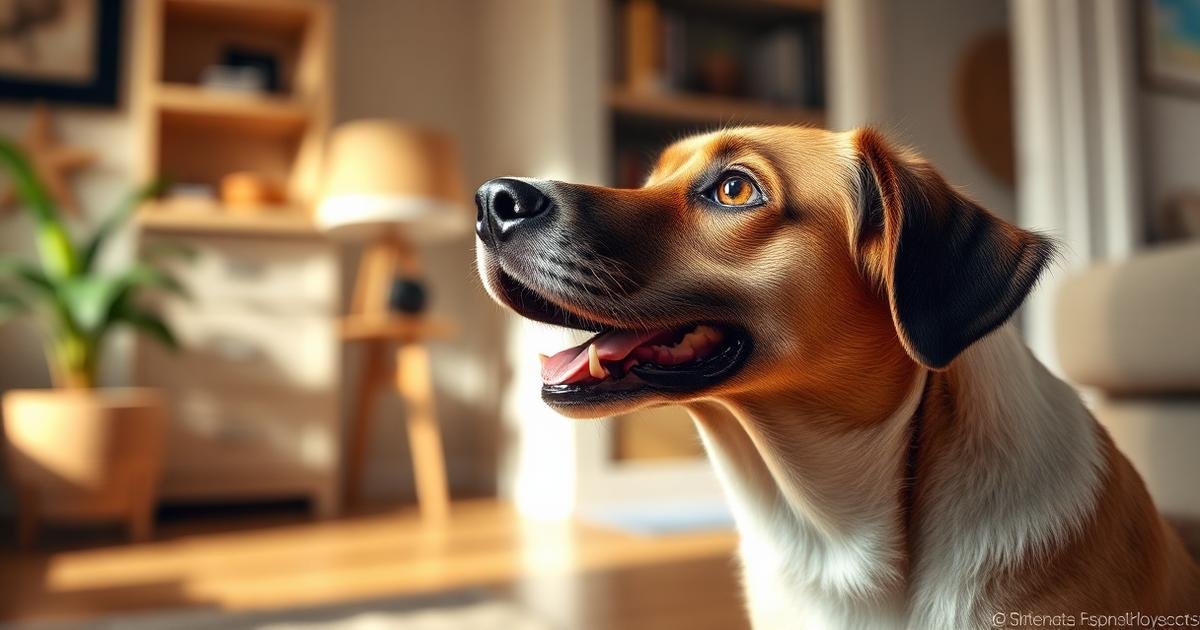
Your dog trembling, hiding, or panting during thunderstorms or fireworks isn't a training failure — it's a genuine fear response that needs a compassionate, structured solution. The dog scared of loud noises solution starts with understanding the root cause of the phobia: lack of early socialization, a traumatic noise event, genetic predisposition in certain breeds, or a general anxiety disorder. You don't need to silence the world — you need to change how your dog experiences it. This guide gives you a complete, step-by step plan to help your dog feel safe, starting today.
Dog scared of loud noises solution: The best solution for a dog scared of loud noises combines immediate safety measures (a quiet den, white noise, pressure wraps) with long-term behavior modification like desensitization and counter-conditioning. Medications or supplements from your vet can help severe cases, but the foundation is al
Quick Answer: What Is the Best Solution for a Dog Scared of Loud Noises?
The best solution for a dog scared of loud noises combines immediate safety measures (a quiet den, white noise, pressure wraps) with long term behavior modification like desensitization and counter-conditioning. Medications or supplements from your vet can help severe cases, but the foundation is always a predictable, calm environment and structured training over 4–8 weeks.
For a complete guide on this topic, see the Dog Behavior Guide.
This dog scared of loud noises solution decision works best when the owner compares daily fit, tolerance, and practical consistency together.

Why Your Dog Is Terrified of Loud Noises
It feels heartbreaking to watch your dog panic during a storm or fireworks display. But this fear isn't a choice or a sign of a weak willed dog — it's a deep, instinctive survival response. Here are the most common root causes.
For many homes, the right dog scared of loud noises solution choice is the one that stays reliable under ordinary daily conditions.
Lack of Early Socialization
Puppies who don't experience a variety of sounds during their critical socialization window (3–16 weeks) often grow into dogs who find unexpected noises terrifying. The
Traumatic Noise Event
One bad experience can create a phobia that lasts a lifetime. If your dog was caught in a sudden, loud explosion — a close lightning strike, a firework landing nearby, or a car backfiring inches away — their brain may have permanently tagged loud noises as dangerous. This isn't about personality; it's about a wired in survival memory.
Genetic Predisposition
Some breeds are statistically more prone to noise phobias. Herding breeds like Collies and Australian Shepherds, as well as many sporting breeds, tend to be more sound-sensitive. A 2020 study published in Frontiers in Veterinary Science found that herding dogs were nearly twice as likely to show fear of noises compared to other breed groups. If your dog's breed is predisposed, you're not doing anything wrong — you're just starting from a different baseline.
Generalized Anxiety Disorder
Dogs who are anxious in general — who struggle with separation, new people, or changes in routine — often have noise phobia as one symptom of a broader anxiety problem. According to the
Sensory Sensitivity During Senior Years
Older dogs can develop noise phobia even if they never had it before. Canine cognitive dysfunction (doggie dementia) and age related hearing loss can make sounds feel confusing or threatening. A dog who suddenly becomes scared of noises at age 10 or older needs a vet check first, as this can also signal pain or neurological decline.
Pro Tip: Never punish your dog for being scared. Yelling or forcing them to "face their fear" makes the phobia worse. Your calm, predictable presence is the most powerful tool you have. Reward any moment of calm, even if it lasts only 3 seconds.
Match Your Dog's Behavior to the Root Cause
Match your dog's specific behavior to find the fastest fix:
| What you observe | Likely root cause | First fix to try |
|---|---|---|
| Pacing, panting, drooling during storms but calm otherwise | Isolated noise phobia (thunder specifically) | Create a sound proofed den with white noise and offer a Thundershirt style pressure wrap within 5 minutes of storm onset |
| Hiding under furniture, refusing to eat or drink during fireworks | Traumatic event or generalized fear of sudden loud sounds | Close all curtains, play classical music at high volume, and move your dog to an interior room away from windows |
| Shaking, whining, and following you constantly during any loud noise | Generalized anxiety or separation anxiety triggered by noise | Start a structured routine of 45 minutes of exercise daily plus 10 minutes of calm training before expected noise events |
| Only scared of specific sounds (construction, vacuums, sirens) but fine with others | Learned fear from a single bad experience | Use counter-conditioning: play the sound at very low volume while giving high value treats, increasing volume over 2–3 weeks |
| Suddenly developed noise fear at age 8+ with no prior history | Underlying health issue or cognitive decline | Schedule a vet visit within 1 week to rule out pain, hearing loss, or canine cognitive dysfunction |
| Destructive behavior (scratching doors, chewing walls) during noise events | Panic level anxiety — not misbehavior | Consult a veterinary behaviorist; this level of fear often requires short term medication alongside training |
When This Is NOT Just Behavior — Health Red Flags
A sudden onset of noise phobia in an adult dog — especially one over 7 years old — deserves a veterinary evaluation before you start any training program. According to the
Watch for these red flags:
- Limping, stiffness, or reluctance to jump on furniture alongside noise fear — could indicate arthritis pain made worse by tension
- Obsessive licking or chewing of one specific body part during noise events — may point to a localized pain source like a tooth abscess or skin infection
- Sudden noise phobia combined with disorientation, staring at walls, or changes in sleep wake cycles — possible canine cognitive dysfunction
- Excessive panting, drooling, or vomiting during noise events that doesn't stop when the noise ends — could indicate a pain crisis or systemic illness
Pro Tip: If your dog has always been fine with loud noises and suddenly develops fear after age 7, schedule a full vet workup within 2 weeks. Pain and cognitive decline are common in senior dogs and respond better to medical treatment than training alone.
The Enrichment Protocol for Noise Phobic Dogs
Before you buy any products or start any training program, you need to build a foundation of enrichment that reduces your dog's overall stress levels. A tired, mentally stimulated dog has a much higher threshold for fear. Follow this protocol daily for at least 2 weeks before expecting significant improvement.
- Physical exercise — at least 45 minutes of active exercise daily. For high energy breeds, this means a brisk walk, jog, or fetch session that leaves them slightly winded. Exercise before expected noise events (like before fireworks at dusk) is especially effective.
- Mental stimulation — 15 minutes of puzzle feeders or frozen Kongs. Stuff a Kong with wet food, plain yogurt, and a few kibble pieces, then freeze it overnight. Give it to your dog 20 minutes before a noise event starts. The licking and chewing releases calming endorphins.
- Sniff walks — 20 minutes of unstructured sniffing on a long leash. Let your dog choose the route and stop to sniff anything interesting. Sniffing lowers cortisol levels and builds confidence. It's one of the most underrated tools for anxious dogs.
- Chew outlet — provide an appropriate chew toy daily. Bully sticks, Himalayan chews, or rubber toys stuffed with treats give your dog a healthy outlet for nervous chewing energy. Avoid rawhide, which can cause choking or digestive blockages.
- Training session — 10 minutes of calm, reward based training daily. Focus on "settle" or "place" commands — teaching your dog to relax on a specific mat or bed. Reward any sign of calm behavior with a quiet "yes" and a treat. This builds a bridge to the crate den you'll use during noise events.
What to Look For in Products That Help Noise Phobic Dogs
Once you've established the enrichment foundation, you can consider products that support your dog during noise events. But never use products as a substitute for training — they're tools, not solutions. Here's what to look for.
Pressure Wraps and Anxiety Wraps
Look for a wrap made from breathable, stretchy fabric that applies gentle, even pressure across the torso. The pressure mimics the feeling of being held, which releases calming hormones in many dogs. Avoid wraps with hard plastic buckles or rough seams that could dig into your dog's skin during a panic event. Most dogs need to wear the wrap for at least 15–20 minutes before the calming effect kicks in.
Calming Chews and Supplements
Look for products containing L-theanine, L-tryptophan, or colostrum calming complex. These ingredients have research backing for mild to moderate anxiety. Avoid products with melatonin if your dog has any health conditions — check with your vet first. Start any supplement 2–3 days before an expected noise event to build up effective levels in your dog's system.
Sound Dampening Tools
A white noise machine or a dedicated thunder playlist (many streaming services have them) played at a volume slightly louder than the scary noise can mask the triggering sounds. Look for machines with multiple sound options — some dogs prefer fan sounds, others prefer classical music. Test different sounds during calm times to find what your dog responds to best.
Pro Tip: Before buying any calming product, test it during a quiet day first. A dog who is already panicking won't accept a new wrap or chew. Introduce the tool during a calm moment, pair it with treats, and let your dog associate it with safety before the next storm or firework event.
Troubleshooting Matrix for Noise Phobia
| Behavior pattern | Likely cause | What to do |
|---|---|---|
| Dog trembles and hides but doesn't panic-destroy | Mild noise phobia — fear without panic | Provide a crate den with a blanket over it, play white noise, and give a frozen Kong. Improvement expected within 2–3 noise events. |
| Dog scratches at doors and windows during noise | Panic level anxiety with escape drive | Move dog to an interior room with no windows, use a pressure wrap, and consult a vet about short term anti-anxiety medication. Improvement takes 4–8 weeks with training. |
| Dog refuses to go outside during or after noise events | Generalized fear of the environment | Use a potty patch indoors temporarily. Resume outdoor walks with high value treats only when the dog shows interest. This resolves in 1–2 weeks with patience. |
| Dog is only scared of one specific sound (e.g., vacuum) | Learned fear from a single bad experience | Use counter-conditioning: play the sound at barely audible volume while feeding treats. Increase volume slowly over 2–3 weeks. Most dogs improve by research suggests 75% within 10 sessions. |
| Dog is fine during the day but panics at night during storms | Fear compounded by darkness and isolation | Keep a nightlight on, sleep in the same room as your dog, and offer a calming chew 30 minutes before bedtime. Improvement within 1 week of consistent routine. |
| Dog's noise phobia has gotten worse over 2+ years | Untreated anxiety that has generalized | Schedule a veterinary behaviorist appointment. This level of phobia often requires a combination of daily medication, training, and environmental management over 3–6 months. |
| Dog is destructive only during fireworks but calm during storms | Specific phobia to sudden, unpredictable sounds | Desensitize using firework sound recordings at low volume while rewarding calm behavior. Start 4–6 weeks before firework season for best results. |
Help your dog feel safe during every storm and celebration — find the right calming tools and training aids for your dog's specific needs.
Browse Dog Products →
For broader reference and guidance, akc.org provides useful context on pet health and care decisions.
For broader reference and guidance, petmd.com provides useful context on pet health and care decisions.
Frequently Asked Questions
My dog is only scared of loud noises at night — why?
Nighttime amplifies fear because of darkness, quiet surroundings, and your dog's natural vigilance. The lack of visual cues makes sounds feel closer and more threatening. Keep a nightlight on, play white noise, and let your dog sleep in your room to reduce nighttime panic.
Will my dog's noise phobia stop on its own as they get older?
No — in fact, noise phobia typically worsens with age if untreated. Each scary event reinforces the fear, making it more intense over time. The only way to improve the dog scared of loud noises solution is through active training, environmental management, and sometimes veterinary intervention.
Is noise phobia a sign of separation anxiety?
Not always, but the two conditions often occur together. A dog with separation anxiety may panic louder during noise events because their primary comfort (you) isn't present. If your dog shows fear of noises only when alone, treat both conditions simultaneously with a structured routine and professional guidance.
How long until I see improvement with the dog scared of loud noises solution?
With consistent daily enrichment and counter-conditioning, most dogs show research suggests 50% improvement within 2–3 noise events. Full resolution of severe phobia can take 4–8 weeks of daily training. Be patient — every small sign of calm is a victory worth celebrating.
Should I punish or ignore my dog when they're scared of noises?
Never punish a scared dog — it confirms their fear and damages your bond. Ignoring is also not helpful, as your dog needs your calm presence. Instead, stay neutral and offer comfort in the form of quiet presence, gentle petting, or a treat for any moment of calm.
My dog only panics during the first thunderclap but settles after — what's happening?
Your dog has a startle response to sudden, unpredictable sounds but can self soothe once they realize the threat isn't immediate. This is a milder form of noise phobia. Use pre storm prevention: give a calming chew and start white noise before the first thunderclap to prevent the startle entirely.
Learn more in our detailed guide on dog digging holes in yard why.