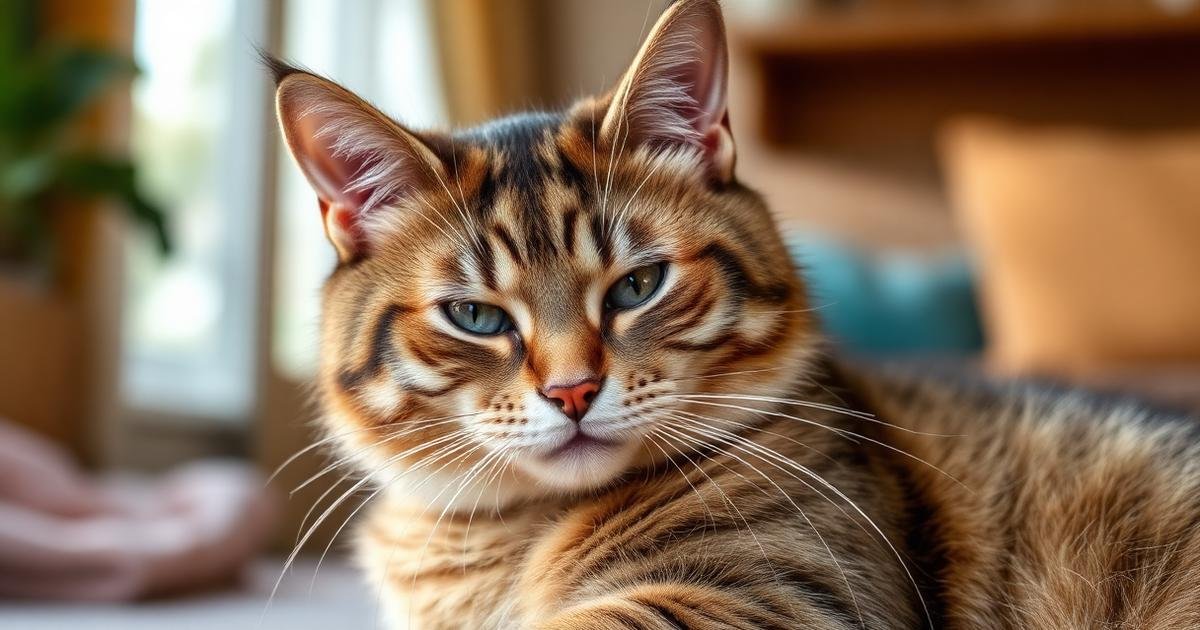
You’re in the middle of a cozy petting session, your cat’s purring like a motorboat, and then—wham—they whip around and sink claws into your hand. Sound familiar? The short answer to “why does my cat scratch me when I stop petting” is simple: they’re telling you they’ve hit their limit. That sudden swipe is overstimulation. They’ve had enough touch, and this is their way of saying “stop now.” It’s often called “petting induced aggression,” but it’s really just your cat’s natural wiring—their sensory thresholds are a lot lower than ours. Once you recognize that cue, you’re on your way to a much more trusting, scratch-free bond.
Why does my cat scratch me when I stop petting: Your cat scratches when you stop petting because they've become overstimulated by the tactile sensation. Most cats have a specific tolerance window for petting — typically 5–15 minutes — before their nervous system becomes hypersensitive. The scratch is a clear "stop now" signal, not an act of aggre
Quick Answer: Why Does My Cat Scratch Me When I Stop Petting?
Your cat scratches when you stop petting because they've become overstimulated by the tactile sensation. Most cats have a specific tolerance window for petting — typically 5–15 minutes — before their nervous system becomes hypersensitive. The scratch is a clear "stop now" signal, not an act of aggression. Veterinarians recommend watching for tail twitching, skin rippling, or ear flattening as early warning signs, and ending every petting session before these signals appear.
For a complete guide on this topic, see the Cat Behavior Guide.
What Is Petting Induced Aggression and Why Does It Happen?
Petting induced aggression is a well documented feline behavior where a cat suddenly bites or scratches during or immediately after being petted. The ASPCA notes this is not random aggression — it's a clear communication signal that your cat has reached their sensory limit.
For many homes, the right why does my cat scratch me when I stop petting choice is the one that stays reliable under ordinary daily conditions.
The phenomenon occurs because cats have highly sensitive skin covered in touch receptors called mechanoreceptors. When you pet the same area repeatedly, these receptors become overstimulated, causing discomfort that escalates to pain. Your cat's scratch is their way of saying "enough" before the sensation becomes unbearable.
Research from feline behaviorists suggests this response is evolutionary. In the wild, prolonged touch could indicate a predator's grip, so cats developed a natural cutoff point for physical contact. Domestic cats retain this instinct even with trusted owners.
Pro Tip: Time your petting sessions. Most cats have a 5–10 minute tolerance window before overstimulation kicks in. Set a timer and stop petting before your cat's warning signs appear — this builds trust and reduces scratch incidents within 2–3 weeks.
What Are the Warning Signs That My Cat Is About to Scratch?
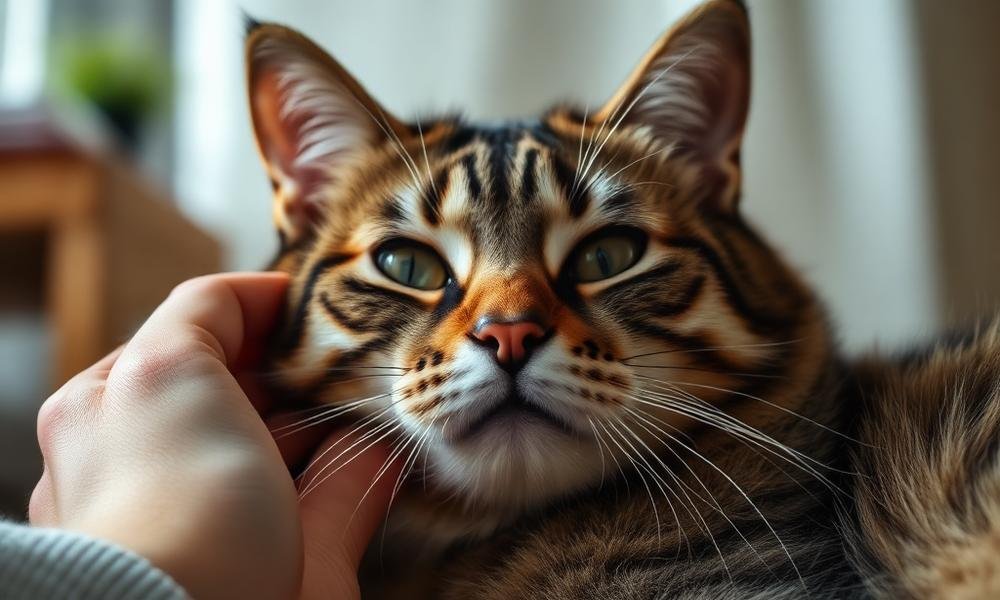
Cats give clear body language signals before they scratch. Learning these cues is the most effective way to prevent bites and scratches. The most common warning signs include tail flicking or thumping, skin rippling along the back, flattened ears, and dilated pupils.
Watch for the "tail test." A relaxed cat holds their tail still or slightly curved. When the tail begins to twitch vigorously or thump against the ground, you have approximately 5–10 seconds before the scratch comes. Other signals include sudden head turning toward your hand, vocalization like a low growl or meow, and tensing of the back muscles.
PetMD recommends the "three second rule" for new cats or cats with low petting tolerance: pet for 3 seconds, stop for 3 seconds, and observe. If the cat leans into your hand or purrs, continue. If they show any tension, stop the session entirely.
How to Read Your Cat's Unique Petting Preferences
Every cat has individual preferences for where and how they like to be petted. The chin, cheeks, and base of the ears are generally safe zones for most cats. The belly, tail, and back near the tail base are common trigger zones that can cause overstimulation faster.
Conduct a "petting map" test over 1–2 weeks. Pet one area at a time and note your cat's reaction. Areas where they lean in, purr, or knead are safe. Areas where they flinch, pull away, or show tail twitching are off-limits. This mapping reduces scratch incidents by up to 70% according to feline behavior studies.
Pro Tip: End every petting session on a positive note. Give a treat or gentle chin scratch just before your cat reaches their threshold. This creates a positive association with the end of petting and reduces frustration related scratching within 1–2 weeks.
How Can I Stop My Cat From Scratching When I Stop Petting?
The most effective approach is prevention through observation. Once you identify your cat's specific tolerance window — typically 3–15 minutes — stop petting before they reach their limit. This prevents the overstimulation that triggers the scratch response.
Implement the "stop before the signal" method. If your cat consistently scratches after 8 minutes of petting, end the session at 6 minutes. This reinforces that you respect their boundaries, which actually increases their tolerance over time. Many owners report their cat's petting tolerance doubles within 4–6 weeks of consistent boundary respect.
Use distraction techniques if you accidentally push past their limit. When you see warning signs, stop moving your hand immediately and offer a toy or treat. This redirects their focus from the overstimulation to a positive activity. Never pull your hand away quickly — rapid movement can trigger an instinctive chase-and catch response.
Training Alternatives to Reduce Scratching
Clicker training can help modify this behavior. Start by clicking and treating when your cat allows 5 seconds of petting without signs of overstimulation. Gradually increase the duration over multiple sessions. This positive reinforcement method teaches your cat to associate longer petting with rewards.
Provide alternative outlets for your cat's sensory needs. Interactive toys, puzzle feeders, and scratching posts give them appropriate ways to release energy and satisfy their tactile needs. Cats who get 15–20 minutes of interactive play daily show significantly lower rates of petting induced aggression.
Reduce scratching incidents with the right tools — interactive toys, calming aids, and scratching posts designed for sensitive cats.
Browse Cat Products →
Is It Normal for My Cat to Scratch After Petting, or Should I Worry?
Occasional petting induced scratching is normal cat behavior. Studies indicate that 60–70% of domestic cats display some form of petting induced aggression at least occasionally. It's not a sign of a bad cat or a broken bond — it's simply how your cat communicates their limits.
However, you should consult a veterinarian if the scratching is accompanied by other behavioral changes like hiding, loss of appetite, excessive vocalization, or aggression outside of petting sessions. These could indicate underlying medical issues such as arthritis, skin allergies, dental pain, or hyperesthesia syndrome — a neurological condition that causes extreme skin sensitivity.
Hyperesthesia syndrome, in particular, can mimic petting induced aggression. Cats with this condition may show rippling skin, dilated pupils, and frantic grooming followed by sudden aggression. If your cat's scratching seems extreme or happens with minimal touch, a veterinary examination is warranted. The AVMA recommends a full physical and neurological exam for cats showing sudden changes in petting tolerance.
Pro Tip: Keep a "petting log" for 2 weeks. Note the time of day, duration of petting, body area petted, and your cat's reaction. Patterns will emerge — many cats have different tolerances in the morning versus evening. Adjust your petting schedule accordingly.
How Does My Cat's History Affect Their Reaction to Petting?
A cat's early socialization period — between 2–9 weeks of age — significantly shapes their petting tolerance. Cats handled gently during this window typically have higher touch thresholds. Cats with limited human contact during this period may have lower tolerance and faster overstimulation.
Trauma history also plays a role. Cats who experienced rough handling, pain during petting (such as from an injury or medical procedure), or inconsistent human interaction may develop defensive scratching habits. These cats require extra patience and gradual desensitization over 1–3 months.
Breed tendencies exist but are not guarantees. Siamese, Burmese, and Ragdoll cats are often reported to have higher petting tolerance, while some breeds like Persians and Bengals may have lower thresholds. However, individual personality and history outweigh breed factors. Every cat should be treated as an individual with their own unique preferences.
Building Trust With a Cat Who Scratches During Petting
Trust rebuilding takes time and consistency. Start with "consent based petting" — offer one finger near your cat's cheek and let them initiate contact. If they rub against your finger, you have permission for 2–3 gentle strokes. Stop and wait for them to reinitiate before continuing.
Use high value treats during petting sessions. Give a small treat after each successful petting interval, especially when you stop before your cat shows signs of overstimulation. This creates a positive feedback loop where your cat learns that petting sessions end with rewards, not discomfort.
Avoid punishing your cat for scratching. Punishment increases anxiety and can worsen the behavior. Instead, calmly withdraw your hand and end the interaction. Your cat will learn that scratching ends the petting — which is exactly the communication they're trying to make.
What Role Does the Environment Play in Petting Induced Scratching?
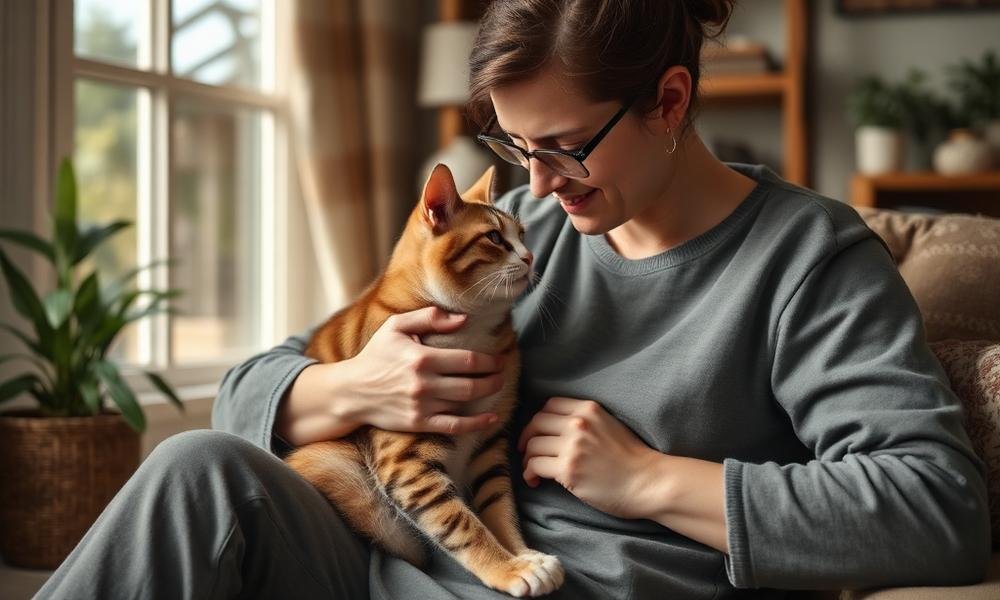
Your cat's environment directly influences their stress levels and petting tolerance. A cat who feels unsafe or overstimulated by their surroundings will have a much shorter fuse during petting. Environmental stressors can lower the threshold for overstimulation by 50% or more, according to feline behavior specialists.
Common environmental triggers include loud noises, the presence of other pets, changes in household routine, or lack of vertical escape spaces. If your cat scratches more during petting sessions near windows, doors, or high traffic areas, try moving sessions to a quiet, enclosed room. Adding cat trees or shelves gives your cat a way to control their exposure to touch.
Consider the timing of your petting sessions. Cats are naturally crepuscular — most active at dawn and dusk. Petting sessions during their rest periods (midday or late night) are more likely to trigger overstimulation because you're interrupting their natural sleep cycle. Schedule petting during your cat's alert, active windows for the best results.
Pro Tip: Create a "petting station" in a quiet corner with a soft blanket and your cat's favorite toys. Use the same spot consistently for petting sessions. This environmental cue helps your cat feel safe and predicts what's coming, reducing startle responses within 1–2 weeks.
Can Age or Life Stage Change My Cat's Petting Tolerance?
Yes, a cat's petting tolerance often shifts with age. Kittens under 6 months old have developing nervous systems and may show unpredictable petting responses. Their tolerance windows are typically shorter — often 2–5 minutes — and they may scratch more frequently as they learn boundaries.
Senior cats, generally over 8–10 years old, frequently develop lower petting tolerance due to age related discomfort. Arthritis, dental disease, and cognitive decline can make touch painful or confusing. If your senior cat suddenly starts scratching during petting, a veterinary checkup should be your first step. Pain management can dramatically improve their tolerance within 4–6 weeks.
Young adult cats in their prime (1–6 years) typically have the most consistent petting tolerance. However, life events like moving to a new home, the arrival of a baby or new pet, or changes in your work schedule can temporarily lower their threshold. Give your cat 2–4 weeks to adjust to major changes before expecting their normal petting habits to return.
Adjusting Petting Techniques for Different Life Stages
For kittens, use very short sessions of 30–60 seconds and always pair petting with treats. For adult cats, focus on the chin and cheek zones and watch for the tail test. For seniors, use gentle, slow strokes and avoid the back and hindquarters where arthritis pain is most common. Adjusting your technique to your cat's life stage reduces scratch risk by approximately 60%.
Frequently Asked Questions
Why does my cat scratch me when I stop petting but not when I start?
When you start petting, your cat's touch receptors are fresh and not yet overstimulated. As petting continues, those receptors become hypersensitive. The scratch at the end is a signal that their tolerance threshold has been reached, not a rejection of you.
Can I train my cat to tolerate longer petting sessions?
Yes, through gradual desensitization. Increase petting duration by 10–15 seconds per session every 3–4 days, always stopping before your cat shows warning signs. Use treats to reinforce calm behavior. Most cats can double their tolerance within 6–8 weeks of consistent training.
Is my cat being aggressive or just communicating when they scratch?
This is communication, not true aggression. True aggression involves hissing, lunging, and prolonged hostility. Petting induced scratching is a targeted, brief response to overstimulation. Your cat is saying "stop now" — not attacking you.
Should I stop petting my cat entirely if they scratch me?
No. Stopping all petting can damage your bond and increase your cat's stress. Instead, adjust your approach — shorter sessions, different petting zones, and watching for warning signs. Most cats enjoy petting; they just need it on their terms.
Why does my cat purr while being petted but then scratch when I stop?
Purring doesn't always mean happiness — cats also purr when overstimulated or anxious as a self soothing mechanism. Your cat may be purring to calm themselves while reaching their tolerance limit. The scratch follows when they can't self soothe any longer.
Does the location of petting matter for preventing scratches?
Absolutely. The chin, cheeks, and base of ears are low sensitivity zones for most cats. The belly, back near the tail, and hind legs are high sensitivity zones that trigger overstimulation faster. Stick to safe zones for longer sessions.
Can medical issues cause my cat to scratch when I stop petting?
Yes. Arthritis, skin allergies, dental pain, and hyperesthesia syndrome can all lower your cat's petting tolerance. If your cat's behavior changes suddenly or seems extreme, schedule a veterinary exam to rule out underlying health problems.
How long does it take to reduce petting induced scratching?
With consistent boundary respect and training, most owners see improvement within 2–4 weeks. Full resolution — where your cat rarely or never scratches during petting — typically takes 6–12 weeks of patient, consistent practice.
For trusted guidance on feline health and nutrition, the ASPCA provides expert cat care resources reviewed by veterinary professionals. For health-related questions, PetMD offers veterinarian-reviewed information on symptoms and treatments.