
Knowing can be the difference between a minor issue and a life threatening emergency. As a general rule, you should seek veterinary care immediately if your dog is experiencing difficulty breathing, has been hit by a car, is bleeding profusely, has ingested a known toxin, or is having seizures. For non emergency concerns, a vet visit is warranted for any symptom that persists for more than 24 hours, including vomiting, diarrhea, lethargy, or loss of appetite.
When to take dog to vet: Take your dog to the vet immediately if you observe any of these: difficulty breathing, uncontrolled bleeding, ingestion of a known poison (like chocolate, xylitol, or rat bait), seizures, collapse, inability to stand, bloat (distended abdomen with unproductive retching), or trauma (hit by car, fall
Quick Answer: What Are the Absolute Red Flags That Require an Immediate Vet Visit?
Take your dog to the vet immediately if you observe any of these: difficulty breathing, uncontrolled bleeding, ingestion of a known poison (like chocolate, xylitol, or rat bait), seizures, collapse, inability to stand, bloat (distended abdomen with unproductive retching), or trauma (hit by car, fall, or fight). For non-emergencies, schedule a visit if vomiting or diarrhea lasts more than 24 hours, if your dog stops eating for 24 hours, or if you notice a new lump, lameness, or eye injury. Acting within the first 2 hours of symptom onset can drastically improve outcomes.
For a complete guide on this topic, see the Ultimate Guide To Dog Health.
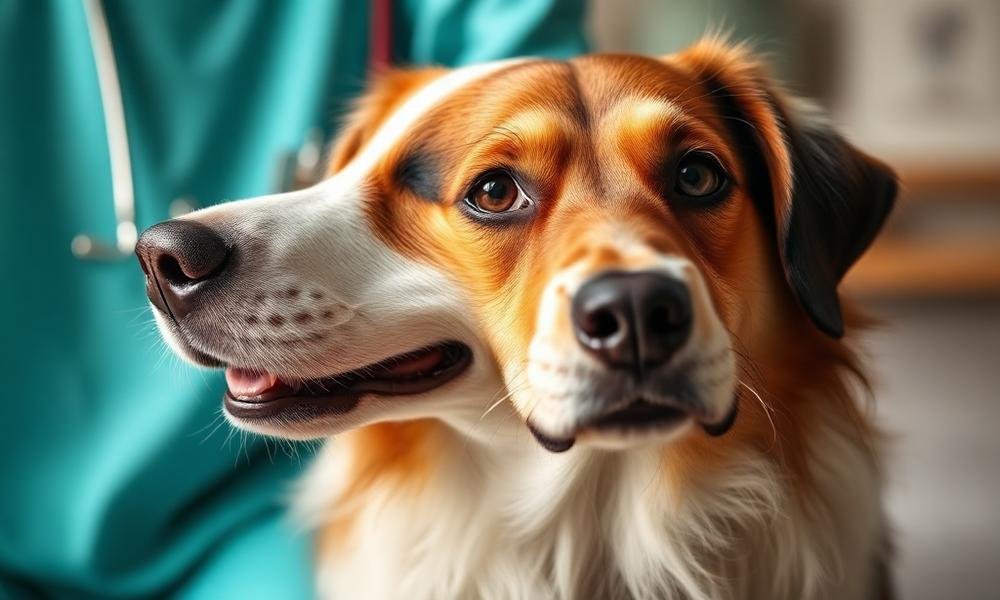
Why Do Dogs Hide Symptoms and How Does That Affect When to Take Dog to Vet?
Dogs are biologically programmed to hide signs of illness and pain. In the wild, showing weakness makes an animal a target for predators, so your dog will often act normal until the problem is advanced. This survival instinct means that by the time you notice obvious symptoms, the issue may already be serious.
This is why knowing based on subtle changes is crucial. A dog that is "just a little off" — sleeping more, eating less enthusiastically, or avoiding stairs — may be in significant discomfort. Veterinarians recommend that any behavioral change lasting more than one day warrants a professional evaluation.
Pro Tip: Learn your dog's baseline. Count their resting respiratory rate (normal is 15–30 breaths per minute), feel their gum color (should be bubble gum pink), and note their normal energy level. Any deviation from this baseline is your earliest warning sign to act.
What Are the 9 Emergency Signs That Mean Take Dog to Vet Right Now?
Respiratory Distress
If your dog is struggling to breathe — open mouthed breathing when at rest, blue or pale gums, or making choking sounds — this is a life threatening emergency. Get to the nearest emergency vet immediately.
Trauma and Bleeding
Any dog hit by a car, even if they appear fine, needs immediate evaluation for internal injuries. Uncontrolled bleeding from a wound, nose, or mouth also requires urgent care. Pressure can be applied to external wounds while en route.
Ingestion of Toxins
Common household dangers include chocolate, xylitol (often in sugar free gum), grapes, raisins, onions, garlic, and rodenticides. If you witness or suspect ingestion, call the ASPCA Animal Poison Control Center (888-426-4435) or your vet immediately. Do not induce vomiting unless instructed.
Bloat (Gastric Dilatation-Volvulus)
Bloat is a condition where the stomach twists on itself. Signs include a distended, hard abdomen, unproductive retching (trying to vomit but nothing comes up), restlessness, and drooling. This is fatal within hours without surgery. Deep chested breeds like Great Danes and German Shepherds are at highest risk.
Seizures
A single seizure lasting less than 2 minutes is not usually an emergency, but you should still contact your vet. However, if a seizure lasts more than 5 minutes, or if your dog has multiple seizures in 24 hours (cluster seizures), this is a medical emergency requiring immediate veterinary intervention.
Collapse or Inability to Stand
If your dog suddenly collapses, cannot stand, or is weak in the hind legs, this could indicate a spinal injury, blood clot, or severe metabolic issue. This requires immediate emergency care.
Eye Injuries
A bulging eye, cloudy cornea, visible injury, or a dog pawing at its eye are emergencies. Eye problems can worsen rapidly and lead to blindness if not treated within hours.
Heatstroke
Signs include excessive panting, drooling, bright red gums, vomiting, and collapse. Move your dog to a cool area, apply cool (not cold) water to the body, and get to a vet immediately. Heatstroke can cause organ failure within minutes.
Urinary Obstruction
If your dog is straining to urinate, producing little to no urine, or crying out when trying to pee, this is a blockage — most common in male dogs. This is a life threatening emergency that requires immediate catheterization or surgery.
Pro Tip: Program your nearest 24-hour emergency vet's phone number into your phone right now. When you're panicking, you won't want to search online. Also keep the ASPCA Poison Control number (888-426-4435) handy — they charge a fee but provide life saving guidance.

When Should You Take Your Dog to the Vet for Vomiting and Diarrhea?
One isolated episode of vomiting or soft stool is usually not a vet emergency, especially if your dog is acting normal. You can typically withhold food for 12–24 hours (water should always be available) and then reintroduce a bland diet of boiled chicken and white rice in small portions.
However, you should take your dog to the vet if: vomiting or diarrhea persists for more than 24 hours, there is blood in the vomit or stool (bright red or dark/tarry), your dog is also lethargic or has a fever, or if the vomiting is projectile. Puppies, senior dogs, and small breeds can dehydrate very quickly — within 12–24 hours — so err on the side of caution with these groups.
According to the American Kennel Club (AKC), chronic vomiting or diarrhea can also indicate underlying conditions like pancreatitis, inflammatory bowel disease, or dietary indiscretion that requires diagnostic testing. For more on managing these issues, see our guide on when to take dog to vet for digestive problems.
What Are the Subtle Signs of Pain That Indicate You Should Take Your Dog to the Vet?
Pain in dogs often manifests in ways owners misinterpret as "bad behavior" or "just getting old." Common subtle signs include excessive panting when not hot, reluctance to jump onto furniture, stiffness after lying down, and changes in posture such as a hunched back. Your dog may also lick a specific area obsessively, which can indicate localized pain from arthritis, a dental abscess, or a skin infection.
Behavioral changes are equally telling. A dog that suddenly becomes aggressive when touched, hides more often, or stops greeting you at the door is likely in pain. If these signs persist for more than 48 hours, schedule a vet visit. Early intervention for pain — such as joint supplements or anti inflammatory medication — can improve quality of life within 2–3 weeks. According to the American Veterinary Medical Association (AVMA), untreated pain can lead to chronic stress, weakened immune function, and faster disease progression.
Pro Tip: Video your dog's behavior at home — especially limping, tremors, or unusual postures. Dogs often mask symptoms at the vet's office due to adrenaline. A 30-second video can give your vet a clearer picture than a verbal description.

How Does a Dog's Age and Breed Affect When You Should Take Them to the Vet?
Age is one of the most critical factors in deciding . Puppies under 6 months old have immature immune systems and can deteriorate rapidly from infections or parasites. Any vomiting, diarrhea, or lethargy in a puppy that lasts more than 12 hours warrants a vet visit. Also, puppies are prone to congenital issues like portosystemic shunts or heart murmurs that may only show subtle signs like poor growth or occasional vomiting.
Senior dogs (age 7 and up for most breeds, 5 for giant breeds) should be seen at the first sign of any change — not after 24 hours. Age related conditions like kidney disease, diabetes, arthritis, and cognitive dysfunction progress quietly. A senior dog that drinks more water, has accidents in the house, or seems confused needs a vet visit within 24 hours. Twice yearly bloodwork is recommended for all seniors to catch organ dysfunction early.
Breed also matters. Brachycephalic breeds like Bulldogs, Pugs, and French Bulldogs are prone to breathing issues and heatstroke — any respiratory distress in these breeds is an immediate emergency. Deep chested breeds like Great Danes, German Shepherds, and Standard Poodles are at high risk for bloat. Small breeds like Chihuahuas and Yorkies are prone to tracheal collapse and dental disease, so a persistent cough or bad breath warrants a prompt checkup.
Is your dog showing concerning symptoms? Don't wait — get the right health products and support to keep them safe.
Browse Dog Health Options →
What Are the Non Emergency Reasons to Schedule a Vet Visit?
Persistent Lethargy
If your dog is sleeping more than usual or seems uninterested in walks, play, or food for 2 days or more, schedule a vet visit. Lethargy can be a sign of infection, pain, anemia, or metabolic disease.
Lameness or Limping
A limp that lasts more than 48 hours, or any limp in a puppy, warrants a vet exam. Causes range from a simple sprain to a torn cruciate ligament, hip dysplasia, or a foreign object lodged in the paw. Do not give human pain relievers like ibuprofen or acetaminophen — these are toxic to dogs.
Skin Issues and Lumps
Any new lump or bump that persists for more than 2 weeks should be checked. Your vet may recommend a fine needle aspirate to determine if it's benign or malignant. Similarly, persistent scratching, hair loss, or red skin could indicate allergies, parasites, or infection.
Changes in Appetite or Thirst
A sudden increase in thirst (polydipsia) and urination can be early signs of diabetes, kidney disease, or Cushing's disease. Conversely, a dog that stops eating for 24 hours needs evaluation. Weight loss without diet change is also a red flag.
Behavioral Changes
Aggression, anxiety, or sudden fearfulness can be pain-related. A dog that is normally friendly but starts growling when touched may have an underlying injury or arthritis. Cognitive dysfunction (dementia) in senior dogs also warrants a vet check to rule out medical causes.
Pro Tip: Keep a "symptom diary" for your dog. Note when the symptom started, its frequency, and any triggers. This information is invaluable to your vet and can lead to a faster diagnosis. Take a video of the symptom if possible — dogs often act normal at the vet's office.
How Often Should You Take a Healthy Dog to the Vet for Preventive Care?
Even if your dog appears perfectly healthy, annual wellness exams are essential. These visits allow your vet to detect problems early — before they become obvious or expensive. For senior dogs (typically age 7 and up, or 5 for giant breeds), twice yearly exams are recommended.
During a wellness visit, your vet will perform a thorough physical exam, check teeth and gums, listen to the heart and lungs, palpate the abdomen, and recommend preventive care like vaccinations, heartworm testing, and bloodwork. The American Veterinary Medical Association (AVMA) states that regular preventive care is the most cost effective way to manage your dog's health.
Puppies require a different schedule: they typically need a series of vaccinations starting at 6–8 weeks of age, with boosters every 3–4 weeks until 16 weeks. Spaying or neutering is usually recommended between 6–9 months, though your vet can advise the best timing for your breed.
Frequently Asked Questions
How do I know if my dog is in pain?
Signs of pain in dogs include whining, whimpering, restlessness, panting when not hot, hiding, aggression when touched, limping, and changes in appetite or sleep. Dogs often become withdrawn or irritable. If you suspect pain, especially if it persists more than 24 hours, schedule a vet visit.
Can I wait 24 hours before taking my dog to the vet for vomiting?
Yes, if it's a single episode and your dog is otherwise acting normal. Withhold food for 12 hours and offer water. If vomiting continues beyond 24 hours, or if you see blood, lethargy, or repeated episodes, take your dog to the vet immediately.
Is it an emergency if my dog ate chocolate?
It depends on the type and amount. Dark and baking chocolate are more toxic than milk chocolate. A good rule: if your dog ate more than 1 ounce of milk chocolate per pound of body weight, call your vet or the ASPCA Poison Control. Symptoms include vomiting, diarrhea, hyperactivity, and seizures.
When should I take my dog to the vet for limping?
If the limp is severe (non-weight-bearing) or persists for more than 48 hours, see a vet. Also seek care immediately if there is an open wound, swelling, or if your dog cries out when touched. Puppies with limping should be seen sooner as growth plate injuries are common.
How long can a dog go without eating before seeing a vet?
If your dog refuses food for more than 24 hours, you should schedule a vet visit. For puppies, small breeds, or dogs with underlying health conditions, this window is shorter — 12 hours is cause for concern. Loss of appetite can indicate serious issues like kidney disease or pancreatitis.
What are the signs of bloat in dogs?
Bloat signs include a distended, hard abdomen, unproductive retching (trying to vomit but nothing comes out), restlessness, pacing, drooling, and signs of distress. This is a life threatening emergency. Get to a vet immediately — every hour without treatment decreases survival odds.
Should I take my dog to the vet for a cough?
Yes, if the cough persists for more than a few days, is productive (mucus or blood), or is accompanied by lethargy, fever, or difficulty breathing. Kennel cough is common but can progress to pneumonia. A persistent cough can also indicate heart disease, especially in older dogs.
Is it normal for a senior dog to sleep more?
Increased sleep is common in senior dogs due to arthritis, cognitive decline, or normal aging. However, a sudden or dramatic increase in sleep, especially if combined with other symptoms like loss of appetite or confusion, warrants a vet check to rule out underlying disease.
For authoritative reference on canine health and care standards, the American Kennel Club (AKC) provides breed-specific guidance trusted by veterinary professionals. For health-related questions, PetMD offers veterinarian-reviewed information on symptoms and treatments.