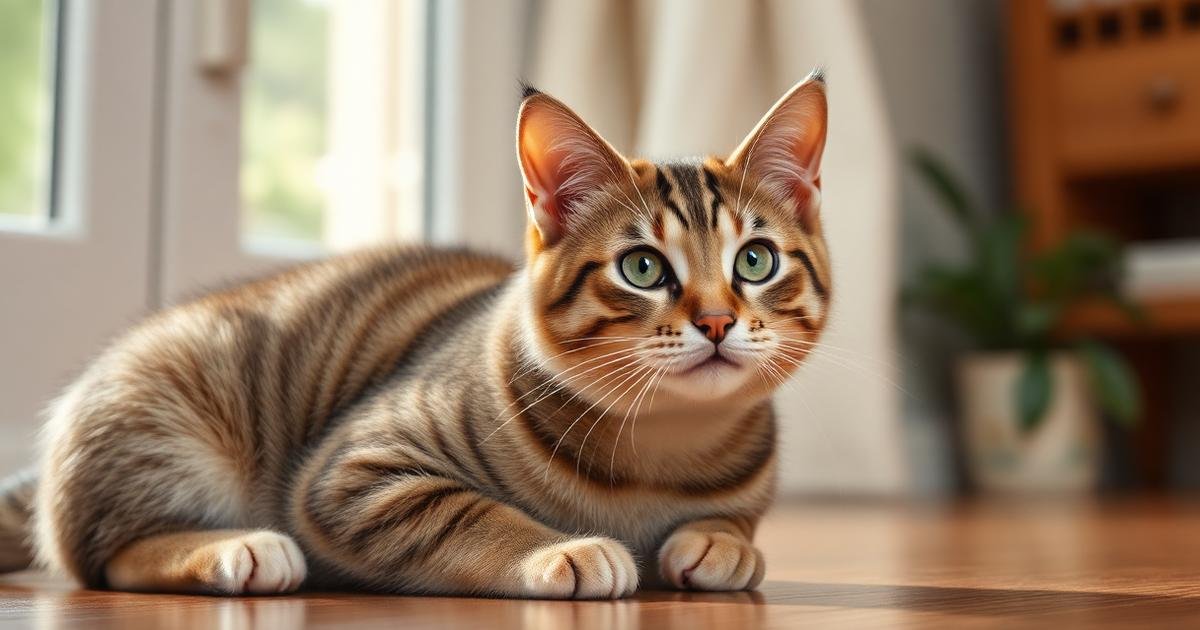
Want a peaceful home with your cat? Start by learning their language. Cats talk through body signals, meows, and daily habits—once you crack that code, you’ll know exactly what they need. Watch their ears, tail, and posture closely for a couple of weeks, and you’ll spot stress, affection, or irritation before things escalate. That little bit of observation turns your place into a safe haven where your cat feels truly understood and glued to your side.
Understanding cat behavior: Begin by observing your cat's tail position, ear orientation, and vocalizations for 10 minutes daily. A raised tail with a hooked tip signals friendliness, while flattened ears mean fear or irritation. Use this knowledge to adjust your interactions — avoid petting a cat with a swishing tail, as it i
Quick Answer: How Can I Start Understanding My Cat's Behavior Today?
Begin by observing your cat's tail position, ear orientation, and vocalizations for 10 minutes daily. A raised tail with a hooked tip signals friendliness, while flattened ears mean fear or irritation. Use this knowledge to adjust your interactions — avoid petting a cat with a swishing tail, as it indicates overstimulation. Most owners see improved communication within 2 weeks of consistent daily practice.
For a complete guide on this topic, see the Cat Behavior Guide.
What Are the Most Common Cat Behaviors and What Do They Mean?
Kneading, purring, and head butting are universal feline behaviors that signal comfort and trust. Cats knead on soft surfaces as a remnant of kittenhood nursing, releasing endorphins that reduce stress. Purring often indicates contentment, but cats also purr when injured or anxious — context matters. A cat that purrs while hiding may be self soothing rather than happy.
For many homes, the right understanding cat behavior choice is the one that stays reliable under ordinary daily conditions.
Head-butting (bunting) deposits scent from glands on a cat's cheeks, marking you as part of their territory. This is a high compliment in the feline world. If your cat sleeps on your bed, it's choosing your scent as a safe anchor, which strengthens your bond over 1–2 months. Sleeping on your pillow specifically means your cat associates your smell with safety and comfort.
A well matched understanding cat behavior option should support the pet clearly without making the routine harder to maintain.
Scratching furniture is not destructive behavior — it's a territorial and grooming necessity. Cats scratch to remove dead nail sheaths, stretch muscles, and leave visual and scent markers. Provide at least one scratching post per cat in high traffic areas to redirect this instinct within 1–2 weeks. Place the post near where your cat already scratches for the fastest adoption rate.
Most owners get better long term results when understanding cat behavior is judged through routine use rather than a single product claim.
Pro Tip: Place scratching posts near where your cat already scratches, not in a hidden corner. Cats prefer vertical posts for stretching and horizontal pads for stability — offer both to see which your cat prefers. Sprinkle catnip on the post for the first week to encourage use.

Why Does My Cat Suddenly Bite or Swat During Petting?
This is called petting induced aggression, and it occurs when a cat becomes overstimulated. Cats have sensitive nerve endings in their fur, and prolonged petting can become uncomfortable or painful. Watch for tail twitching, skin rippling, or flattened ears — these are your cat's polite warnings that they've had enough.
The average cat tolerates 5–10 minutes of petting before reaching their threshold. Stop petting at the first sign of agitation, not after a bite. Focus petting on the cheeks, chin, and base of the ears — the areas where scent glands are located — and avoid the belly, which is a vulnerable zone that triggers defensive reactions.
To prevent future incidents, end petting sessions on a positive note. Offer a treat or toy after stopping, which teaches your cat that being handled leads to rewards. Within 2–3 weeks, this routine reduces aggression incidents by building trust and predictability. Never punish a bite — it damages trust and increases fear based aggression.
How Can I Tell If My Cat Is Stressed or Anxious?
Cats show stress through subtle changes in body language and routine. Common signs include hiding more than usual, spraying urine outside the litter box, overgrooming (creating bald patches), or reduced appetite. A stressed cat may also become clingy or unusually aggressive toward people or other pets.
Environmental changes — a new pet, moving homes, or rearranged furniture — are top triggers. Cats are territorial creatures who thrive on routine. Provide at least 3–5 hiding spots (boxes, cat trees, or covered beds) in different rooms to give your cat control over their environment. Vertical space is especially calming, as cats feel safer observing from above.
Feliway diffusers (synthetic feline facial pheromones) can reduce stress within 1–2 weeks, according to research cited by the ASPCA. Supplement this with consistent feeding times and 15–20 minutes of interactive play daily. If symptoms persist beyond 4 weeks, consult a veterinarian to rule out medical causes like hyperthyroidism or dental pain.
Pro Tip: Create a "cat zone" with vertical space — shelves or cat trees at different heights. Cats feel safer when they can observe their territory from above, which reduces anxiety naturally within 1–2 weeks. Position these zones near windows for added enrichment.

What Does My Cat's Vocalizations Really Mean?
Cats have a vocabulary of at least 16 different vocalizations, each with distinct meanings. A short meow is a greeting, while a long, drawn out meow often indicates demand — usually for food or attention. A chirp or trill is a friendly greeting from a mother cat to her kittens, and your cat may use it with you as a sign of affection.
Hissing and growling are clear signs of fear or aggression. Never punish these sounds; instead, remove the trigger if possible. Yowling — a loud, prolonged howl — can indicate distress, pain, or mating behavior in unspayed cats. If your cat yowls frequently, especially at night, a vet check is warranted within 1 week to rule out medical issues.
Purring is the most misunderstood sound. While it often signals contentment, cats also purr at 25–150 Hz — a frequency that promotes bone healing and pain relief. If your cat purrs while hiding or refusing food, it may be self soothing due to illness. Pair purring with other body language cues for accurate interpretation of your cat's emotional state.
How Do I Stop My Cat From Waking Me Up at Night?
Nighttime activity is natural for cats, who are crepuscular (most active at dawn and dusk). To shift their schedule, engage your cat in 15–20 minutes of interactive play before bed. Wand toys that mimic prey movement — darting, pouncing, and chasing — are most effective at burning energy and satisfying hunting instincts.
Feed your cat their largest meal right after playtime. A full stomach promotes sleep, mirroring the "hunt-catch-eat-groom-sleep" cycle. Resist the urge to respond to nighttime meowing — any attention, even negative, reinforces the behavior. Within 2–3 weeks of consistent routine, most cats adapt to your sleep schedule.
Provide environmental enrichment for nighttime: puzzle feeders, window perches, or automated toys that activate during your sleep hours. This prevents boredom driven wake-ups. If your cat is under 2 years old, expect more nighttime energy — kittens need up to 3–4 play sessions daily to tire them out sufficiently.
Pro Tip: Use blackout curtains in your bedroom to block early morning light, which triggers your cat's instinct to hunt at dawn. Combine this with a consistent bedtime routine, and your cat will learn your schedule within 2 weeks. Feed breakfast at a fixed time, not when your cat wakes you.
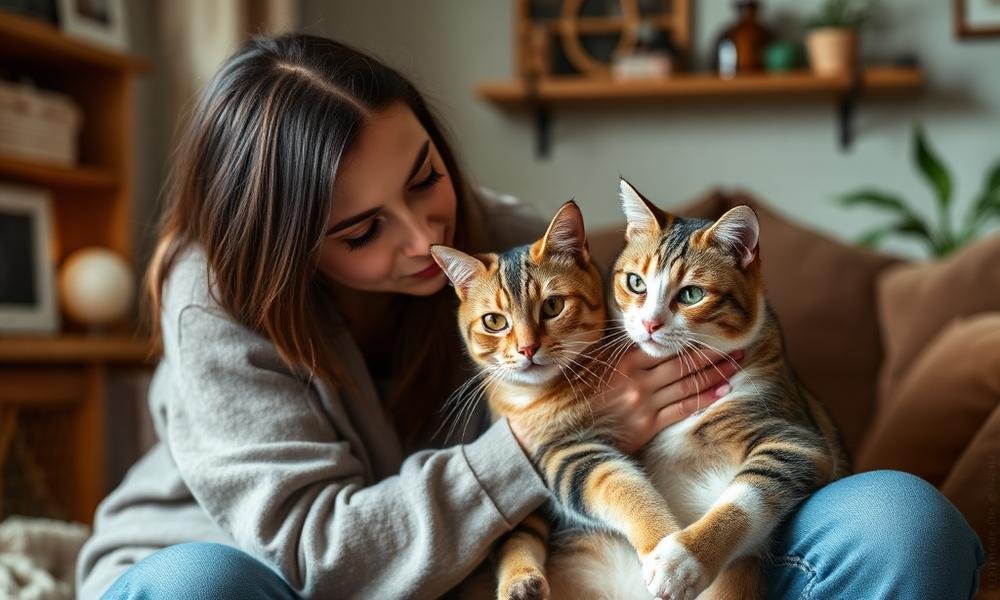
Why Does My Cat Follow Me to the Bathroom?
This behavior is rooted in curiosity and trust. Cats are drawn to closed doors because they represent mystery — they want to know what's happening in every part of their territory. Also, the bathroom contains your scent (towels, toiletries) and running water, which many cats find fascinating and entertaining.
Your cat also views you as a safe companion. Following you to the bathroom is a sign of attachment, not neediness. Some cats enjoy the warm, humid environment after a shower. If your cat scratches at the door, it's seeking reassurance — try leaving it slightly ajar to reduce their anxiety without fully compromising your privacy.
This behavior is normal and generally harmless. Only intervene if your cat shows signs of separation anxiety — such as excessive vocalization or destructive behavior when you're home. In most cases, allowing your cat to accompany you strengthens your bond without negative consequences. It's one of the clearest signals that your cat trusts you completely.
How Can I Read My Cat's Tail Language Accurately?
A cat's tail is one of the most expressive parts of their body. A tail held high with a slight hook at the tip signals confidence and friendliness — this is your cat's way of saying hello. A tail tucked between the legs indicates fear or submission, while a tail that thrashes rapidly side to side means your cat is overstimulated or annoyed.
A puffed up tail (piloerection) indicates intense fear or aggression. Your cat is trying to appear larger to intimidate a perceived threat. In this state, do not approach or try to comfort your cat — they may redirect aggression toward you. Instead, remove the trigger and give your cat space for 15–30 minutes to calm down naturally.
A tail that quivers at the base while held upright is a sign of excitement — often seen when your cat greets you at the door. This is a positive behavior that indicates your cat is happy to see you. A tail wrapped around your leg is the feline equivalent of a hug, showing deep trust and affection.
Pro Tip: Photograph your cat's tail positions over 1 week and label each with the context (feeding, petting, greeting). This visual journal helps you spot patterns faster and improves your reading accuracy within 2 weeks of practice.
What Does It Mean When My Cat Brings Me Dead Animals?
This is your cat sharing their "hunt" with you, viewing you as part of their social group. Mother cats bring dead prey to teach kittens how to eat — your cat may see you as an inept hunter who needs training. Praise calmly and dispose of the gift without scolding, as punishment confuses your cat's natural instincts.
To reduce hunting behavior, provide more interactive play sessions that mimic hunting — use wand toys to simulate prey movement for at least 15 minutes twice daily. A bell collar can alert birds and rodents to your cat's presence, reducing successful catches. For indoor cats, this behavior is rare; if it happens, it's usually through open doors or windows.
Outdoor cats are natural hunters, and bringing prey home is instinctive, not malicious. Never punish your cat for this behavior, as it damages trust. Instead, keep your cat indoors if you want to eliminate hunting entirely — indoor cats live an average of 12–15 years compared to 2–5 years for outdoor cats, according to the ASPCA.
Why Does My Cat Sleep in Strange Positions or Places?
Cat sleeping positions reveal a lot about their comfort level and trust in you. A cat sleeping on their back with their belly exposed feels completely safe — the belly is the most vulnerable area. A curled-up "loaf" position conserves warmth and indicates your cat is comfortable but alert enough to respond to threats.
Sleeping in high places like shelves or cat trees is an instinctive behavior from wild ancestors who slept in trees to avoid predators. If your cat sleeps in a box or enclosed space, they're seeking security and warmth. Cats prefer sleeping spots that are 70–80°F, which is why they gravitate toward sunny windowsills or warm electronics.
A cat that sleeps on your clothes or bed is choosing your scent as a comfort anchor. This is a strong sign of attachment and trust. If your cat suddenly changes sleeping locations — from your bed to a closet — it may indicate stress or illness, and a vet check is recommended within 1 week if other symptoms accompany the change.
Frequently Asked Questions
How long does it take to understand my cat's behavior?
Most owners notice significant improvement in reading their cat's cues within 2–3 weeks of daily observation. Focus on 10–15 minutes of intentional watching each day, noting ear position, tail movement, and vocalizations. Consistency is more important than duration — short daily sessions beat long weekly ones.
What does it mean when my cat blinks slowly at me?
A slow blink is a sign of trust and relaxation in cats. It's essentially a feline "I love you." Slow blink back at your cat to reinforce this positive communication — do this 2–3 times daily to deepen your bond. Avoid staring with wide eyes, which cats interpret as a threat.
Why does my cat knead on me and then bite?
Kneading releases endorphins and is a comfort behavior from kittenhood. The bite often occurs when your cat becomes overstimulated or when the kneading triggers a "play" response. Stop petting at the first sign of tail twitching to avoid the bite. Place a blanket between your skin and your cat's paws as a buffer.
How can I tell if my cat is playing or fighting?
Playful cats have loose, bouncy body language with ears forward and tails up. Fighting cats show flattened ears, puffed fur, hissing, and direct staring. Play sessions typically have pauses and role-switching, while fights are continuous with vocal distress. Interrupt fighting with a loud noise, not your hands.
Is it normal for my cat to sleep 16–18 hours a day?
Yes, cats are natural predators who conserve energy for hunting. Adult cats sleep an average of 12–16 hours daily, while kittens and seniors may sleep up to 20 hours. Only worry if sleep patterns change suddenly or are accompanied by lethargy or appetite loss. A healthy cat should be alert when awake.
Why does my cat bring me dead animals?
This is your cat sharing their "hunt" with you, viewing you as part of their social group. Mother cats bring dead prey to teach kittens how to eat — your cat may see you as an inept hunter. Praise calmly and dispose of the gift without scolding. A bell collar reduces successful catches by 50%.
How do I stop my cat from scratching furniture?
Provide at least one scratching post per cat, placed near the furniture they target. Cover the furniture with double sided tape or aluminum foil for 2–3 weeks to deter scratching. Reward your cat with treats when they use the post instead. Trim your cat's nails every 2 weeks to reduce scratch damage.
What does it mean when my cat's tail is puffed up?
A puffed tail (piloerection) indicates fear, surprise, or aggression. Your cat is trying to appear larger to intimidate a perceived threat. Remove the trigger if possible, and give your cat space to calm down — do not approach or try to comfort them immediately. Wait 15–30 minutes before interacting.
Strengthen your bond with the right tools — from calming diffusers to interactive toys that reduce stress.
Browse Cat Products →
For trusted guidance on feline health and nutrition, the ASPCA provides expert cat care resources reviewed by veterinary professionals. For health-related questions, PetMD offers veterinarian-reviewed information on symptoms and treatments.