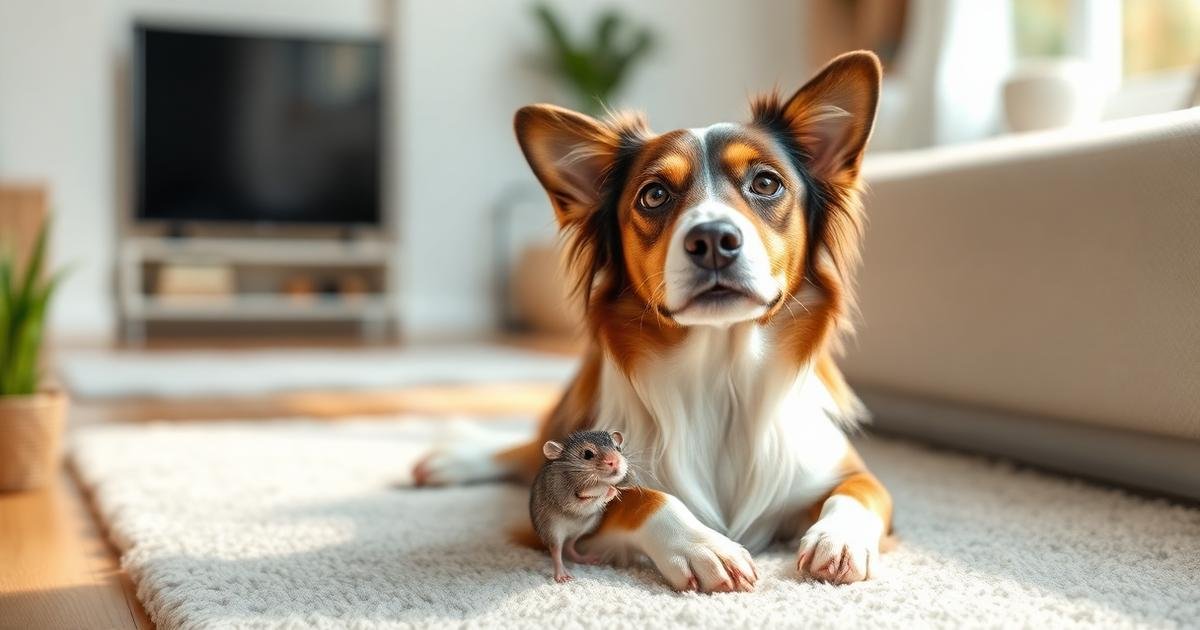
Rats make intelligent, social, and affectionate pets, but they require dedicated care to thrive. This pet rat care guide covers everything you need to know about housing, nutrition, health, and enrichment to ensure your rats live a happy, healthy life. From choosing the right cage to recognizing early signs of illness, you'll find actionable advice backed by expert sources. Whether you're a first time owner or looking to refine your setup, this guide gives you the specific steps to create a thriving environment for your furry companions.
Pet rat care guide: The best way to care for pet rats is to house at least two same-sex rats in a large, multi-level wire cage with solid flooring, feed a staple diet of high-quality lab blocks plus daily fresh vegetables, provide 1-2 hours of supervised out-of-cage time every day, and rotate enrichment items weekly to
Quick Answer: What is the best way to care for pet rats?
The best way to care for pet rats is to house at least two same sex rats in a large, multi level wire cage with solid flooring, feed a staple diet of high quality lab blocks plus daily fresh vegetables, provide 1-2 hours of supervised out-of cage time every day, and rotate enrichment items weekly to prevent boredom. Rats are highly social and intelligent, so companionship and mental stimulation are just as critical as proper nutrition and clean housing. A well-cared for rat will live 2-3 years and form a strong bond with you.
For a complete guide on this topic, see the Small Pet Care Guide.
This pet rat care guide decision works best when the owner compares daily fit, tolerance, and practical consistency together.

What size cage do pet rats need?
Your rats' cage is their home base, and size matters more than you might think. For two rats, the minimum recommended cage size is 2 cubic feet per rat, but bigger is always better. A cage measuring at least 24 inches long, 12 inches wide, and 12 inches tall per rat is a good starting point.
For many homes, the right pet rat care guide choice is the one that stays reliable under ordinary daily conditions.
Wire cages with a solid plastic base are ideal because they provide ventilation while preventing foot injuries. Avoid all glass aquariums — poor airflow traps ammonia from urine, which can cause respiratory infections in rats within weeks. The ASPCA specifically warns against aquarium style enclosures for this reason.
A well matched pet rat care guide option should support the pet clearly without making the routine harder to maintain.
Pro Tip: Choose a cage with bar spacing no wider than 0.5 inches. Baby rats can squeeze through gaps larger than that, and adult rats may get their heads stuck. Always check the spacing before buying. For dwarf rats, spacing of 0.4 inches or less is safer.
Multi level cages with ramps and platforms give rats vertical space to climb and explore. This mimics their natural environment and keeps them physically active. Place the cage in a quiet, draft free room away from direct sunlight and extreme temperatures. Avoid kitchens and bathrooms where temperature and humidity fluctuate.
Most owners get better long term results when pet rat care guide is judged through routine use rather than a single product claim.
For bedding, use paper based or aspen shavings. Avoid cedar or pine shavings — the phenols in these woods can damage your rats' respiratory system. Change the bedding at least once a week and spot clean daily to control odors. A deep layer of 2-3 inches allows for natural burrowing behavior, which rats love.
What should I feed my pet rats?
A balanced diet for optimal health
Rats need a diet that's high in protein (14-16%) and low in fat. The foundation of their diet should be a high quality lab block or pelleted rat food — these are nutritionally complete and prevent selective eating. Avoid seed mixes, as rats often pick out the tasty, fatty bits and leave the nutritious pellets behind. This can lead to nutritional deficiencies within 3-4 weeks.
Supplement their diet daily with fresh vegetables like broccoli, carrots, peas, and leafy greens. Fruits like apples, blueberries, and bananas can be given in small amounts as treats. Rats also need a small amount of animal protein once or twice a week — cooked egg, mealworms, or plain chicken works well. The AKC notes that rats are omnivores and benefit from varied protein sources.
Pro Tip: Never feed your rats raw beans, raw sweet potato, citrus fruits (which can cause kidney damage in male rats), or chocolate. Always wash fresh produce thoroughly to remove pesticide residues. Introduce new foods one at a time to monitor for digestive upset.
Fresh water must be available at all times. Use a water bottle with a metal sipper tube, and change the water daily. Check the bottle regularly to ensure it's not clogged — rats can dehydrate quickly if their water source fails. A backup water bowl is a good idea during hot weather.
Treats should make up no more than research suggests 5% of their daily intake. Healthy options include small pieces of whole wheat pasta, plain popcorn, or a single Cheerio. Avoid sugary treats, which can lead to obesity and dental problems. Rats have a sweet tooth and will overindulge if given the chance.

How much socialization do pet rats need daily?
Rats are among the most social rodents — they can develop depression and health issues if kept alone. You should always keep at least two same sex rats together. A lone rat may become lethargic, lose appetite, and develop stress related illnesses within 2-4 weeks. The AVMA emphasizes that rats are obligate social animals and should never be housed singly.
Beyond companionship, rats need daily interaction with you. Aim for at least 1-2 hours of supervised out-of cage time each day. This can be broken into shorter sessions — 30 minutes in the morning and 30 minutes in the evening works well for most owners. Use this time for bonding, training, and exploration. Rats that get less than 45 minutes of daily interaction often become skittish or nippy.
Rats are highly trainable and can learn tricks like spinning, fetching, and coming when called. Use positive reinforcement with small treats. Training sessions of 5-10 minutes are ideal — rats have short attention spans but learn quickly with consistency. Within 2-3 weeks of daily training, most rats can reliably learn 2-3 cues.
Provide enrichment inside the cage too. Rotate toys weekly — add cardboard tubes, paper bags, untreated wooden blocks, and fabric hammocks. Rats get bored with the same setup, so changing things up keeps them mentally stimulated. The ASPCA recommends providing a variety of textures and hiding spots to mimic natural foraging behavior. A bored rat is a destructive rat.
What are common health problems in pet rats?
Respiratory infections and tumors
Respiratory infections are the most common health issue in pet rats. According to
Tumors, particularly mammary tumors in female rats, are also common. Research suggests that spaying female rats before 6 months of age significantly reduces the risk of mammary tumors. Check your rats weekly for lumps or bumps, and have any new growths examined by a vet. Benign tumors can often be removed surgically with good outcomes.
Pro Tip: Find an exotic vet experienced with rodents before you bring your rats home. Regular check ups every 6-12 months can catch problems early, and having a vet lined up saves precious time in emergencies. Search for "exotic vet near me" and read reviews specifically about rodent care.
Dental problems are another concern — rat incisors grow continuously. Provide plenty of chew toys and wooden blocks to help wear them down naturally. Signs of overgrown teeth include drooling, weight loss, and reluctance to eat. A vet can trim overgrown teeth under sedation. Without proper chewing material, teeth can grow into the gums within 3-4 weeks.
Watch for changes in behavior, appetite, or activity level. Lethargy, hunched posture, and rough coat are general signs of illness. Quarantine new rats for 2 weeks before introducing them to your existing group to prevent disease spread. Weigh your rats weekly — a sudden weight loss of research suggests 10% or more warrants a vet visit.

How do I set up a rat proofed play area?
Rat proofing is essential before letting your rats roam freely. Rats can squeeze through gaps as small as 0.5 inches, so check for holes under cabinets, behind appliances, and along baseboards. Block access to electrical cords, toxic plants, and small objects they could swallow. A single unsupervised minute can lead to a chewed wire or a swallowed button.
Designate a specific room or area for playtime. Close doors and windows, and remove any hazards. A bathroom or small bedroom works well — just ensure the toilet lid is down and cleaning products are stored out of reach. Cover any floor vents, as rats can slip through standard vent covers.
Use playpens designed for small animals, or create a barrier with cardboard boxes or storage bins. Rats are excellent climbers, so the walls need to be at least 18 inches high and smooth to prevent escapes. Always supervise playtime — rats can get into trouble quickly if left unattended. A playpen with a solid floor prevents escapes and makes cleanup easier.
Provide a litter box in the play area. Rats are naturally clean and can be litter trained within 1-2 weeks. Place a small box with paper based litter in a corner they frequently use, and reward them with a treat when they use it correctly. This makes cleanup much easier and keeps your play area hygienic.
How do I choose the best bedding for my rats?
Bedding choice directly impacts your rats' respiratory health. Paper based beddings like Carefresh or Kaytee Clean & Cozy are excellent choices — they are dust-free, absorbent, and safe if ingested. Aspen shavings are another good option, providing natural odor control without harmful phenols.
Avoid cedar and pine shavings entirely. These softwoods contain aromatic oils that can cause chronic respiratory irritation and liver damage in rats. The effects accumulate over time, with symptoms often appearing after 4-6 weeks of exposure. Kiln dried pine is sometimes marketed as safe, but many exotic vets still recommend avoiding it.
Fleece liners are a reusable alternative that works well for some owners. They require daily spot cleaning and full replacement every 3-4 days. Fleece doesn't control odor as well as paper bedding, but it's dust free and cost effective long-term. Wash fleece with unscented detergent to avoid irritating your rats' sensitive respiratory systems.
Change bedding completely once a week, and spot clean soiled areas daily. A clean cage prevents ammonia buildup, which is the leading cause of respiratory infections in pet rats. If you smell ammonia even after cleaning, you're not cleaning frequently enough.
What enrichment activities keep rats happy?
Rats are intelligent creatures that need mental challenges to thrive. Without enrichment, they can develop stereotypic behaviors like bar chewing, pacing, or excessive grooming. Provide at least 3-4 different enrichment items at all times, rotating them weekly to maintain novelty.
Foraging activities are particularly engaging. Hide treats inside cardboard tubes, paper egg cartons, or small cardboard boxes filled with shredded paper. You can also scatter feed — instead of using a bowl, sprinkle their lab blocks across the cage floor. This mimics natural foraging behavior and keeps rats occupied for 20-30 minutes.
DIY toys are cheap and effective. Toilet paper rolls stuffed with hay, paper bags with treats inside, and braided fleece ropes all provide entertainment. Rats also enjoy digging boxes — fill a shallow container with coconut coir or shredded paper and watch them burrow. Supervise digging boxes to prevent substrate from being kicked out of the cage.
Training sessions double as enrichment. Teach your rats to spin, stand up, or come when called. Use a clicker for precision — rats learn clicker training within 3-5 sessions. Keep sessions short and fun, ending with a high value treat. A trained rat is a happy, confident rat.
Ready to set up the perfect home for your rats? Find cages, bedding, and food designed specifically for small pets.
Browse Small Pet Options →
For broader reference and guidance, akc.org provides useful context on pet health and care decisions.
For broader reference and guidance, petmd.com provides useful context on pet health and care decisions.
Frequently Asked Questions
How long do pet rats live?
Pet rats typically live 2-3 years, though some may reach 4 years with excellent care. Lifespan depends on genetics, diet, and environment. Spayed or neutered rats may live slightly longer due to reduced cancer risk. The oldest recorded pet rat lived just over 7 years.
Do pet rats smell bad?
Healthy rats kept in clean cages have a mild, musky odor that most owners find tolerable. Males smell stronger than females due to scent marking. Daily spot cleaning and weekly full cage changes control odors effectively. Strong ammonia smells indicate dirty bedding or a health issue requiring immediate attention.
Can I keep a single rat?
Veterinarians strongly recommend keeping at least two rats together. Single rats often become depressed, lose appetite, and develop stress related illnesses within 2-4 weeks. If you truly cannot keep two, plan to spend 3-4 hours daily interacting with your rat to compensate for lack of companionship. Even then, a single rat rarely thrives.
Are male or female rats better pets?
Female rats are more active, curious, and playful, while males tend to be calmer and more cuddly. Males have a stronger odor and may mark territory more. Both sexes make wonderful pets — choose based on your lifestyle and preference for energy level. Neutering males reduces odor and marking behavior.
What should I put in my rat's cage?
Essentials include a solid floored multi-level cage, paper based bedding, a water bottle, a heavy ceramic food bowl, a hide house, fabric hammocks, chew toys, and a litter box. Add tunnels, ropes, and foraging toys for enrichment. The AVMA recommends providing at least 3-4 different enrichment items at all times to prevent boredom.
How do I introduce new rats to each other?
Quarantine new rats for 2 weeks in a separate room, then introduce them in neutral territory using the carrier method. Place both rats in a small carrier with fresh bedding for 1-2 hours. Gradually increase shared time over several days. Supervise all interactions until they're comfortable together — this usually takes 5-7 days.
Can rats be litter trained?
Yes, rats are naturally clean and can be litter trained within 1-2 weeks. Place a small litter box with paper based litter in the corner where they most frequently eliminate. Move any stray droppings into the box to reinforce the habit. Reward them with a small treat when they use it correctly.
What temperature is best for pet rats?
Rats are comfortable at temperatures between 65-75°F (18-24°C). They are sensitive to heat and can suffer heatstroke above 80°F (27°C). Keep their cage away from direct sunlight, heaters, and drafty windows. In hot weather, provide a ceramic tile or frozen water bottle wrapped in a towel for cooling.
Learn more in our detailed guide on gerbil care guide.
For more on this topic, see our guide to guinea pig care guide.
Learn more in our detailed guide on hamster care guide.
Check out our complete overview of rabbit care guide for more information.