
Bringing a gerbil into your home is a rewarding experience, but these energetic little rodents have specific needs that go far beyond a simple cage and food bowl. This gerbil care guide covers everything you need to know to keep your pet healthy, happy, and thriving for their 2–4 year lifespan. You will learn the essentials of housing, diet, enrichment, and health monitoring to set up your new companion for success from day one.
Gerbil care guide: Gerbils are social, burrowing desert rodents that require a same-sex pair or group, a deep tank with at least 8–10 inches of paper-based bedding for tunneling, and a species-appropriate diet of fortified pellets and limited fresh vegetables. Never house a single gerbil alone, as they can develop sev
Quick Answer: What is the most important thing to know for gerbil care?
Gerbils are social, burrowing desert rodents that require a same sex pair or group, a deep tank with at least 8–10 inches of paper based bedding for tunneling, and a species appropriate diet of fortified pellets and limited fresh vegetables. Never house a single gerbil alone, as they can develop severe depression and health issues within weeks.
For a complete guide on this topic, see the Small Pet Care Guide.
This gerbil care guide decision works best when the owner compares daily fit, tolerance, and practical consistency together.
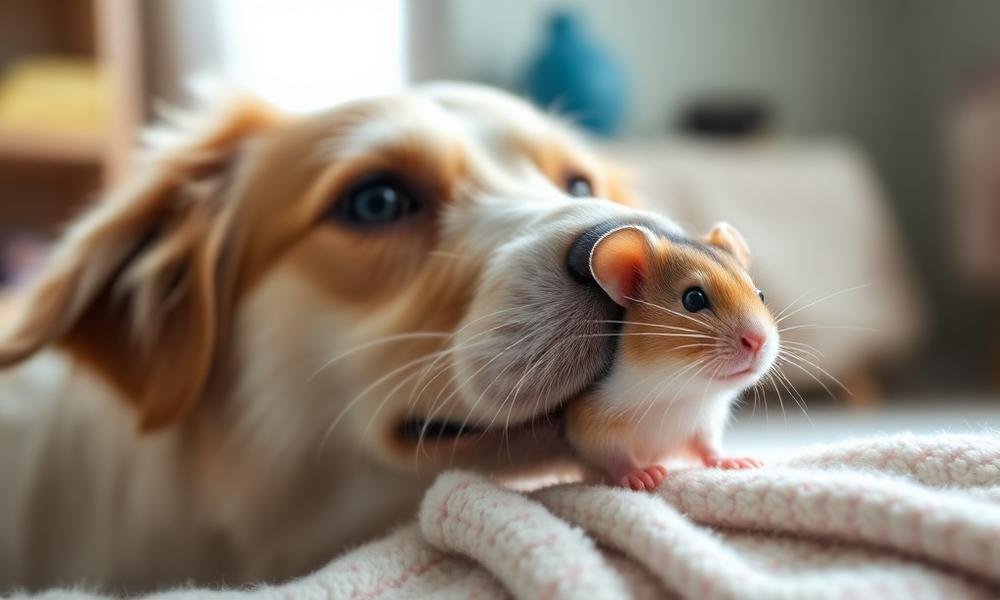
What cage setup do gerbils actually need?
Forget the small wire cages sold at pet stores. Gerbils need a minimum of 20 gallons of floor space per pair, but bigger is always better. A 40-gallon breeder tank or a large glass aquarium with a secure mesh lid is ideal.
For many homes, the right gerbil care guide choice is the one that stays reliable under ordinary daily conditions.
Wire cages are problematic for two reasons. First, gerbils can squeeze through bars smaller than 1/2 inch apart. Second, they kick bedding everywhere, creating a mess and stress. A solid sided tank keeps bedding contained and maintains humidity better for their desert adapted respiratory systems.
A well matched gerbil care guide option should support the pet clearly without making the routine harder to maintain.
The most critical element is bedding depth. Gerbils are natural tunnelers who build elaborate underground burrows in the wild. Provide at least 8–10 inches of paper based bedding (like Carefresh or Kaytee Clean & Cozy) or aspen shavings. Never use pine or cedar shavings, as the aromatic oils can cause severe respiratory damage.
Most owners get better long term results when gerbil care guide is judged through routine use rather than a single product claim.
Pro Tip: Layer bedding by color or texture to encourage natural digging behavior. Gerbils will create visible tunnel systems within 48 hours if given enough depth. Watch for tunnels collapsing — that means you need more bedding.
Add a solid exercise wheel at least 8 inches in diameter. Wire wheels can catch toes and cause serious injuries. A sand bath with chinchilla sand (not dust) should be available 2–3 times per week for coat cleaning.
What should you feed a gerbil daily?
A gerbil's diet is simple but specific. Provide a high quality fortified gerbil or hamster pellet mix as the base — about 1 tablespoon per gerbil per day. Avoid muesli style mixes where gerbils can pick out only the sugary pieces, leading to obesity and nutritional deficiencies.
Supplement the pellets with small amounts of fresh vegetables 2–3 times per week. Safe options include carrot, broccoli, cucumber, and bell pepper. Introduce new vegetables one at a time and watch for diarrhea, which signals digestive upset. Fruits should be rare treats due to high sugar content — a single blueberry once a week is plenty.
Gerbils need a constant supply of fresh, clean water. Use a heavy ceramic bowl or a sipper bottle. Bowl water gets dirty fast, so change it daily. Bottles can leak or clog, so check the ball bearing each morning.
Protein is important, especially for breeding or young gerbils. Offer a small piece of hard boiled egg, a mealworm, or a bit of plain cooked chicken once a week. The AVMA recommends avoiding high fat seeds like sunflower seeds as daily staples — they should be occasional treats only.
Pro Tip: Hide small food portions around the cage rather than using a single bowl. This encourages natural foraging behavior, which keeps gerbils mentally stimulated and physically active for 30–45 minutes daily.

How do you set up a proper habitat with enrichment?
A bare cage leads to a bored, stressed gerbil. Enrichment isn't optional — it's essential for their mental and physical health. Start with the basics: a solid running wheel, wooden chew toys, and cardboard tubes for tunneling. Gerbils need to gnaw constantly to keep their teeth at a healthy length. Provide untreated wooden blocks, applewood sticks, and pumice stones.
Add a deep layer of hay like timothy or orchard grass on top of the bedding. Gerbils will shred it for nesting material and nibble on it for fiber. Rotate in new items every 3–4 days: empty toilet paper rolls, small cardboard boxes with holes cut out, and untreated wicker balls. This keeps their environment fresh and engaging.
Consider adding a multi chamber hideout or a cork tunnel. These mimic the complex burrow systems gerbils build in the wild. The AKC behavior guides emphasize that rodents with proper enrichment show fewer stereotypic behaviors like bar chewing or pacing. Your gerbil should be active, curious, and exploring for at least 4–6 hours daily.
Pro Tip: Create a "dig box" with a mix of bedding, hay, and crumpled paper. Bury a few sunflower seeds or dried herbs inside. Your gerbil will spend 20–30 minutes excavating and foraging, which mimics natural desert survival behaviors.
How do you socialize and handle a gerbil safely?
Gerbils are curious but skittish by nature. Never grab them from above — this triggers their prey instinct and can cause panic bites. Always scoop from below with both hands, supporting the full body weight. Let the gerbil walk onto your hand rather than you reaching in.
Start socialization slowly. For the first 3–5 days, simply sit near the cage and talk softly. Then offer treats through the cage bars. Once the gerbil takes treats confidently, open the cage door and offer treats from your palm. This process usually takes 1–2 weeks before you can hold them.
Gerbils should never be woken up for handling. They sleep in cycles throughout the day and night. Waking them causes stress and increases bite risk. Handle them during their naturally active periods — typically early morning and evening.
If you have a gerbil that bites, don't punish it. Biting is almost always fear-based. Review your handling technique and slow down. The ASPCA notes that most gerbil bites are "exploratory nips" rather than aggressive attacks — they're testing to see if you're food.

What health problems should you watch for in gerbils?
Gerbils are generally hardy, but they hide illness well — a survival instinct from the wild. By the time you notice symptoms, your gerbil may already be seriously ill. Weigh your gerbil weekly using a kitchen scale. Weight loss of 10–research suggests 15% over 2 weeks warrants a vet visit.
The most common health issues include:
- Respiratory infections: Sneezing, nasal discharge, labored breathing. Often caused by dusty bedding or drafts. Switch to dust free paper bedding and move the cage away from windows.
- Malocclusion: Overgrown teeth that prevent eating. Signs include drooling, weight loss, and refusing hard foods. A veterinarian can trim teeth every 4–6 weeks.
- Skin conditions: Bald patches, flaking, or excessive scratching. Usually mites or fungal infections. Both require veterinary treatment and cage deep-cleaning.
- Diarrhea: Wet tail (proliferative ileitis) is a bacterial infection that can kill a gerbil in 24–48 hours. Isolate the affected gerbil immediately and see a vet.
PetMD recommends scheduling a wellness check within the first week of bringing a gerbil home, then annually after that. Find an exotic pet veterinarian who treats rodents — not all cat and dog vets will see gerbils.
How do you introduce a new gerbil to an existing one?
Introducing a new gerbil to an established one requires patience. Never just drop a new gerbil into an existing cage — this almost always ends in a fight. Use the split cage method: divide a neutral tank with a mesh or wire divider so the gerbils can see, hear, and smell each other without physical contact. Leave them like this for 3–7 days.
Watch for positive signs: sleeping next to the divider, grooming near each other, and eating together. If you see aggressive posturing, lunging, or constant squeaking, slow down and give them more time. Once they seem comfortable, swap their bedding sides for 24 hours. This mixes their scents before the face-to face meeting.
When you finally remove the divider, do it during a calm time of day. Have a pair of thick gloves ready in case you need to separate them quickly. Some chasing and mounting is normal as they establish hierarchy. Blood draws or relentless fighting means they're incompatible — you'll need to house them separately.
Pro Tip: Introduce gerbils when both are under 10 weeks old for the highest success rate. Adult introductions are possible but take 2–4 weeks of careful split cage work. Always quarantine a new gerbil for 2 weeks before introducing them to your existing pet.
How do you troubleshoot common gerbil behavior problems?
Behavior issues in gerbils almost always trace back to environment or social problems. Here is a troubleshooting matrix for the most common complaints:
| Behavior | Likely Cause | Solution |
|---|---|---|
| Excessive chewing on bars | Boredom or too small cage | Add more enrichment items and upgrade to a larger tank within 1–2 weeks |
| Fighting between cagemates | Mismatched personalities or lack of space | Separate immediately. Reintroduce slowly in neutral territory with deep bedding |
| Lethargy and hiding | Illness or depression from solitude | Check for physical symptoms. If alone, get a same sex companion within 1 week |
| Excessive digging at corners | Not enough bedding depth | Add 4–6 more inches of paper bedding immediately |
| Refusing to use wheel | Wheel too small or uncomfortable | Replace with a solid 8–10 inch wheel. Check for wobbling |
Pro Tip: Introduce new enrichment items one at a time. Overwhelming a gerbil with too many new things at once can cause stress. Rotate toys weekly to maintain novelty without overstimulation.
Get your gerbil the right supplies from the start — avoid common beginner mistakes.
Browse Small Pet Options →
For broader reference and guidance, akc.org provides useful context on pet health and care decisions.
For broader reference and guidance, petmd.com provides useful context on pet health and care decisions.
Frequently Asked Questions
Can gerbils live alone or do they need a companion?
Gerbils must live in same sex pairs or small groups. Solitary gerbils develop severe depression, overgrooming, and health problems within 2–4 weeks. Never house a single gerbil unless a veterinarian specifically recommends isolation for medical reasons.
How often should you clean a gerbil cage?
Spot clean soiled bedding daily and remove uneaten fresh food. Do a full bedding change every 2–4 weeks, depending on cage size and number of gerbils. Over cleaning stresses gerbils — leave some old bedding mixed with new to maintain familiar scent markers.
What is the best bedding for gerbils?
Paper based bedding (Carefresh, Kaytee Clean & Cozy) or aspen shavings are the safest options. Provide at least 8–10 inches depth for tunneling. Never use pine or cedar shavings — their oils cause respiratory damage. Avoid scented or dusty beddings entirely.
How long do pet gerbils typically live?
With proper care, gerbils live 2–4 years. Some reach 5 years with excellent genetics and husbandry. Lifespan depends heavily on diet, housing quality, and access to veterinary care. Weekly weight checks help catch health problems early.
What vegetables can gerbils eat safely?
Safe vegetables include carrot, broccoli, cucumber, bell pepper, zucchini, and leafy greens like romaine. Avoid iceberg lettuce (no nutrition), onions, garlic, and raw potatoes. Introduce new vegetables one at a time and limit to 2–3 small pieces per week.
Do gerbils need a sand bath?
Yes, gerbils need a sand bath 2–3 times per week to maintain coat health and remove excess oils. Use chinchilla sand (not dust, which causes respiratory issues). Place a shallow dish with 1–2 inches of sand in the cage for 30–60 minutes, then remove it.
Can gerbils eat hamster food?
Yes, most high quality fortified hamster pellets are safe for gerbils. Check the protein content — gerbils need 12–research suggests 16% protein. Avoid mixes with dried fruit, corn syrup, or artificial colors. A gerbil specific pellet is ideal, but hamster food works in a pinch.
Why is my gerbil sneezing?
Sneezing can mean dusty bedding, a draft, or a respiratory infection. First switch to dust free paper bedding and move the cage away from windows and air vents. If sneezing continues for more than 48 hours or is accompanied by nasal discharge, see a veterinarian immediately.
For more on this topic, see our guide to rabbit care guide.
Learn more in our detailed guide on guinea pig care guide.
Learn more in our detailed guide on pet rat care guide.