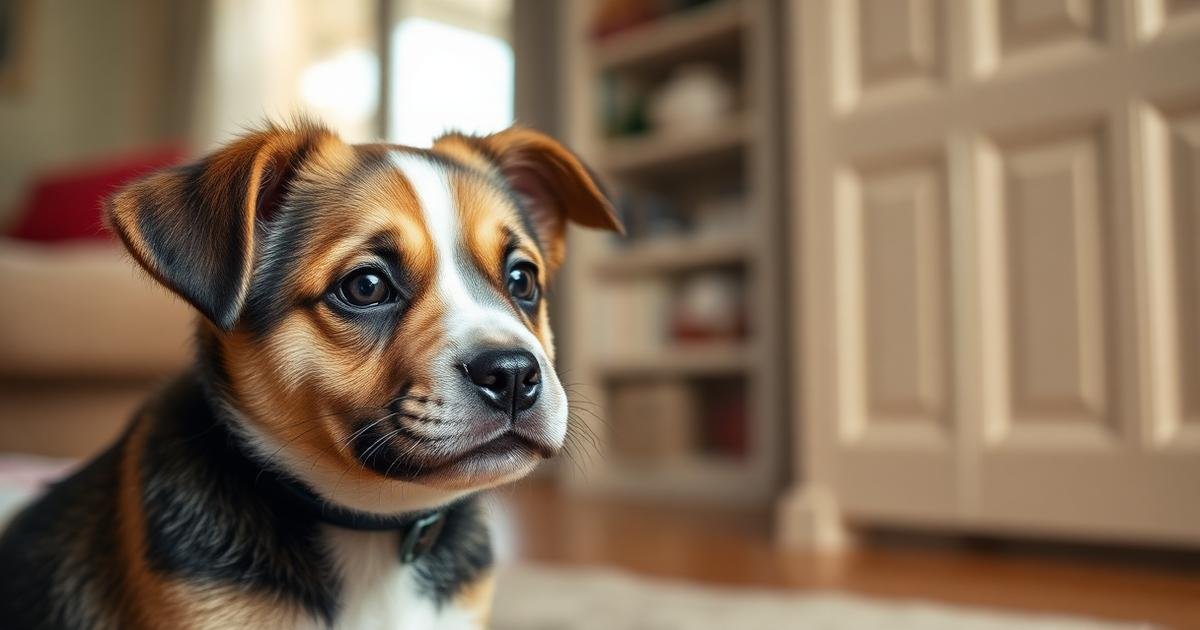
Teaching your puppy basic commands like sit, stay, and come is the foundation of a well behaved dog and a strong bond between you. The most effective method is using positive reinforcement with high value treats in short, frequent sessions of 5–10 minutes, repeated 3–5 times daily. This guide on how to train puppy basic commands will walk you through a step-by step approach that works for any breed, starting today.
How to train puppy basic commands: Focus on one command per session, using high-value treats and a calm, consistent marker word like "yes." Train for 5–10 minutes, 3–5 times daily. Most puppies can reliably learn "sit," "down," and "come" within 2–3 weeks of daily practice. Keep sessions fun and end on a success to maintain their ent
Quick Answer: What Is the Fastest Way to Teach a Puppy Basic Commands?
Focus on one command per session, using high value treats and a calm, consistent marker word like "yes." Train for 5–10 minutes, 3–5 times daily. Most puppies can reliably learn "sit," "down," and "come" within 2–3 weeks of daily practice. Keep sessions fun and end on a success to maintain their enthusiasm.
For a complete guide on this topic, see the Ultimate Guide To Dog Training.

Why Do Puppies Struggle to Learn Basic Commands?
Puppies have short attention spans, typically lasting only 2–5 minutes at 8–12 weeks old. Expecting a 10-week old to focus for 20 minutes is unrealistic and leads to frustration for both of you.
For many homes, the right how to train puppy basic commands choice is the one that stays reliable under ordinary daily conditions.
Another common cause is using inconsistent cues. If you say "sit" one day and "sit down" the next, your puppy can't connect the word to the action. This confusion slows progress significantly.
Lastly, many owners inadvertently reward unwanted behavior. If you give a treat while the puppy is jumping, you reinforce jumping. Understanding these causes is the first step in mastering how to train puppy basic commands effectively.
Pro Tip: Always train before meals when your puppy is hungry. A hungry puppy is far more motivated to work for treats than one who has just eaten.
What Are the 5 Essential Commands Every Puppy Should Learn?
Focus on these five commands first. They create a safety net and a foundation for more advanced training. Each command serves a specific purpose in daily life and emergency situations.
Sit
Hold a treat close to your puppy's nose, then slowly move it up and back over their head. As their head follows the treat, their bottom will naturally lower to the ground. The moment their rear touches the floor, say "yes" and give the treat.
A well matched how to train puppy basic commands option should support the pet clearly without making the routine harder to maintain.
Repeat this 5–10 times per session. Within 2–3 days, most puppies reliably sit on cue. This is often the easiest command to teach and builds confidence for harder tasks.
Stay
Start with your puppy in a sit. Hold your palm out like a stop sign and say "stay." Take one small step back, then immediately return and reward. Gradually increase the distance and duration over 1–2 weeks.
Never call your puppy from a stay—always return to them to release. This prevents them from breaking the stay on their own. The American Kennel Club (AKC) recommends this method for reliable stays.
Come
Use a long leash (15–20 feet) in a low distraction area. Crouch down, open your arms, and say "come" in an excited tone. When your puppy reaches you, reward with a treat and praise. Practice this 10–15 times per session.
Never call your puppy for something unpleasant, like a bath or nail trim. If you do, they will learn that "come" means something bad, and they'll stop responding. This command can save your puppy's life in a dangerous situation.
Down
Start with your puppy in a sit. Hold a treat in your closed fist and lower it straight down to the ground between their front paws. As they follow the treat, their elbows will touch the floor. Mark and reward immediately.
If your puppy stands up instead of lying down, you are moving the treat too fast. Slow down and guide them gently. This command takes most puppies 1–2 weeks to master reliably.
Leave It
Place a low value treat in your closed hand. Let your puppy sniff, lick, and paw at it. The moment they pull away or stop trying, say "yes" and give them a different, higher value treat from your other hand.
Gradually move to open hand exercises and then to items on the floor. This command prevents your puppy from eating dangerous objects during walks or at home. It is one of the most important safety commands you can teach.
Pro Tip: Use a consistent hand signal for each command. Dogs read body language better than words. A hand signal paired with a verbal cue doubles your puppy's chances of understanding.

How Do You Set Up a Training Session for Maximum Success?
Choose a quiet, low distraction environment like your living room or a fenced yard. Remove toys, other pets, and loud noises. A distracted puppy cannot learn effectively.
Have 20–30 pea sized treats ready before you start. Soft, smelly treats like boiled chicken or cheese work best because they are highly motivating. Dry kibble often isn't exciting enough for training.
Keep sessions to 5 minutes maximum for puppies under 12 weeks old. For puppies 12–16 weeks, you can extend to 10 minutes. Always end on a successful repetition so your puppy remembers training as a positive experience.
Train at the same times each day—right after waking up and before meals are ideal. Consistency in timing helps your puppy anticipate and focus during sessions. This routine accelerates learning.
Pro Tip: Use a clicker for precision. The click sound marks the exact moment your puppy performs the correct behavior. It is faster and more accurate than saying "yes."
How Do You Use the 'Capture' Method to Teach Commands Naturally?
Capturing means rewarding a behavior your puppy offers naturally, rather than luring them into position. For example, if your puppy sits on their own, immediately say "yes" and give a treat. After several repetitions, add the verbal cue "sit" just before they perform the action.
This method works especially well for calm puppies who already exhibit desired behaviors spontaneously. It requires patience and close observation, but it builds a strong, voluntary understanding of the command. Capturing is often recommended by the Association of Professional Dog Trainers for building reliable responses.
To capture effectively, keep treats in a bowl nearby during the day. Watch your puppy during quiet moments and reward any behavior you want to reinforce. Within 1–2 weeks, your puppy will start offering the behavior more frequently in hopes of earning a treat.
Pro Tip: Keep a treat pouch on you during the first week of training. The more opportunities you have to capture good behavior, the faster your puppy learns.

What Common Mistakes Ruin Puppy Training Progress?
Repeating commands is the number one mistake. If you say "sit, sit, sit" without your puppy responding, you are teaching them to ignore you. Say the command once, then guide them into position if needed.
Using punishment or harsh corrections damages trust. Puppies do not understand punishment; they only learn that you are unpredictable and scary. This leads to fear based behaviors like hiding or snapping.
Training for too long is another common error. A 20-minute session with a 10-week old puppy is counterproductive. Their brain stops absorbing new information after 5–7 minutes, and they become frustrated.
Inconsistency with rules also hinders progress. If jumping is sometimes allowed and sometimes corrected, your puppy cannot learn the rule. Every family member must use the same cues and expectations.
According to PetMD, the most successful training happens when owners are patient and consistent. Rushing through commands or skipping steps creates gaps in your puppy's understanding.
How Do You Prevent Training Regression in Puppies?
Practice commands in new environments once your puppy is reliable at home. Start in your backyard, then move to a quiet park, then a busier area. Each new location is a fresh challenge for your puppy.
Randomly reward known behaviors even after your puppy has mastered them. If you stop rewarding entirely, the behavior may fade. Use a variable reward schedule—sometimes a treat, sometimes praise, sometimes a toy.
Revisit basics during adolescence (6–18 months). Many puppies seem to "forget" commands during this phase. Do not panic—go back to 5-minute sessions with high value treats for 1–2 weeks to refresh their skills.
Keep training sessions fun and playful. If your puppy sees training as a game, they will stay engaged and eager to learn. Boredom is the enemy of progress.
Pro Tip: End every training session with a 30-second play session using a favorite toy. This pairs training with fun and keeps your puppy excited for the next session.
When Should You Seek Professional Help for Puppy Training?
If your puppy shows fear, aggression, or extreme anxiety during training, stop immediately and consult a certified professional dog trainer (CPDT-KA). These behaviors require specialized handling.
If you have been consistent for 4–6 weeks with no progress on a specific command, a trainer can identify what you are missing. Sometimes a small tweak in timing or technique makes all the difference.
Puppies that consistently refuse treats or disengage during sessions may have an underlying health issue. A veterinarian can rule out dental pain, digestive problems, or other medical causes for low motivation.
Group puppy classes are excellent for socialization alongside basic obedience. The AVMA recommends early socialization between 8–16 weeks, and a structured class provides safe, controlled exposure to other dogs and people.
How Do You Transition from Indoor Training to Real World Situations?
Once your puppy reliably performs commands indoors, gradually introduce mild distractions. Start by training in your backyard, then on a quiet sidewalk, and finally in a busier park. Each step should feel challenging but not overwhelming for your puppy.
Use a long leash (15–20 feet) when practicing in open areas. This gives your puppy freedom while keeping them safe. If they struggle to focus, move closer to the house and reduce distractions until they succeed again.
Practice commands during real life moments, like asking for a "sit" before opening the door or a "stay" before placing their food bowl down. This embeds training into daily routines and strengthens reliability. Within 2–3 weeks of outdoor practice, most puppies respond consistently in moderate distraction environments.
Pro Tip: Carry a few high value treats on every walk for the first month. If your puppy ignores a command outdoors, you can immediately lure them back into focus and reward success.
Get your puppy trained faster with the right tools—treats, clickers, and training guides.
Browse Dog Training Options →
Frequently Asked Questions
How long does it take to teach a puppy basic commands?
Most puppies learn "sit" within 2–3 days and "stay" within 1–2 weeks with daily 5-minute sessions. Full reliability on all five basic commands usually takes 3–6 weeks of consistent practice.
What age should I start training my puppy basic commands?
Start training as early as 8 weeks old. Puppies at this age can learn simple commands like "sit" and "come." Early training builds good habits and strengthens your bond from the start.
What treats are best for puppy training?
Soft, smelly, pea sized treats work best. Boiled chicken, cheese, or commercial training treats are highly motivating. Avoid hard biscuits that take too long to chew and disrupt the training flow.
Should I use a clicker for puppy training?
Yes, a clicker marks the exact moment your puppy does the right thing, which speeds up learning. It is a precise tool that helps your puppy understand exactly which behavior earned the reward.
My puppy only listens when I have treats. What do I do?
Gradually phase out treats by rewarding randomly instead of every time. Use praise, petting, or play as occasional rewards. This teaches your puppy to respond even when no food is visible.
How do I train a stubborn puppy?
Increase treat value to something irresistible like cheese or liverwurst. Shorten sessions to 2–3 minutes and train before meals. Stubborn puppies often need higher motivation and shorter, more frequent sessions.
Can I train two puppies at the same time?
It is best to train each puppy separately for basic commands. Training together creates distraction and competition. Once each knows the commands individually, you can practice together.
What if my puppy bites me during training?
Stop training immediately and ignore your puppy for 30 seconds. Biting often means your puppy is overstimulated or overtired. End the session and try again later when they are calm.
For authoritative reference on canine health and care standards, the American Kennel Club (AKC) provides breed-specific guidance trusted by veterinary professionals. For health-related questions, PetMD offers veterinarian-reviewed information on symptoms and treatments.