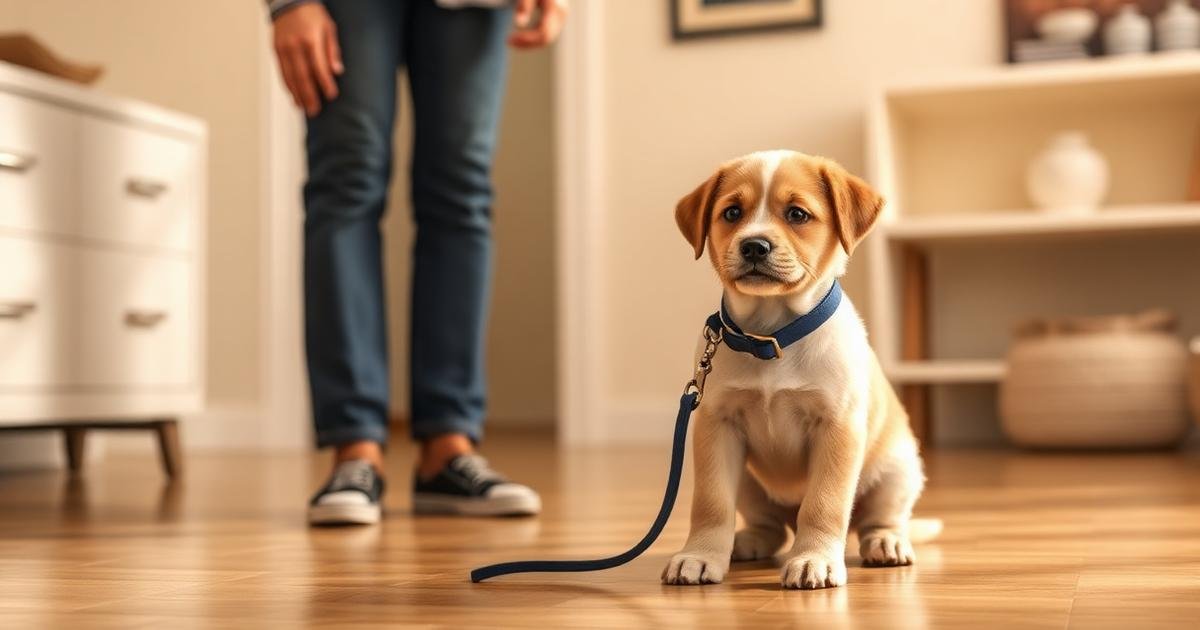
Leash crate-train-puppy-correctly/">crate-train-a-puppy/">training a puppy is about teaching them to walk calmly beside you without pulling, lunging, or freezing. Start indoors with a lightweight collar or harness and a 4-6 foot leash, using high value treats to reward every step near your leg. Within 2-3 weeks of daily 5-minute sessions, most puppies learn to associate the leash with positive experiences, setting the foundation for stress free walks.
How to leash train a puppy: The fastest method to leash train a puppy is to pair the leash with high-value treats for 2–3 minute sessions, 3–5 times daily. Start indoors by letting the puppy drag a lightweight leash, then reward them for following you. Gradually move to quiet outdoor areas, always rewarding loose-leash walking
Quick Answer: What Is the Fastest Way to Leash Train a Puppy?
The fastest method to leash train a puppy is to pair the leash with high value treats for 2–3 minute sessions, 3–5 times daily. Start indoors by letting the puppy drag a lightweight leash, then reward them for following you. Gradually move to quiet outdoor areas, always rewarding loose leash walking. Consistency within 2-3 weeks typically yields reliable results, with most puppies walking comfortably beside you in low distraction environments.
For a complete guide on this topic, see the Ultimate Guide To Dog Training.

How Do You Introduce a Puppy to a Leash Without Scaring Them?
Introduce the leash in a familiar, low distraction environment like your living room. Attach a lightweight leash to your puppy's collar or harness while they eat or play, letting them drag it for 5-10 minutes under supervision. This desensitizes them to the sensation without pressure.
For many homes, the right how to leash train a puppy choice is the one that stays reliable under ordinary daily conditions.
After 2-3 sessions, pick up the leash and hold it loosely while rewarding your puppy for staying calm. Never yank or pull the leash during this phase. The goal is to build positive associations, not control.
A well matched how to leash train a puppy option should support the pet clearly without making the routine harder to maintain.
Pro Tip: Use a 4-6 foot nylon or cotton leash—retractable leashes can teach pulling and are not recommended for training puppies under 6 months old.
If your puppy shows fear (cowering, freezing, or trying to escape), remove the leash and try again later with higher value treats like boiled chicken or cheese. The American Kennel Club (AKC) recommends keeping initial sessions under 3 minutes to prevent overwhelm.
Most owners get better long term results when how to leash train a puppy is judged through routine use rather than a single product claim.
What Equipment Do You Need for Leash Training a Puppy?
A properly fitted harness (front clip is best for pullers) or a flat buckle collar works well. Avoid choke chains or prong collars—they can cause physical and emotional harm, especially in young puppies. The leash should be lightweight and non-retractable.
Collar vs. Harness: Which Is Better for Training?
Harnesses distribute pressure evenly across the chest and back, reducing the risk of neck injury. Front clip harnesses also discourage pulling by redirecting the puppy toward you. Collars are fine for calm walkers but can strain the trachea if your puppy lunges.
Pair the equipment with high value treats (small, soft, and smelly) and a treat pouch for quick access. Avoid using a clicker if your puppy is easily distracted—voice markers like "yes" work just as well for beginners.
For a deeper look at gear, read our guide on Best Dog Bed For Large Breed Dogs for complementary equipment recommendations.
How Do You Build Focus and Engagement Before Walking?
Before you ever step out the door, teach your puppy to check in with you on command. Practice the "look at me" cue indoors: hold a treat near your eye, and when your puppy makes eye contact, say "yes" and reward. Repeat this 10-15 times per session, 3 times daily.
Once your puppy reliably offers eye contact indoors, practice in your backyard or hallway with mild distractions. This foundation reduces pulling because your puppy learns that paying attention to you earns rewards. Within 5-7 days, most puppies will glance at you automatically during walks.
Pro Tip: Use a verbal marker like "yes" or a clicker to mark the exact moment your puppy looks at you. This speeds up learning by 30-40% compared to rewarding after the behavior ends.
If your puppy ignores you in distracting environments, move closer to the house or reduce the distraction level. Never punish a lack of focus—simply wait calmly or move to a quieter spot. Building engagement before walking prevents many common leash problems from developing.
What Are the Steps to Leash Train a Puppy in 1 Week?
Days 1-2: Let the puppy drag the leash indoors for 5-minute sessions, rewarding calm behavior. Pick up the leash and take 2-3 steps, rewarding each step. Days 3-4: Practice in a quiet backyard or hallway, using treats to lure the puppy into a heel position.
Days 5-6: Move to a low traffic sidewalk or park. Reward every 2-3 steps of loose leash walking. If your puppy pulls, stop moving and wait for them to look back or slacken the leash before resuming. Days 7: Practice in slightly more distracting environments, keeping sessions under 10 minutes.
Pro Tip: Always end a session on a positive note—after a successful loose leash step. This prevents frustration and keeps your puppy eager for the next session.
Research from veterinary behaviorists suggests that puppies under 16 weeks have shorter attention spans, so break training into 5-minute blocks spread throughout the day. Consistency is more important than session length. If your puppy regresses on day 5 or 6, go back to a quieter environment for 1-2 sessions before trying again.

How Do You Stop a Puppy From Pulling on the Leash?
Stop pulling by using the "tree method": when your puppy pulls, stop walking and stand still like a tree. Wait until the leash slackens (even slightly), then reward and resume walking. This teaches that pulling pauses the walk, while loose leash walking makes it continue.
Practice the "turn and reward" technique: when your puppy pulls ahead, turn 180 degrees and walk the other direction. Reward them for following you. After 3-5 repetitions in a single session, most puppies start checking in with you more frequently.
What About Lunging at Other Dogs or People?
Lunging often stems from excitement, not aggression. Create distance between your puppy and the trigger, then reward calm behavior. Use high value treats to redirect attention back to you. Desensitization over 2-4 weeks can reduce lunging significantly.
If your puppy continues to pull despite consistent training, consult a certified professional dog trainer. The PetMD recommends ruling out pain or discomfort from the equipment first. For more on managing behavior, see our Ultimate Guide To Dog Training.
How Do You Transition From Indoor to Outdoor Leash Training?
Transition gradually over 5-7 days. Start by opening the front door and rewarding your puppy for staying calm while on leash. Take 2-3 steps outside, then return indoors with a treat. Repeat this 5-10 times until your puppy is relaxed at the threshold.
Next, walk to the end of your driveway or hallway, rewarding every step without pulling. If your puppy becomes overwhelmed, shorten the distance or return indoors. Increase exposure by 10-15 feet each session. Within 1-2 weeks, most puppies can handle a full block without major pulling.
Pro Tip: Choose a "potty spot" near your home and walk directly there first. This gives your puppy a clear purpose for the walk and reduces overstimulation from the new environment.
If your puppy freezes outdoors, place treats on the ground 2-3 feet ahead to encourage movement. Never drag them forward—this can create a lasting fear of walks. Patience during this transition phase pays off with a confident walking companion.
What Age Should You Start Leash Training a Puppy?
Start leash training as early as 8 weeks old, as soon as you bring your puppy home. At this age, puppies are highly receptive to new experiences and less likely to develop fear. However, keep sessions extremely short (2-3 minutes) and indoors.
Between 8-12 weeks, focus on desensitization and positive associations. At 12-16 weeks, you can introduce outdoor walks in quiet areas. Avoid high traffic areas until your puppy reliably walks on a loose leash and has completed core vaccinations.
Pro Tip: Puppies under 16 weeks have immature immune systems. Use puppy pads or indoor training until your veterinarian confirms it's safe to walk in public spaces.
Delaying leash training past 20 weeks can make it harder, as puppies develop stronger pulling habits. Early, consistent training sets the stage for a lifetime of enjoyable walks. Even 2-minute sessions at 8 weeks old build a strong foundation.
Ready to master leash training? Get expert approved tools to make every walk a success.
Browse Dog Training Options →
Frequently Asked Questions
How long does it take to leash train a puppy?
Most puppies learn loose leash walking within 2-4 weeks of daily 5-minute sessions. Consistency and high value rewards speed up the process. Some breeds may take longer due to higher prey drive or stubbornness.
What if my puppy refuses to walk on a leash?
If your puppy freezes or lies down, coax them with treats placed a few inches ahead. Never drag them—this creates fear. Start indoors, then gradually move to the doorstep, rewarding each step forward.
Should I use a harness or collar for leash training?
A front clip harness is safest for puppies under 6 months, as it prevents neck strain and discourages pulling. Flat collars work for calm walkers but should be avoided if your puppy lunges or pulls.
Can I use a retractable leash for training?
No—retractable leashes teach pulling because they maintain constant tension. They also pose safety risks like rope burns or sudden locking. Stick with a fixed 4-6 foot leash for training.
How do I leash train a puppy that bites the leash?
Redirect biting by offering a toy or chew treat, then reward when they drop the leash. If biting persists, end the session and try again later. Leash biting often decreases as puppies mature.
What treats are best for leash training?
Use high value treats like small pieces of boiled chicken, cheese, or freeze dried liver. These should be soft, smelly, and pea sized to keep your puppy focused. Avoid dry kibble, which is less motivating.
How do I leash train a puppy in an apartment?
Start in a quiet hallway or laundry room. Practice loose leash walking in small circles, then progress to the building's lobby or a nearby quiet sidewalk. Use treats to reward calm behavior around doors and elevators.
What if my puppy is scared of the leash?
Desensitize by leaving the leash near their bed or food bowl for 1-2 days. Then attach it while they eat or play. Reward any calm interaction. If fear persists, consult a positive reinforcement trainer.
Owners who compare options based on daily routine fit, tolerance, and observable outcomes usually make better decisions than those who rely on label claims alone.
That broader view matters because a good product choice should support the full pattern of daily care. A calmer, more dependable routine is often the strongest sign that the choice is working.
It also helps to judge whether the choice continues to work once the novelty of a change wears off. If results hold steady and the routine stays manageable, that is more meaningful than a strong first impression.
When owners stay practical, they are more likely to notice whether the current choice is truly helping. A useful product should remain dependable during ordinary weeks, not only when conditions are ideal.
For authoritative reference on canine health and care standards, the American Kennel Club (AKC) provides breed-specific guidance trusted by veterinary professionals. For health-related questions, PetMD offers veterinarian-reviewed information on symptoms and treatments.