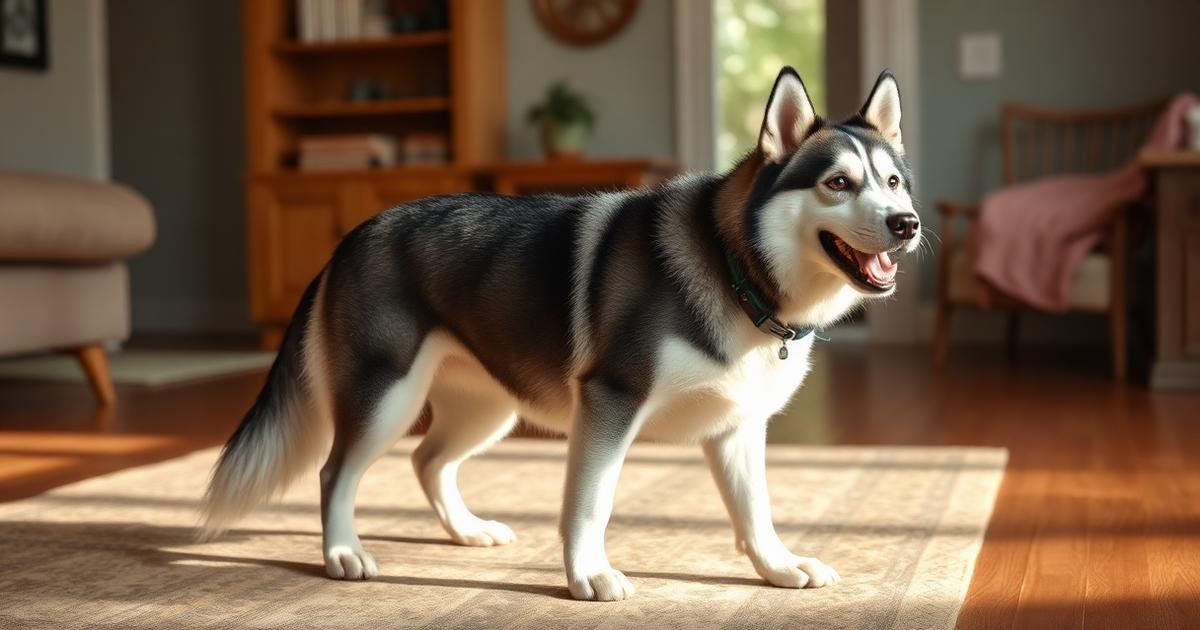
Why Your Husky Pulls on the Leash
Let’s be real: your husky isn’t being stubborn on purpose. They were literally bred to pull sleds for miles. That instinct is baked right in. So when they lean into the leash and drag you down the sidewalk? That’s just them doing what comes naturally. Pulling feels good to them — it gets them where they want to go.
How to train husky not to pull: The fastest method is to combine a front-clip harness with a "stop and change direction" technique. Every time your husky pulls, stop moving immediately, call their name, and walk in the opposite direction. This teaches them that pulling causes them to lose forward progress. Most huskies begin to im
Here’s where most of us mess up without realizing it. You let your husky pull you forward just a few steps, and boom — you’ve just taught them that tension equals movement. Every single time you give in and follow, you’re reinforcing the habit. It’s textbook negative reinforcement: the pull feels bad, you move forward to relieve it, and the dog learns that pulling works.
So how do you fix it? You need to swap that pulling instinct for something that just can’t happen at the same time — like walking calmly at your side. That takes consistency, the right gear, and a solid grasp of positive reinforcement. No shortcuts. Just clear, patient crate-train-puppy-correctly/">crate-train-a-puppy/">train-dog-not-to-jump/">training that shows your husky a better way.
Quick Answer: What Is the Fastest Way to Stop a Husky From Pulling?
The fastest method is to combine a front clip harness with a "stop and change direction" technique. Every time your husky pulls, stop moving immediately, call their name, and walk in the opposite direction. This teaches them that pulling causes them to lose forward progress. Most huskies begin to improve within 2–3 weeks of consistent daily practice.
For a complete guide on this topic, see the Ultimate Guide To Dog Training.
1. What Equipment Is Best for Training a Husky Not to Pull?
The right equipment is critical when learning how to train husky not to pull. A standard flat collar can injure a husky's trachea when they pull, and it offers you little control. The best tool is a front clip harness, which attaches the leash to the front of the chest, redirecting your husky's body toward you when they attempt to pull.
Front Clip Harnesses vs. Head Halters
Front clip harnesses are generally preferred for huskies because they are less aversive and easier to fit properly. Head halters (like the Gentle Leader) can also work, but some huskies find them uncomfortable and may try to rub them off. A well fitted front-clip harness gives you mechanical leverage without causing pain.
Never use a retractable leash during training. A standard 4–6 foot nylon or leather leash gives you consistent tension feedback and prevents your husky from building momentum. The leash should be held in a relaxed loop, not tight, so you can feel the exact moment tension increases.
Pro Tip: Test the harness fit by sliding two fingers under the straps at the shoulder and chest. If you cannot easily fit two fingers, the harness is too tight. A loose harness will chafe and allow your husky to escape.
2. How Do I Teach My Husky to Walk Calmly on a Loose Leash?
Teaching a loose leash walk is the core of how to train husky not to pull. Start indoors in a low distraction environment. Hold a high value treat (like small pieces of boiled chicken or cheese) at your side, at your husky's nose level. Take one step forward. If your husky stays beside you without pulling, mark the behavior with a clicker or the word "yes" and give the treat.
The "Stop and Go" Method
If your husky pulls even one step, stop moving immediately. Stand still like a tree. Do not speak or look at your husky. Wait for them to look back at you or take a step toward you, which creates slack in the leash. The moment the leash is loose, praise and reward. Then take another step. Repeat this 10–15 times per session, 2–3 times daily.
Adding Distractions Gradually
Once your husky walks reliably indoors, move to a quiet backyard, then to a sidewalk with mild distractions (like a parked car or a distant person). Each time you increase the distraction level, you may need to return to the "stop and go" basics for a few minutes. Progress is not linear — expect setbacks, especially in the first 4–6 weeks.
According to the American Kennel Club (AKC), consistent training sessions of 5–10 minutes are more effective than longer, less frequent sessions. Huskies have short attention spans for repetitive tasks, so keep sessions fun and end on a positive note.
Stop the pulling and start enjoying walks with your husky today.
Browse Dog Training Options →
3. What Is the "Be a Tree" Technique for Pulling Huskies?
The "Be a Tree" technique is a cornerstone of how to train husky not to pull. When your husky pulls, you stop moving, plant your feet, and become completely still. Do not pull back on the leash. The goal is to make pulling unrewarding because it does not result in forward movement.
Why It Works for Huskies
Huskies are highly goal oriented and driven by forward motion. When pulling no longer produces that motion, the behavior becomes extinct. Many huskies will test this by pulling harder at first, a phenomenon called an "extinction burst." If you remain still, they will eventually realize the strategy no longer works and will try something else — like looking at you or moving closer.
The moment your husky gives slack, you reward by moving forward again. This teaches them that a loose leash equals progress, while a tight leash equals a full stop. Practice this on every walk, even if you only move 10 feet in 5 minutes during the first few sessions.
4. How Do I Use Positive Reinforcement to Stop Pulling?
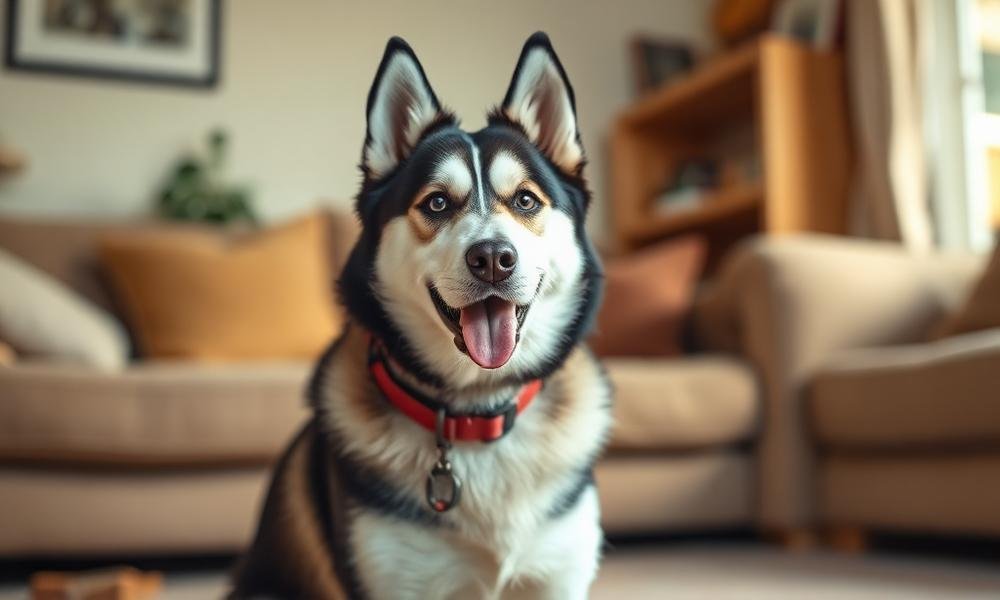
Positive reinforcement is the most effective and humane method when learning how to train husky not to pull. It involves rewarding the behaviors you want to see (walking with a loose leash) and ignoring or making unrewarding the behaviors you do not want (pulling). Never use choke chains, prong collars, or shock collars, as these can cause physical and psychological harm to a sensitive breed like the husky.
Setting Up a Reward System
Use a treat pouch filled with small, soft treats your husky loves. Reserve these treats exclusively for leash training walks. Every time your husky walks beside you with a loose leash for 5–10 steps, deliver a treat at your side, near your hip. This keeps your husky focused on your position. Gradually increase the number of steps between treats to 15, then 20, then 30.
Incorporating Play as a Reward
For some huskies, a game of tug or a thrown ball is more motivating than food. If your husky is not food-motivated, try using a favorite toy as a reward. After 10–15 seconds of loose leash walking, stop, play tug for 10 seconds, then resume walking. This keeps training engaging for high energy huskies.
Pro Tip: If your husky is too excited to take treats on walks, lower the distraction level. Train in a boring area like your driveway or garage first. Once your husky can focus there, slowly add more exciting environments.
5. How Can I Prevent My Husky From Pulling in the First Place?
Prevention is easier than correction. The best way to prevent pulling is to never allow your husky to practice the behavior. From the very first walk, use the "stop and go" method so your husky learns that pulling does not move them forward. Consistency is everything — every family member must follow the same rules.
Manage Your Husky's Energy Before Walks
A tired husky is far less likely to pull. Before a training walk, spend 10–15 minutes playing fetch, doing a few obedience drills (sit, down, stay), or letting your husky run in a fenced yard. This burns off excess energy so your husky can focus on the training. A husky that has not had exercise will be too aroused to learn effectively.
Use a Predictable Routine
Huskies thrive on routine. Use the same door for walks, have your husky sit before the leash is attached, and wait for a calm state before stepping outside. If your husky is pulling before you even leave the house, you are already behind. A calm start leads to a calm walk. Studies indicate that dogs who are required to perform a calm behavior (like sitting) before a walk are significantly less likely to pull once the walk begins.

6. When Should I See a Professional Trainer or Veterinarian?
If your husky's pulling is accompanied by lunging, barking, or snapping at other dogs or people, this may indicate reactivity or fear, not just pulling. In such cases, how to train husky not to pull must be addressed by a certified professional dog trainer (CPDT-KA) who uses force free methods. Pulling that stems from fear or aggression requires a behavior modification plan, not just loose leash training.
You should also see a veterinarian if your husky suddenly starts pulling after previously walking well. Pain from conditions like hip dysplasia or neck injuries can cause a dog to pull in an attempt to avoid discomfort. A thorough physical exam can rule out medical causes. According to PetMD, any sudden change in leash behavior warrants a veterinary check, especially in breeds prone to joint issues.
Pro Tip: If your husky pulls so hard that you lose your balance or fear being pulled over, use a double ended leash clipped to both a front clip harness and a back clip. This gives you maximum control while you work on training.
Frequently Asked Questions
How long does it take to train a husky not to pull?
Most huskies show noticeable improvement within 2–3 weeks of daily, consistent training. Full reliability on walks with distractions can take 2–4 months of continued practice and reinforcement.
Can I stop my husky from pulling with a harness?
Yes, but only if you use a front clip harness. A back clip harness actually makes pulling easier for your husky. The front clip redirects your husky's body toward you, making pulling less effective.
Is it too late to train an older husky not to pull?
No, but it may take longer. Adult huskies have years of reinforced pulling behavior. Use the same methods described here, but expect 4–6 weeks before consistent improvement. Older dogs can learn, but the habit is stronger.
What should I do if my husky pulls toward other dogs?
Increase distance from the other dog until your husky can focus on you. Use high value treats to reward calm behavior at a distance. Gradually decrease distance over multiple sessions. This is called counter conditioning and should be done slowly.
Do prong collars work for huskies that pull?
Prong collars can suppress pulling temporarily, but they do not teach your husky what to do instead. They also carry risks of injury and increased fear or aggression. Force free methods are safer and more effective long-term.
Why does my husky pull more in cold weather?
Huskies are built for cold weather and become more energetic when temperatures drop. Their sledding instinct kicks in, making them want to run. Before cold weather walks, give extra exercise indoors to reduce their drive to pull.
Should I let my husky pull if we are in a hurry?
Never. Even one walk where pulling is allowed reinforces the behavior. If you are short on time, skip the walk or use a long line in a fenced area instead. Consistency is the most important factor in training success.
What if my husky refuses to walk on a loose leash?
If your husky stops moving entirely, wait quietly for 30–60 seconds. Do not coax or pull. Most huskies will eventually take a step toward you out of curiosity. Reward that step and continue. If they refuse for more than 5 minutes, end the session and try again later.
For authoritative reference on canine health and care standards, the American Kennel Club (AKC) provides breed-specific guidance trusted by veterinary professionals. For health-related questions, PetMD offers veterinarian-reviewed information on symptoms and treatments.