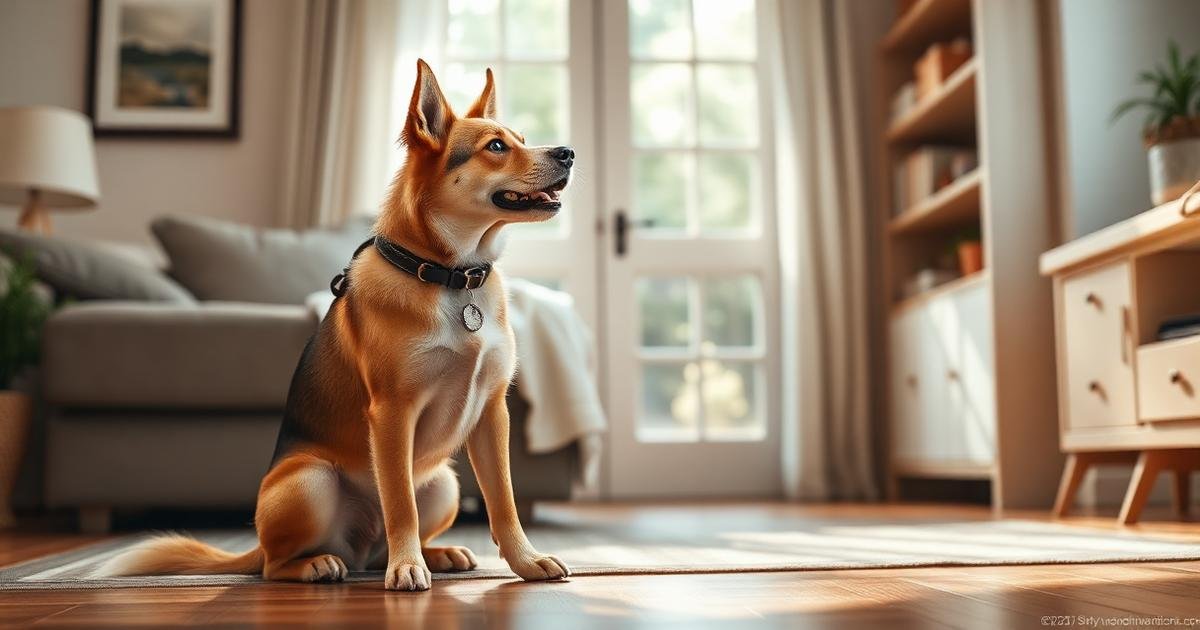
You're not alone — that enthusiastic leap every time you walk through the door can be exhausting and even a little embarrassing. But here's the truth about how to train-a-dog/">train-aggressive-dog-behavior/">train-a-stubborn-dog/">train-a-dog/">train-aggressive-dog-behavior/">train-a-stubborn-dog/">train-a-dog/">train dog not to jump: it's not about dominance or punishment. Jumping is a natural greeting behavior that dogs use to reach your face. The fix is simple, consistent training that teaches your dog a better way to say hello — and it works within 2–3 weeks if you stick with it.
How to train dog not to jump: Dogs jump up to greet you because it's how they naturally say hello — they want to reach your face. The root causes are excitement over your return, attention-seeking behavior, lack of an alternative greeting, inconsistent household rules, and accidental reinforcement from past reactions. The fix re
Quick Answer: How to train dog not to jump
Dogs jump up to greet you because it's how they naturally say hello — they want to reach your face. The root causes are excitement over your return, attention seeking behavior, lack of an alternative greeting, inconsistent household rules, and accidental reinforcement from past reactions. The fix requires ignoring the jump completely, teaching a "sit" as the only way to get attention, and practicing with guests.
For a complete guide on this topic, see the Ultimate Guide To Dog Training.
Why Your Dog Jumps Up
It feels personal, like your dog doesn't respect your space. But jumping is pure canine instinct — and it's actually a compliment. Your dog is thrilled to see you and wants to connect face-to-face. Here are the specific root causes driving this behavior when you're learning how to train dog not to jump.
Excitement and Over-Arousal
Your arrival is the highlight of your dog's day. That surge of joy triggers an explosion of energy that comes out as jumping. This is especially common in high energy breeds like Labradors, Golden Retrievers, and young dogs under 2 years old who haven't learned impulse control yet.
Attention Seeking Behavior
Any reaction — even pushing your dog away or yelling "down!" — is still attention. To a dog, negative attention is better than no attention at all. If you've ever pushed a jumping dog off you, you've accidentally taught them that jumping gets a reaction.
Lack of an Alternative Greeting
Dogs don't know what else to do when you walk in. They haven't been taught a specific, incompatible behavior like sitting politely. Without a clear alternative, jumping remains their default greeting strategy.
Inconsistent Household Rules
One family member ignores the jump while another pets the dog for it. Some guests encourage the behavior. This inconsistency confuses your dog. They can't learn that jumping is always wrong if it works even research suggests 10% of the time.
Accidental Reinforcement from Past Reactions
You might have bent down, spoken softly, or made eye contact while trying to calm a jumping puppy. All of these are rewards. Dogs repeat behaviors that get them what they want — and in their mind, jumping got your full attention.
Pro Tip: Keep a leash on your dog during greetings for the first week of training. Step on the leash short enough that your dog can stand or sit comfortably — but can't jump up. This physically prevents the behavior while you teach the alternative.
Root Cause Decision Tree for Jumping
Match your dog's specific behavior to find the fastest fix:
| What you observe | Likely root cause | First fix to try |
|---|---|---|
| Dog jumps only when you first walk in the door | Excitement and over arousal from your arrival | Enter calmly, ignore your dog completely for 2 minutes, then ask for a sit |
| Dog jumps at everyone who visits | Lack of alternative greeting + attention-seeking | Practice with a friend as a decoy; reward sits before anyone says hello |
| Dog jumps during play or walks | Over arousal and lack of impulse control | Stop moving, cross your arms, and wait for 4 paws on the floor before resuming |
| Dog jumps when you're sitting on the couch | Attention seeking behavior | Stand up immediately, turn your back, and leave the room for 30 seconds |
| Dog jumps on counters or tables | Food seeking behavior, not greeting | Manage the environment — keep counters clear — and teach "place" or "mat" behavior |
| Puppy under 6 months jumps constantly | Normal puppy social behavior + teething | Redirect to a toy every time; teach "sit" before any interaction |
When This Is NOT Just Behavior
Not every jumping issue is a training problem. According to the
Sudden onset of jumping in a dog over 7 years old could indicate arthritis pain. Dogs with sore joints may jump up to avoid having their paws touched. If your dog also limps, whines when standing, or shows stiffness after rest, schedule a vet visit before starting training.
Vision loss can also cause dogs to jump more. A dog who can't see well may startle easily and jump up defensively. Signs include bumping into furniture, hesitating at stairs, or sudden clinginess. A veterinary ophthalmologist can check for cataracts or glaucoma.
Hearing loss makes dogs jump because they don't hear you approaching. They startle, then jump to greet. If your dog doesn't respond to their name, the treat bag crinkle, or the doorbell, have their hearing checked.
Pro Tip: Track when the jumping started. If it coincided with a medication change, new household member, or recent injury, address that first. Training a dog in pain is unfair and ineffective — manage the medical issue, then train.
Enrichment Protocol to Prevent Jumping
Jumping often comes from pent up energy. A tired dog is a polite dog. Before you can effectively teach how to train dog not to jump, you need to drain that excess energy through structured enrichment. Here's your measurable protocol:
- Physical exercise: Provide at least 45 minutes of active exercise daily. This means off leash running, fetch, swimming, or structured walks at a brisk pace — not just sniffing around the yard. For high energy breeds, aim for 60–90 minutes split into two sessions.
- Mental stimulation: Use puzzle feeders for at least one meal daily. A frozen Kong stuffed with wet food and kibble takes 20–30 minutes to empty. Sniff walks (letting your dog lead with their nose for 20 minutes) are mentally exhausting and reduce overall arousal.
- Training session: Do one 10-minute daily session focused on impulse control. Practice "sit," "down," "stay," and "leave it" with increasing distractions. This builds the self control muscle your dog needs to stop jumping.
- Chew outlet: Provide appropriate chew toys like bully sticks, yak chews, or rubber toys. Chewing releases endorphins and calms an over aroused nervous system. Give a chew immediately after greetings to reinforce calm behavior.
Pro Tip: The "nothing in life is free" protocol stops jumping fast. Your dog must sit before you open the door, put down the food bowl, clip the leash, or throw the toy. Within 1 week, sitting becomes their automatic response to any request.
Product Buying Criteria for Training Aids
If you're considering training tools to help with how to train dog not to jump, choose wisely. The right products support your training — the wrong ones can make things worse. Here's what to look for before buying anything.
Head halters or front clip harnesses give you gentle control over your dog's head and shoulders. Look for padded nylon straps, a safety clip that attaches to the collar, and adjustable fit. Brands like the Gentle Leader or PetSafe Easy Walk are veterinarian-recommended. Avoid any tool that tightens or chokes — these can increase arousal and make jumping worse.
Training treats should be soft, pea-sized, and high-value. You need something your dog will work for, not their regular kibble. Look for single ingredient freeze-dried liver or chicken. Avoid treats with artificial preservatives or fillers that can upset sensitive stomachs.
Management tools like baby gates and exercise pens prevent jumping when you can't supervise. Look for pressure mounted gates with a walk through door. For strong dogs, hardware mounted gates are safer. Use these to create a "calm zone" where your dog can see you but can't practice jumping.
Pro Tip: Skip shock collars, prong collars, and spray bottles for jumping. These suppress the behavior without teaching an alternative. Your dog will stop jumping but may become fearful or anxious — and the jumping often returns when the tool is removed.
Ready to stop the jumping and enjoy calm greetings with your dog?
Browse Dog Training Options →
Troubleshooting Matrix for Jumping
Use this troubleshooting matrix when progress stalls or you hit specific challenges:
| Behavior pattern | Likely cause | What to do |
|---|---|---|
| Dog jumps on family members but not strangers | Excitement is highest with familiar people; dog knows the rules with strangers | Practice "calm greetings" with family — have everyone ignore the dog for 2 minutes before interacting. Reward only sits. Expect improvement in 1–2 weeks. |
| Dog jumps only on certain guests (kids, elderly) | Dog has learned that these people react (squeal, flinch, or pet) | Coach guests beforehand: cross arms, turn away, no eye contact. Use a leash to prevent jumping physically. Give the guest treats to toss only when all 4 paws are down. |
| Dog stops jumping inside but jumps on walks | Higher arousal outdoors; lack of impulse control in distracting environments | Practice "sit" at every curb before crossing. Use high value treats. Start in low distraction areas and gradually increase difficulty. Expect 3–4 weeks for outdoor progress. |
| Dog jumps and mouths (grabs hands or clothes) | Over arousal combined with poor bite inhibition or puppy teething | End the interaction immediately. Turn your back, leave the room, or step behind a baby gate for 30 seconds. Return and try again. If mouthing persists, offer a chew toy as a replacement. |
| Dog jumps when you're on the phone or cooking | Attention seeking when you're distracted | Teach a "place" or "mat" behavior. Reward your dog for staying on their bed while you're busy. Use a stuffed Kong to keep them occupied. This takes 2–3 weeks of consistent practice. |
| Dog has stopped jumping for 2+ weeks, then relapses | Inconsistent reinforcement or a new stressor (moving, new pet, schedule change) | |
| Dog jumps on the counter and steals food | Self rewarding behavior (food is the reward, not your attention) | Manage the environment — clear counters completely. Teach "leave it" and "off" separately. Use a mat or bed command near the kitchen. This is harder to fix because the dog self-rewards; expect 4–6 weeks. |
For broader reference and guidance, akc.org provides useful context on pet health and care decisions.
For broader reference and guidance, petmd.com provides useful context on pet health and care decisions.
Frequently Asked Questions
My dog only jumps on me when I come home from work — why?
Your arrival is the most exciting part of your dog's day. They've been waiting for hours, and the surge of dopamine makes jumping their automatic response. The fix: ignore your dog completely for the first 2 minutes home. Don't speak, touch, or make eye contact until they're calm with all 4 paws on the floor.
Will jumping stop on its own as my dog gets older?
Not reliably. Some dogs naturally calm down around age 2–3, but many continue jumping into adulthood because it's a reinforced habit. Without training, jumping usually continues or even worsens. The behavior is self-reinforcing — every time it works, it gets stronger. Train the alternative now.
Is jumping a sign of separation anxiety?
Not typically. Jumping at greetings is normal excitement, not anxiety. True separation anxiety shows as destructive behavior, excessive drooling, or frantic pacing when you're gone — not jumping when you return. If your dog only jumps at greetings, you're dealing with over-excitement, not anxiety.
How long until I see improvement with jumping?
With consistent training, most dogs show significant improvement within 1–2 weeks. You'll notice shorter jumps, fewer attempts, or quicker recovery. Full resolution — where your dog automatically sits at greetings — typically takes 3–4 weeks. High energy breeds or dogs with a long history of jumping may need 6–8 weeks.
Should I punish or ignore the jumping?
Ignore it completely. Punishment — yelling, pushing, kneeing — can make jumping worse by adding arousal or fear. Ignoring removes the reward (your attention). Pair this with rewarding the alternative behavior (sitting). Your dog learns that jumping gets nothing, but sitting gets everything they want.
My dog only jumps on me when I'm holding something — why?
Your dog is likely trying to investigate or get what's in your hands. This is resource seeking behavior, not greeting. The fix: teach "sit" before you hand over anything — treats, toys, or even the mail. If your dog jumps, set the item down and walk away. They learn jumping loses access to the item.