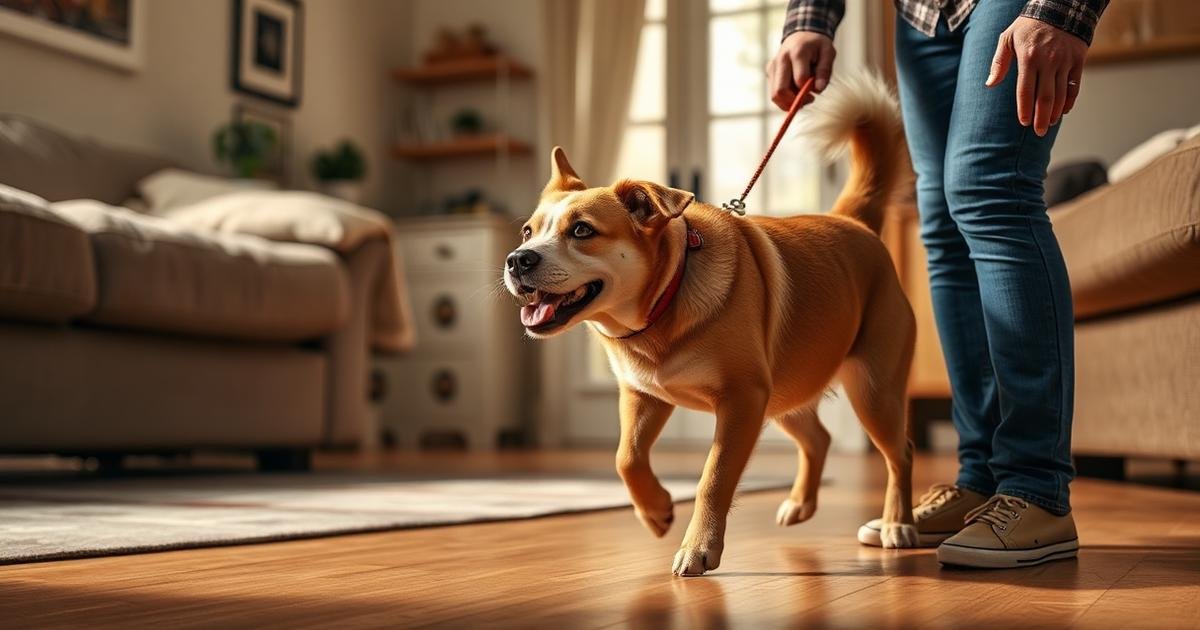
Jumping is one of the most common complaints dog owners face, but comes down to a simple principle: reward the behavior you want and remove attention for the behavior you don't. The most effective method is to teach your dog that four paws on the floor earns them what they want—greetings, treats, and affection—while jumping reliably results in zero attention. This guide provides the exact step-by step protocol to achieve calm greetings within 2–3 weeks of consistent practice.
How to stop dog jumping on people: The fastest way to stop dog jumping on people is to teach an incompatible behavior like "sit" and consistently remove all attention—no eye contact, no touching, no speaking—anytime your dog jumps. Reward your dog with treats and calm praise only when all four paws are on the ground. Most dogs learn
Quick Answer: What Is the Fastest Way to Stop a Dog From Jumping?
The fastest way to stop dog jumping on people is to teach an incompatible behavior like "sit" and consistently remove all attention—no eye contact, no touching, no speaking—anytime your dog jumps. Reward your dog with treats and calm praise only when all four paws are on the ground. Most dogs learn this in 2–3 weeks of daily practice with every person who enters your home.
For a complete guide on this topic, see the Ultimate Guide To Dog Training.
Why Do Dogs Jump on People in the First Place?
Dogs jump to gain attention, not to be dominant or aggressive. When a puppy jumps up to greet its mother, the mother licks the puppy's face—this instinct carries into adulthood. Your dog jumps because it works: you look down, you push them away, or you say "down," all of which are forms of attention.
Jumping is also a self reinforcing behavior. Your dog's face gets closer to yours, they can sniff your breath, and they feel engaged. The American Kennel Club notes that jumping is one of the most common training challenges because owners inadvertently reinforce it by reacting at all.
Pro Tip: If your dog jumps when you walk through the door, they are over aroused with excitement, not being "bad." Manage the environment first: keep a leash by the door or practice coming in calmly when your dog is already settled.
How to Stop Dog Jumping on People: The 4-Step Training Protocol
Step 1: Remove All Reinforcement for Jumping
Every time your dog jumps, you must become a statue. Cross your arms, turn your back, and look away. Do not say a word. Do not push, knee, or make eye contact. This is called "negative punishment" in operant conditioning—you remove something the dog wants (your attention) to decrease the behavior.
Consistency is critical here. If even one family member laughs or pets the dog while jumping, the behavior will persist. The Association of Professional Dog Trainers emphasizes that intermittent reinforcement (sometimes getting attention for jumping) makes the behavior extremely resistant to extinction.
Step 2: Teach and Reinforce an Incompatible Behavior
The most reliable alternative to jumping is a sit. When your dog sits, they physically cannot jump. Start training in a low distraction environment at home. Hold a treat at your dog's nose, lift it slightly above their head, and say "sit." The moment their rear hits the floor, mark with "yes" and give the treat.
Practice this 10–15 times in a row, 2–3 times daily. Once your dog sits reliably at home, begin practicing with mild distractions—a family member walking by, or you picking up your keys. The goal is to make sitting the default behavior whenever someone approaches.
Step 3: Control the Environment During Greetings
When guests arrive, manage the situation so training can succeed. Keep your dog on a leash or behind a baby gate initially. Ask your dog to sit before anyone approaches. If your dog stands up, the guest takes a step back. Only when your dog remains seated does the guest move forward and calmly greet them.
This process teaches your dog that jumping makes people go away, while sitting makes people come closer. The PetMD resource on jumping behaviors confirms that this reversal of cause-and effect is what changes the behavior most quickly.
Step 4: Generalize the Behavior Across All People and Settings
Dogs are poor at generalizing—they may sit perfectly for you at home but jump on strangers at the park. To fix this, practice with different people in different locations. Ask friends to help by acting as "fake guests." Give each friend a handful of treats and instruct them to ignore jumping and reward sitting.
Within 2–3 weeks of daily practice, most dogs learn that sitting is the fastest way to get attention from anyone. If your dog regresses, go back to Step 1 for a few sessions. Regression is normal and does not mean the training failed.
Pro Tip: Use a "magnet hand" technique: keep a treat hidden in your palm when greeting your dog. Hold that hand at waist level. When your dog sniffs your hand instead of jumping, mark and reward. This redirects the nose downward, making jumping impossible.
What Should You Do When a Guest Ignores Your Training?
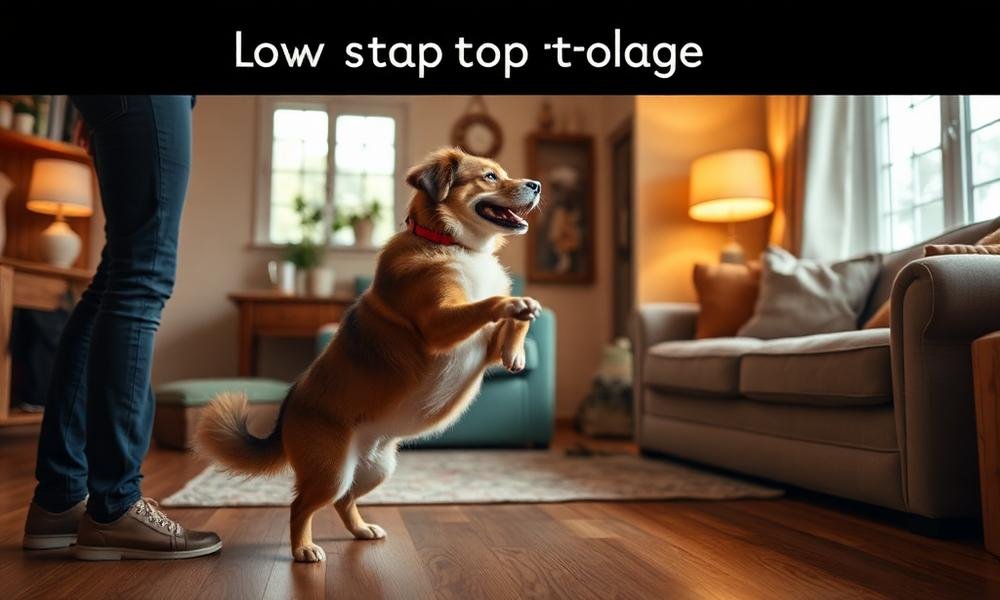
Even with perfect training, some guests will inadvertently reinforce jumping by petting your excited dog. The solution is proactive management. Before the guest arrives, explain exactly what you need: "Please ignore my dog completely until I tell you it's okay. Do not look at or touch her until she sits."
If a guest ignores your instructions, do not punish your dog. Instead, calmly leash your dog and remove them from the situation for 30 seconds. Return and try again. Over time, your dog learns that jumping leads to being removed from the fun, while sitting keeps them in the action.
Pro Tip: Post a small sign on your front door that reads "Dog in training—please ignore jumping and only greet when sitting." This sets expectations before anyone crosses your threshold and prevents awkward conversations.
How to Stop Dog Jumping on People When You Come Home
Coming home is the highest arousal moment for most dogs. The key is to make your arrival boring. When you walk through the door, do not acknowledge your dog at all for the first 2–3 minutes. Hang up your coat, put down your bag, and act as if your dog does not exist.
Once your dog has calmed down—usually after 30–90 seconds—call them over and ask for a sit. Then give calm, gentle attention. This teaches that calm behavior, not frantic jumping, is what earns your affection. The AVMA recommends this "calm in, calm out" approach for managing over arousal in dogs.
What If Your Dog Jumps on Children or Elderly People?
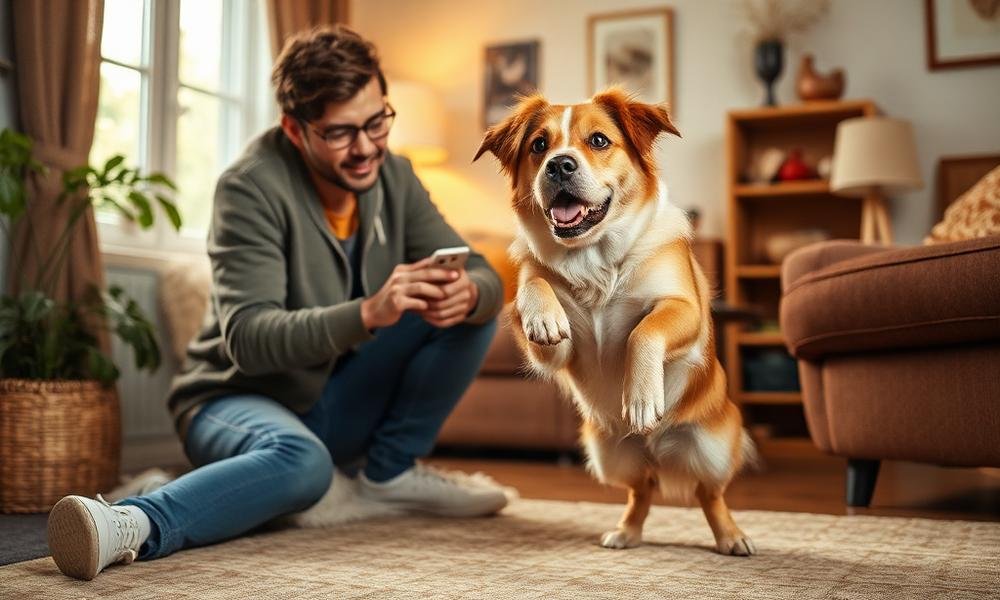
Jumping on vulnerable individuals requires extra precautions. For children, teach them to stand still, cross their arms, and look away if the dog jumps. Never allow a child to push a dog or run away, as this triggers chase instincts. Supervise all interactions until the dog reliably sits for greetings.
For elderly people or those with mobility issues, use a physical barrier like a baby gate or exercise pen when they visit. Have the person sit down before the dog approaches—a seated person is less likely to be knocked over. Train your dog to go to a designated mat or bed when guests arrive, and reward them for staying there.
Pro Tip: Teach a "go to mat" cue as a backup behavior. When you see a guest approaching, send your dog to their mat and reward them for staying. This completely eliminates the opportunity to jump and is especially useful for high energy breeds.
How to Stop Dog Jumping on People on Walks: A Separate Strategy
Walking introduces unique challenges because your dog encounters strangers, other dogs, and exciting scents in rapid succession. The key difference from home training is that you have less control over who approaches and how they react. Use a front clip harness to give you better leverage and prevent your dog from lunging upward.
When you see someone approaching, ask your dog to sit and face you. Reward calm sitting with small, high value treats. If your dog jumps despite your cue, immediately turn and walk in the opposite direction for 10–15 steps. This teaches that jumping ends the walk forward, while sitting keeps it moving. Practice this on every walk for at least 2 weeks to build a strong default behavior.
Pro Tip: Carry a small pouch of freeze dried liver or cheese on walks. These high value rewards outrank the excitement of strangers. Use them exclusively for greeting practice so your dog associates calm behavior with the best possible payoff.
How Long Does It Take to Stop a Dog From Jumping?
With consistent daily practice, most dogs show significant improvement within 1–2 weeks. Full reliability—meaning your dog sits automatically when anyone approaches—typically takes 3–4 weeks of generalization training. Puppies may learn faster, while adult dogs with a long history of jumping may take 4–6 weeks.
Speed depends entirely on consistency. If every person who interacts with your dog follows the same protocol, you will see results quickly. If even one person occasionally reinforces jumping, the behavior will persist. The AKC notes that jumping is one of the easiest behaviors to fix when everyone is on the same page, and one of the hardest when they are not.
Common Mistakes That Slow Down Progress
One of the most frequent errors is inconsistency across family members. If you ignore jumping but your partner pets the dog when they jump, your dog learns that jumping sometimes works. This intermittent reinforcement makes the behavior extremely durable. Hold a family meeting and agree on the exact protocol everyone will follow.
Another common mistake is using verbal corrections like "down" or "off" while the dog is jumping. Saying anything gives your dog attention, which reinforces the jump. Silence is more powerful than any word. Also, some owners give up after 3–4 days because they do not see immediate results. Jumping habits formed over months or years require at least 2–3 weeks of consistent practice to break.
Pro Tip: Keep a simple training log. Write down each greeting session, note whether your dog jumped or sat, and track how long it took to calm down. Seeing measurable progress on paper motivates you to stay consistent through the first difficult week.
Stop the jumping for good with professional grade training tools designed for consistent results.
Browse Dog Training Options →
Frequently Asked Questions
Does kneeing a dog in the chest stop jumping?
No. Kneeing can injure your dog and damage your relationship. It also does not teach your dog what to do instead. Use the removal of attention method instead—it is safer and more effective.
How to stop dog jumping on people when excited?
Manage the arousal level first. Keep greetings low-key, avoid high pitched voices, and wait for calm behavior before giving attention. Use a leash to prevent rehearsal of the jumping behavior during the excitement phase.
Can you train an older dog to stop jumping?
Yes. Adult dogs learn the same way puppies do, though it may take slightly longer if the behavior has been reinforced for years. The same 4-step protocol works for dogs of any age.
How to stop dog jumping on people without treats?
Use life rewards: the attention and greeting itself is the reward. Have people turn away when the dog jumps and only turn back to pet when all four paws are on the ground. Praise and petting replace treats as the reinforcer.
Why does my dog only jump on certain people?
Dogs jump more on people who have previously given them attention for it, or on people who seem nervous or excited. Nervous people often lean back or make eye contact, which dogs interpret as engagement.
How to stop dog jumping on people on walks?
Keep your dog on a short leash and ask for a sit before anyone approaches. If your dog jumps, turn and walk the other direction. Do not allow greetings until your dog can remain seated while someone passes.
Should I use a spray bottle to stop jumping?
No. Aversive tools like spray bottles can create fear and anxiety, which often makes jumping worse as the dog becomes conflicted. Positive reinforcement methods are more effective and strengthen your bond.
How to stop dog jumping on people at the door?
Use a baby gate to block access to the door. Practice having family members come and go while your dog remains behind the gate. Only open the gate when your dog is calm and sitting. This prevents rehearsal of the jumping behavior entirely.
For authoritative reference on canine health and care standards, the American Kennel Club (AKC) provides breed-specific guidance trusted by veterinary professionals. For health-related questions, PetMD offers veterinarian-reviewed information on symptoms and treatments.
Learn more in our detailed guide on dog digging in yard how to stop.