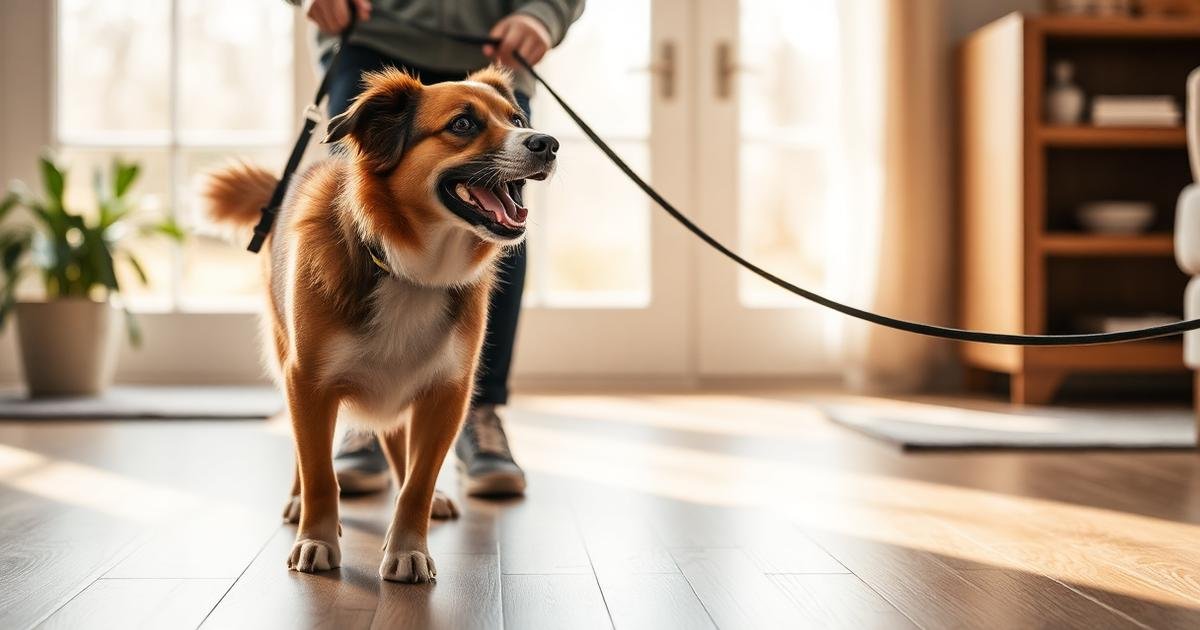
If your dog pulls on the leash, you need to stop rewarding the tension with forward movement. The most effective way to stop dog pulling on leash how to stop is to teach your dog that a loose leash leads to progress, while pulling leads to an immediate halt. This method, combined with proper equipment and consistent practice, typically resolves pulling within 2–3 weeks of daily sessions.
Dog pulling on leash how to stop: The fastest method is the "stop-and-go" technique: the moment your dog pulls and the leash tightens, stop walking and stand still like a tree. Wait for the leash to go slack (even for one second), then immediately reward with a treat and resume walking. This teaches your dog that pulling stops forwa
Quick Answer: What Is the Fastest Way to Stop a Dog From Pulling on the Leash?
The fastest method is the "stop-and-go" technique: the moment your dog pulls and the leash tightens, stop walking and stand still like a tree. Wait for the leash to go slack (even for one second), then immediately reward with a treat and resume walking. This teaches your dog that pulling stops forward movement, while a loose leash moves forward. For most dogs, consistent practice for 10–15 minutes daily yields noticeable results within 1–2 weeks.
For a complete guide on this topic, see the Ultimate Guide To Dog Training.

Why Does My Dog Pull on the Leash in the First Place?
Dogs pull because pulling works. Every time your dog lunges forward and you follow, you reinforce the behavior. The mechanics are simple: your dog wants to move toward something interesting (a smell, another dog, a person), and pulling gets them there faster.
Pulling is also a natural opposition reflex. When a dog feels pressure on their neck or chest from the leash, their instinct is to pull harder against it—the same way a sled dog leans into a harness. This is not defiance; it's an ingrained response that requires retraining, not punishment.
Common triggers include high excitement levels, lack of exercise before walks, and inconsistent handler responses. Dogs who pull often have never been taught an alternative behavior. The key to stopping the right choice is replacing the pulling behavior with a loose leash walking pattern that your dog finds more rewarding.
Pro Tip: Before starting loose leash training, burn off 5–10 minutes of energy with a game of fetch or tug in your yard. A slightly tired dog is far more receptive to learning new walking cues and less likely to pull out of sheer excitement.
What Equipment Helps Stop a Dog From Pulling?
The right equipment makes training significantly easier. A standard flat collar often triggers the opposition reflex, making pulling worse. Instead, use a front clip harness or a head halter designed for pulling dogs.
A front clip harness (like the Best Dog Harness For Pulling) attaches the leash at the dog's chest. When your dog pulls, the harness gently turns their body sideways, breaking their forward momentum. This is safer than a collar and gives you more control without causing discomfort.
Head halters work similarly to a horse's halter, guiding the dog's head. When the dog pulls, their head turns toward you, redirecting their attention. These require proper acclimation over 1–2 weeks. Avoid retractable leashes entirely for pulling dogs—they teach your dog that tension equals more freedom and make stopping the right choice nearly impossible.
What About No Pull Harnesses vs. Choke Chains?
No pull harnesses are the safest and most effective option for most dogs. Choke chains and prong collars work through pain or discomfort, which can increase anxiety and aggression in some dogs. The American Kennel Club recommends positive reinforcement based tools like front clip harnesses over aversive equipment. A well fitted harness paired with training resolves pulling without causing physical or psychological harm.
Pro Tip: When fitting a front clip harness, make sure you can fit two fingers between the harness and your dog's body at any point. A harness that is too tight restricts movement; one that is too loose allows your dog to back out and escape.
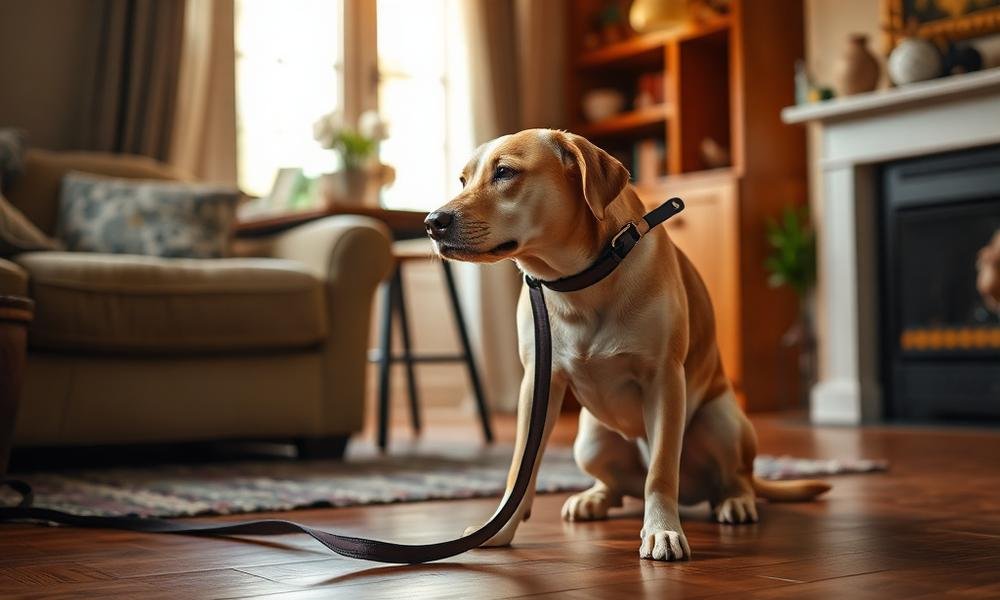
How to Train a Dog to Stop Pulling: Step-by-Step
Training requires consistency, high value treats, and patience. Follow these steps in every walk for at least 2 weeks to see lasting change in stopping dog pulling on leash how to stop.
Step 1: Master the "Stop-and-Go" Method
Start in a low distraction area like your backyard or a quiet hallway. Hold the leash with both hands, keeping it loose. The moment your dog reaches the end and the leash tightens, stop moving immediately. Do not say anything—no corrections, no "no." Stand still like a statue. Wait. As soon as your dog looks back at you or takes a step toward you (creating slack), mark with "yes" or click, give a treat, and resume walking. Repeat this every single time the leash tightens.
Step 2: Add Direction Changes
Getting dog pulling on leash how to stop right is less about perfection and more about staying consistent with a proven approach.
Once your dog understands the stop, add turns. When your dog pulls ahead, turn 180 degrees and walk the other direction. Your dog will be forced to follow. As they catch up and walk beside you, reward with a treat. This teaches your dog to watch you, not the environment. Practice 5–10 direction changes per session.
Step 3: Use the "Watch Me" Cue
Before your dog has a chance to pull, get their attention. Hold a treat at your eye level and say "watch me." When your dog makes eye contact, reward. Practice this at home first, then during walks. A dog focused on you cannot pull toward distractions. This cue is a cornerstone of stopping dog pulling on leash how to stop effectively.
Step 4: Gradually Increase Distractions
Start in quiet areas and slowly add distractions. Walk past a neighbor's yard at a distance, then closer over several sessions. If your dog pulls, increase distance or return to the stop-and go method. Progress should be slow—each session builds on the last. Within 3–4 weeks, most dogs can walk past mild distractions without pulling.
Pro Tip: Use the "1-2-3 treat pattern" during walks. Give a treat at your left knee every 3–5 steps when your dog is in position. This keeps your dog engaged and reinforces the correct position without waiting for them to fail first.
How to Prevent Pulling Before It Starts
Prevention is easier than correction. Before every walk, have your dog sit calmly at the door before you attach the leash. If they are excited, wait. Only clip the leash when your dog is sitting or standing calmly. This sets the tone for the entire walk.
Use a consistent walking routine. Walk the same route for the first 5 minutes to allow your dog to settle, then introduce varied paths. A predictable start reduces arousal levels. Also, make sure your dog gets adequate mental stimulation through puzzle toys or training before walks—a mentally tired dog is less likely to pull.
Practice loose leash walking inside your home for 5 minutes daily. This builds the habit in a low stakes environment. When your dog learns that loose leash walking earns treats and forward movement everywhere, stopping the best option becomes automatic.

What Common Mistakes Make Pulling Worse?
Many owners inadvertently reinforce pulling by using the wrong leash or reacting inconsistently. The most common mistake is using a retractable leash, which teaches dogs that pulling extends their range. Switching to a fixed 4–6 foot leash eliminates this reward immediately.
Another frequent error is yanking or jerking the leash when the dog pulls. This triggers the opposition reflex, causing the dog to pull harder. It also damages the human dog relationship by associating walks with discomfort. Instead, use the stop-and go method without adding physical corrections.
Inconsistent rules also sabotage progress. If you allow pulling when you're in a hurry but correct it on leisurely walks, your dog learns that pulling sometimes works. For effective stopping the right choice, you must enforce the same rule every single time—no exceptions. Even one permissive walk can set training back by several days.
Pro Tip: Keep a training log for the first week. Note each walk's duration, how many times your dog pulled, and what distractions were present. This data helps you identify patterns and adjust your approach more precisely.
How Do Different Dog Breeds Affect Pulling Behavior?
Breed tendencies influence how easily a dog learns loose leash walking. High energy working breeds like Siberian Huskies, Labrador Retrievers, and German Shepherds are genetically programmed to pull against resistance. These breeds often require more structured training and higher value rewards to overcome their natural instincts.
Terrier breeds and scent hounds (Beagles, Basset Hounds) pull primarily because their noses drive them forward. For these dogs, training must address their intense environmental focus. Using scent based games during walks—like hiding treats along the path—can redirect their drive into a controlled behavior.
Small breeds like Chihuahuas or Dachshunds may pull less forcefully, but they still need consistent training. Their small size makes pulling easier for the owner to ignore, but the behavior remains problematic. Regardless of breed, the same stop-and go and direction change methods work. The difference is in the intensity and duration of training needed for stopping the right choice effectively.
Pro Tip: For high pulling breeds like Huskies, incorporate "weight pull" training as a controlled outlet. Teach your dog to pull a weighted sled or cart on command in a designated area, then enforce loose leash walking on regular walks. This satisfies their pulling instinct without ruining your walks.
When Should You See a Veterinarian or Professional Trainer?
If your dog pulls excessively despite 2–3 weeks of consistent training, consult a veterinarian. Pain from conditions like hip dysplasia or arthritis can cause dogs to pull to avoid discomfort when walking slowly. A vet check rules out medical causes before behavioral training continues.
The practical side of dog pulling on leash how to stop comes down to small daily decisions that add up over weeks.
Also seek professional help if pulling is accompanied by aggression, extreme fear, or reactivity toward other dogs or people. A certified professional dog trainer (CPDT-KA) can assess your dog's specific triggers and create a tailored plan. The American Veterinary Society of Animal Behavior recommends force free trainers for addressing pulling and other walking issues.
Pulling that leads to coughing, gagging, or collapse during walks may indicate a tracheal or respiratory problem. Stop using a collar immediately and switch to a harness. See your vet promptly if these symptoms appear.
Stop pulling in just 2 weeks with the right tools and training plan.
Browse Dog Training Options →
Frequently Asked Questions
How long does it take to stop a dog from pulling on the leash?
Most dogs show improvement within 1–2 weeks of daily 10-minute training sessions. Full loose leash walking typically takes 3–4 weeks of consistent practice. The timeline depends on your dog's age, breed, and previous walking habits.
Should I use a prong collar to stop pulling?
No. Prong collars work through pain and can increase fear, anxiety, and aggression. The American Kennel Club and most veterinary behaviorists recommend positive reinforcement methods with front clip harnesses instead. These are safer and more effective long-term.
What is the best leash for a dog that pulls?
A standard 4–6 foot flat leash (not retractable) paired with a front clip harness. Retractable leashes encourage pulling by rewarding tension with more freedom. A fixed length leash gives you control and consistency during training.
Can an older dog learn to stop pulling?
Yes. Dogs of any age can learn loose leash walking. Older dogs may take slightly longer due to established habits, but the same stop-and go and direction change methods work. Be patient and use high value treats. Most senior dogs improve within 3–4 weeks.
What treats should I use for loose leash training?
Use small, soft, high value treats your dog only gets during walks. Options include boiled chicken, cheese cubes, or freeze dried liver. Each treat should be pea sized to avoid overfeeding. The treat must be more exciting than the environment.
Why does my dog pull more when other dogs are around?
Your dog likely wants to greet or play, and pulling has worked in the past. Increase distance from other dogs until your dog can focus on you. Use the "watch me" cue and reward heavily when your dog looks at you instead of the other dog.
Is it okay to let my dog pull sometimes?
No. Inconsistent rules confuse your dog. If pulling works sometimes, your dog will keep trying. Be 100% consistent—every tight leash means you stop. This clarity speeds up learning and makes stopping dog pulling on leash how to stop permanent.
What if my dog refuses to walk when I stop for pulling?
This is common. Wait silently for 30–60 seconds. If your dog still refuses, gently lure them with a treat toward you. Do not give in and walk forward. Once they take one step toward you, reward and continue. Patience wins this battle.
Can I train my dog to stop pulling without treats?
Yes, but it is slower. Use praise, play, or access to sniffing as rewards instead of food. However, treats are the most efficient reinforcer for most dogs, especially in the first 2 weeks of training.
When owners focus specifically on dog pulling on leash how to stop, they tend to see more consistent results over time.
Does my dog's age affect how quickly they learn?
Puppies under 6 months learn faster because they have fewer ingrained habits. Adolescent dogs (6–18 months) may test boundaries more. Senior dogs learn at a steady pace but require patience. All ages can succeed with consistent training.
For authoritative reference on canine health and care standards, the American Kennel Club (AKC) provides breed-specific guidance trusted by veterinary professionals. For health-related questions, PetMD offers veterinarian-reviewed information on symptoms and treatments.
Check out our complete overview of dog counter surfing how to stop for more information.
For more on this topic, see our guide to dog digging in yard how to stop.