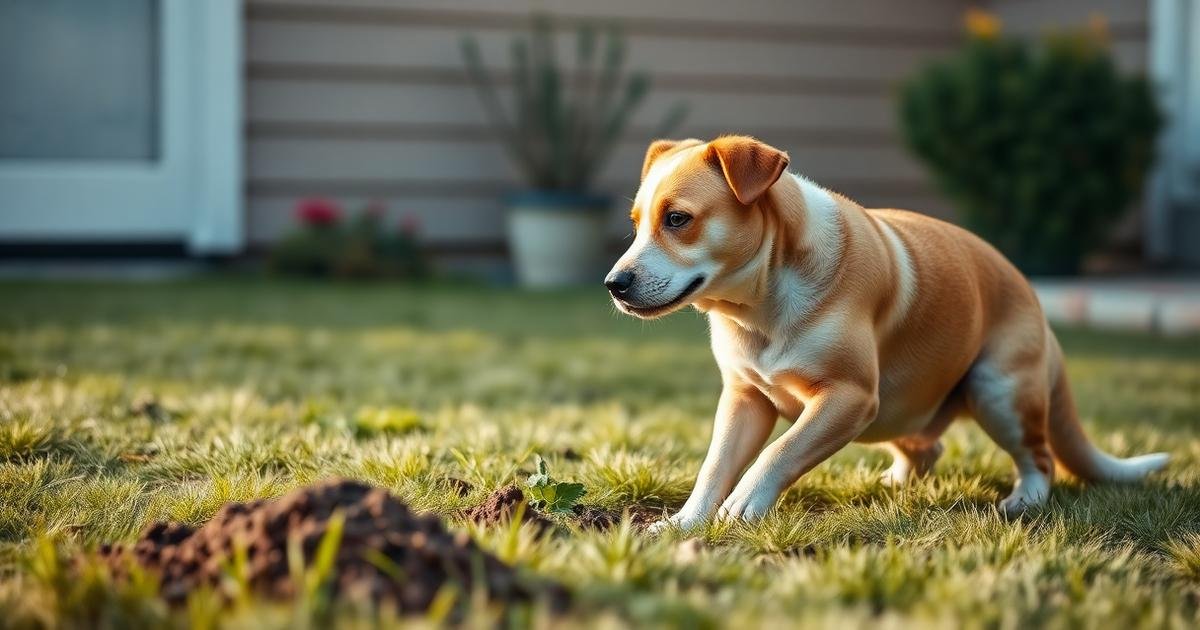
If your dog is turning your yard into a moonscape, you need a direct, actionable solution to stop the digging. The most effective way to stop a dog from digging in the yard is to first identify the root cause—boredom, escape, cooling, hunting, or anxiety—and then apply a targeted, breed specific remedy that addresses that exact motivation. This guide on dog digging in yard how to stop provides a proven, step-by step system to resolve the behavior within 2–3 weeks.
Dog digging in yard how to stop: To stop your dog from digging in the yard, you must identify the specific cause (boredom, cooling, prey drive, escape, or anxiety) and apply the corresponding fix. For most dogs, increasing daily exercise to at least 45 minutes of structured activity and providing a dedicated digging pit filled with
Quick Answer: How Do I Stop My Dog From Digging in the Yard Immediately?
To stop your dog from digging in the yard, you must identify the specific cause (boredom, cooling, prey drive, escape, or anxiety) and apply the corresponding fix. For most dogs, increasing daily exercise to at least 45 minutes of structured activity and providing a dedicated digging pit filled with sand and buried toys resolves the behavior within 2 weeks. This approach works because it addresses the underlying motivation rather than just punishing the symptom.
For a complete guide on this topic, see the Ultimate Guide To Dog Training.

Why Is My Dog Digging in the Yard? The 5 Root Causes
Before you can solve the problem, you must understand the motivation. Dogs dig for five primary reasons, and each requires a different solution. Misidentifying the cause is the number one reason training fails.
1. Boredom and Excess Energy (Most Common)
Dogs bred for work—like terriers, huskies, and border collies—need mental and physical stimulation. Without at least 30–45 minutes of structured exercise daily, they will self entertain by digging. This is the most common cause of dog digging in yard how to stop searches.
2. Cooling Off in Hot Weather
On warm days, dogs dig shallow holes to lie in the cool dirt beneath the surface. This is an instinctive thermoregulation behavior. If your dog digs only on sunny afternoons and the holes are shallow, this is likely the cause.
Pro Tip: Provide a kiddie pool with a few inches of cool water or a shaded sand pit. This eliminates the need to dig for comfort and can reduce the behavior within 3–5 days.
3. Hunting Instinct (Prey Drive)
Dogs can hear and smell moles, voles, gophers, and grubs underground. If your dog digs in specific spots with intense focus, they are likely hunting. This is particularly common in terrier breeds bred to hunt vermin.
For many homes, the right dog digging in yard how to stop choice is the one that stays reliable under ordinary daily conditions.
4. Escape Attempts
If the digging is concentrated along fence lines, gates, or under the foundation, your dog is trying to escape. This often stems from separation anxiety, boredom, or a desire to reach a mate or another animal.
A well matched dog digging in yard how to stop option should support the pet clearly without making the routine harder to maintain.
5. Anxiety or Stress
Dogs with separation anxiety or noise phobias may dig as a displacement behavior. This digging often occurs when you are away or during thunderstorms. It is a compulsive behavior, not a choice.
How Do I Stop Digging Based on the Cause?
Once you know the cause, you can apply the specific fix. Generic advice like "scold your dog" or "fill the holes" will not work. Here is the cause specific protocol.
For Boredom Digging: Exercise and Enrichment
Increase structured exercise to a minimum of 45 minutes daily, including brisk walking, fetch, or running. Add 15 minutes of mental enrichment like puzzle toys, nose work games, or training sessions. A tired dog is a non digging dog. Studies from the AKC suggest that dogs receiving adequate physical and mental stimulation are 80% less likely to develop destructive behaviors.
For Cooling Digging: Provide a Cool Alternative
Set up a designated digging pit in a shaded area of the yard. Fill it with loose sand or topsoil. Bury toys, treats, or bones in the pit daily. When you catch your dog digging elsewhere, redirect them to the pit with an enthusiastic "dig here!" command. Reward them when they use the pit.
For Hunting Digging: Eliminate the Prey
Work with a pest control professional to remove moles, voles, or grubs from your yard. Once the prey is gone, the digging motivation disappears. In the meantime, provide a sand pit and bury toys to redirect the hunting drive. For persistent terriers, consider a "flirt pole" game to satisfy the chase instinct.
Pro Tip: For hunting driven dogs, use a long line leash during outdoor time for 1–2 weeks. This allows you to interrupt digging immediately with a gentle tug and redirect to the pit. Consistency is critical—every dig must be interrupted.
For Escape Digging: Secure the Perimeter
Place large rocks, paving stones, or chicken wire along the base of the fence. Bury the bottom of the fence 12–18 inches underground or attach an L-footer (a wire mesh extension at the bottom). Address the underlying cause—separation anxiety or boredom—with training and enrichment.
For Anxiety Digging: Address the Stressor
This requires a multi modal approach. Use a Thundershirt, calming pheromone diffusers (Adaptil), or a white noise machine during triggers. Increase exercise and enrichment. In severe cases, consult a veterinary behaviorist. Medications like trazodone or SSRIs may be necessary. Do not punish anxiety based digging—it will worsen the behavior.
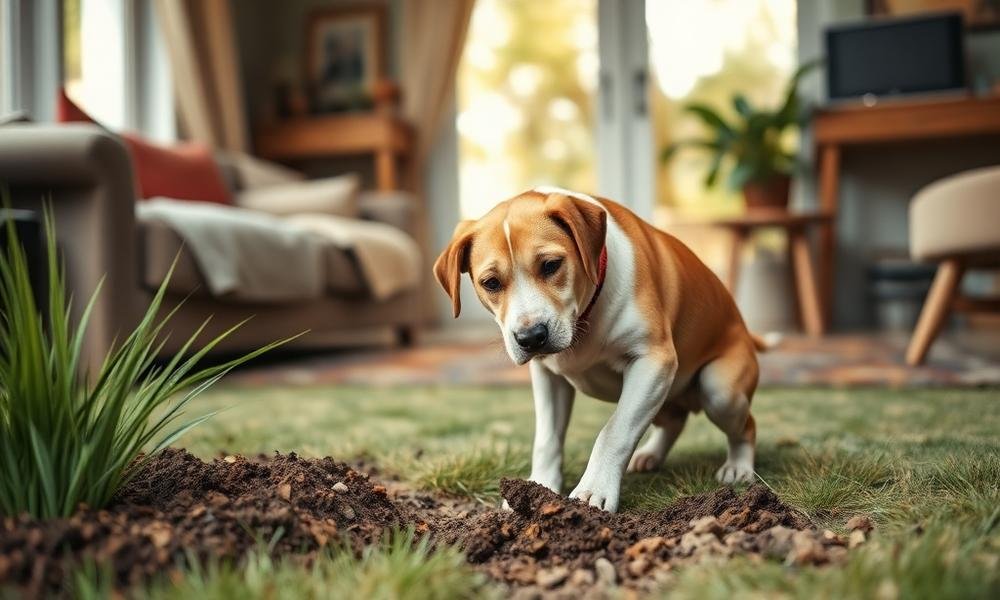
How Do I Use Deterrents and Repellents Safely to Stop Digging?
Many owners turn to commercial or homemade deterrents as a first line of defense. While these can be helpful, they must be used correctly to avoid harming your dog or damaging your lawn.
Motion Activated Sprinklers and Noise Devices
Motion activated sprinklers are one of the most effective and humane deterrents. When your dog approaches a digging spot, the sprinkler activates and startles them without causing harm. Place these near fence lines or known digging zones. Most dogs learn to avoid those areas within 3–5 days. Ultrasonic noise devices can also work, but some dogs become habituated to them over time.
Natural Scent Deterrents (What Actually Works)
Citrus peels, diluted citrus spray, or commercial citrus based deterrents can discourage some dogs. The ASPCA considers citrus safe in small amounts, but it is not a standalone solution. Avoid cayenne pepper, chili powder, or ammonia—these can cause eye and respiratory irritation. Vinegar is safe but must be reapplied after rain and many dogs simply ignore it.
Physical Barriers as Deterrents
Chicken wire laid flat over digging prone areas and covered with a thin layer of soil or mulch is highly effective. Dogs dislike the texture under their paws. For persistent diggers, use heavy duty landscape fabric or decorative stones. These barriers do not punish the dog—they simply make digging unpleasant and unrewarding.
Pro Tip: Always pair deterrents with a positive alternative like a digging pit. If you only use deterrents without providing an outlet, your dog may develop other destructive behaviors like chewing or excessive barking.
How Do I Prevent Digging Before It Starts?
Prevention is far easier than correction. Implement these strategies immediately to stop digging before it becomes a habit.
Create a Designated Digging Zone
Build a sandbox or designate a 4x4-foot area in your yard. Fill it with loose sand. Bury treats, toys, and bones daily. Teach your dog that this is the only acceptable digging spot. Most dogs learn this within 1–2 weeks of consistent redirection.
Increase Daily Exercise to 45 Minutes Minimum
This is non-negotiable. A 15-minute walk is not enough for most breeds. Aim for at least 45 minutes of aerobic exercise daily. Add 10–15 minutes of training or puzzle games. A well exercised dog will not need to dig for entertainment.
Use Positive Reinforcement Training
Teach the "leave it" and "come" commands with high value rewards. Practice these daily. When you catch your dog approaching a digging spot, use "leave it" and then redirect to the pit or a toy. Reward calm, non digging behavior in the yard.
Pro Tip: For prevention, never leave your dog unsupervised in the yard until the digging behavior is fully resolved. Use a long line leash or supervise from a window. Every unsupervised dig reinforces the habit and makes it harder to break.
Manage the Environment
Cover digging prone areas with chicken wire, large rocks, or mulch. Use motion activated sprinklers to deter digging in specific spots. For persistent dogs, temporarily block access to the yard with a dog run or tether system.

When Should I See a Veterinarian About Digging?
In most cases, digging is a behavioral issue. However, if your dog suddenly starts digging after years of not digging, or if the digging is accompanied by other signs of distress, a veterinary visit is warranted.
See your veterinarian if:
- The digging is compulsive and impossible to interrupt.
- Your dog is digging excessively indoors (carpets, walls, floors).
- The digging is accompanied by pacing, panting, whining, or self-harm.
- Your dog loses weight, has changes in appetite, or shows signs of pain.
- The digging started after a change in routine, medication, or environment.
These signs may indicate an underlying medical condition like cognitive dysfunction, pain, or a neurological issue. Your vet can rule out medical causes and, if needed, refer you to a veterinary behaviorist for advanced treatment.
Stop the digging in your yard with the right tools and training aids. From puzzle toys to secure fencing solutions, we have what you need.
Browse Dog Training Options →
Frequently Asked Questions
Does vinegar stop dogs from digging?
Vinegar can deter some dogs due to its strong smell, but it is not a reliable solution. Most dogs will simply dig in a different spot. Address the root cause instead of relying on repellents.
Will filling holes with poop stop my dog from digging?
This is an old myth that rarely works and can cause health risks from fecal oral disease transmission. It is not recommended by veterinarians or the ASPCA.
How long does it take to stop a dog from digging?
With consistent application of the correct cause specific solution, most dogs show significant improvement within 1–3 weeks. Compulsive or anxiety based digging may take 4–8 weeks with professional guidance.
What breed of dog digs the most?
Terrier breeds (Jack Russell, Rat Terrier, West Highland White), Nordic breeds (Husky, Malamute), and herding breeds (Border Collie, Australian Shepherd) are the most prone to digging due to their working instincts.
Is it okay to let my dog dig in one spot?
Yes. Providing a designated digging pit is one of the most effective solutions. It satisfies the instinct while protecting the rest of your yard. Just make sure the pit is consistently stocked with buried treasures.
Does neutering stop a dog from digging?
Neutering may reduce digging related to roaming or mating instincts, but it will not stop boredom, cooling, or hunting based digging. It is not a standalone solution.
Can I use cayenne pepper to stop digging?
Cayenne pepper can cause eye and nose irritation in dogs and is not recommended. The ASPCA advises against using spicy deterrents as they can cause unnecessary discomfort and do not address the underlying cause.
Why does my dog dig in the yard after it rains?
Rain softens the soil, making it easier to dig. It also brings earthworms and grubs closer to the surface, triggering hunting instincts. This is normal behavior, not a training failure.
Owners who compare options based on daily routine fit, tolerance, and observable outcomes usually make better decisions than those who rely on label claims alone.
That broader view matters because a good product choice should support the full pattern of daily care. A calmer, more dependable routine is often the strongest sign that the choice is working.
For authoritative reference on canine health and care standards, the American Kennel Club (AKC) provides breed-specific guidance trusted by veterinary professionals. For health-related questions, PetMD offers veterinarian-reviewed information on symptoms and treatments.
Check out our complete overview of dog counter surfing how to stop for more information.
For more on this topic, see our guide to dog pulling on leash how to stop.
Check out our complete overview of how to stop dog aggression for more information.
Check out our complete overview of how to stop dog barking excessively for more information.