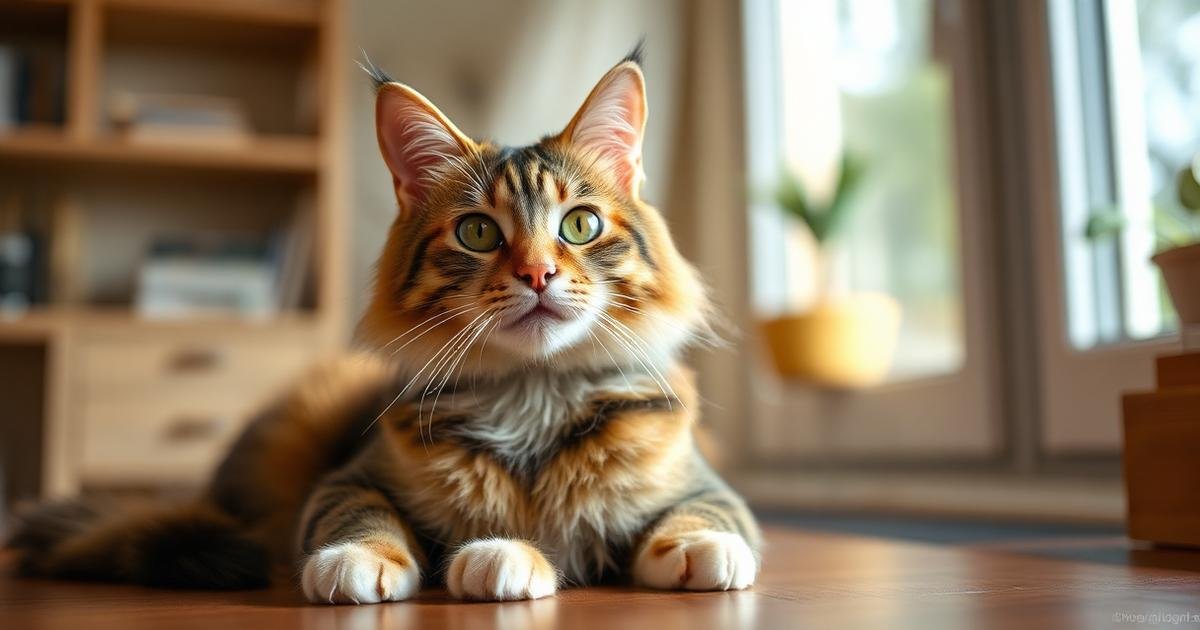
If you're wondering how long do cats live, the answer is that the average domestic cat lives between 12 and 18 years, with many reaching their early 20s. Indoor cats typically live significantly longer than outdoor cats, often reaching 15 to 20 years with proper care. The oldest verified cat, Creme Puff, lived to 38 years old, though this is exceptionally rare.
How long do cats live: Most domestic cats live between 12 and 18 years, with indoor cats averaging 15–20 years. Outdoor cats have a much shorter lifespan of 2–5 years due to accidents, disease, and predation. Factors like breed, diet, veterinary care, and lifestyle all influence longevity. With excellent care, some cats r
Quick Answer: How Long Do Cats Live?
Most domestic cats live between 12 and 18 years, with indoor cats averaging 15–20 years. Outdoor cats have a much shorter lifespan of 2–5 years due to accidents, disease, and predation. Factors like breed, diet, veterinary care, and lifestyle all influence longevity. With excellent care, some cats reach 25 years or older.
For a complete guide on this topic, see the Ultimate Guide To Cat Health.
What Factors Determine a Cat's Lifespan?
Your cat's lifespan isn't a fixed number. It depends on several key factors you can control. The biggest is whether your cat lives indoors or outdoors. Indoor cats live 15–20 years on average, while outdoor cats average just 2–5 years. That's a massive difference driven by risks like cars, predators, and infectious diseases.
Breed also plays a major role. Mixed breed cats (domestic shorthairs and longhairs) tend to live longer than purebreds. According to the AVMA's pet owner resources, Burmese and Siamese cats often reach 18–20 years, while breeds like Persians and Maine Coons average 12–15 years. Genetics matter, but environment matters more.
Pro Tip: If you adopt a cat from a shelter, ask about its history. Cats from known indoor environments tend to have fewer health issues than strays. A thorough vet check within 48 hours of adoption gives you a baseline for their health.
Diet quality directly impacts longevity. Cats fed a complete, balanced diet with high quality protein live longer than those on cheap, grain heavy foods. Obesity is the single most preventable factor shortening cat lifespans. A study in the Journal of Feline Medicine and Surgery found that overweight cats have a 2.8 times higher risk of death before age 12 compared to lean cats.
Veterinary care frequency matters too. Cats that see a vet at least once yearly (and twice after age 7) live 2–3 years longer on average than those who only visit when sick. Regular bloodwork catches kidney disease, hyperthyroidism, and diabetes early — conditions that are manageable when caught in early stages.
How Does Indoor vs. Outdoor Living Affect Lifespan?
This is the single most important decision you'll make for your cat. Indoor cats live 15–20 years. Outdoor cats average 2–5 years. The reasons are stark: outdoor cats face cars, dogs, coyotes, other cats (fighting and disease transmission), parasites, and toxins like antifreeze. The ASPCA behavior resources note that even "supervised" outdoor time carries risks.
If your cat demands outdoor access, consider a catio (enclosed outdoor cat enclosure) or harness training. These options provide enrichment without the research suggests 75% mortality risk that outdoor cats face annually from trauma. Cats can adapt to indoor life with proper stimulation — window perches, puzzle feeders, and regular play sessions.
Pro Tip: Transition an outdoor cat to indoor life gradually — over 2–4 weeks. Start by keeping them in for short periods with high value treats and toys. Use Feliway diffusers to reduce stress during the transition. Most cats adjust within 1 month.
The lifespan gap between indoor and outdoor cats is not a myth. A 2018 study published in the Journal of the American Veterinary Medical Association found that indoor cats had a median lifespan of 15.2 years compared to 3.7 years for outdoor cats. That's a 4x difference. If you want your cat to reach 20, keep them inside.

What Role Does Breed Play in Cat Longevity?
Breed significantly influences how long do cats live, but it's not the whole story. Mixed breed cats (domestic shorthairs) average 15–20 years. Purebreds vary widely. Burmese cats often live 18–20 years, with some reaching 25. Siamese cats average 15–20 years. Persian cats average 12–15 years due to brachycephalic breathing issues and kidney disease. Maine Coons average 12–15 years, with heart disease being common.
Some breeds have specific health issues that shorten lifespan. Ragdolls are prone to hypertrophic cardiomyopathy (HCM), which can cut life expectancy by 3–5 years. Sphynx cats face skin issues and heart problems, averaging 10–15 years. Scottish Folds have osteochondrodysplasia (painful joint deformities) that often limits them to 12–14 years.
Pro Tip: If you're choosing a purebred cat, research the breed's specific health problems. Ask the breeder for health clearances for HCM (echocardiogram), PKD (kidney ultrasound), and hip dysplasia. Responsible breeders screen for these conditions.
Regardless of breed, the most important factor is early detection of breed specific conditions. A Persian cat screened annually for kidney disease can live 16–18 years with proper management. A Maine Coon with regular cardiac checkups can reach 16 years. Don't let breed averages discourage you — excellent care extends any cat's lifespan.
How Does Preventative Veterinary Care Extend a Cat's Life?
Preventative care is the single most underutilized tool for extending how long do cats live. Many cat owners skip annual checkups because their cat "seems fine." But cats are masters at hiding illness — a survival instinct from their wild ancestors. By the time you notice symptoms, disease is often advanced.
Annual wellness exams should include a full physical, dental check, bloodwork, urinalysis, and blood pressure screening. After age 7, these should happen every 6 months. The AKC behavior guides emphasize that behavioral changes often signal pain or illness — a cat who stops jumping or hides more may have arthritis or dental disease.
Vaccinations prevent deadly diseases. Core vaccines (feline panleukopenia, feline herpesvirus, calicivirus, rabies) are essential for all cats. Non core vaccines (FeLV) are recommended for cats with any outdoor access. Keeping vaccines current prevents diseases that can kill within days, especially in kittens and seniors.
Pro Tip: Schedule your cat's annual exam during the same month each year — tie it to their birthday or adoption anniversary. Set a calendar reminder 2 weeks before. Many clinics offer wellness plan discounts for annual packages, saving you 15–research suggests 20% on routine care.
Parasite prevention is non-negotiable. Monthly heartworm, flea, and tick prevention protects against diseases that shorten lifespan. Heartworm in cats is untreatable and often fatal. Even indoor cats need prevention — mosquitoes get inside, and fleas hitchhike on your clothing. Year round prevention costs about $15–25 per month and adds years to your cat's life.

How Does Dental Health Impact How Long Do Cats Live?
Dental disease is the silent lifespan thief. By age 3, research suggests 70% of cats have some form of dental disease. The problem isn't just bad breath — it's systemic. Bacteria from infected gums enter the bloodstream and damage the heart valves, kidneys, and liver. Untreated dental disease shortens a cat's lifespan by 2–3 years on average.
Signs of dental disease include red or bleeding gums, yellow brown tartar on teeth, drooling, pawing at the mouth, and reluctance to eat hard food. Many cats hide these signs completely. That's why annual dental cleanings under anesthesia are essential — your vet can assess the full mouth, clean below the gumline, and extract diseased teeth.
Home care makes a difference. Daily tooth brushing with enzymatic cat toothpaste reduces plaque by 60–research suggests 70% within 4 weeks. Dental treats and water additives help but don't replace brushing. Start slowly — let your cat taste the toothpaste for 3 days, then introduce the brush for 10 seconds, gradually increasing to 30–60 seconds over 2 weeks.
Pro Tip: Use a finger brush instead of a traditional toothbrush for easier acceptance. Apply a small amount of poultry flavored enzymatic toothpaste. Brush in small circular motions on the outer surfaces only — cats rarely tolerate inner surface brushing. Reward with a high value treat afterward.
Professional dental cleanings cost $300–800 depending on your location and whether extractions are needed. That's a fraction of the cost of treating kidney disease or heart failure caused by dental bacteria. Schedule cleanings annually starting at age 3, or earlier if your cat has visible tartar or gingivitis.
Want to give your cat the best shot at 20+ years? Start with proper nutrition and regular vet care.
Browse Cat Health Options →
How Does Diet and Nutrition Impact Lifespan?
Your cat's diet directly determines how long do cats live. Cats are obligate carnivores — they need animal protein, not grains. A high-protein, moderate-fat, low carbohydrate diet mimics their natural prey. The best cat foods list meat as the first ingredient and contain less than research suggests 10% carbohydrates. Avoid foods with corn, wheat, or soy as primary ingredients.
Obesity is the lifespan thief. According to the Association for Pet Obesity Prevention, research suggests 60% of cats are overweight or obese. An overweight cat lives 2–3 years less than a lean cat. Obesity increases risks of diabetes, arthritis, urinary tract disease, and hepatic lipidosis (fatty liver disease). Feed measured portions — most cats need 200–250 calories daily, not free-feeding.
Hydration matters enormously. Cats evolved from desert ancestors and have a low thirst drive. Dry food diets lead to chronic dehydration, which causes kidney disease and urinary crystals. Feed at least research suggests 50% wet food to increase water intake. Some cats drink more from running water — a cat fountain can double their water consumption within 2 weeks.
Pro Tip: Switch to a species appropriate diet gradually over 7–10 days. Mix research suggests 25% new food with research suggests 75% old food, then increase by research suggests 25% every 3 days. Sudden diet changes cause vomiting and diarrhea. For senior cats (10+ years), add omega-3 fatty acids to support kidney and joint health.
Life stage nutrition matters. Kittens need high-calorie, high protein food for growth. Adult cats (1–7 years) need maintenance diets. Senior cats (8+ years) benefit from lower phosphorus (for kidneys), higher fiber (for digestion), and added joint supplements like glucosamine and chondroitin. Adjust your cat's diet at each life stage — the same food isn't optimal from kittenhood to old age.
What Common Health Issues Shorten Cat Lifespans?
Understanding what kills cats helps you prevent it. Chronic kidney disease is the #1 cause of death in senior cats, affecting 30–research suggests 40% of cats over 10 years. It's manageable with early detection — annual bloodwork catches it before symptoms appear. Hyperthyroidism affects research suggests 10% of cats over 10 and is treatable with medication, diet, or radioactive iodine therapy.
Cancer causes 20–research suggests 30% of cat deaths. Lymphoma, mammary cancer, and squamous cell carcinoma are most common. Spaying before the first heat cycle reduces mammary cancer risk by research suggests 91%. Vaccination against feline leukemia virus (FeLV) prevents the most common viral cause of cancer. Annual vet exams with thorough palpation catch lumps early.
Dental disease affects research suggests 70% of cats by age 3 and shortens lifespan by 2–3 years. Bacteria from infected gums enter the bloodstream and damage the heart, kidneys, and liver. Annual dental cleanings under anesthesia and daily tooth brushing prevent this. Dental treats and water additives help but don't replace professional cleanings.
Pro Tip: Watch for these early warning signs: increased thirst (kidney disease), weight loss despite good appetite (hyperthyroidism), hiding or decreased activity (pain), and bad breath (dental disease). Catching these early adds 2–5 years to your cat's life.
| Health Issue | Onset Age | Preventable? | Lifespan Impact |
|---|---|---|---|
| Chronic Kidney Disease | 10+ years | Partially (hydration, diet) | 2–5 years reduction |
| Hyperthyroidism | 10+ years | No (genetic) | Treatable, minimal impact |
| Dental Disease | 3+ years | Yes (brushing, cleanings) | 2–3 years reduction |
| Obesity | Any age | Yes (diet, exercise) | 2–3 years reduction |
| Feline Leukemia (FeLV) | Kitten young adult | Yes (vaccination) | 3–5 years reduction |
How Can I Help My Cat Live Longer?
You can directly influence how long do cats live through daily choices. Keep your cat indoors — this alone adds 10+ years. Feed a high-protein, low carbohydrate diet with at least research suggests 50% wet food. Maintain a lean body condition — you should feel ribs without pressing hard, and see a waist when looking from above.
Schedule annual vet visits for cats under 7, and twice yearly for cats 7 and older. Bloodwork, urinalysis, and blood pressure checks catch problems early. Keep vaccinations current (especially rabies and FeLV for outdoor cats). Use monthly parasite prevention year-round — even indoor cats can get fleas and heartworm from mosquitoes.
Provide environmental enrichment. Boredom leads to stress, which suppresses the immune system. Offer vertical space (cat trees, shelves), window perches, puzzle feeders, and daily interactive play (15–20 minutes total). Rotate toys weekly to maintain novelty. A stimulated cat is a healthier cat.
Spay or neuter your cat. Spaying before the first heat cycle eliminates uterine infections and mammary cancer risk. Neutering prevents testicular cancer and reduces roaming (which leads to injury). Spayed/neutered cats live 2–3 years longer on average according to PetMD's condition guides.
For related guidance, see Are Rope Toys Safe For Dogs.
For related guidance, see Best Cat Calming Products.
Frequently Asked Questions
How long do indoor cats live compared to outdoor cats?
Indoor cats average 15–20 years, while outdoor cats average 2–5 years. The dramatic difference comes from risks like cars, predators, disease, and toxins. Keeping your cat indoors is the single most effective way to extend their lifespan by 10–15 years.
What cat breed lives the longest?
Burmese cats are documented as the longest living breed, with an average lifespan of 18–20 years and many reaching 25. Siamese and mixed breed domestic shorthairs also commonly live into their early 20s. The oldest cat ever recorded was a mixed breed named Creme Puff who lived 38 years.
Can a cat live 20 years?
Yes, many indoor cats reach 20 years with proper care. A 2020 study found that research suggests 15% of indoor cats live past 20. Key factors: high quality diet, regular veterinary care, indoor lifestyle, lean body weight, and early disease detection. With excellent care, 20 years is achievable.
How can I tell if my cat is aging well?
A healthy senior cat maintains a good appetite, normal water intake, active behavior, and smooth coat. Signs of poor aging include weight loss, increased thirst, reduced activity, hiding, bad breath, and changes in litter box habits. Annual bloodwork after age 7 confirms internal health.
Does spaying or neutering affect how long a cat lives?
Yes, spayed and neutered cats live 2–3 years longer on average. Spaying before the first heat cycle eliminates mammary cancer risk (research suggests 91% reduction) and prevents uterine infections. Neutering prevents testicular cancer and reduces roaming behavior that leads to injury and disease transmission.
What is the most common cause of death in senior cats?
Chronic kidney disease is the leading cause of death in cats over 10 years, affecting 30–research suggests 40% of this population. It's followed by cancer (20–research suggests 30%), hyperthyroidism (research suggests 10%), and heart disease (research suggests 10%). Annual bloodwork catches kidney disease early, allowing dietary management that adds 2–5
Check out our complete overview of best flea treatment for cats for more information.