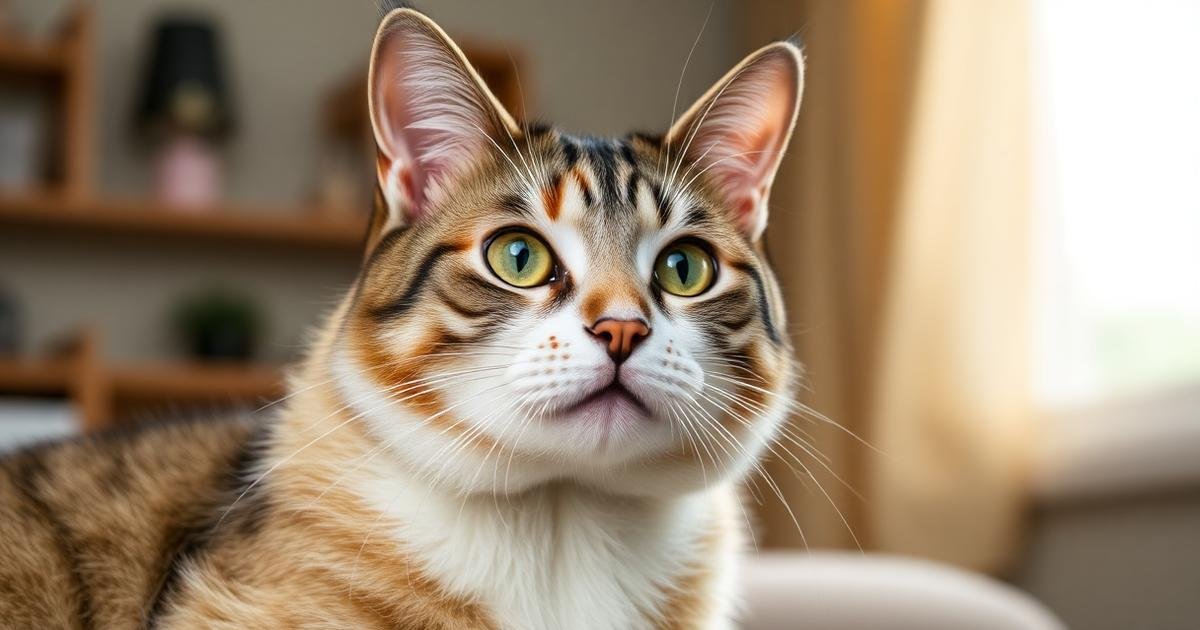
If you're wondering how often should cats see a vet, the direct answer is: at least once a year for a wellness exam, and ideally twice a year once your cat reaches age 7 or older. Kittens need more frequent visits during their first year, while senior cats benefit from semi annual checkups to catch age related issues early. This schedule isn't just about vaccinations — it's about preventing disease before symptoms appear.
How often should cats see a vet: Healthy adult cats (ages 1–6) should see a vet at least once per year for a wellness exam, dental check, and core vaccinations. Kittens need visits every 3–4 weeks until 16 weeks old. Senior cats (7+ years) should go every 6 months for bloodwork and weight monitoring. Cats with chronic conditions li
Quick Answer: How often should cats see a vet?
Healthy adult cats (ages 1–6) should see a vet at least once per year for a wellness exam, dental check, and core vaccinations. Kittens need visits every 3–4 weeks until 16 weeks old. Senior cats (7+ years) should go every 6 months for bloodwork and weight monitoring. Cats with chronic conditions like diabetes or kidney disease may need visits every 3–4 months.
For a complete guide on this topic, see the Ultimate Guide To Cat Health.
Why annual vet visits matter for your cat's health
Cats are masters at hiding illness. In the wild, showing weakness makes them vulnerable to predators. Your indoor cat still carries that instinct, which means by the time you notice something wrong, the problem may have been progressing for months.
Annual exams catch silent issues. During a wellness visit, your vet checks your cat's teeth, heart, lungs, joints, and body condition. They palpate the abdomen to feel for organ enlargement or masses. These hands on checks can reveal early kidney disease, dental abscesses, or arthritis that you'd never spot at home.
Bloodwork adds another layer. A complete blood count and chemistry panel can detect early signs of hyperthyroidism, diabetes, or chronic kidney disease — all common in cats. The PetMD condition guides note that routine bloodwork is the single best tool for catching these conditions in their treatable stages.
Pro Tip: Schedule your cat's annual exam during the same month each year. Tie it to something memorable, like your cat's adoption anniversary or the start of spring. This builds a consistent health history your vet can track over time.

How often should kittens see a vet?
Kittens have the most intensive vet schedule of any life stage. From 6–8 weeks old through 16 weeks, they need visits every 3–4 weeks. This timeline aligns with their core vaccination series, which builds immunity against panleukopenia, calicivirus, and rhinotracheitis.
Each visit includes a weight check, physical exam, and deworming if needed. Your vet will also test for feline leukemia and FIV, especially if the kitten came from a shelter or outdoor environment. By the final visit at 16 weeks, your kitten should receive their rabies vaccine and a final FVRCP booster.
Spaying or neutering typically happens between 4–6 months. Many vets recommend a pre surgery exam and bloodwork to ensure your kitten is healthy enough for anesthesia. After that, your kitten transitions to the adult schedule of one annual visit starting at 1 year old.
Pro Tip: Bring a stool sample from your kitten's litter box to each early visit. Parasites like roundworms and giardia are common in kittens, and fecal testing is the only reliable way to detect them.
What changes for senior cats (7 years and older)?
Once your cat reaches age 7, the answer to how often should cats see a vet shifts to every 6 months. Senior cats age faster than humans — roughly 4 cat years for every human year after age 2. That means a 6-month gap between visits is like a human going 2 years without a checkup.
Semi annual visits for senior cats focus on three key areas: blood pressure, kidney function, and thyroid levels. Hypertension affects up to research suggests 20% of older cats and is often linked to kidney disease or hyperthyroidism. Catching high blood pressure early can prevent sudden blindness or stroke.
Weight monitoring becomes critical too. Many senior cats lose muscle mass while gaining fat, a condition called sarcopenic obesity. Your vet can guide you on diet adjustments and joint supplements to maintain mobility and quality of life as your cat ages.
Pro Tip: Between vet visits, weigh your senior cat at home using a baby scale. A research suggests 5% weight loss over 2–3 months is a red flag. Most vets want to see senior cats if they lose more than 0.5 pounds between visits.
How does your cat's lifestyle affect visit frequency?
Indoor only cats generally need fewer vet visits than outdoor cats — but "fewer" still means at least once a year. Indoor cats face lower risks of infectious disease and injury, but they're more prone to obesity, dental disease, and urinary issues from sedentary lifestyles.
Outdoor cats need more frequent parasite prevention and injury checks. If your cat goes outside, your vet may recommend visits every 6 months even during adulthood. They'll also need year round flea, tick, and heartworm prevention, which requires a prescription.
Multi cat households add another variable. Cats living together share resources and stress. Upper respiratory infections, ringworm, and stress related conditions like feline idiopathic cystitis spread more easily in multi cat homes. Your vet may suggest more frequent wellness visits if you have 3 or more cats.
When should you schedule extra vet visits?
Some situations demand a vet visit between scheduled exams. The rule of thumb: if your cat's behavior changes for more than 24 hours, call your vet. Common red flags include hiding more than usual, not eating for a full day, vomiting repeatedly, straining in the litter box, or limping.
Dental disease often triggers unplanned visits. Bad breath, drooling, pawing at the mouth, or dropping food while eating all signal dental pain. According to the AVMA pet owner resources, dental disease affects 50–research suggests 90% of cats over age 4, and annual dental cleanings under anesthesia are the standard of care.
Weight changes also warrant a visit. A cat losing weight while eating normally may have hyperthyroidism or diabetes. A cat gaining weight rapidly may develop joint issues or diabetes. Your vet can run simple blood tests to rule out these conditions within 24 hours.
| Symptom | Action | Timeline |
|---|---|---|
| Not eating for 24 hours | Schedule urgent vet visit | Within 24 hours |
| Straining to urinate | Emergency vet visit | Immediately |
| Vomiting 3+ times in 12 hours | Call vet immediately | Same day |
| Limping for 48+ hours | Schedule non urgent visit | Within 1 week |
| Losing weight over 1–2 months | Schedule wellness bloodwork | Within 2 weeks |
How often should cats see a vet for dental care?
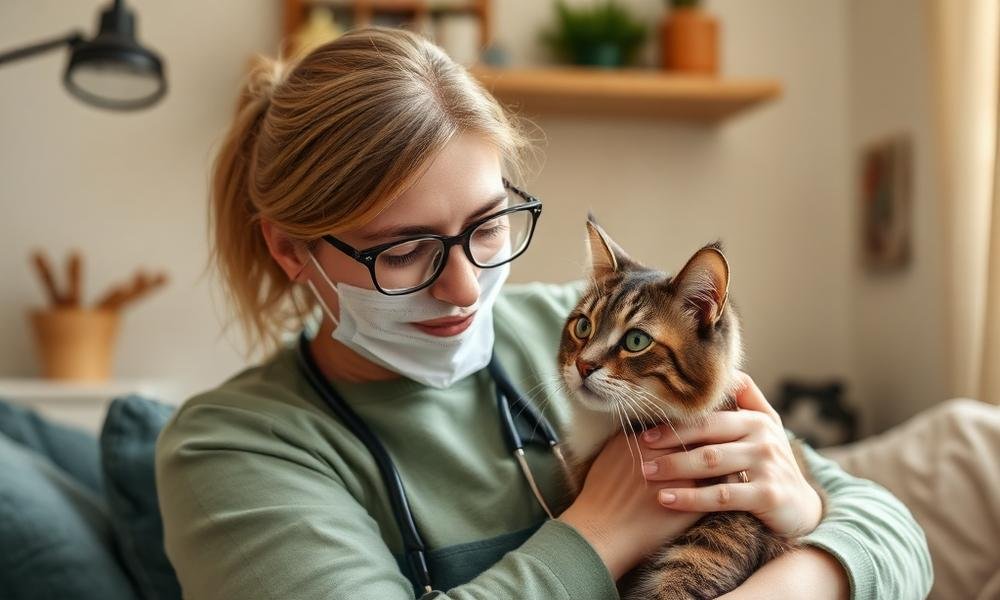
Dental health deserves its own schedule. While your cat gets a visual dental check during annual exams, most dental disease hides below the gumline. The ASPCA behavior resources note that cats rarely show dental pain until the disease is advanced, making professional cleanings essential.
Veterinarians generally recommend professional dental cleanings every 1–2 years, depending on your cat's breed and oral health. Brachycephalic breeds like Persians and Himalayans may need annual cleanings due to crowded teeth. Cats with pre existing dental disease may need cleanings every 6 months.
Between cleanings, you can slow plaque buildup with daily tooth brushing, dental treats, or water additives. But these home care methods don't replace professional scaling and polishing under anesthesia. Only a vet can clean below the gumline, where periodontal disease starts.
Pro Tip: Start brushing your cat's teeth when they're a kitten. Use a finger brush and poultry flavored toothpaste. Even 2–3 times per week significantly reduces tartar buildup and extends the time between professional cleanings.
How do chronic conditions change your vet visit schedule?
If your cat has a diagnosed chronic condition, the standard guidelines for how often should cats see a vet no longer apply. Cats with diabetes, hyperthyroidism, chronic kidney disease, or heart disease typically need visits every 3–4 months for monitoring and medication adjustments.
Diabetic cats require frequent glucose curve tests to ensure insulin dosages are correct. Your vet may ask you to bring your cat in for a full day of blood sugar monitoring every 3 months. Some cats eventually go into remission, which requires even closer monitoring to avoid hypoglycemia.
Hyperthyroid cats on medication need thyroid level checks every 3–6 months. Those treated with radioactive iodine need follow up bloodwork at 1 month, 3 months, and then annually. Cats with kidney disease need blood pressure checks and kidney value monitoring every 3–4 months to catch progression early.
Pro Tip: Keep a log of your cat's water intake, appetite, and litter box habits if they have a chronic condition. Share this log with your vet at each visit. Trends over weeks reveal more than a single snapshot during an exam.
What does a typical wellness exam include?
Knowing what happens during a vet visit helps you understand why the annual schedule matters. A complete wellness exam takes 20–40 minutes and covers your cat from nose to tail. Your vet starts by observing your cat's posture, breathing, and behavior from across the room.
The physical exam includes checking eyes for cataracts or retinal changes, ears for mites or infection, and teeth for tartar or gum recession. Your vet listens to the heart and lungs with a stethoscope, feeling for murmurs, arrhythmias, or abnormal lung sounds. They palpate the abdomen to assess kidney size, bladder fullness, and intestinal health.
Most annual visits include a fecal test to check for intestinal parasites, which can infect humans too. For cats over 7, bloodwork becomes standard. The AKC behavior guides emphasize that a thorough exam combined with bloodwork catches research suggests 80% of common feline diseases before symptoms appear.
Pro Tip: Ask your vet to show you how to check your cat's gum color and capillary refill time at home. Pale gums or a refill time longer than 2 seconds can signal dehydration or shock — knowledge that could save your cat's life in an emergency.
Keep your cat healthy at every life stage with the right products
Browse Cat Health Options →
Frequently Asked Questions
How often should indoor cats see a vet?
Indoor cats should see a vet at least once per year for a wellness exam and core vaccinations. Indoor only cats still need rabies vaccines, dental checks, and bloodwork as they age. Semi annual visits become important after age 7, even for strictly indoor cats.
Can I skip my cat's annual vet visit if they seem healthy?
No. Cats hide illness instinctively, and many conditions show no symptoms until advanced. Annual bloodwork can detect early kidney disease, hyperthyroidism, and diabetes months before your cat shows any outward signs. Skipping visits risks missing treatable conditions.
How often should cats see a vet for vaccinations?
Core vaccines (FVRCP and rabies) are given every 1–3 years depending on your cat's age and local laws. Kittens need a series every 3–4 weeks until 16 weeks old. Your vet determines the booster schedule based on your cat's lifestyle and risk factors.
Do senior cats really need vet visits every 6 months?
Yes. Cats age roughly 4 human years for every calendar year after age 2. A 6-month gap between senior cat visits equals 2 human years between checkups. Semi annual visits catch age related conditions like hypertension, arthritis, and cognitive decline earlier for better outcomes.
How often should cats see a vet for dental cleanings?
Professional dental cleanings under anesthesia are recommended every 1–2 years for most cats. Breeds with crowded teeth, like Persians, may need annual cleanings. Cats with existing dental disease may need cleanings every 6 months. Home brushing extends the time between professional cleanings.
What happens during a routine cat wellness exam?
A wellness exam includes a physical check of eyes, ears, teeth, heart, lungs, and abdomen. Your vet will palpate organs, check joints, and assess body condition. Most annual visits also include a fecal test, bloodwork for senior cats, and updated vaccinations if needed.
Does my cat need bloodwork every year?
For cats under 7, annual bloodwork is optional but highly recommended as a baseline. For cats over 7, bloodwork every 6–12 months is considered standard preventive care. It screens for kidney disease, hyperthyroidism, diabetes, and anemia before clinical signs appear.
How much does a typical cat vet visit cost?
A routine wellness exam costs $50–$100 depending on your location. Bloodwork adds $80–$200, and core vaccinations add $20–$40 each. Dental cleanings under anesthesia range from $200–$600. Pet insurance or wellness plans can reduce out-of pocket costs significantly.