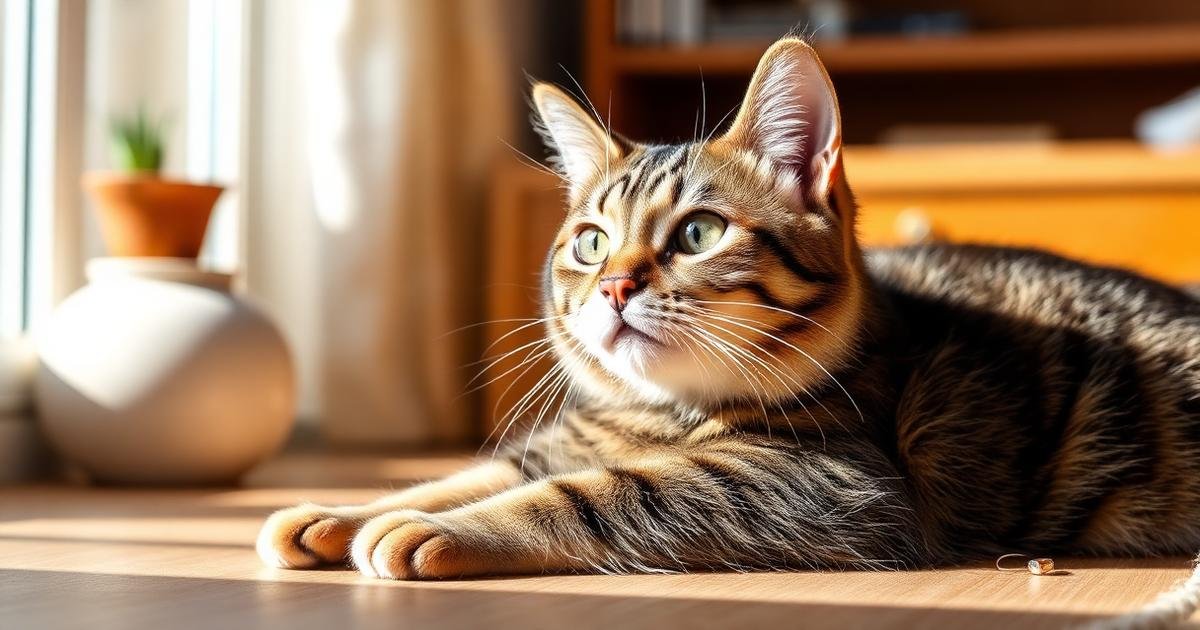
Finding the best option is crucial for your feline companion's health and comfort. The most effective solution depends on your cat's lifestyle, health status, and your specific needs, but veterinarians generally recommend prescription strength topical treatments like Revolution Plus or oral medications like Credelio CAT for superior efficacy and safety. These products target fleas at multiple life stages, preventing infestations before they start.
Best flea treatment for cats: The best flea treatment for cats is a veterinarian-prescribed product like Revolution Plus (topical) or Credelio CAT (oral), as these provide rapid kill times, broad-spectrum parasite protection, and are proven safe for cats. Over-the-counter options like Frontline Plus can work for mild infestation
Quick Answer: What is best flea treatment for cats overall?
The right choice is a veterinarian prescribed product like Revolution Plus (topical) or Credelio CAT (oral), as these provide rapid kill times, broad spectrum parasite protection, and are proven safe for cats. Over-the counter options like Frontline Plus can work for mild infestations but may be less effective in areas with resistant flea populations.
For a complete guide on this topic, see the Ultimate Guide To Cat Health.
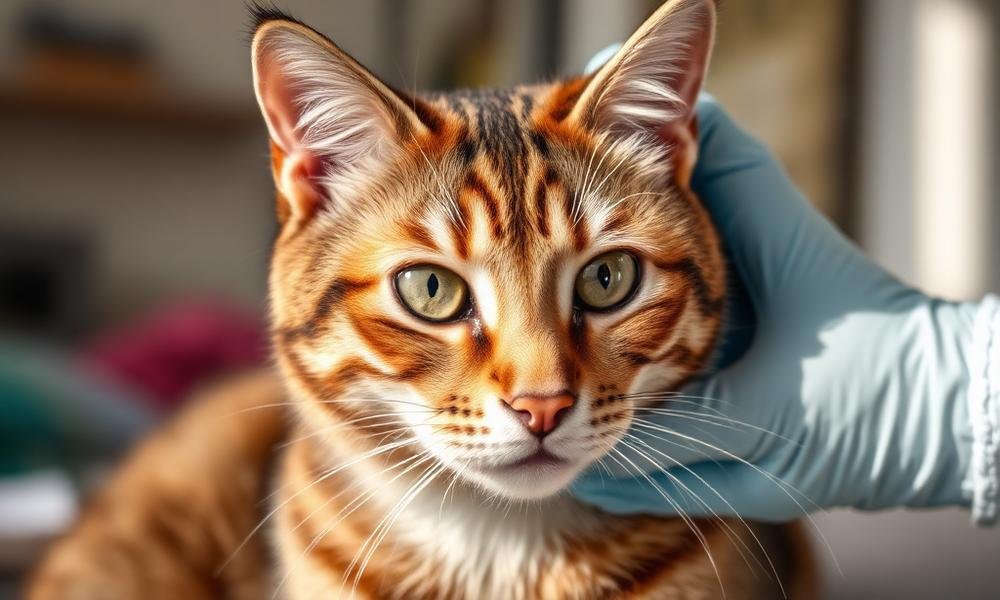
What Should You Look for When Choosing the best flea treatment for cats?
Not all flea treatments are created equal, and the wrong choice can be ineffective or even dangerous. You need to evaluate several key factors before making a decision.
Active Ingredients and How They Work
The most effective active ingredients for cats include selamectin, fluralaner, sarolaner, and fipronil. Selamectin (found in Revolution) kills adult fleas, prevents flea eggs from hatching, and treats heartworm and ear mites. Fluralaner (in Bravecto) provides 12 weeks of protection with a single dose, making it ideal for busy owners.
Fipronil (in Frontline) targets adult fleas and ticks but has become less effective in some regions due to flea resistance. Veterinarians generally recommend rotating active ingredients every 6–12 months to prevent resistance from developing in your local flea population.
Pro Tip: Always check the active ingredient concentration. Products labeled "for dogs" often contain permethrin, which is highly toxic to cats. Even trace amounts can cause severe neurological symptoms. Stick to cat specific formulations only.
Formulation Type: Topical vs. Oral vs. Collars
Topical treatments are applied to the skin between the shoulder blades and are absorbed into the bloodstream. They're effective but require careful application — you must part the fur completely and apply directly to the skin, not the coat. Oral medications like Credelio CAT and Bravecto are chewable tablets that start killing fleas within 30 minutes.
Collars like Seresto provide long term protection (up to 8 months) but can cause skin irritation in some cats. The ASPCA notes that collars are less reliable for multi cat households where cats groom each other, potentially transferring the active ingredients. For most indoor cats, a topical or oral treatment is the best flea treatment for cats.
Speed of Kill and Residual Protection
Speed matters. A treatment that kills fleas within 2–4 hours prevents them from laying eggs and breaking the life cycle. Credelio CAT kills research suggests 100% of fleas within 6 hours in controlled studies. Revolution Plus kills fleas within 12 hours and provides 30 days of protection.
Residual protection is equally important. Products like Bravecto maintain effective flea killing concentrations in the blood for 12 weeks, reducing the frequency of application. If your cat goes outdoors or lives with dogs, longer lasting protection reduces the risk of re infestation between doses.
How Do Prescription vs. Over-the Counter Flea Treatments Compare?
This is the most common question cat owners ask. Prescription treatments require a veterinary visit, while over-the-counter (OTC) options are available at pet stores and online. The difference in effectiveness is significant.
Prescription Options: Why Vets Recommend Them
Prescription flea treatments like Revolution Plus, Credelio CAT, and Bravecto are backed by rigorous clinical trials and contain newer, more potent active ingredients. They're the best option because they kill fleas faster, cover more parasite types (including ticks, ear mites, and heartworm), and have a wider safety margin.
According to the AVMA, prescription products are also less likely to contribute to resistance because they use novel mechanisms of action. Your veterinarian can also assess your cat's overall health, weight, and any underlying conditions before prescribing, reducing the risk of adverse reactions.
Over-the Counter Options: When They Work
OTC treatments like Frontline Plus, Advantage II, and Capstar can be effective for mild infestations in low risk environments. Frontline Plus contains fipronil and (S)-methoprene, which kills adult fleas and prevents egg development. Advantage II uses imidacloprid and pyriproxyfen.
However, research suggests that flea resistance to fipronil has increased in many regions, reducing Frontline's effectiveness over time. Capstar is a fast acting oral tablet that kills adult fleas within 30 minutes, but it provides no residual protection — fleas can return within 24 hours. For ongoing prevention, OTC products are rarely the right choice.
Pro Tip: If you choose an OTC product, rotate between different active ingredient classes every 3–4 months. For example, use Advantage II (imidacloprid) for 3 months, then switch to Frontline Plus (fipronil). This reduces the chance of resistance developing in your home.

Which Flea Treatments Are Safest for Kittens, Senior Cats, and Pregnant Cats?
Safety considerations vary dramatically by age and health status. Choosing the wrong product can cause serious harm.
Kittens: Minimum Age and Weight Requirements
For kittens under 8 weeks old, the safest option is a flea comb and mechanical removal. Chemical treatments are not approved for very young kittens. Revolution (selamectin) is approved for kittens as young as 6 weeks and weighing at least 1.4 pounds. Bravecto is approved for kittens 6 months and older.
Never use OTC products labeled "for dogs" on kittens, even in small doses. The PetMD condition guide on flea control warns that pyrethrin based products can cause tremors, seizures, and death in young cats. Always verify the minimum age and weight on best flea treatment for cats label before applying.
Senior Cats and Cats with Medical Conditions
Senior cats often have reduced kidney or liver function, which affects how they metabolize flea treatments. Topical products are generally safer for seniors because they're absorbed through the skin and bypass the digestive system. Revolution Plus is frequently recommended by veterinarians for older cats because it has a wide safety margin.
Cats with chronic conditions like diabetes, hyperthyroidism, or kidney disease should only use treatments prescribed by a veterinarian. The AKC behavior guides emphasize that any new medication — including flea treatments — should be discussed with your vet if your cat has an existing health condition.
Pregnant and Nursing Cats
Very few flea treatments have been studied in pregnant or nursing cats. Revolution (selamectin) is considered the safest option based on available data. Avoid products containing fipronil or fluralaner during pregnancy unless specifically prescribed by your veterinarian.
For nursing queens, manual flea removal with a comb is the safest approach. You can also treat the environment (vacuuming, washing bedding) to reduce the flea population without exposing the mother or kittens to chemicals. Once kittens are weaned and over 8 weeks old, you can begin a regular prevention program.
How to Properly Apply and Time Flea Treatments for Maximum Effectiveness
Even the right choice will fail if applied incorrectly. Proper technique and timing are essential for consistent protection.
Application Technique for Topical Treatments
Part the fur at the base of your cat's skull, between the shoulder blades. Apply the entire contents of the tube directly to the skin, not the fur. best flea treatment for cats needs to contact the skin to be absorbed into the sebaceous glands and bloodstream. If you apply it to the fur, it will evaporate or be groomed off.
Keep your cat away from water for 24–48 hours after application. This allows best flea treatment for cats to fully absorb and distribute through the skin's oil glands. For multi cat households, separate treated cats for 2–3 hours to prevent grooming each other's application sites.
Timing and Consistency
Apply treatments on the same day each month to maintain consistent blood levels. Set a recurring calendar reminder. If you miss a dose by more than 7 days, the flea protection window may be compromised, and your cat could become reinfested.
In warmer months (spring through fall), fleas are most active. In colder climates, fleas can survive indoors year-round. The Companion Animal Parasite Council recommends year round flea prevention for all cats, regardless of outdoor access. Indoor only cats can still be exposed to fleas brought in on shoes, clothing, or other pets.
Pro Tip: Apply topical treatments after your cat has eaten, while they're calm or sleepy. Give them a treat or play session immediately after. This creates a positive association and makes future applications much easier. Never apply when your cat is stressed or agitated.

How to Treat Your Home Environment for Fleas Alongside Your Cat
Treating your cat alone is rarely enough to eliminate a flea infestation. Adult fleas on your pet represent only research suggests 5% of the total flea population — the remaining research suggests 95% exists as eggs, larvae, and pupae in your home. A comprehensive approach is essential.
Vacuuming: The Most Effective Non Chemical Control
Vacuum all carpets, rugs, upholstery, and hardwood floors at least every other day for 2–3 weeks during an active infestation. Pay special attention to baseboards, under furniture, and areas where your cat sleeps. The vacuum's suction physically removes eggs and larvae, while the heat and vibration trigger flea pupae to emerge, making them vulnerable to treatment.
Dispose of the vacuum bag or empty the canister immediately after each session. Seal the contents in a plastic bag and throw it in an outdoor trash bin. Leaving flea eggs in the vacuum allows them to hatch and re infest your home within days.
Washing Bedding and Fabrics
Wash your cat's bedding, your own bedding, and any blankets your cat uses in hot water (at least 130°F or 54°C) weekly during an infestation. The heat kills flea eggs, larvae, and pupae. Dry everything on the highest heat setting for at least 30 minutes.
For items that can't be washed, such as cat trees or upholstered furniture, use a steam cleaner. The high temperature kills fleas at all life stages. Alternatively, spray these items with an environmental flea spray approved for use around cats, following the manufacturer's instructions carefully.
Using Environmental Flea Sprays and Foggers
Environmental sprays containing insect growth regulators (IGRs) like methoprene or pyriproxyfen prevent flea eggs and larvae from developing into adults. These are safe for use around cats once the spray has dried completely. Apply them to carpets, baseboards, and under furniture where fleas breed.
Flea foggers (bombs) can treat large areas but require you to remove all pets, including cats, birds, and fish, from the home for several hours. The AVMA cautions that foggers may not reach under furniture or in closets where fleas hide. Spot treatments with sprays are often more effective for targeted areas.
Pro Tip: Combine home treatment with your cat's flea medication for at least 3 consecutive months. This breaks the flea life cycle completely. Stopping early allows surviving eggs to hatch and restart the infestation. Consistency is the key to a flea free home.
How to Identify and Manage Flea Allergies in Cats
Some cats develop flea allergy dermatitis (FAD), a severe reaction to flea saliva that causes intense itching, hair loss, and skin infections. If your cat scratches excessively even after a single flea bite, FAD may be the cause. Managing this condition requires both flea control and symptom relief.
Recognizing the Signs of Flea Allergy Dermatitis
Cats with FAD typically show hair loss along the lower back, tail, and inner thighs. You may notice small scabs, red bumps, or crusty patches on the skin. Excessive grooming, especially biting at the base of the tail, is a common sign. Some cats develop a condition called miliary dermatitis, characterized by tiny crusty bumps that feel like sandpaper.
Unlike dogs, cats with FAD often don't show visible fleas because they groom them off quickly. The PetMD condition guide on flea allergy dermatitis recommends using a flea comb to check for flea dirt (black specks that turn red when wet) as a more reliable indicator of infestation.
Treatment Protocol for FAD Cats
For cats diagnosed with FAD, the best flea treatment for cats is a prescription product with the fastest kill time. Credelio CAT kills fleas within 6 hours, minimizing the time fleas can bite and trigger an allergic reaction. Revolution Plus also provides rapid kill and treats secondary skin infections caused by scratching.
Your veterinarian may prescribe antihistamines or corticosteroids to reduce itching and inflammation during the first 2–4 weeks of treatment. Topical sprays containing oatmeal or aloe vera can soothe irritated skin. Once the flea population is controlled, most cats with FAD improve dramatically within 1–2 weeks.
Long Term Management for Allergic Cats
Year round flea prevention is non negotiable for cats with FAD. Even a single flea bite can trigger a flare up that lasts for weeks. Use the same product consistently to maintain constant protection. Avoid switching between products unnecessarily, as this can create gaps in coverage.
Monitor your cat's skin condition weekly. If you notice increased scratching or new bald patches, check for fleas immediately. Early intervention with a fast acting treatment can prevent a full allergic reaction. Some cats benefit from omega-3 fatty acid supplements, which support skin health and reduce inflammation over time.
Comparison of Top Flea Treatments for Cats
This table compares the most popular best flea treatment for cats options based on key criteria.
| Product | Type | Active Ingredient | Duration | Kills Fleas In | Additional Protection | Minimum Age |
|---|---|---|---|---|---|---|
| Revolution Plus | Topical | Selamectin + Sarolaner | 30 days | 12 hours | Ticks, heartworm, ear mites, roundworms, hookworms | 8 weeks |
| Credelio CAT | Oral | Lotilaner | 30 days | 6 hours | Ticks | 8 weeks |
| Bravecto | Topical | Fluralaner | 12 weeks | 12 hours | Ticks | 6 months |
| Frontline Plus | Topical | Fipronil + (S)-Methoprene | 30 days | 24 hours | Ticks, chewing lice | 8 weeks |
| Advantage II | Topical | Imidacloprid + Pyriproxyfen | 30 days | 12 hours | None | 8 weeks |
| Capstar | Oral | Nitenpyram | 24 hours | 30 minutes | None | 4 weeks |
Ready to protect your cat from fleas with a vet recommended treatment?
Browse Cat Health Options →
Revolution Plus is the top choice for most cats because it covers the widest range of parasites. Credelio CAT is ideal for cats that resist topical applications. Bravecto works best for owners who want less frequent dosing. Frontline Plus and Advantage II are budget friendly OTC options but may be less effective against resistant fleas.
For broader reference and guidance, aspca.org provides useful context on pet health and care decisions.
For broader reference and guidance, petmd.com provides useful context on pet health and care decisions.
For related guidance, see Are Rope Toys Safe For Dogs.
For related guidance, see Best Cat Calming Products.
Frequently Asked Questions
Can I use dog flea treatment on my cat?
No, never. Dog flea treatments often contain permethrin, which is highly toxic to cats and can cause seizures, tremors, and death. Always use products specifically labeled for cats and follow the weight based dosing instructions.
How quickly does the best option start working?
Prescription oral treatments like Credelio CAT start killing fleas within 30 minutes to 6 hours. Topical treatments like Revolution Plus take 12–24 hours to reach full effectiveness. OTC products may take up to 24–48 hours to show results.
What is the right choice that go outdoors?
For outdoor cats, Revolution Plus or Brave
Learn more in our detailed guide on best dental care for cats.