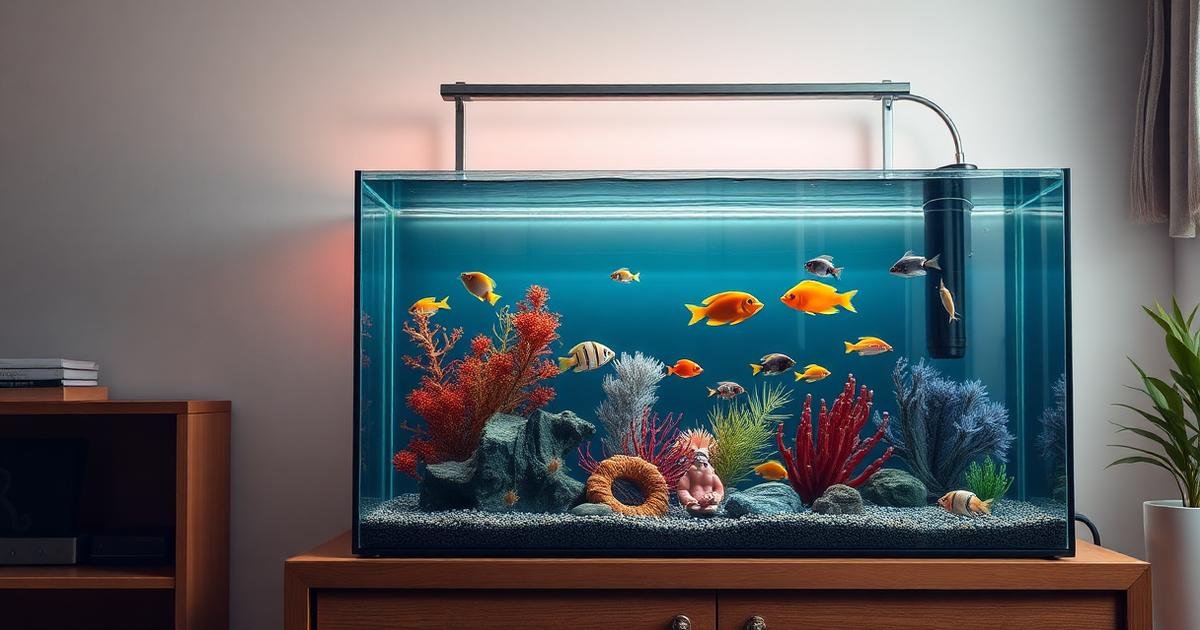
Setting up a fish tank for the first time is an exciting project, but rushing in can lead to dead fish and frustration. The key to success is patience: you need to cycle the tank for 4–6 weeks before adding any fish. How do I set up a fish tank for the first time? You start by choosing the right location, assembling equipment, adding substrate and water, then cycling the tank to establish beneficial bacteria before introducing your first fish. This guide walks you through every step so you can create a thriving underwater world from day one.
How do I set up a fish tank for the first time: Set up your first fish tank by choosing a 20-gallon or larger tank on a sturdy stand, adding rinsed gravel substrate and a filter, filling with dechlorinated water, and running the equipment for 4–6 weeks to establish the nitrogen cycle. Test water weekly — when ammonia and nitrite read 0 ppm and ni
Quick Answer: How do I set up a fish tank for the first time?
Set up your first fish tank by choosing a 20-gallon or larger tank on a sturdy stand, adding rinsed gravel substrate and a filter, filling with dechlorinated water, and running the equipment for 4–6 weeks to establish the nitrogen cycle. Test water weekly — when ammonia and nitrite read 0 ppm and nitrate is below 20 ppm, your tank is ready for fish.
For a complete guide on this topic, see the Aquarium Setup Guide.
This how do I set up a fish tank for the first time decision works best when the owner compares daily fit, tolerance, and practical consistency together.
What size fish tank should I start with as a beginner?
Bigger is almost always better for beginners. A 20-gallon tank (long version, not tall) gives you stable water chemistry and more room for error. Smaller tanks under 10 gallons, like those bowl setups, are actually harder to maintain because toxins concentrate faster.
For many homes, the right how do I set up a fish tank for the first time choice is the one that stays reliable under ordinary daily conditions.
Why larger tanks are more forgiving
In a 20-gallon tank, a small mistake — like overfeeding or skipping a water change — won't immediately crash the system. The larger water volume dilutes waste products, giving you time to correct issues. Many experienced aquarists recommend starting with a 29- or 40-gallon tank if you have the space.
A well matched how do I set up a fish tank for the first time option should support the pet clearly without making the routine harder to maintain.
Tank shape matters
Long, rectangular tanks offer more surface area for gas exchange than tall, narrow ones. This means better oxygen levels for your fish. Avoid hexagon or bow front tanks as a first setup — they're harder to clean and limit your equipment options.
Pro Tip: Place your tank away from direct sunlight and heat vents. Sunlight causes algae blooms, and vents create temperature swings that stress fish. A stable room temperature between 72–78°F is ideal for most freshwater community fish.
What equipment do I need to set up a fish tank?
You need four essential pieces of equipment: a filter, heater, thermometer, and lighting. Without these, your fish won't survive long. A filter removes physical waste and houses beneficial bacteria. A heater maintains stable temperature. A thermometer lets you verify that heater is working. Lighting supports plant growth and reveals your fish's natural colors.
Choosing the right filter
Hang-on-back (HOB) filters are the most beginner friendly option. They're easy to install, maintain, and replace media. Look for a filter rated for at least double your tank volume — for a 20-gallon tank, get one rated for 40 gallons. This ensures adequate flow and biological filtration capacity.
Heater sizing and placement
Use 5 watts of heating power per gallon of water. A 20-gallon tank needs a 100-watt heater. Place the heater near the filter outflow so heated water circulates evenly. Always use a submersible heater with an adjustable thermostat — preset heaters can fail at the wrong temperature.
Substrate choices for beginners
Rinse play sand or smooth pea gravel works perfectly for a first tank. Avoid colored gravel that may leach chemicals. A 1–2 inch layer is sufficient for most fish only tanks. If you want live plants, use a nutrient rich substrate like Fluval Stratum or Eco Complete beneath a sand cap.
Pro Tip: Before adding water, rinse your substrate thoroughly in a bucket until the water runs clear. This prevents cloudy water that can take days to settle. Even "pre-washed" gravel needs rinsing — trust no bag.
How do I cycle a fish tank for the first time?
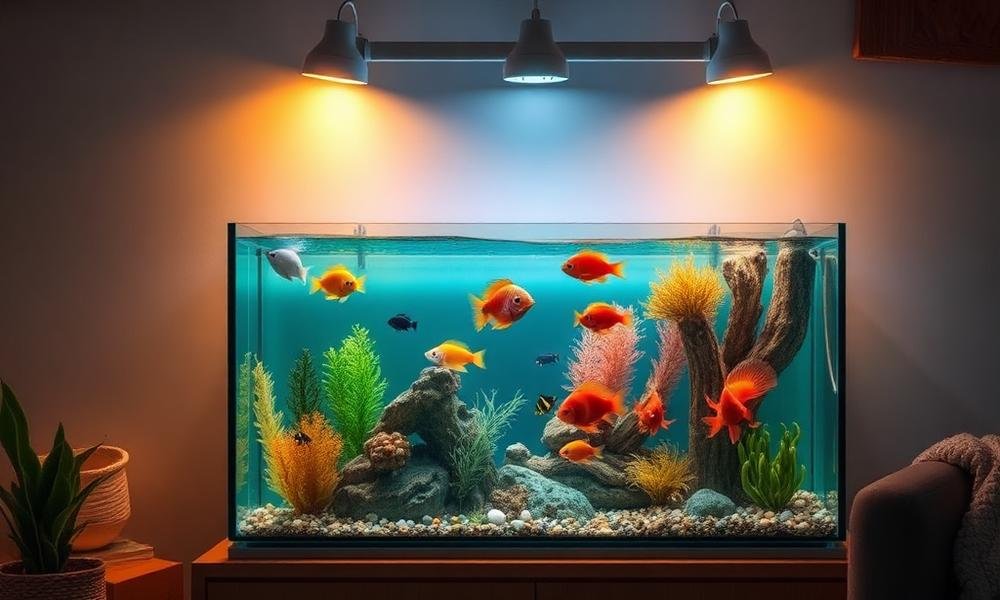
Cycling is the process of growing beneficial bacteria that convert fish waste (ammonia) into less toxic nitrite, then into nitrate. This takes 4–6 weeks. Without a cycled tank, fish die from ammonia poisoning within days. You cannot skip this step.
Fishless cycling step by step
Set up your tank with dechlorinated water, filter, heater (at 78–82°F), and substrate. Add a pure ammonia source — Dr. Tim's Ammonium Chloride works perfectly. Dose to 2–4 ppm ammonia. Test daily with a liquid test kit (not strips). When ammonia drops to 0 and nitrite spikes, you're halfway. Continue dosing until both ammonia and nitrite read 0 ppm within 24 hours of adding ammonia, and you see nitrate present. This means your cycle is complete.
How to speed up cycling
Use filter media from an established tank — ask a local fish store or aquarium club. This can cut cycling time to 1–2 weeks. Live plants also help by consuming ammonia directly. Avoid "instant cycle" bottled bacteria products; research shows mixed results, and many fail to establish quickly without existing colonies.
Testing your water correctly
Use the API Freshwater Master Test Kit — it's the gold standard. Test for ammonia, nitrite, nitrate, and pH weekly during cycling. After the cycle completes, test weekly for the first 3 months, then monthly. Keep a logbook to track your numbers and spot trends before they become problems.
Pro Tip: During cycling, your water will turn cloudy and smell slightly earthy — this is normal bacterial bloom. Do not do water changes unless ammonia exceeds 5 ppm. Let nature run its course. Patience now prevents dead fish later.
For more on maintaining water quality, read our Aquarium Setup Guide for detailed maintenance schedules.
How do I choose and set up the right stand for my fish tank?
A fish tank filled with water weighs roughly 10 pounds per gallon. That means a 20-gallon tank weighs over 200 pounds once filled with water, substrate, and decorations. You need a dedicated aquarium stand rated for that weight — never use regular furniture unless it's specifically designed to hold an aquarium.
Stand options for beginners
Metal stands are the most affordable and durable option for first time setups. They're easy to assemble and can hold significant weight. Wooden aquarium cabinets look nicer and offer storage space for supplies, but cost more. Whichever you choose, ensure the stand is level — use a carpenter's level to check both front-to back and side-to-side. An unlevel tank stresses the glass seams and can cause leaks or cracks over time.
Floor considerations
Place your tank on a ground floor if possible. Upper floors may not support the weight of a large aquarium without proper reinforcement. Check your floor joists if you're setting up a 40-gallon or larger tank above the first floor. Also leave at least 2 inches of clearance behind the tank for filter hoses and cords — you'll thank yourself during maintenance.
Pro Tip: Place a foam leveling mat under your tank before filling it. This compensates for minor imperfections in the stand surface and prevents stress points on the glass. A 1/4-inch yoga mat cut to size works perfectly and costs under $10.
What decorations and plants should I add to my first tank?
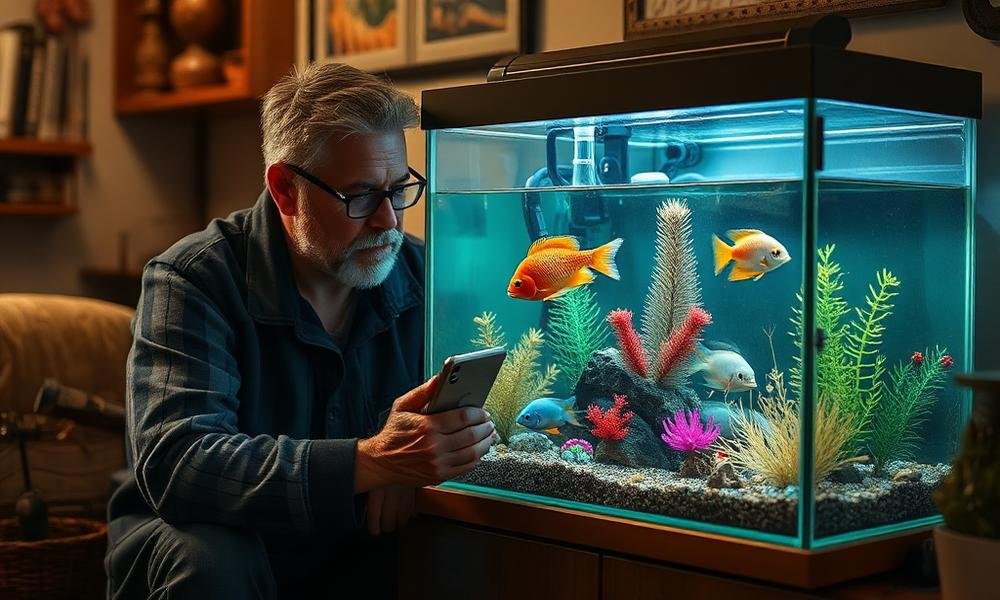
Decorations serve two purposes: they make your tank look beautiful and provide hiding spots that reduce fish stress. Start with 2–3 larger pieces of driftwood or smooth rocks arranged in a natural looking layout. Leave open swimming space in the center and create caves and overhangs along the sides and back.
Safe decoration materials
Only use decorations specifically made for aquariums. Avoid rocks from outside — they can contain metals or minerals that alter water chemistry. Driftwood should be aquarium safe or boiled for 2–3 hours to remove tannins (which turn water brown) and kill any hitchhikers. Ceramic pots and PVC pipes work as cheap, safe hiding spots if you clean them thoroughly first.
Live plants versus fake plants
Live plants are better for beginners than most people realize. They consume ammonia and nitrates, produce oxygen, and outcompete algae for nutrients. Start with easy plants like Java fern, Anubias, and Amazon sword — these don't need CO2 injection or strong lighting. Fake silk plants look good but don't improve water quality. If you choose fake plants, avoid plastic ones with sharp edges that can tear fish fins.
Creating a natural aquascape
Follow the "rule of thirds" when arranging decorations. Divide your tank into three sections mentally — place your tallest decorations in the back third, medium in the middle, and shortest in the front. This creates depth and makes your tank look larger. Leave at least 2 inches of open substrate at the front glass for easy vacuuming during water changes.
Pro Tip: Soak driftwood in a bucket of water for 1–2 weeks before adding it to your tank. This leaches out most of the tannins and prevents your water from turning tea-colored. Change the bucket water every 2 days during soaking.
What fish should I add first to my new tank?
After your cycle completes, add fish slowly — no more than 3–5 small fish per week. Start with hardy, peaceful species that tolerate beginner mistakes. Good first fish include zebra danios, cherry barbs, and platy fish. Avoid delicate species like neon tetras or discus until your tank has been stable for 6 months.
Quarantine every new fish
Before adding any fish to your display tank, quarantine them in a separate 5–10 gallon tank for 2–3 weeks. This prevents introducing diseases like ich or velvet that can wipe out your entire tank. Many beginners skip this step and regret it. A simple sponge filter and heater in a quarantine tank costs under $50 and saves hundreds in lost fish.
Acclimation process
Float the sealed bag in your tank for 15 minutes to equalize temperature. Then open the bag and add a cup of tank water every 5 minutes for 20 minutes. Finally, net the fish into your tank — never pour bag water in, as it may contain pathogens or ammonia. This drip acclimation method prevents temperature and pH shock.
Stocking limits for a 20-gallon tank
Follow the "one inch of adult fish per gallon" rule as a starting point. A 20-gallon tank can hold about 15–18 inches of adult fish. But body shape matters — a 6-inch angelfish produces more waste than six 1-inch neon tetras. Research each species' adult size and bioload before buying.
Pro Tip: Join a local aquarium club or online forum like Aquarium Co-Op's community. Experienced hobbyists often give away extra plants, snails, and even cycled filter media for free. This is the fastest, cheapest way to start a healthy tank.
How do I avoid common first time fish tank mistakes?
Most beginner failures come from three mistakes: adding fish too early, overfeeding, and skipping water changes. Each of these can be avoided with simple habits. Let's break down the most common problems and how to fix them.
Mistake 1: Adding fish before the cycle completes
This is the #1 killer of first time fish tanks. Even if your water looks clear, ammonia and nitrite can spike to lethal levels within hours. Wait until you test 0 ppm ammonia and 0 ppm nitrite for at least 3 consecutive days. If you already added fish and see signs of stress (gasping at surface, clamped fins), do an immediate research suggests 50% water change and add Seachem Prime to detoxify ammonia.
Mistake 2: Overfeeding
Fish need only what they can eat in 2 minutes, once or twice daily. Uneaten food rots and produces ammonia. This is the second most common cause of water quality crashes. Feed a pinch that disappears within 2 minutes — if any food hits the bottom, you're feeding too much. Fast your fish one day per week to let their digestive systems reset.
Mistake 3: Infrequent water changes
Even a cycled tank needs weekly water changes of 25–research suggests 30%. This removes nitrates and replenishes minerals that fish need. Skipping water changes causes nitrate buildup, which stresses fish and leads to disease. Set a calendar reminder every Sunday — consistency matters more than perfect technique.
Troubleshooting matrix for common problems
| Problem | Likely Cause | Solution |
|---|---|---|
| Cloudy water after 1 week | Bacterial bloom from cycling or overfeeding | Reduce feeding; wait 1–2 weeks; test water |
| Green water | Too much light or excess nutrients | Reduce light to 6–8 hours; do research suggests 50% water change |
| Fish gasping at surface | Low oxygen or high ammonia | Test water; do research suggests 50% water change; add air stone |
| White spots on fish | Ich parasite (common in new tanks) | Quarantine; raise temp to 82°F; treat with aquarium salt |
| Algae on glass | Excess light or nutrients | Scrape glass; reduce light; add algae eating snails |
How do I maintain my fish tank after the first month?
Once your tank is established and fish are thriving, maintenance becomes routine. Weekly tasks take about 30 minutes and prevent research suggests 90% of common problems. Monthly and quarterly tasks keep your equipment running efficiently and your fish healthy long-term.
Weekly maintenance checklist
Test water for ammonia, nitrite, nitrate, and pH every week for the first 3 months. Do a 25–research suggests 30% water change using a gravel vacuum to remove debris from the substrate. Clean the glass with an algae scraper or magnetic cleaner. Inspect your filter for blockages and your heater for proper function. Trim any dead or yellowing leaves from live plants.
Monthly equipment checks
Clean filter media once per month — but only in old tank water, not tap water. Tap water kills the beneficial bacteria your cycle depends on. Check your heater's thermometer against a separate digital thermometer to ensure accuracy. Inspect all tubing and seals for cracks or leaks. Replace any light bulbs that are over 12 months old, as their spectrum shifts and plant growth declines.
Quarterly deep cleaning
Every 3 months, do a more thorough cleaning. Remove decorations and scrub them with a soft brush (no soap). Vacuum the substrate deeply, reaching areas you normally skip. Clean the filter housing itself — not just the media — to remove sludge buildup. Replace any worn out equipment like air stones or tubing. This quarterly reset keeps your tank running smoothly for years.
Pro Tip: Keep a simple maintenance log in a notebook or on your phone. Note your test results, water change dates, and any observations about fish behavior. This helps you spot trends — like a slow nitrate rise — before they become emergencies. A 5-minute log entry each week saves hours of troubleshooting later.
Ready to start your aquarium journey? Get the right gear from the start.
Browse Aquarium Options →
For broader reference and guidance, akc.org provides useful context on pet health and care decisions.
For broader reference and guidance, petmd.com provides useful context on pet health and care decisions.
Frequently Asked Questions
How long does it take to set up a fish tank for the first time?
Physical setup takes 2–3 hours: assembling the stand, rinsing substrate, filling water, and installing equipment. But the nitrogen cycle requires 4–6 weeks before you can add fish. Total time from empty tank to first fish is about 5–7 weeks. Plan your purchase timeline accordingly — buy the tank and equipment first, then wait before buying fish.
Can I put fish in a new tank the same day?
No. A new tank lacks beneficial bacteria to process fish waste. Adding fish immediately exposes them to toxic ammonia that builds up within hours. Always cycle the tank for 4–6 weeks first. If you must add fish immediately, use a "fish in cycle" with daily water changes — this is stressful for fish and not recommended for beginners. The risk of losing fish is very high with this approach.
Do I need a water test kit for my first fish tank?
Yes, absolutely. Liquid test kits are essential for monitoring the nitrogen cycle and preventing fish deaths. Test strips are less accurate and don't measure ammonia reliably. The API Freshwater Master Test Kit costs about $35 and lasts for hundreds of tests — it's the single best investment for your tank. Without it, you're flying blind and your fish will suffer.
How often should I clean my first fish tank?
Clean the glass weekly with an algae scraper. Do a 25–research suggests 30% water change weekly using a gravel vacuum to remove debris from the substrate. Clean the filter media monthly in old tank water (never tap water, which kills beneficial bacteria). Deep clean the entire tank every 6 months. This schedule keeps water quality stable and fish healthy.
What is the easiest fish to keep for a beginner?
Zebra danios are the hardiest freshwater fish for beginners. They tolerate temperature swings, poor water quality, and beginner mistakes. Other good options include cherry barbs, platy fish, and white cloud mountain minnows. Avoid fancy guppies, bettas, and angelfish until you have 3–6 months of experience. These species are more sensitive to water quality fluctuations.
Can I use tap water for my fish tank?
Yes, but you must treat it first with a dechlorinator like Seachem Prime. Tap water contains chlorine and chloramine that kill fish and beneficial bacteria. Let the water sit for 24 hours after adding dechlorinator before introducing fish. Test your tap water for pH and hardness to ensure it matches your fish's needs. Some tap water has high pH that requires adjustment for certain species.
How many fish can I put in a 20-gallon tank?
Follow the "one inch of adult fish per gallon" rule as a starting point. A 20-gallon tank can hold about 15–18 inches of adult fish. But body shape and waste production matter more than length alone. A 6-inch angelfish produces more waste than six 1-inch neon tetras. Research each species' adult size and bioload before buying. Add fish slowly — no more than 3–5 small fish per week to avoid overwhelming your filter.
Why is my new fish tank water cloudy?
Cloudy water in a new tank is usually a bacterial bloom, which is a normal part of the cycling process. This happens when beneficial bacteria multiply rapidly in response to ammonia. It typically clears on its own within 1–2 weeks as the cycle stabilizes. Do not do water changes unless ammonia exceeds 5 ppm. If the cloudiness persists after 3 weeks, test your water and reduce feeding — overfeeding is a common cause of persistent cloudiness.