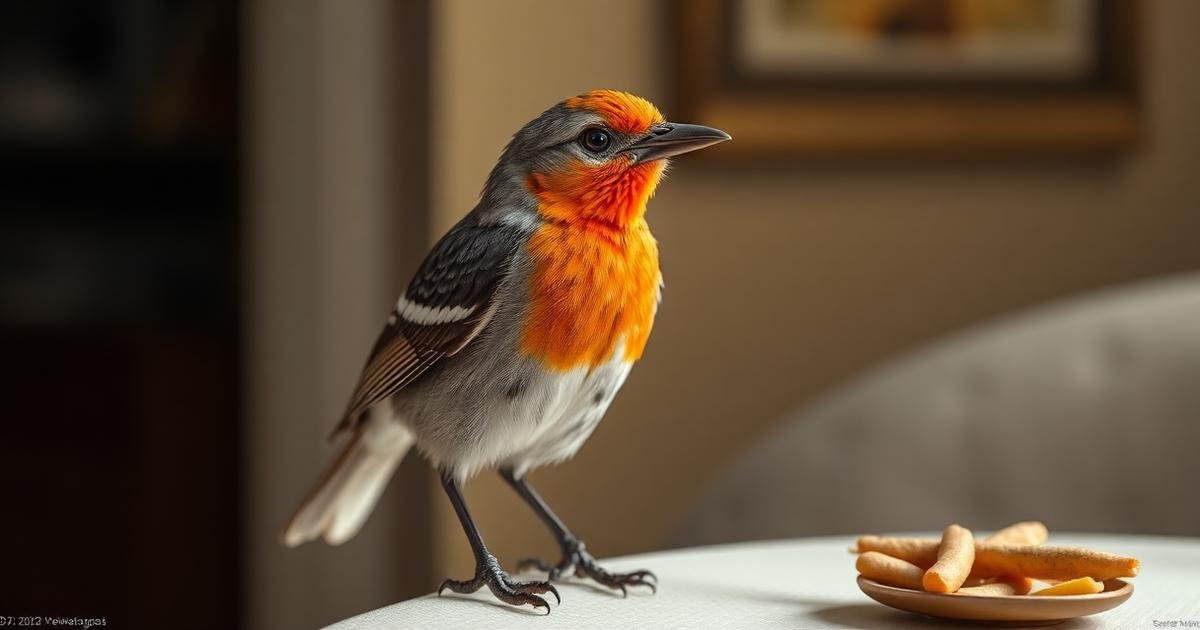
When you share your home with a bird, what goes into their bowl matters more than you might realize. Many common kitchen staples are actually foods toxic to birds, and even a small bite can cause serious harm. The most dangerous foods include avocado, chocolate, caffeine, alcohol, and certain fruit seeds—these can be fatal within hours of ingestion. Understanding these dangers is the first step to keeping your feathered companion safe and healthy for years to come.
Foods toxic to birds: Avocado, chocolate, caffeine, alcohol, and fruit seeds like apple and cherry pits are highly toxic to birds and can cause death within hours. Onions, garlic, high-salt foods, and processed items also pose serious risks. The safest approach is to feed your bird a diet of 60-70% high-quality pellets,
Quick Answer: What foods are toxic to birds?
Avocado, chocolate, caffeine, alcohol, and fruit seeds like apple and cherry pits are highly toxic to birds and can cause death within hours. Onions, garlic, high salt foods, and processed items also pose serious risks. The safest approach is to feed your bird a diet of 60-70% high quality pellets, fresh vegetables, and safe fruits—and never share food from your plate without verifying every ingredient.
For a complete guide on this topic, see the Pet Bird Care Guide.
This foods toxic to birds decision works best when the owner compares daily fit, tolerance, and practical consistency together.
Why are these foods toxic to birds?
A bird's digestive system is fundamentally different from a mammal's. Birds process toxins much more slowly, meaning even trace amounts can accumulate to dangerous levels. Their small body size also means a tiny dose of poison has a much larger impact.
Many foods toxic to birds contain compounds that cause immediate physiological damage. For example, avocados contain persin, a fungicidal toxin that can cause respiratory distress and heart failure in birds within 12-24 hours. Chocolate contains theobromine, which overstimulates a bird's nervous system and can trigger seizures or cardiac arrest.
Birds also lack the enzymes needed to break down certain plant compounds. This is why something harmless to you can be deadly to your feathered friend. According to AVMA pet owner resources, birds are among the most sensitive species to dietary toxins, requiring only minute amounts to trigger severe reactions.
Pro Tip: Keep a list of emergency numbers—your avian vet and the ASPCA Animal Poison Control Center (888-426-4435)—posted on your refrigerator. Every minute counts when a bird ingests something toxic.
Which specific foods are most dangerous for birds?
While many people know about chocolate, several other common kitchen foods are even more dangerous. Here's what you need to watch for in your daily routine, broken down by the specific toxin and its effects.
For many homes, the right foods toxic to birds choice is the one that stays reliable under ordinary daily conditions.
Avocado and persin toxicity
Every part of the avocado is toxic to birds—the flesh, skin, pit, and even the leaves. The compound persin causes myocardial necrosis (death of heart tissue) in birds. Symptoms include difficulty breathing, lethargy, and sudden collapse. Even a teaspoon can kill a small parrot like a budgie or cockatiel.
Veterinarians generally recommend keeping avocados completely out of any room where your bird flies or explores. Cross contamination from cutting boards or counters is a real risk. Wash your hands and all surfaces thoroughly after handling avocado.
Chocolate, caffeine, and theobromine
Chocolate contains both theobromine and caffeine, both of which are methylxanthines that cause vomiting, diarrhea, hyperactivity, seizures, and cardiac arrest in birds. Dark chocolate and baking chocolate are the most concentrated and thus the most dangerous. A single square of dark chocolate can be lethal to a small bird.
Coffee, tea, soda, and energy drinks are equally hazardous. A single sip of coffee can cause a small bird's heart rate to spike dangerously. Research suggests that birds are 5-10 times more sensitive to caffeine than dogs are, making even accidental exposure from a spilled cup a serious emergency.
Fruit seeds and pits
Apple seeds, cherry pits, peach pits, and apricot pits contain amygdalin, which breaks down into cyanide when chewed or digested. While the fruit flesh is safe, the seeds are not. Always remove every seed and pit before offering fruit to your bird.
The same applies to stone fruits like plums and nectarines. A single crushed apple seed can cause cyanide poisoning in a small bird within 30 minutes. Symptoms include dilated pupils, difficulty breathing, and collapse. Do not let your bird play with whole pits—they can crack them with their beaks.
Onions and garlic
Onions and garlic in any form—raw, cooked, powdered, or dehydrated—destroy red blood cells in birds, leading to hemolytic anemia. This can take 24-48 hours to show symptoms, making it easy to miss. Even small amounts in soups, sauces, or seasonings are dangerous.
This includes onion powder and garlic powder commonly found in spice blends, pasta sauces, and prepared meals. Always read ingredient labels on any human food you consider sharing. A single teaspoon of onion powder can cause anemia in a medium sized parrot within two days.
Dairy, salt, and processed foods
Birds are lactose intolerant. Milk, cheese, and yogurt can cause severe digestive upset and diarrhea, leading to dehydration. High salt foods like chips, pretzels, and salted nuts cause dehydration, kidney damage, and neurological issues. Processed meats like bacon and sausage are loaded with salt, nitrates, and fat—all toxic to birds.
Even seemingly harmless foods like crackers or bread can contain hidden salt, sugar, or preservatives. Stick to whole, unprocessed foods that you have prepared yourself. When in doubt, leave it out.
Pro Tip: When preparing safe fruits and vegetables for your bird, use a dedicated cutting board that never touches avocado, onions, or garlic. This prevents invisible residue from contaminating their food.
What should you do if your bird eats something toxic?
Time is your enemy here. If you witness your bird eating a toxic food, act immediately—do not wait for symptoms to appear. Birds hide illness as a survival instinct, so by the time you see signs, the situation is often critical.
Immediate first aid steps
First, remove any remaining toxic food from your bird's reach. Do not induce vomiting unless specifically instructed by a veterinarian—birds can aspirate easily, and their airways are extremely delicate. Call your avian vet or the ASPCA Animal Poison Control Center immediately.
If possible, bring a sample of the food your bird ate. This helps the vet identify the toxin and choose the right treatment. Keep your bird warm and quiet during transport—stress worsens symptoms and can accelerate toxin absorption.
When to seek emergency veterinary care
Any ingestion of avocado, chocolate, caffeine, or alcohol requires an emergency vet visit. Even if your bird seems fine, internal damage may already be occurring. Symptoms to watch for include vomiting, diarrhea, weakness, difficulty breathing, tremors, or seizures.
Birds hide illness as a survival instinct. By the time you see symptoms, the situation is often critical. The ASPCA poison control resources recommend erring on the side of caution for any toxin exposure, especially with birds due to their small size and rapid metabolism of toxins.
| Food Ingested | Action Required | Time Window |
|---|---|---|
| Avocado (any amount) | Emergency vet immediately | Within 30 minutes |
| Chocolate (any type) | Emergency vet immediately | Within 1 hour |
| Onion or garlic | Call vet, monitor 24-48 hours | Within 2 hours |
| Fruit seeds (1-2) | Call vet, monitor 4-6 hours | Within 1 hour |
| Salty foods | Offer fresh water, call vet | Within 2 hours |
| Caffeine or alcohol | Emergency vet immediately | Within 30 minutes |
Pro Tip: Keep activated charcoal in your bird first aid kit. Some vets recommend it for certain toxins, but never administer it without professional guidance. The dose must be precise for a bird's small body, and incorrect dosing can cause more harm than good.
How can you bird proof your kitchen and diet?
Prevention is the best medicine. A bird proof kitchen requires constant vigilance, but it becomes second nature with practice. Your bird depends on you to make safe choices every single day.
Safe food preparation habits
Never let your bird eat directly from your plate or share utensils. The risk of cross contamination from foods toxic to birds is simply too high. Prepare your bird's food first, on a clean surface, before you start cooking human meals.
Wash all fruits and vegetables thoroughly to remove pesticide residues. Organic produce is ideal but not strictly necessary—thorough washing is what matters most. Cut produce into small, manageable pieces to prevent choking, and serve at room temperature to avoid burns.
Building a safe diet
A balanced diet for most pet birds consists of 60-70% high quality pellets, 20-30% fresh vegetables and fruits, and research suggests 10% healthy treats like unsalted seeds or whole grains. Avoid mixtures with dried fruit that may contain sulfur dioxide or other preservatives that can trigger allergic reactions.
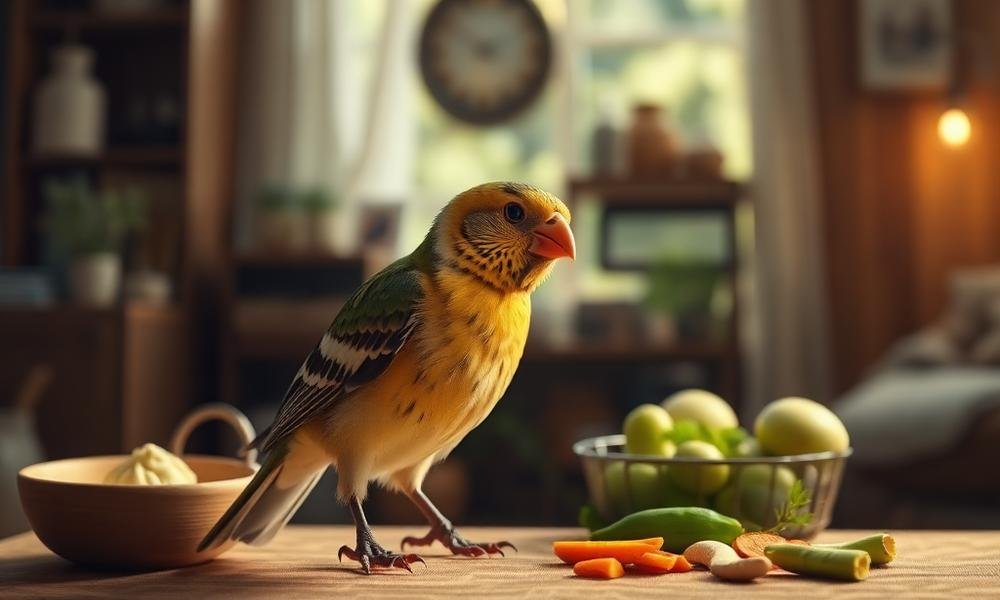
Safe vegetables include dark leafy greens (kale, spinach, romaine), carrots, broccoli, bell peppers, and sweet potatoes. Safe fruits include apples (seeds removed), berries, melon, and papaya. Always introduce new foods slowly—one at a time over several days—to monitor for digestive upset or food preferences.
What about commercial bird treats?
Not all commercial bird treats are safe. Some contain added sugar, salt, or artificial colors that can harm your bird over time. Read labels carefully and choose brands that list whole foods as ingredients. Avoid treats with "natural flavors"—this can hide onion or garlic powder.
For a list of safe treat options, see our Pet Bird Care Guide for brand recommendations and feeding schedules. Stick to treats specifically formulated for birds, and avoid human snack foods entirely.
What hidden sources of toxins should you watch for?
Some of the most dangerous exposures happen not from direct feeding but from hidden sources. Your bird's curious nature means they will investigate anything within reach, including items you might not think of as food.
Household plants and non food items
Many common houseplants are toxic to birds, including lilies, philodendrons, poinsettias, and dieffenbachia. Birds often chew on leaves out of curiosity, which can cause oral irritation, vomiting, or organ failure. Keep all houseplants out of your bird's flight path.
Non food items like cigarette butts, nicotine patches, and e cigarette refills contain nicotine, which is rapidly fatal to birds. A single cigarette butt can kill a small bird within minutes. Keep all tobacco products and vaping supplies locked away.
Cookware and food preparation risks
Non stick cookware (Teflon) releases fumes when overheated that are deadly to birds. This condition, called Teflon toxicosis, causes immediate respiratory distress and death. Never use non stick pans, air fryers, or self cleaning ovens in a home with birds.
Similarly, scented candles, air fresheners, and aerosol sprays release volatile compounds that damage a bird's sensitive respiratory system. Use only bird safe cleaning products and avoid all artificial fragrances in rooms where your bird spends time.
Pro Tip: Create a "bird safe zone" in your kitchen by designating specific cabinets for bird food, bowls, and treats. Keep all toxic foods and cleaning supplies in separate, locked cabinets to prevent accidental access.
Which foods are safe for birds to eat?
Knowing what is safe is just as important as knowing what is toxic. Here is a quick reference for foods you can confidently offer your bird, organized by food group for easy meal planning.
Safe fruits and vegetables
Most fresh fruits and vegetables are safe if prepared correctly. Apples, pears, and peaches are safe once seeds and pits are removed. Berries, mango, papaya, and melon are excellent choices that provide vitamins and antioxidants. Vegetables like carrots, peas, green beans, and sweet potatoes are nutrient rich and well-tolerated.
Cooked grains like quinoa, brown rice, and oatmeal are safe and provide fiber for healthy digestion. Cooked eggs (shell included, crushed) offer protein and calcium for feather health and bone strength. Sprouted seeds and legumes are highly nutritious and safe when rinsed thoroughly.
Foods to offer in moderation
Some safe foods should still be limited. Fruits high in sugar like grapes and bananas should be occasional treats, not daily staples. Nuts (unsalted, raw) are high in fat and should be given sparingly—one or two per day for a medium parrot like an African grey or Amazon.
Seeds like millet, sunflower, and safflower are calorie-dense. While birds love them, a seed heavy diet leads to obesity and nutritional deficiencies. Stick to the research suggests 10% rule for treats: no more than research suggests 10% of your bird's daily intake should come from treats, including seeds and nuts.
| Food Category | Safe Examples | Unsafe Examples |
|---|---|---|
| Fruits | Apple (no seeds), berries, melon, papaya | Avocado, fruit seeds, pits, rhubarb |
| Vegetables | Kale, carrots, broccoli, sweet potato, bell pepper | Onion, garlic, raw potato, mushrooms |
| Grains | Quinoa, brown rice, oatmeal, whole wheat pasta | Processed bread with salt/sugar, raw beans |
| Proteins | Cooked egg, cooked beans, cooked lentils | Meat, dairy, processed meats, raw beans |
| Treats | Unsalted nuts, millet spray, plain popcorn | Chocolate, candy, chips, salted nuts |
Protect your feathered friend with safe, vet recommended food and supplies.
Browse Bird Care Options →
Frequently Asked Questions
Can birds eat peanut butter?
Yes, but only if it is unsalted, unsweetened, and free of xylitol. Xylitol is an artificial sweetener that causes rapid insulin release and hypoglycemia in birds, leading to seizures and liver failure. Offer peanut butter sparingly—a pea sized amount once or twice a week as a training treat.
Is it safe for birds to eat bread?
Plain, whole grain bread in very small amounts is not toxic, but it offers no nutritional value and can fill your bird up without providing essential vitamins. White bread and bread with added sugar, salt, or preservatives can cause digestive issues and obesity. Avoid bread entirely if possible and offer healthier grains like quinoa instead.
Can birds eat cooked rice?
Yes, plain cooked rice (white or brown) is safe for birds and provides easily digestible carbohydrates. Do not add salt, butter, or seasonings. Rice is a good base for mixing with chopped vegetables for a balanced meal. Cool it completely before serving to prevent burns to your bird's crop.
Are mushrooms safe for birds?
No. Many mushrooms contain toxins that affect the liver and nervous system of birds, causing symptoms like vomiting, lethargy, and organ failure. Store bought mushrooms like white button mushrooms are less dangerous but still not recommended due to potential digestive upset. It is safest to avoid all mushrooms entirely.
Can birds eat honey?
Honey is not toxic to birds, but it can contain botulism spores that are dangerous for chicks and birds with weakened immune systems. For healthy adult birds, pasteurized honey in tiny amounts (a drop or two) is acceptable as an occasional treat. Never give honey to baby birds or sick birds.
What about tomatoes—are they safe for birds?
Ripe tomato flesh is safe in small amounts, but the leaves, stems, and unripe green tomatoes contain solanine, which is toxic to birds. Remove all green parts and offer only small pieces of ripe tomato as an occasional treat. Too much ripe tomato can cause stomach upset due to acidity.
Can birds eat citrus fruits like oranges and lemons?
Yes, citrus fruits are safe for birds in moderation. Oranges, tangerines, and grapefruits provide vitamin C and are generally well-tolerated. However, the high acidity can cause digestive upset in some birds, so introduce citrus slowly. Remove all seeds and offer only the flesh.
Is it safe to give birds popcorn?
Plain, air popped popcorn (no salt, butter, or oil) is safe for birds and makes a fun foraging treat. Avoid microwave popcorn, which contains artificial flavors, salt, and preservatives. Break large pieces into smaller bits to prevent choking, especially for smaller birds like budgies or finches.
Learn more in our detailed guide on bird molting what to expect.